Like
Share
멍실장
강아지 기흉 관리 추천 BEST와 고르는 기준 총정리

Top Recommended Products for Canine Pneumothorax Management and Selection Criteria

RespiratoryTop PicksMeongsiljang Veterinary Advisory Board

Canine pneumothorax is an emergency condition in which air leakage causes the lungs to collapse. With appropriate management products and treatments, the recovery rate is high.

Canine pneumothorax is an emergency condition in which air leakage causes compression of the lungs

Chest X-ray image of a dog with pneumothorax, showing air accumulation in the thoracic cavity
Canine pneumothorax is an emergency condition in which air abnormally enters the pleural cavity (the space surrounding the lungs), causing compression of the lungs. It can result from various causes, including trauma, rupture of pulmonary cysts or bullae, pneumonia, and tumors. Early detection and prompt emergency treatment are key to improving survival rates. Accurate diagnosis and prescription by a veterinarian are essential, and self-treatment is strictly prohibited. When draining air via a chest tube, maintaining a negative pressure of 2–4 cm H₂O is effective in most cases, as excessive pressure can place undue stress on the lungs. Even after thoracentesis or chest tube drainage, regular care and veterinary guidance remain necessary, with environmental control and maintaining a stable condition playing crucial roles in recovery.

Essential Information: Managing Canine Pneumothorax
When selecting products for managing a dog’s pneumothorax, it is essential to choose safe and effective equipment under the guidance of a veterinarian. Products recommended by veterinarians are designed to allow for the unobtrusive evacuation of air during thoracentesis or chest tube insertion, and they are easy to clean and disinfect for reuse. Rather than focusing solely on price, consider the therapeutic efficacy, ease of use, and convenience of hygiene management. In particular, it is crucial to use equipment that can maintain appropriate negative pressure (2–4 cm H₂O) during chest tube insertion. The product must be certified for veterinary use, and you should always consult with your veterinarian before making a selection.
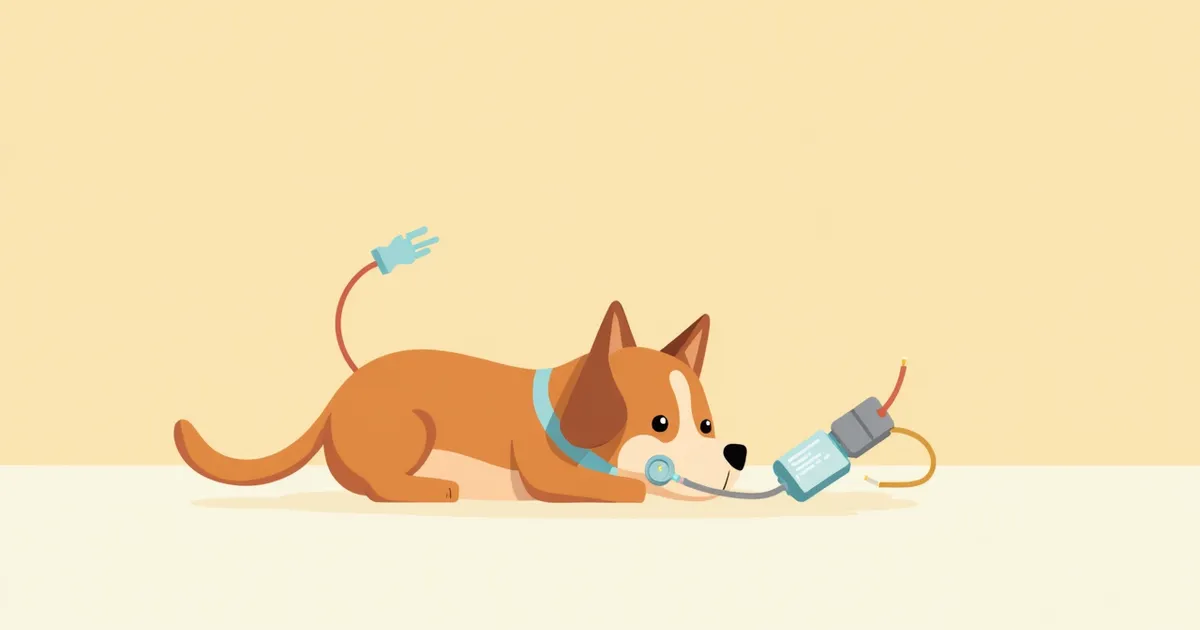
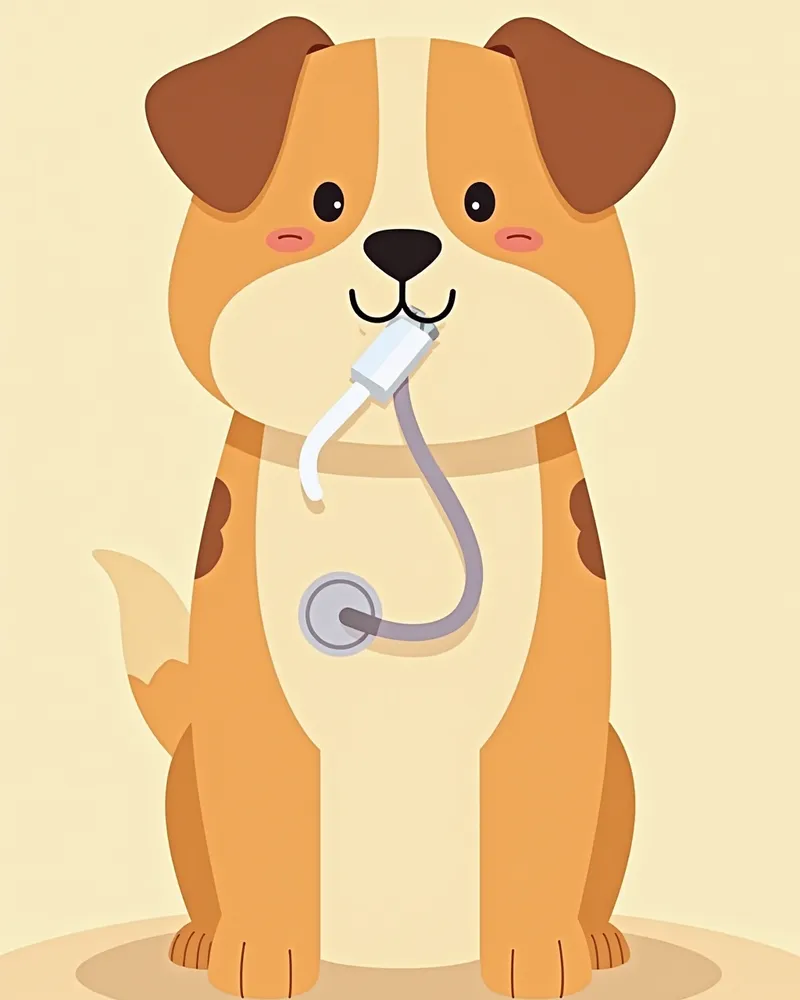
Detailed images of the drainage tube and drain system for canine pneumothorax

Essential Information 1: What is Pneumothorax?
A pneumothorax occurs when air abnormally accumulates in the thoracic cavity (the space surrounding the lungs), compressing the lungs and preventing them from expanding properly. Dogs may exhibit symptoms such as rapid breathing, open-mouthed breathing, abdominal breathing, and cyanosis, where the gums appear pale or bluish. In severe cases, this is a life-threatening emergency that can be fatal within minutes. If your dog appears to be struggling to breathe, seek immediate veterinary care.
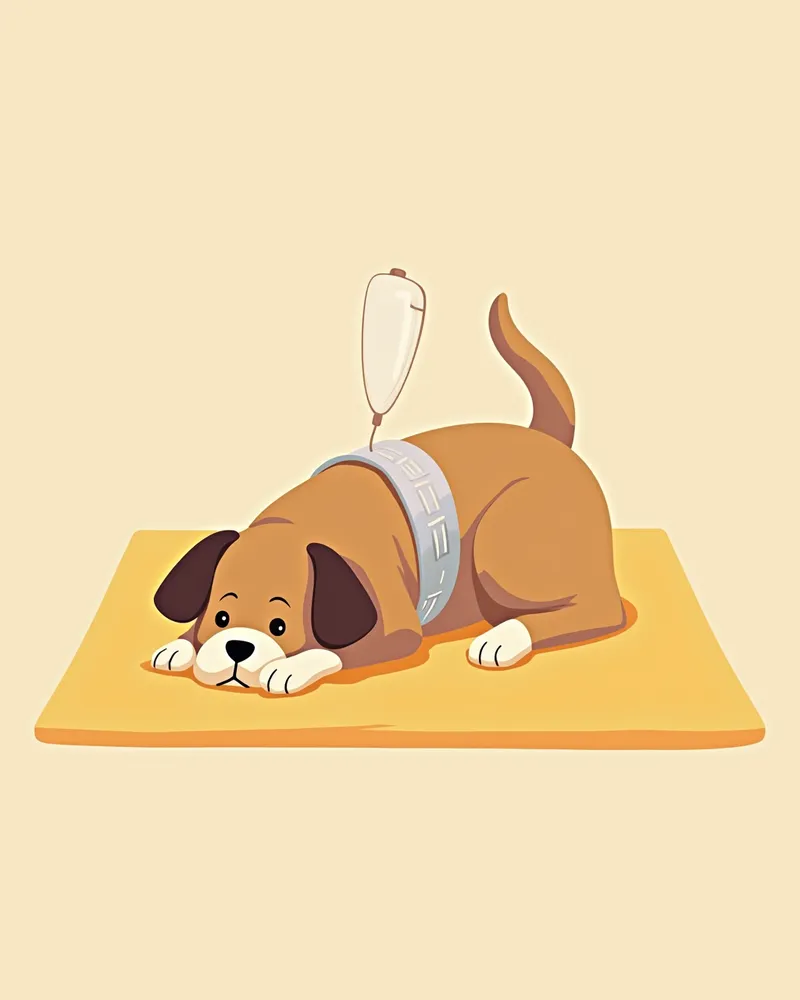
A puppy comfortably lying down while wearing the PneumoCare Pro drainage system.

Essential Information 2: Causes, Diagnosis, and Treatment of Pneumothorax

Pneumothorax can result from various causes, including trauma (such as car accidents or falls), rupture of pulmonary cysts or bullae, pneumonia, and tumors. Veterinarians diagnose it through auscultation, chest X-rays, and ultrasound. Treatment depends on the severity of symptoms and the underlying cause, with thoracentesis—removing air from the pleural space using a needle or tube—typically performed first. Surgical intervention may be necessary for recurrent cases or when an underlying lesion is present.
A small dog wearing the MiniDrain Vet drainage system, highlighting its compact and lightweight design.

Essential Information 3: Recovery Management and the Importance of Veterinary Diagnosis

Pneumothorax can recur even after treatment, so careful at-home management is essential. Avoid strenuous activity and stress, and seek veterinary care immediately if respiratory symptoms reappear. Depending on the underlying cause, long-term follow-up examinations may be necessary. Supplements or home remedies found online have not been proven effective and may actually worsen the condition. All treatment and care plans must strictly follow your veterinarian’s diagnosis and instructions.
QuickDrain Basic Economy Drainage Kit, showing the neatly arranged basic components

What Owners Should Know About Canine Pneumothorax

ItemKey Points
SymptomsRapid breathing, open-mouth breathing, gum cyanosis
CausesTrauma, rupture of lung cysts/bullae, tumors, pneumonia, etc.
DiagnosisConfirmed by a veterinarian via chest X-ray/ultrasound
TreatmentAir removal via thoracocentesis, surgery if necessary
CautionRecurrence possible; immediate visit needed if breathing abnormalities occur

This is not a table recommending specific products or clinics, but rather criteria to reference when consulting your veterinarian. Treatment and testing decisions must always be made together with your veterinarian through an examination.

Caution: Improper Use at Home Is Dangerous

Canine pneumothorax is a medical emergency, so home care should only be performed under the direct guidance of a veterinarian. Incorrect use of equipment or improper pressure regulation can cause lung damage or recurrence. Never attempt to diagnose or treat this condition on your own.

Usage Tips: Manage Safely and Effectively
Managing a dog’s pneumothorax requires consistent care under veterinary guidance. Always clean and disinfect all equipment before use to maintain hygiene. Monitor your dog’s breathing daily, and contact your veterinarian immediately if you notice any abnormal signs such as labored breathing, coughing, or symptoms of shock. Keep the environment quiet and warm to minimize stress. Ensure proper nutrition and hydration, and restrict physical activity during treatment. Regular veterinary check-ups are essential. If a chest tube is in place, pressure must be adjusted regularly. Always follow your veterinarian’s instructions for equipment use and follow-up care; never adjust the device or skip check-ups on your own.
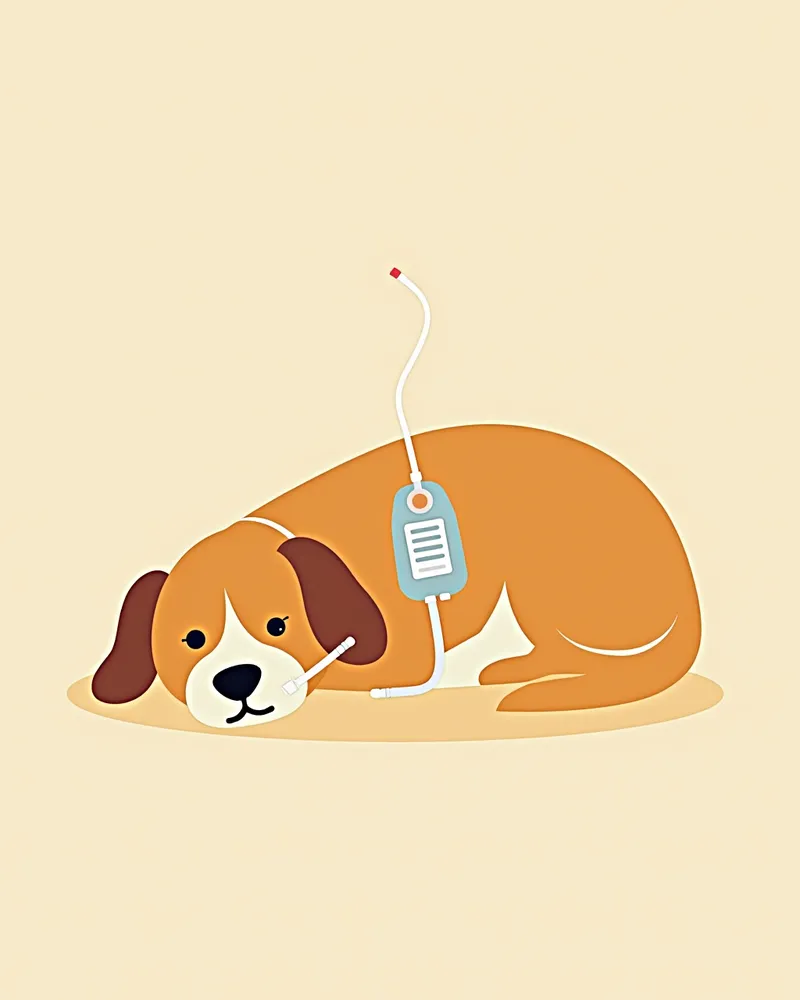
A pet owner carefully checks and manages their puppy’s drainage bag.

Reviewed by a veterinarian

Dr. Tony — Punnawat Phongkittirak

Dr. Tony — Punnawat Phongkittirak

Veterinarian

A veterinarian who majored in veterinary medicine at Khon Kaen University, Thailand, and completed the IVSA program at North Carolina State University in the United States. Drawing on clinical experience at animal hospitals, he works in the pet healthcare field and is dedicated to building a digital care environment that connects pet parents with veterinarians.

Frequently Asked Questions

Can a dog’s pneumothorax be completely cured?
It depends on the underlying cause. If the issue is due to trauma or a surgically removed lesion, most pets recover fully. However, if it's caused by chronic lung disease, ongoing management will be necessary.
Can pneumothorax be managed at home?
This should only be done under the guidance of a veterinarian. Never attempt self-treatment.
Is recurrent pneumothorax common?
The likelihood of recurrence depends on the underlying cause. Traumatic or iatrogenic pneumothorax often resolves well with thoracocentesis alone, whereas spontaneous pneumothorax caused by lung lesions has a high recurrence rate. Regular check-ups are essential.
How long does it take to treat a pneumothorax?
The treatment duration varies significantly depending on the underlying cause and severity. In cases of traumatic pneumothorax, improvement may occur relatively quickly with thoracocentesis alone, whereas pneumothorax caused by lung lesions may require a longer recovery period or even surgery. It is essential to follow your veterinarian’s instructions for proper management.
Where can I purchase equipment for treating pneumothorax?
This is a medical device prescribed by a veterinarian. You can purchase it at a veterinary clinic or from a specialized veterinary supplier.

Share

Related Guides

References

[1] Plumb's Veterinary Drug Handbook, 9th Edition, 2022

[2] Clinical Medicine of the Dog and Cat, 4th Edition, 2020

[3] Veterinary Emergency and Critical Care Medicine, 2nd Edition, 2018

This information is based on veterinary literature and does not replace diagnosis or treatment. Please consult a veterinarian for specific health concerns.

Metapet Co., Ltd. | CEO: Park Sung-yong | Business Reg. No. 417-88-02562 | Seoul, South Korea | Customer Center

Canine Pneumothorax: Top Products & Selection Criteria | Meongsiljang