
Top Recommended Management Products for Canine Temporomandibular Joint Dislocation and Selection Criteria
Temporomandibular joint dislocation in dogs can cause significant difficulties with eating and vocalizing. It is important to choose the right management products and treatment methods.
Temporomandibular joint dislocation in dogs is a condition that places a significant burden on both the owner and the dog.

Key Information: Managing Temporomandibular Joint Dislocation in Dogs

Key Information 1: What is Temporomandibular Joint Dislocation and How Urgent Is It?

Key Information 2: Diagnosis and Treatment Options

Key Information 3: Recovery Care and Precautions for Owners
What Owners Should Know About Temporomandibular Joint Dislocation in Dogs
| Item | Key Points |
|---|---|
| Symptoms | Mouth that won't close or is misaligned, drooling, refusal of food |
| Cause | Trauma such as falls, traffic accidents, or fights is most common |
| Diagnosis | X-ray/CT to check the direction of dislocation and whether there is a fracture |
| Treatment | Manual reduction under anesthesia or surgery, as decided by the veterinarian |
| Management | Maintain a soft diet and administer prescribed medications as directed |
This is not a table recommending specific products or clinics; it is a reference for when you consult your veterinarian. Always make treatment and diagnostic decisions together with your veterinarian through an examination.
Caution: Immediate Veterinary Visit Required for Temporomandibular Joint Dislocation
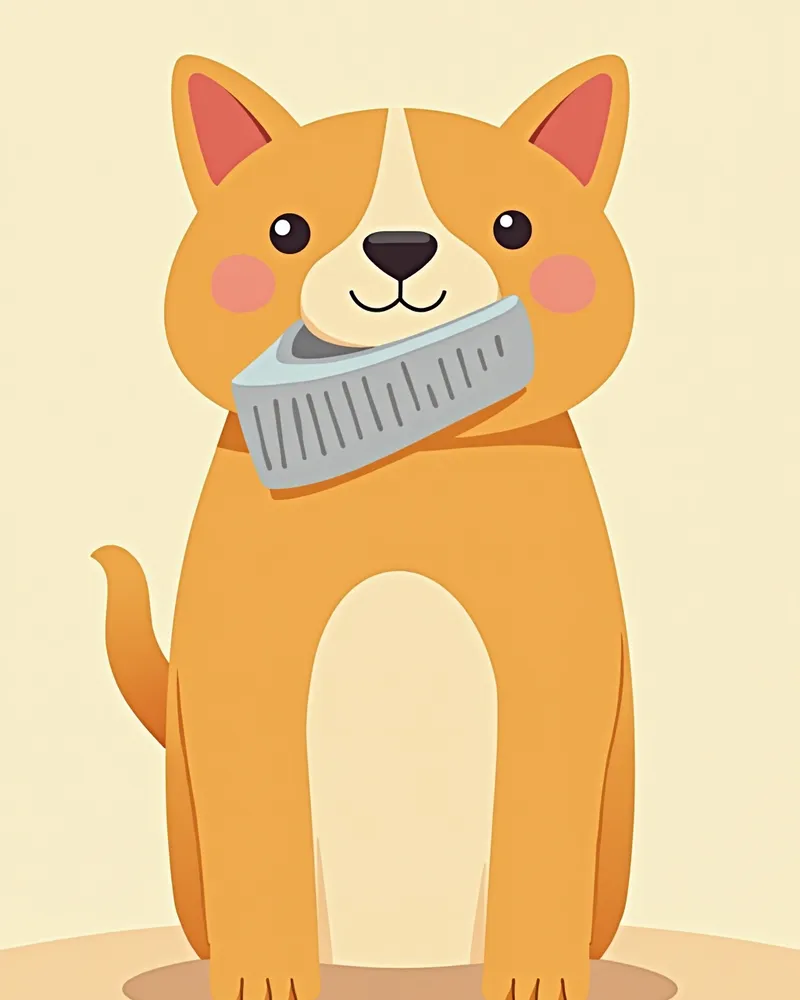
If you suspect your dog has a dislocated jaw, contact your veterinarian immediately. Do not attempt home remedies or try to secure the jaw with tape, as this can be dangerous. A veterinarian must provide an accurate diagnosis and develop an appropriate treatment plan. Excessive manipulation at home can cause the jaw to dislocate again or worsen the injury.
Usage Tip: Closely Monitor Your Dog’s Response
Reviewed by a veterinarian

Dr. Tony — Punnawat Phongkittirak
VeterinarianA veterinarian who majored in veterinary medicine at Khon Kaen University, Thailand, and completed the IVSA program at North Carolina State University in the United States. Drawing on clinical experience at animal hospitals, he works in the pet healthcare field and is dedicated to building a digital care environment that connects pet parents with veterinarians.
Reviewed 2026-06-29
Frequently Asked Questions
Is temporomandibular joint dislocation a common condition in dogs?
My dog won’t eat after putting on the splint. What should I do?
Can I secure it with my own tape?
How long does the treatment usually take?
Can it recur?
Share
Related Guides
7 Best Cat Dental Chews for Tartar Prevention Recommended by Veterinarians and Selection Criteria
Top 5 Recommended Dental Treats for Dogs in 2026 — VOHC Certification Criteria
7 Criteria for Choosing Dog Tartar Prevention Dental Chews Recommended by Veterinarians
Top 5 Puppy Probiotics for 2026 — Immune Support by Stage

Top 5 Probiotics for Senior Dogs in 2026 — A Guide to Senior Gut Health

Top 5 Skin and Coat Supplements for 2026

Top 7 Intelligent Dog Breeds Selected by Veterinarians and Trainers — IQ Rankings and Trainability

5 Gentle Cat Breeds Recommended by Veterinarians — A Comparison Guide Covering Temperament and Health

9 Hairless Dog and Cat Breeds — Characteristics and Skincare Tips for Hairless Pets

Top 7 Low-Shedding Dog Breeds
References
[1] Evans, H.E. (1993). The respiratory system. In Miller’s Anatomy of the Dog, 3rd edition, pp. 463–493.
[2] Withrow, S.J. & Holmberg, D. (1983). Mandibular osteotomy and reconstruction in dogs. Veterinary Surgery, 12(3), 145–152.
[3] Salisbury, R.L. & Lantz, G.C. (1988). Postoperative complications following mandibulectomy in dogs and cats. Journal of the American Veterinary Medical Association, 193(6), 721–725.