Like
Share
멍실장
고양이 요관 결석·요관 폐색 관리 추천 BEST와 고르는 기준 총정리

7 Key Tips from Veterinarians for Managing Feline Urethral Calculi and Obstruction

KidneyTop PicksMeongsiljang Veterinary Advisory Board

Feline urethral calculi and urethral obstruction are serious conditions that can lead to acute pain and kidney damage. With proper management and treatment, recovery is possible, and selecting tailored products is key.

What Are Feline Urethral Calculi and Urethral Obstruction?
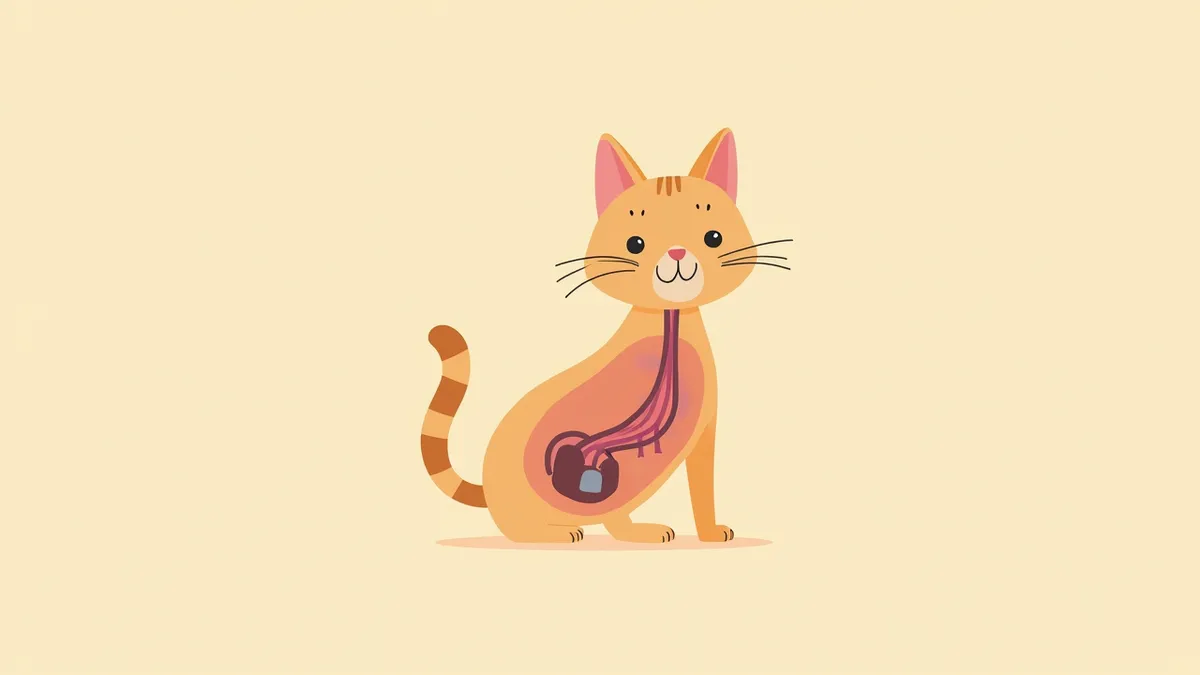
An anatomical illustration showing the location of feline urethral calculi
Feline urethral stones are hard mineral deposits that form inside the urethra. The most common type in cats is calcium oxalate, though struvite stones are also found. When these stones block the urinary tract, they cause urethral obstruction, leading to a buildup of pressure in the kidneys. - Urethral obstruction: Impaired urine flow can cause dilation of the renal pelvis and ureters (hydroureteronephrosis) and rapid decline in kidney function. One or both ureters may be blocked, often accompanied by pain. - Causes of stone formation: Dehydration leading to concentrated urine is a key factor. Risk varies depending on diet and stone type. - Warning signs: Symptoms may include vomiting, loss of appetite, lethargy, decreased urine output or anuria, and a hunched posture. If you suspect this condition, seek immediate veterinary care.

Good to Know: Managing Feline Urethral Calculi and Urethral Obstruction
When choosing a product for managing urethral obstruction, be sure to check its efficacy, safety, ease of administration, ingredients, and whether it is recommended by veterinarians. Above all, it is safest to consult with your veterinarian before making a choice. You need to evaluate each of these factors comprehensively to make a safe selection.
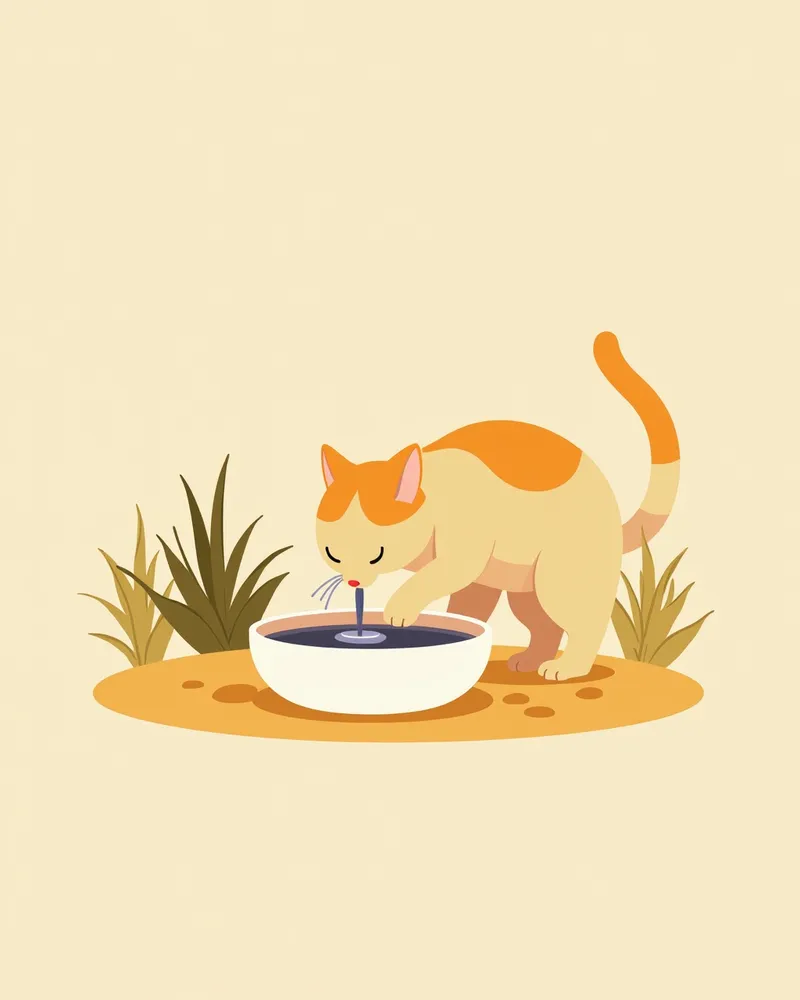
Encouraging water intake: Adequate hydration is considered the most important factor in stone management. Check whether the product helps keep urine dilute.
Urinary tract-related ingredients: For ingredients claimed to support urinary tract health, it is best to verify that they are backed by clinical evidence.
Balance of stone-related ingredients: Feline stones are primarily composed of calcium oxalate and struvite. Confirm with your veterinarian whether the product is appropriate for the specific type of stone.
Dietary management functions: Depending on the type of stone, dietary management can influence the risk of recurrence, but it does not apply uniformly to all types of stones.
Veterinarian-recommended products: Products supported by clinical data and recommended by veterinarians are generally more reliable.
A scene of a cat drinking water

Good to Know 1: Urethral Obstruction Is an Emergency
Feline urethral obstruction occurs when the ureters, which carry urine from the kidneys to the bladder, become blocked by stones, blood clots, narrowing, or external pressure. When one or both ureters are obstructed, urine cannot be expelled, leading to increased pressure in the kidneys and potentially rapid decline in kidney function (azotemia). Common symptoms include vomiting, decreased appetite, lethargy, reduced urine output or anuria, and a hunched posture. Bilateral obstruction can be life-threatening within a short period, so if you notice any of these signs, seek veterinary care immediately.
Urethral obstruction is a medical emergency. See the accompanying image for guidance.

Good to Know 2: Diagnosis and Treatment Options Are Diverse
Diagnosis is made through blood tests, urinalysis, ultrasound, and radiographs. The treatment approach depends on the degree of obstruction, the extent of kidney damage, and the cat’s overall health. While medical management with intravenous fluids and medications to help pass stones is sometimes attempted, cats have very narrow ureters, so medical treatment alone is rarely successful. Surgical intervention (such as urethrotomy or ureteral anastomosis) or placement of a SUB system (subcutaneous ureteral bypass) is often required, and the specific treatment plan is determined by the veterinarian.
There are a variety of diagnostic and treatment options available. Please refer to the related guide images.

Good to Know 3: Preventing Recurrence and Long-Term Management Are Important
The most common cause of ureteral stones is calcium oxalate stones. Because the risk of recurrence remains high even after treatment, regular monitoring through ultrasound and blood tests is essential. A diet focused on wet food is recommended to increase water intake, and specific dietary adjustments should follow your veterinarian’s prescription. Claims that certain foods or stone-dissolving supplements sold online can eliminate stones are unproven, so avoid using them without professional guidance. Always consult your veterinarian before making any decisions regarding diet or supplements.
Preventing recurrence and managing long-term care are important.

What Owners Should Know About Feline Urethral Calculi and Urethral Obstruction

ItemKey points
ConditionThe ureter is blocked by stones or stricture, causing impaired urine outflow
SymptomsVomiting, lethargy, decreased urination or anuria, reduced appetite
DiagnosisConfirmed by the veterinarian through ultrasound, blood tests, and urinalysis
TreatmentProcedures such as surgery or a SUB device; the method is decided by the veterinarian
ManagementPrevent recurrence with a wet diet and regular check-ups; a veterinary prescription is essential

This table is not a recommendation of specific products or hospitals, but a reference to guide your discussion with your veterinarian. Always make treatment and testing decisions together with your veterinarian through an examination.

Caution: Signs Requiring Immediate Veterinary Visit

If your cat shows signs of urethral obstruction, a vet visit within 24 hours is essential. Delaying treatment can lead to severe kidney damage.

Usage Tips: Practical Checklist for Effective Management

Follow these tips when using the product. Consistent care is key to preventing recurrence.
Ensure access to water: Place water bowls in multiple locations, and consider using a water fountain to keep the water flowing.
Manage diet: Gradually transition to new food to prevent digestive upset.
Monitor elimination: Check daily for changes in urine volume, color, and odor.
Track weight: Weight changes can signal shifts in kidney function.
Regular check-ups: We recommend urine tests and ultrasounds every three months.
Checklist for Managing Feline Urinary Tract Health

Reviewed by a veterinarian

Dr. Tony — Punnawat Phongkittirak

Dr. Tony — Punnawat Phongkittirak

Veterinarian

A veterinarian who majored in veterinary medicine at Khon Kaen University, Thailand, and completed the IVSA program at North Carolina State University in the United States. Drawing on clinical experience at animal hospitals, he works in the pet healthcare field and is dedicated to building a digital care environment that connects pet parents with veterinarians.

Frequently Asked Questions

Are ureteral stones common in cats?
Ureteral obstruction (ureteral calculi) is relatively common in cats and should always be considered when azotemia is present. One reported study showed that the number of diagnosed cases has been increasing annually, with a median age of onset of approximately 7 years. Adequate water intake is a cr
Will the stones dissolve even if I give my pet this product?
It’s unlikely that stones will dissolve and disappear with products alone. Calcium oxalate stones in cats do not dissolve with medication, and medical management is limited to supporting stone passage through fluids or diuretics. Moreover, because the urethra is very narrow, medical treatment alone is rarely sufficient, and many cats require surgery or procedures such as stent placement or SUB. Be sure to consult your veterinarian.
Can it be managed with just food?
A diet focused on wet food can help increase water intake and support stone management, but its effectiveness varies depending on the type of stone. If a stone has already caused an obstruction, dietary changes alone won’t resolve the issue, and veterinary treatment is necessary. Always follow your veterinarian’s guidance when choosing a diet.
Is it safe to give this product to my pet long-term?
It can be used long-term under a veterinarian's guidance, but regular check-ups are necessary to monitor kidney function. Side effects may occur.
Does a lack of water increase the risk of stone formation?
Cat urine is naturally very concentrated, so insufficient water intake can further concentrate the urine and increase the risk of stone formation. It’s a good idea to provide fresh water frequently and place multiple water bowls or fountains around the home.

Share

Related Guides

References

[1] Boyd LM, Langston C, Thompson K, et al. Survival in cats with naturally occurring chronic kidney disease (2000-2002). J Vet Intern Med. 2008;22:1111–1117.

[2] Specht AJ, Kruger JM, Fitzgerlad SD, et al. Light microscopic features of chronic feline idiopathic cystitis (abstract). J Vet Intern Med. 2003;17(3):436.

[3] Adams LG, Williams Jr. JC, McAteer JA, et al. In vitro evaluation of canine and feline calcium oxalate urolith fragility via shock wave lithotripsy. Am J Vet Res. 2005;66(9):1651–1654.

This information is based on veterinary literature and does not replace diagnosis or treatment. Please consult a veterinarian for specific health concerns.

Metapet Co., Ltd. | CEO: Park Sung-yong | Business Reg. No. 417-88-02562 | Seoul, South Korea | Customer Center

7 Vet Tips for Managing Feline Urethral Calculi & Obstruction | Meongsiljang