Like
Share
멍실장
고양이 IRIS 병기 분류 관리 추천 BEST와 고르는 기준 총정리

Top 7 CKD Management Strategies for Cats by IRIS Stage — Selection Criteria by Stage

KidneyTop PicksMeongsiljang Veterinary Advisory Board

The management strategy for chronic kidney disease in cats varies according to the IRIS staging system. Take a look at stage-specific management approaches and recommended products at a glance.

What is the IRIS Staging System for Cats?

An infographic showing the IRIS staging classification based on kidney function values in cats
The IRIS staging system for cats categorizes the progression of chronic kidney disease into four stages, from 1 to 4. Accurate staging is crucial because treatment goals and management strategies vary depending on the stage.
Stage 1: Kidney abnormalities are present, but kidney function (azotemia) has not yet declined. Symptoms are minimal, so this stage is typically detected during routine check-ups.
Stage 2: Kidney function begins to decline slightly, and proteinuria may be present. Early management is necessary.
Stage 3: Kidney function is moderately impaired, and symptoms such as polyuria (excessive urination), polydipsia (excessive thirst), dehydration, and weight loss may appear.
Stage 4: Kidney function is severely compromised, potentially leading to serious complications like hypertension, anemia, and vomiting. Anemia is commonly observed in stages 3 and 4.
Staging is primarily based on blood tests (creatinine and SDMA), with further classification incorporating blood pressure and proteinuria levels.

Selection Criteria by IRIS Stage

When selecting a diet for managing chronic kidney disease in cats, it’s important to follow guidelines tailored to the specific stage of the disease, as the required nutrients and dietary adjustments vary by stage.
Stage 1: Excessively restricting protein and phosphorus can actually be counterproductive. The focus should be on preventive care and regular monitoring rather than strict limitations.
Stage 2: A renal prescription diet with restricted phosphorus is recommended. Moderate control of protein and sodium, along with omega-3 supplementation, helps reduce the burden on the kidneys.
Stage 3: Continue phosphorus restriction and include antioxidants. Potassium levels should be adjusted based on individual blood test results, while also monitoring for dehydration and anemia.
Stage 4: In addition to phosphorus restriction and antioxidants, ensuring adequate caloric intake is crucial. Depending on the cat’s needs, supplementary care such as potassium supplementation or subcutaneous fluids may be necessary.
Choosing a diet tailored to each stage supports long-term kidney health, and it’s always best to consult with your veterinarian before making any decisions.
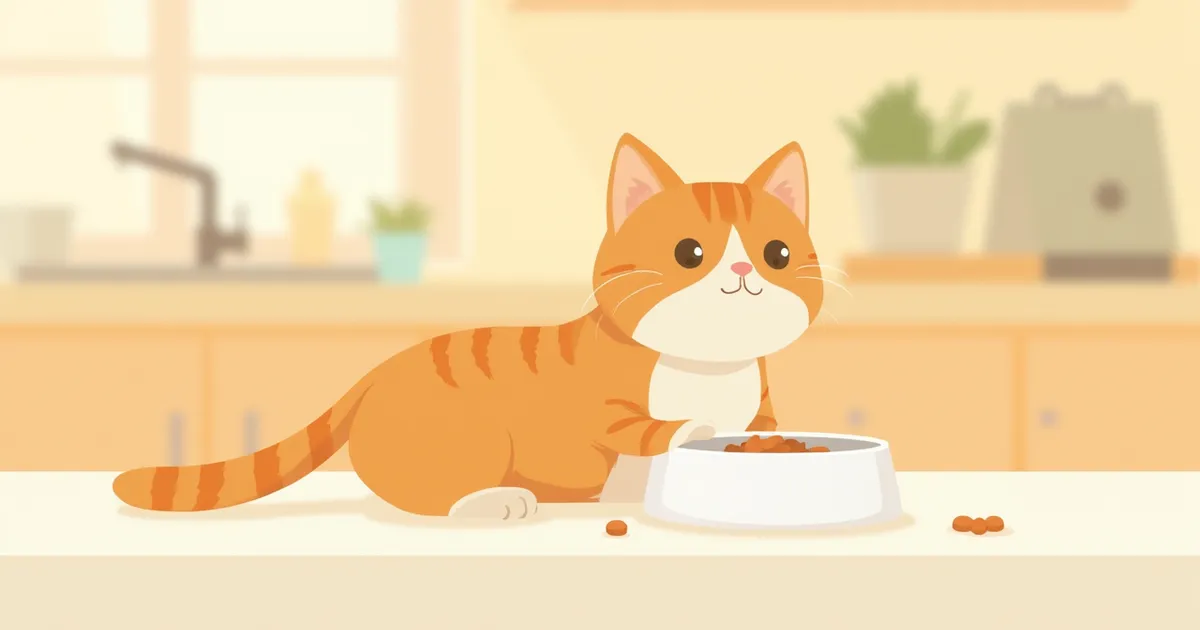
A cat eating food appropriate for stage 2 of its illness

BEST 1: Premium Care IRIS Stage 1–4 Specific Food
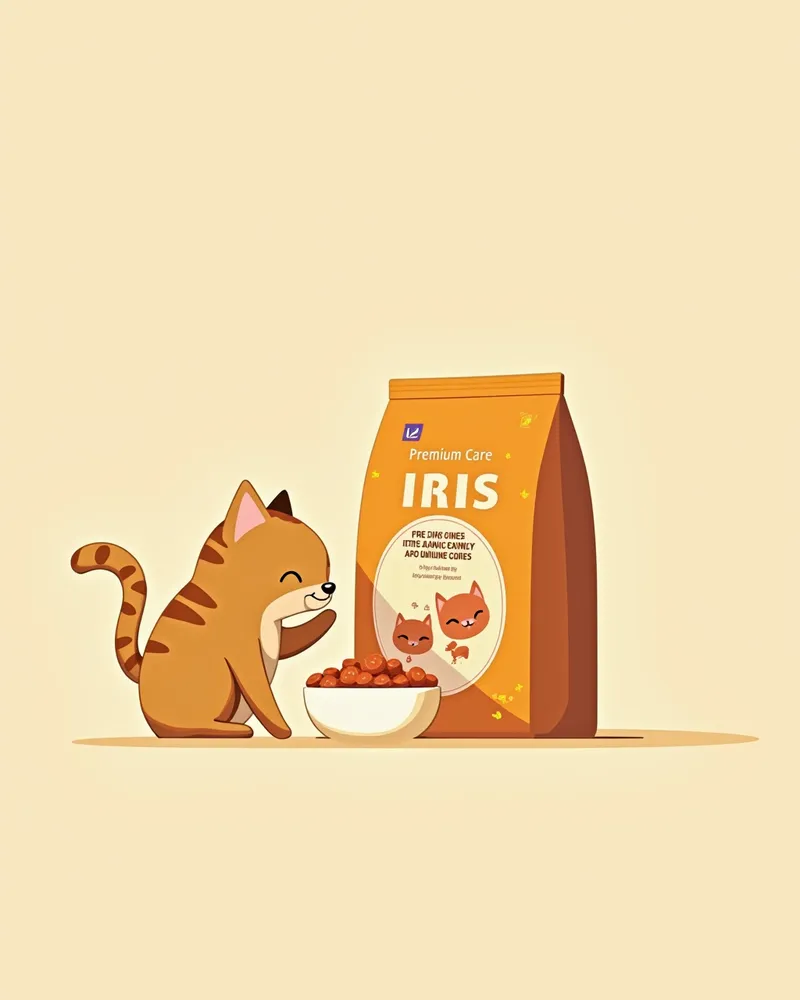
This premium food is specifically formulated to meet the needs of each IRIS kidney disease stage, covering all stages from 1 to 4 for convenient management.
Stage-specific nutrient adjustment: Protein, phosphorus, and potassium levels are precisely controlled to reduce the burden on the kidneys.
Enhanced antioxidants: Contains vitamins E and C, as well as selenium, to help alleviate oxidative stress.
High-calorie formula: Helps prevent weight loss commonly seen in stages 3 and 4.
Palatability enhancement: Flavor components are optimized to ensure cats enjoy eating it.
Recommended by veterinarians, this food allows for a smooth transition between stages.
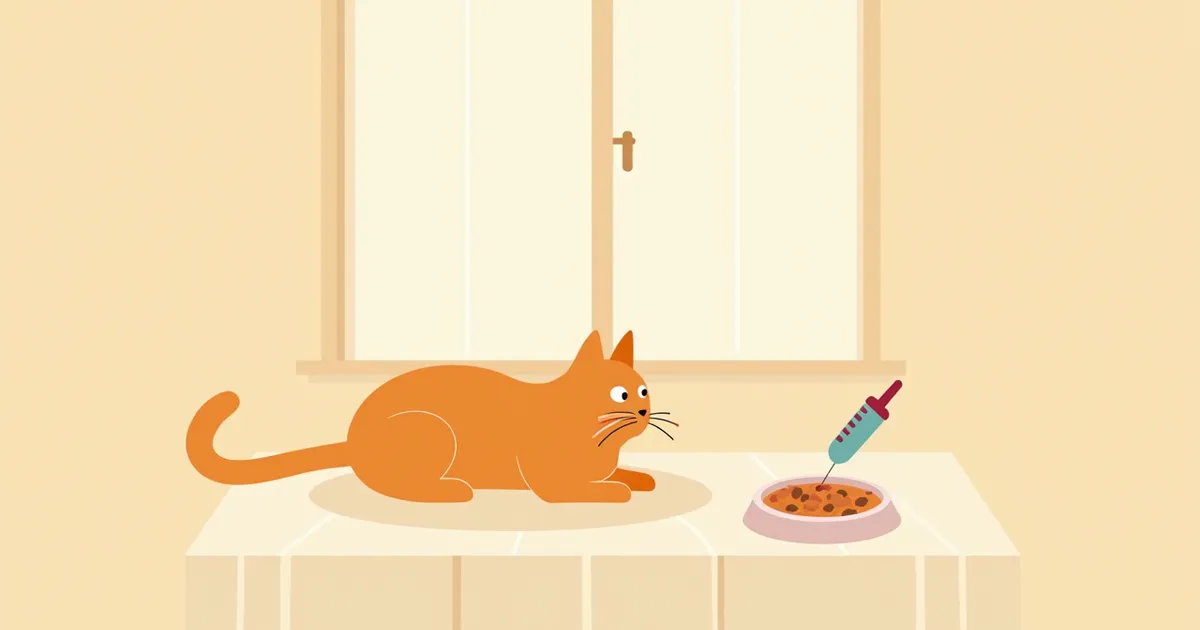
A cat receiving stage-specific prescription diets tailored to its disease progression

BEST 2: Liberty Care Low-Protein, High-Potassium Food
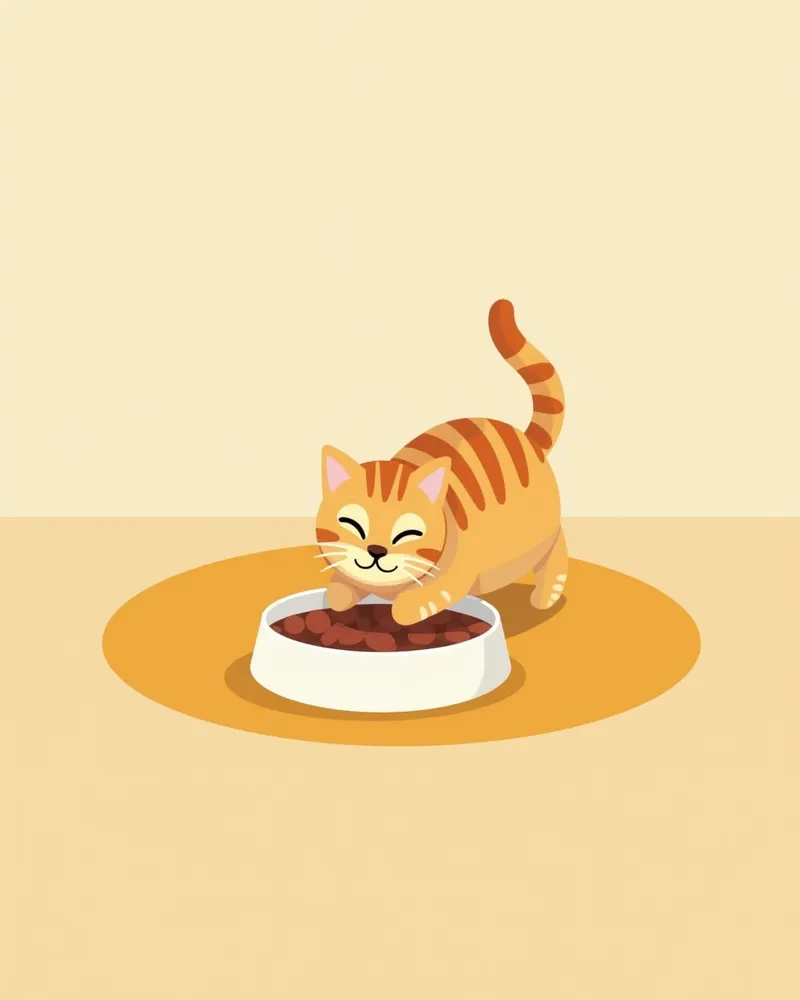
This food is optimized for cats in stages 2–3 of chronic kidney disease, where managing low protein and high potassium intake is key. It features a specialized blend of ingredients designed to support kidney function.
Low-protein formulation: Moderately restricts protein intake to reduce the workload on the kidneys.
High-potassium content: Helps address hypokalemia, which is common in stage 3.
Phosphorus control: Limits phosphorus intake to help prevent further kidney damage.
Enhanced dietary fiber: Supports digestive health and helps prevent constipation.
With its appealing taste and high palatability, it’s a great choice for long-term management.
A cat eating low-protein, high-potassium food.

BEST 3: Luna Care High-Calorie Stage 4 Specific Food

This is a high-calorie, low-protein, low-phosphorus diet formulated for cats in stage 4 kidney disease, with a focus on preventing weight loss and malnutrition.
High-calorie formulation: Provides over 100 kcal per day to prevent energy deficits.
Low-protein and low-phosphorus: A combination that places minimal burden on the kidneys.
Contains antioxidants: Helps alleviate anemia and inflammation.
High digestibility and absorption: Easily absorbed even by cats with compromised digestive function.
Recommended by veterinarians as a specialized diet for stage 4 kidney disease, it is effective for long-term nutritional management.
A stage 4 cat eating high-calorie food

Comparison Table of BEST 1–3 Foods

ItemBEST 1: Premium CareBEST 2: Liberty CareBEST 3: Luna Care
Stage Suitability1-42-34
ProteinModerateLow proteinLow protein
Phosphorus ContentControlledLow phosphorusLow phosphorus
Potassium ContentModerateHigh potassiumHigh potassium
CaloriesModerateModerateHigh calorie
Additional IngredientsAntioxidantsDietary fiberAntioxidants + digestive aids

This is a comparison table considering stage-specific suitability and nutritional balance. Choose after consulting with your veterinarian.

Caution: Adjusting Feeding Amounts is Essential for Stage 4 Cats

Cats in stage 4 experience significant loss of appetite and impaired digestive function. Overfeeding can lead to vomiting and abdominal distension. A veterinarian should determine the daily food allowance based on the cat’s weight and overall condition.

Usage Tips: Precautions When Transitioning by Stage
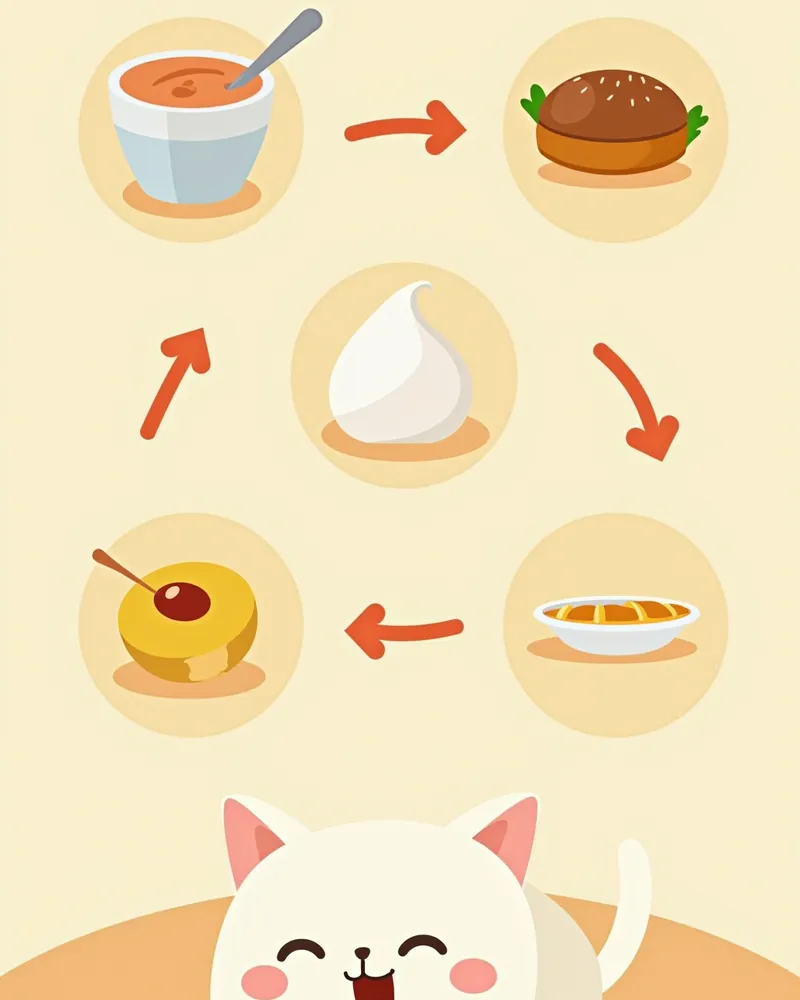
When transitioning to a stage-appropriate diet, it is important to make the change gradually. A sudden switch can cause digestive upset.
Week 1: Mix 70% of the current food with 30% of the new food
Week 2: Mix 50% of the current food with 50% of the new food
Week 3: Mix 30% of the current food with 70% of the new food
Week 4: Transition to 100% new food
During the transition, closely monitor your pet’s stool and appetite. If you notice any abnormalities, consult your veterinarian immediately.
Step-by-step infographic showing the process of transitioning a cat’s diet according to disease stage

Reviewed by a veterinarian

Dr. Tony — Punnawat Phongkittirak

Dr. Tony — Punnawat Phongkittirak

Veterinarian

A veterinarian who majored in veterinary medicine at Khon Kaen University, Thailand, and completed the IVSA program at North Carolina State University in the United States. Drawing on clinical experience at animal hospitals, he works in the pet healthcare field and is dedicated to building a digital care environment that connects pet parents with veterinarians.

Frequently Asked Questions

How is the IRIS staging classification determined?
The stage is determined as 1 through 4 based on blood tests (creatinine, SDMA) and urine tests (proteinuria). Your veterinarian will make the accurate diagnosis.
Do cats with stage 1 kidney disease also need dietary management?
Yes, stage 1 means there are no symptoms, but kidney function is slightly impaired. Early management can help slow the progression.
My cat won’t eat when I change its food at stage 3. What should I do?
To help your pet get used to the new food, gradually mix it with their current diet. You can also warm it up or add a flavor enhancer to make it more appealing.
Can I purchase IRIS stage-specific prescription diets at a pharmacy?
You can purchase them at most veterinary clinics and specialty pet shops. Your veterinarian can prescribe or recommend them.
For cats with stage 4 kidney disease, is liquid food also recommended?
Yes, liquid food is great for cats who have trouble eating. A veterinarian will recommend it based on their nutritional needs.

Share

Related Guides

References

[1] International Renal Interest Society (IRIS). (2023). IRIS Guidelines for the Management of Chronic Kidney Disease in Cats. www.iris-kidney.com

[2] The Cat, Clinical Medicine and Management, 2nd Edition. (2022). Chapter 12: Chronic Kidney Disease in Cats.

[3] Bregazzi VS, LaRue SM, McNiel E, et al. (2001). Treatment with combination of doxorubicin, surgery, and radiation versus surgery and radiation alone for cats with vaccine-associated sarcomas: 25 cases. J Am Vet Med Assoc.

This information is based on veterinary literature and does not replace diagnosis or treatment. Please consult a veterinarian for specific health concerns.

Metapet Co., Ltd. | CEO: Park Sung-yong | Business Reg. No. 417-88-02562 | Seoul, South Korea | Customer Center

Top 7 CKD Management Strategies for Cats by IRIS Stage | Meongsiljang