Like
Share
멍실장
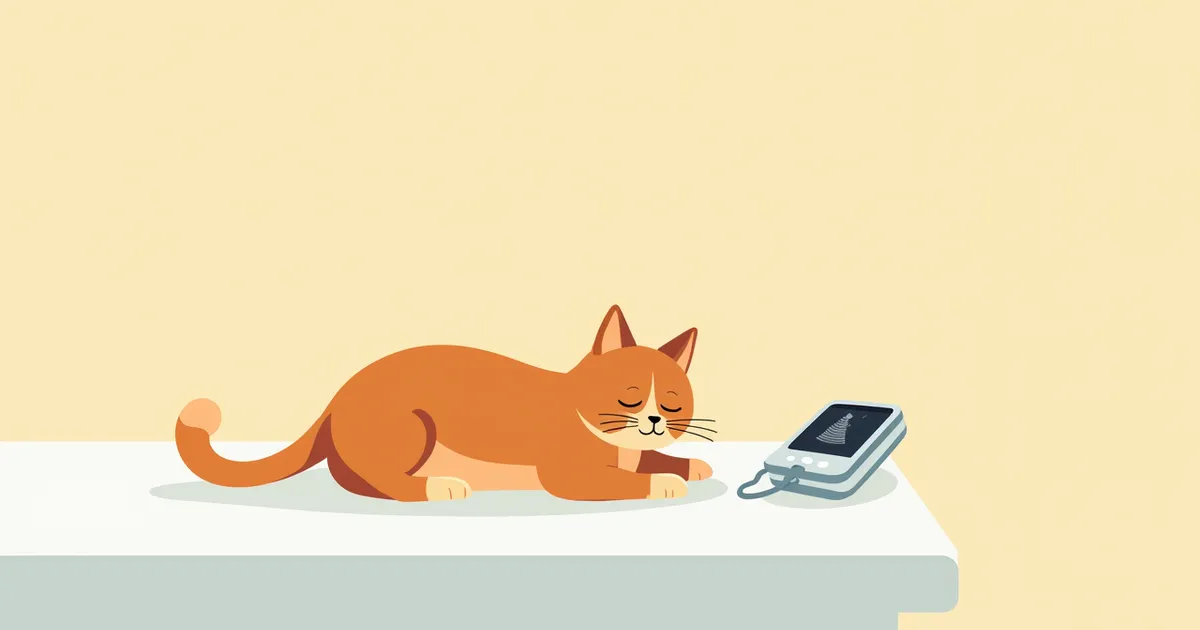
고양이가 수의사의 도움을 받아 간 초음파 검사를 받는 모습

Is a Liver Ultrasound Really Necessary for Your Cat? — 7 Things to Check Regarding Timing and Cost

Liver HealthTop PicksMeongsiljang Veterinary Advisory Board

Ultrasound examinations of the liver are a key tool for the early detection of liver disease in cats. Protect your cat’s liver health through regular check-ups and proper care.

Feline Liver Ultrasound: A Key Tool for Assessing Liver Health
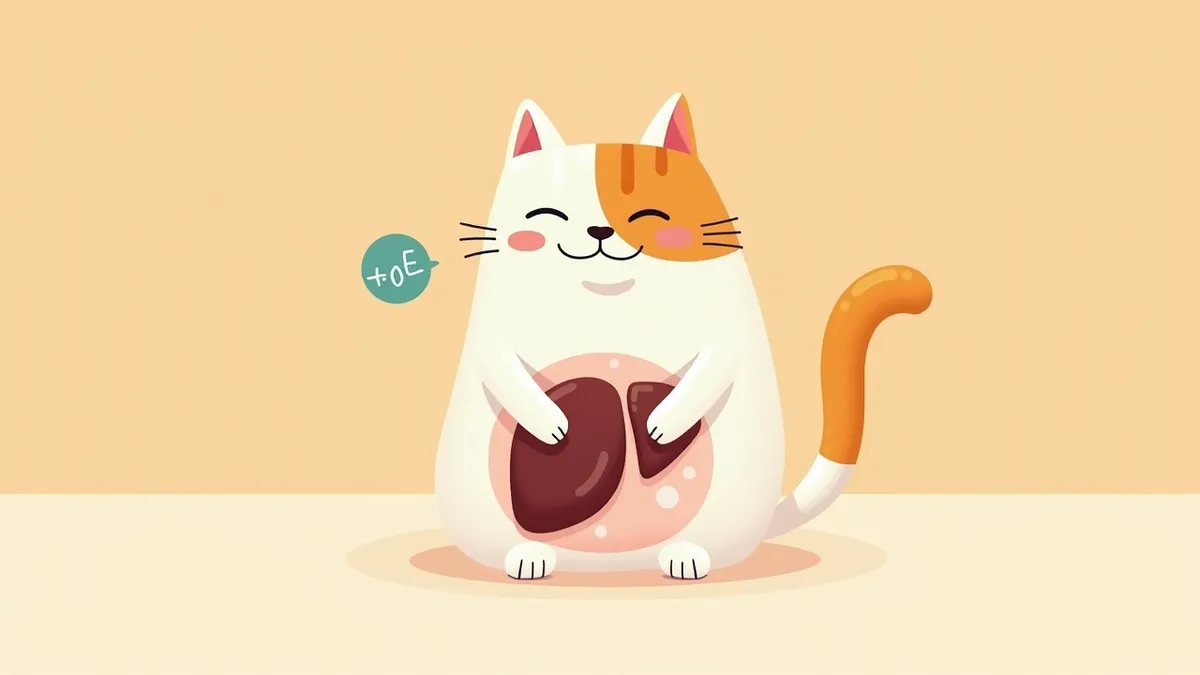
The appearance of a cat's liver on an ultrasound screen
Feline liver ultrasound is a valuable, non-invasive imaging test that allows us to examine the liver’s size, shape, texture, blood vessels and blood flow, and gallbladder condition. It helps identify abnormalities such as an enlarged liver or uniformly increased echogenicity of the parenchyma, but ultrasound findings alone are often insufficient to definitively diagnose a disease, and many conditions, such as cholangitis, may appear normal on ultrasound. Therefore, combining ultrasound with blood tests—such as liver enzymes (ALT, ALP) and bile acids—provides a more accurate assessment, and fine-needle aspiration or biopsy may be necessary for a definitive diagnosis. The procedure is non-invasive and minimally stressful, performed in a quiet environment to keep your cat calm. After the exam, we’ll review the findings and discuss the next steps for management. Integrating imaging and blood work offers a more comprehensive approach to evaluating liver health and guiding ongoing care.

5 Criteria for Recommending a Feline Liver Ultrasound
When choosing an ultrasound for your cat’s liver, consider factors such as accuracy, safety, convenience, cost, and the clinic’s expertise. The veterinarian’s experience and the up-to-date nature of the equipment are also important. Make sure the clinic provides adequate care and clear explanations before and after the procedure.
High-accuracy equipment: Uses high-resolution probes and advanced image processing technology.
Veterinary expertise: Performed by a veterinarian with extensive experience in diagnosing liver diseases.
Safe examination environment: Features a quiet space and a comfortable examination table to minimize stress.
Regular equipment maintenance: Undergoes periodic checks to ensure the reliability of test results.
Detailed report provision: Offers specific explanations alongside image interpretation.
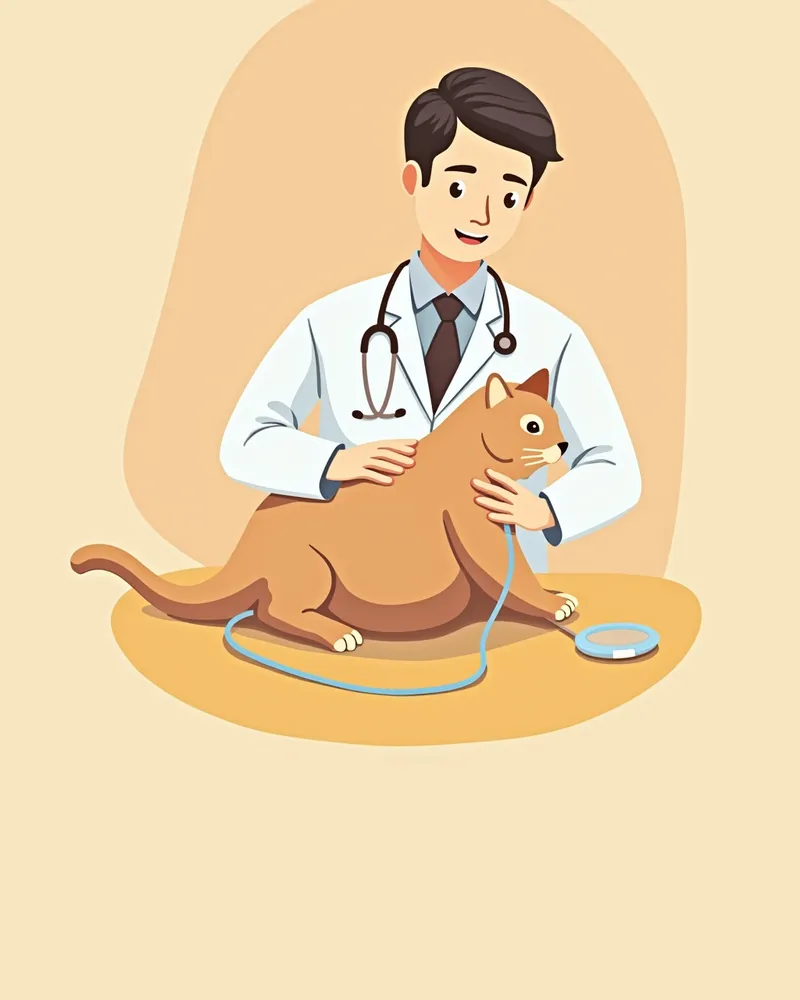
A veterinarian placing an ultrasound probe on a cat's abdomen

Check 1: Is the Exam Performed and Interpreted by a Veterinarian Specializing in Liver Disease?
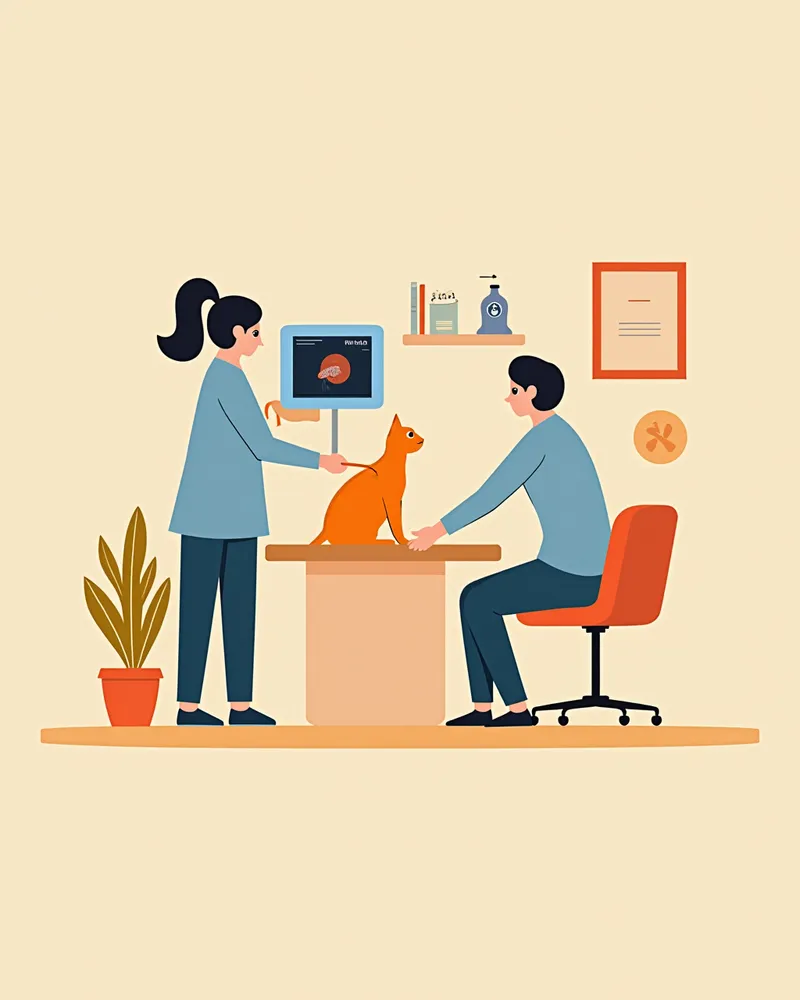
Liver ultrasounds require detailed evaluation of the liver’s size, shape, parenchymal texture, and the condition of the gallbladder and blood vessels, so it’s best to choose a clinic where an experienced veterinarian personally performs and interprets the exam. The liver can develop various abnormalities, including masses, gallbladder mucoceles, and portosystemic shunts, and without sufficient experience, it’s easy to confuse normal variations with pathological lesions. When selecting a clinic, check whether they regularly perform abdominal ultrasounds and provide direct explanations of the results. The examiner’s skill level directly impacts diagnostic accuracy.
A cat undergoing an ultrasound examination at a modern veterinary clinic.

Check 2: Is It Evaluated Along with Liver Function Blood Tests?
Ultrasound images show only the liver’s structure, not how well it’s actually functioning, so blood tests—such as liver enzymes (ALT, ALP, etc.) and bile acids—are essential for an accurate assessment. This is because the liver’s function can be impaired even if the ultrasound appears normal, or conversely, blood values may be elevated while the structure looks fine. Choosing a clinic that performs blood tests alongside imaging and interprets the results together will significantly improve early detection and help pinpoint the underlying cause.
The cat resting comfortably after completing an ultrasound examination.

Check 3: Do They Provide a Post-Exam Report and Management Plan?

With liver ultrasounds, how you manage and monitor your pet afterward matters more than a single scan result. Choose a clinic that provides a clear report summarizing the findings, along with guidance on any additional tests, follow-up intervals, and dietary or medication management. This makes it much easier for you to prepare for the next steps. If the scan reveals masses or shunts that require further imaging, such as a CT scan, or a specialist referral, confirm that the clinic can coordinate consultations or referrals for you. Clinics that offer thorough post-exam guidance typically ensure more stable long-term care.
Schedule for regular ultrasound exams to monitor your cat’s liver health

Checklist for Choosing a Clinic for a Liver Ultrasound

ItemRecommended Criteria
ExpertiseA place where a veterinarian experienced in liver disease personally performs testing and interpretation
Integrated AssessmentA place that interprets results together with liver function blood tests
Follow-up GuidanceA place that provides test reports and management plans
Result InterpretationA place where the veterinarian personally explains test results and guides the management plan
Cost GuidanceA place that informs in advance of estimated costs and the possibility of additional tests before testing

This is not a table recommending specific clinics, but criteria worth checking when choosing a clinic to entrust with testing. Prices and detailed programs vary by clinic, so inquire directly before visiting.

Caution: Fasting May Be Required Before the Exam

Before a liver ultrasound, your cat may need to fast for a specific period to prevent gastrointestinal gas from obscuring the images. The required fasting duration and method vary depending on the clinic and your cat’s condition, so please confirm the exact instructions with your veterinarian beforehand. Even if fasting isn’t necessary, be sure to follow your vet’s guidance prior to the exam.

Tips for Feline Liver Ultrasound Exams
To help reduce your cat’s stress, it’s best to have the exam done in a familiar, everyday setting. During the procedure, gently encourage your cat to stay calm and still. Afterward, be sure to listen carefully to your veterinarian’s explanation and ask whether any follow-up tests or management steps are needed. Regular check-ups can help you keep your cat’s liver health in good shape over time.
Minimizing pre-exam stress: Conduct the exam in a familiar environment.
Maintaining a calm posture during the exam: Gently guide your cat to remain still and quiet.
Reviewing post-exam instructions: Listen to and take notes on the results and any recommended care plan.
Establishing a routine check-up schedule: This helps ensure ongoing liver health management.
A cat resting comfortably after completing an ultrasound examination.

Reviewed by a veterinarian

Dr. Tony — Punnawat Phongkittirak

Dr. Tony — Punnawat Phongkittirak

Veterinarian

A veterinarian who majored in veterinary medicine at Khon Kaen University, Thailand, and completed the IVSA program at North Carolina State University in the United States. Drawing on clinical experience at animal hospitals, he works in the pet healthcare field and is dedicated to building a digital care environment that connects pet parents with veterinarians.

Frequently Asked Questions

Does an ultrasound of a cat's liver cause pain?
No, liver ultrasound exams are painless. Since ultrasounds are non-invasive tests that use sound waves, they place minimal stress on cats.
How long does the test take?
The procedure itself usually takes about 20 to 30 minutes. Including time for pre-test preparation and post-test explanations, the entire visit will take around 40 minutes.
Would it be better to have this done alongside a liver function test?
Yes, it's best to perform this test alongside a liver function test. Evaluating both liver function and structure simultaneously improves diagnostic accuracy.
Which cats should have a checkup?
It’s a good idea for cats with a history of chronic liver disease or symptoms of liver dysfunction (such as decreased appetite, vomiting, or jaundice) to undergo testing.
Is there anything special I need to do after the test?
No special care is needed after the test. Just listen to the veterinarian’s explanation and proceed with any additional tests or treatments if necessary.

Share

Related Guides

References

[1] Textbook of Cardiovascular Medicine in Dogs and Cats, 2022, Elsevier

[2] Small Animal Critical Care Medicine, 3rd Ed, 2021, Wiley-Blackwell

[3] Feline Emergency and Critical Care Medicine, 2nd Ed, 2020, Elsevier

This information is based on veterinary literature and does not replace diagnosis or treatment. Please consult a veterinarian for specific health concerns.

Metapet Co., Ltd. | CEO: Park Sung-yong | Business Reg. No. 417-88-02562 | Seoul, South Korea | Customer Center

Does Your Cat Need a Liver Ultrasound? 7 Timing & Cost Tips | Meongsiljang