
Like
Share
멍실장
고양이 당뇨 식이 관리 관리 추천 BEST와 고르는 기준 총정리

The Ultimate Guide to Recommended Diets and Selection Criteria for Feline Diabetes Management

EndocrineTop PicksMeongsiljang Veterinary Advisory Board

The cornerstone of managing feline diabetes is dietary control. It is essential to select an appropriate diet and maintain proper nutritional balance.

Dietary Management is the Cornerstone of Feline Diabetes Treatment

A cat eating low-carbohydrate wet food
Feline diabetes is a chronic endocrine disorder that most often presents in a form similar to type 2 diabetes in humans. In this condition, dietary management is one of the most critical components of care, working hand in hand with insulin therapy. - High-protein, low-carbohydrate diet: Protein helps prevent muscle loss, while reducing carbohydrates—particularly simple sugars and starches—supports blood glucose control and increases the likelihood of diabetic remission. - Wet (canned) food with high moisture content: Canned diets can aid in weight management, and maintaining an ideal body weight is essential for improving insulin sensitivity. - Carefully review the ingredient list: Check for ingredients that may interfere with insulin regulation, such as fructose, trans fats, and monosodium glutamate (MSG). - Maintain stable blood glucose levels: A low-carbohydrate diet can lead to changes in insulin requirements and even the possibility of remission. Therefore, dietary management is not merely about choosing what to feed, but is central to your cat’s overall health care.

6 Key Selection Criteria You Must Know

When selecting a diabetic diet for your cat, it’s best to follow these guidelines. Each factor directly impacts the diet’s effectiveness, so be sure to check them carefully.
High-protein, low-carbohydrate: This combination helps maintain muscle mass and stabilize blood sugar levels. Carbohydrates should ideally be less than 20% on a dry matter basis (DMB).
Appropriate fat levels and weight management: Rather than simply reducing fat, diabetic prescription diets aim for an appropriate fat level (approximately 12–25% on a dry matter basis). Managing your cat’s weight is crucial for improving insulin sensitivity.
Low sugar: Products low in simple sugars and starch help prevent rapid spikes in blood glucose.
High moisture (canned food): Canned foods with higher moisture content can be advantageous for weight management.
Check additives: It’s best to avoid ingredients that may interfere with insulin regulation, such as fructose, trans fats, and MSG.
Includes dietary fiber: Dietary fiber can help improve insulin sensitivity and moderate post-meal blood sugar spikes.
Cat food label comparison image (protein, carbohydrates, sugar)

BEST 1: Premium Wet Food for Feline Diabetes

This product is a low-carbohydrate wet food specially formulated for managing feline diabetes. With a very high protein content of 52% and an extremely low carbohydrate level of 1.8%, it is ideal for blood sugar control. - 80% moisture content: Helps maintain kidney health and reduces the risk of dehydration. - No artificial additives: Completely free from artificial colors, preservatives, and flavorings for enhanced safety. - High-protein formula: Supports muscle maintenance and provides energy. - High digestibility: Features a texture that cats naturally find easy to eat. As a veterinarian-recommended product, it is recognized for its effectiveness in diabetes management.
Product image of a canned wet food specially formulated for cats with diabetes

BEST 2: Low-Carbohydrate, High-Protein Dry Food
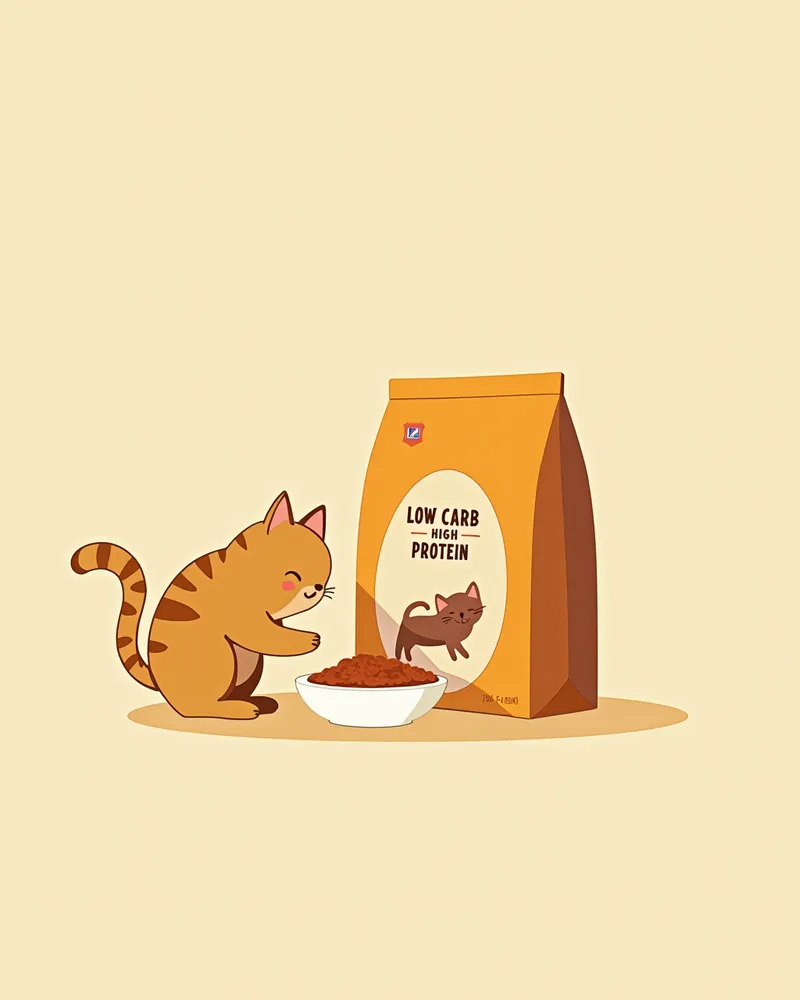
This low-carbohydrate, high-protein dry food is a diabetes-specific formula made exclusively with natural ingredients. It contains no artificial additives, relying instead on natural components such as chicken, tomatoes, and broccoli. - 48% protein content: Supports muscle maintenance and energy supply. - 3.5% carbohydrate content: This is relatively low for a dry food, making it suitable for blood sugar control. - 10% moisture content: As with all dry foods, the moisture level is low. Please supplement your pet’s water intake by providing fresh drinking water or wet food. The formula includes probiotics and omega-3 fatty acids to support digestive health and immunity. Its texture is designed to be naturally appealing to cats, making it a suitable choice for long-term management.
Image of a bag of low-carbohydrate dry cat food for diabetic cats

BEST 3: Diabetes-Specific Food Made with Natural Ingredients

This diabetes-specific diet is made exclusively from natural ingredients. It contains no artificial additives and features natural components such as chicken, tomatoes, and broccoli, with a very low carbohydrate content of 2.1%. - 50% Protein: Helps prevent muscle loss and supports energy supply. - 78% Moisture Content: Protects kidney function and reduces the risk of dehydration. - Natural Texture: Designed with a texture that is easy for cats to eat without discomfort. - Balanced Nutrition: Contains a balanced mix of various vitamins and minerals. It provides the natural taste and nutrition needed to support the health of diabetic cats.
Image of cat diabetes food made with natural ingredients

Comparison Table of BEST 1–3 Feline Diabetes Diets

ItemBEST 1 Wet FoodBEST 2 Dry FoodBEST 3 Natural Food
Protein content52%48%50%
Carbohydrate content1.8%3.5%2.1%
Moisture content80%10%78%
Artificial additivesNoneNoneNone
Additional ingredientsOmega-3, probioticsOmega-3, probioticsDietary fiber, antioxidants

All products meet veterinarian-recommended standards and should be selected according to the cat's weight and health condition.

Caution: Points to Note When Transitioning Diets

Switching diets abruptly can cause sudden blood sugar fluctuations, so a gradual transition is safer. Over about seven days, mix in new food at a rate of one-quarter per day until the switch is complete. Sudden changes can also cause stress.

Tips: How to Encourage Your Cat to Eat

Even if you switch to a therapeutic diet, it won’t help if your cat refuses to eat it. Try these tips to encourage eating:
Adjust the temperature: Warming wet food enhances its aroma, making it more appealing to cats.
Stick to a schedule: Feeding at the same time each day helps regulate your cat’s circadian rhythm.
Small, frequent meals: Offering smaller portions several times a day can help stabilize blood sugar levels.
Create a calm environment: Feeding in a quiet, secure spot reduces stress.
Positive reinforcement: Reward your cat with praise or treats when they eat well to encourage positive behavior.
A cat eating its food in a quiet environment

Reviewed by a veterinarian

Dr. Tony — Punnawat Phongkittirak

Dr. Tony — Punnawat Phongkittirak

Veterinarian

A veterinarian who majored in veterinary medicine at Khon Kaen University, Thailand, and completed the IVSA program at North Carolina State University in the United States. Drawing on clinical experience at animal hospitals, he works in the pet healthcare field and is dedicated to building a digital care environment that connects pet parents with veterinarians.

Frequently Asked Questions

How many times a day should you feed a diabetic cat its prescribed diet?
For stable blood sugar levels, it’s best to divide the daily amount into 2–3 small portions. Adjust the schedule to match your cat’s daily routine.
Which is better, wet food or dry food?
Wet food is beneficial for hydration and helps regulate blood sugar, while dry food is more convenient to store. Choose based on your cat’s preferences and health condition.
Do I need to adjust the insulin dosage when changing my pet’s diet?
Changing your pet’s diet can affect blood sugar levels, so always consult your veterinarian before adjusting insulin dosage. Never make this decision on your own.
Is raw food really safe?
Raw food diets are safe because they contain no artificial additives, but you must ensure they are nutritionally balanced. Only choose products recommended by your veterinarian.
What should I do if my pet won’t eat the dietary supplement?
If your cat seems uninterested, try slightly enhancing the aroma or adjusting the temperature. If they still refuse to eat it, consult your veterinarian about alternative options.

Share

Related Guides

References

[1] The Dog Care Handbook, Things I Wish My Vet Had Told Me, 2023

[2] Clinical Medicine of the Dog and Cat, 4th Ed, 2021

[3] Notes on Canine Internal Medicine, 4th Ed, 2020

This information is based on veterinary literature and does not replace diagnosis or treatment. Please consult a veterinarian for specific health concerns.

Metapet Co., Ltd. | CEO: Park Sung-yong | Business Reg. No. 417-88-02562 | Seoul, South Korea | Customer Center

Best Diets for Feline Diabetes: Recommendations & Criteria | Meongsiljang