
7 Symptoms and Management Tips for Canine Hypothyroidism Recommended by Veterinarians
Canine hypothyroidism is an endocrine disorder caused by a hormonal imbalance, leading to decreased energy levels and obesity. Proper management and selecting the right nutritional supplements are key.
What Is Canine Hypothyroidism?
Key Criteria for Selecting Management Products for Canine Hypothyroidism
BEST 1: Premium Levothyroxine Capsules (Levothyroxine 25μg)
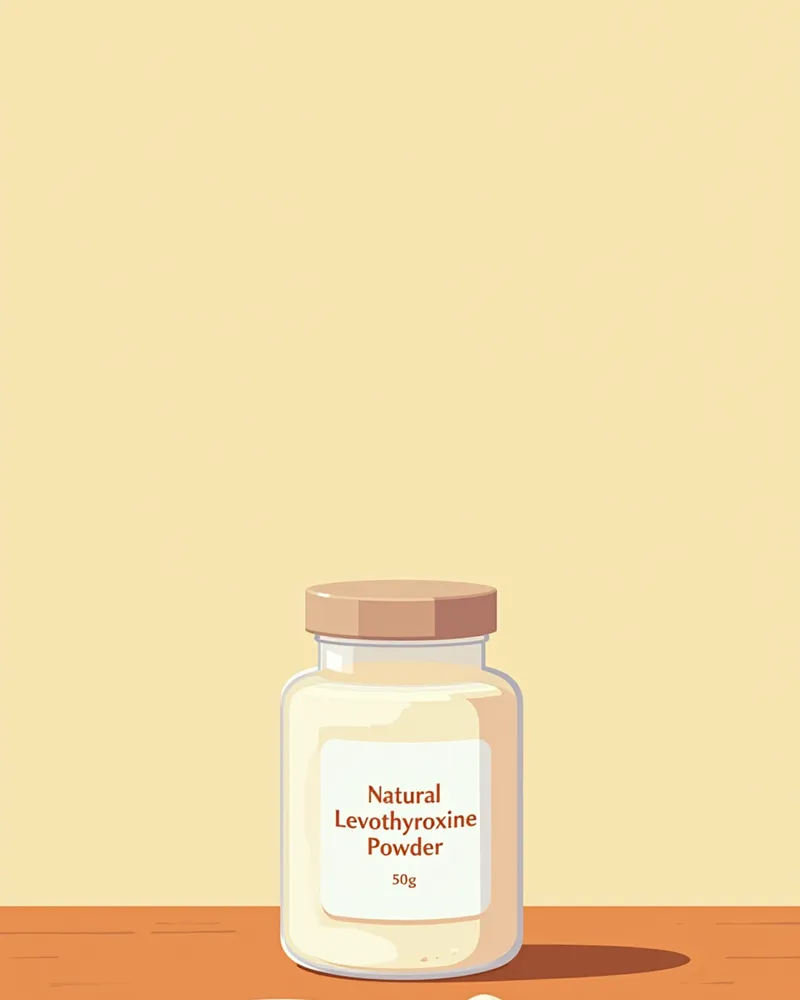
BEST 2: Natural Ingredient Levothyroxine Powder (Levothyroxine 50μg)
BEST 3: Combination Supplement Levothyroxine Capsules (Levothyroxine 25μg + Vitamins)

Comparison Table of Products BEST 1–3
| Item | BEST 1 Capsule | BEST 2 Powder | BEST 3 Combination Formula |
|---|---|---|---|
| Levothyroxine Content | 25μg | 50μg | 25μg |
| Formulation | Capsule | Powder | Capsule |
| Additional Ingredients | None | Centered on natural ingredients | Includes B-complex vitamins, Zinc |
| Ease of Administration | Moderate | High | High |
| Recommended For | Early-stage management | Decreased appetite | Overall health improvement |
The veterinarian adjusts the dosage according to body weight and condition. Always consult before administering.
Precautions and Contraindications
An overdose of levothyroxine can strain the heart and cause insomnia. A veterinarian must determine the correct dosage. Additionally, dogs with heart disease require thorough testing before starting treatment.
Usage Tips and Management Points
Reviewed by a veterinarian

Dr. Tony — Punnawat Phongkittirak
VeterinarianA veterinarian who majored in veterinary medicine at Khon Kaen University, Thailand, and completed the IVSA program at North Carolina State University in the United States. Drawing on clinical experience at animal hospitals, he works in the pet healthcare field and is dedicated to building a digital care environment that connects pet parents with veterinarians.
Reviewed 2026-06-01
Frequently Asked Questions
Can hypothyroidism in dogs be cured?
Will symptoms return if I stop giving the supplement?
Is it okay to mix the supplement into my pet’s food?
Is it okay to give my pet supplements that weren’t prescribed by a veterinarian?
Which breeds are most prone to hypothyroidism?
Share
Related Guides
Top 5 Prescription Dog Foods for Diabetes Recommended by Veterinarians — Blood Sugar-Stabilizing Food Comparison
7 Key Products for Managing Feline Hypercalcemia Recommended by Veterinarians and Selection Criteria
7 Key Points for Canine Thyroid T4 Testing by Veterinarians — From Timing to Result Interpretation
7 Key Points for Managing Canine Hypertensive Retinopathy Highlighted by Veterinarians
7 Essential Emergency Management Tips for Canine Proptosis You Can’t Afford to Miss
Medication and Surgical Treatment for Canine Glaucoma — 7 Key Selection Criteria and Management Essentials
7 Key Symptoms and Management Essentials for Canine Glaucoma Recommended by Veterinarians
Dog Fluorescein Corneal Stain Test — 7 Key Points for Detecting Corneal Injuries
7 Key Points for Managing Canine Eyelid Tumors, According to Veterinarians
7 Key Points for Managing Entropion in Dogs Recommended by Veterinarians
References
[1] Peterson ME, et al. (2008) Canine hypothyroidism: clinical features, diagnosis, and treatment. Journal of Veterinary Internal Medicine, 22(4), 859–867.
[2] Krause KM, et al. (2015) Thyroid hormone replacement therapy in dogs: a review of levothyroxine use and monitoring. Veterinary Medicine and Science, 1(1), 12–20.
[3] American College of Veterinary Internal Medicine (ACVIM). (2020) Consensus statement on the diagnosis and management of canine hypothyroidism. Journal of Veterinary Internal Medicine, 34(5), 1678–1688.