
Top Microchip Implantation Management Recommendations for Dogs and Key Selection Criteria
Microchipping your dog is essential for quickly reuniting with them if they get lost. We’ve compiled our top product recommendations and key selection criteria to ensure safe, effective microchip implantation and ongoing management.
Microchip Implantation for Dogs is the Key to Recovery if Lost

5 Criteria for Choosing a Microchip
BEST 1: AVID ID-1000 Microchip (International Standard Compatible)
BEST 2: HomeAgain Microchip (U.S.-Made, Biocompatible Materials)

BEST 3: PetLink Microchip (Cost-Effective Choice)
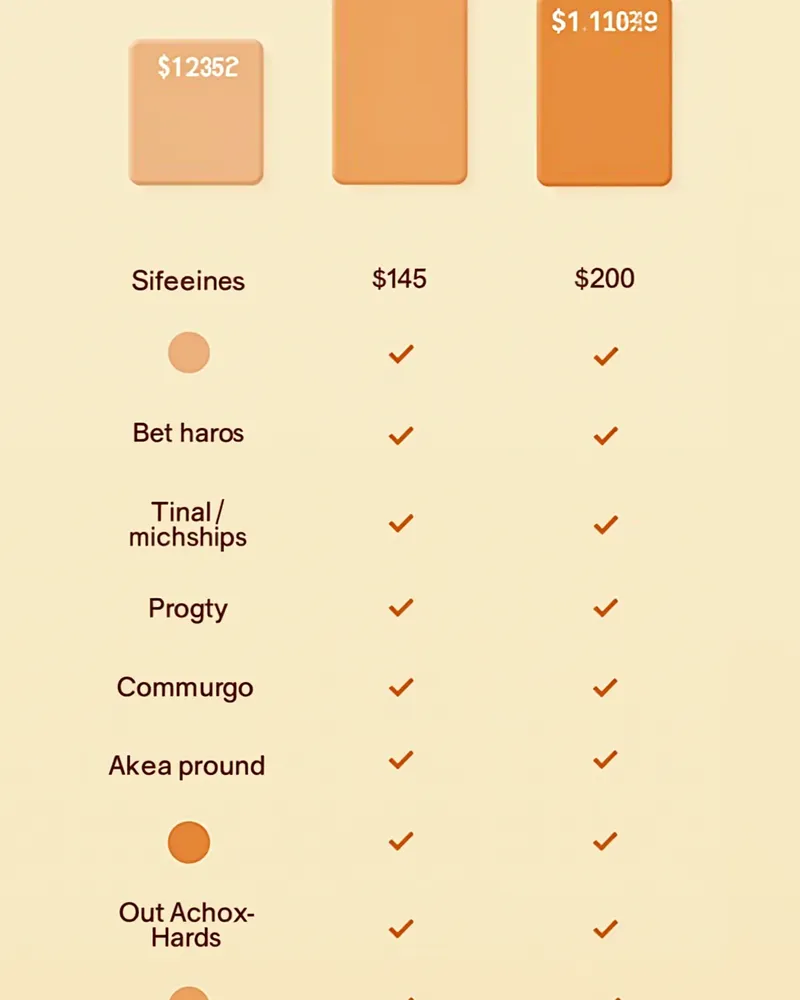
Comparison Table of BEST 1–3 Microchips
| Item | AVID ID-1000 | HomeAgain | PetLink |
|---|---|---|---|
| International Compatibility | ✅ Meets ISO standards (varies by scanner) | ⚠ Some limitations | ⚠ Some limitations |
| Biomaterial Use | ✅ Used | ✅ Used | ✅ Used |
| Lifespan | Powerless structure (actual lifespan varies by environment and device) | Powerless structure (actual lifespan varies by environment and device) | Powerless structure (actual lifespan varies by environment and device) |
| Scan Distance | Varies by device and standard | Varies by device and standard | Varies by device and standard |
| Price (Korea) | About $30 | About $20 | About $20 |
International compatibility refers to the degree to which it can be scanned by compatible scanners, and varies depending on the scanner you have. With any product, it is best to always scan after insertion to confirm it is properly recognized.
A Scan Test is Essential After Implantation
After the microchip is implanted, the veterinarian must perform a scan test to ensure the chip is functioning properly and that the registration information is accurate. If the chip is implanted without testing, it may not be possible to locate your pet if it gets lost.
5 Tips for Microchip Care After Implantation

Reviewed by a veterinarian

Dr. Tony — Punnawat Phongkittirak
VeterinarianA veterinarian who majored in veterinary medicine at Khon Kaen University, Thailand, and completed the IVSA program at North Carolina State University in the United States. Drawing on clinical experience at animal hospitals, he works in the pet healthcare field and is dedicated to building a digital care environment that connects pet parents with veterinarians.
Reviewed 2026-06-29
Frequently Asked Questions
Is a microchip harmful to a dog's body?
Where can a microchip be found if my pet is lost?
How long does a microchip last?
Are the microchips used in Korea internationally scannable?
Will my pet experience severe pain after the microchip is implanted?
Share
Related Guides

Top Recommendations and Selection Criteria for Cat FIV and FeLV Testing

Complete Guide to Choosing, Comparing, and Managing the Best Heartworm Preventives for Dogs

The Ultimate Guide to Cat Microchip Management: Top Recommendations and Selection Criteria

Top Recommended Cat Pheromone Therapy Products and Selection Criteria: A Complete Guide

Comprehensive Guide to Recommended Management for Excessive Meowing in Cats and Selection Criteria

Anxious Cat After Moving — Top 7 Strategies to Alleviate Environmental Change Stress and Selection Criteria

7 Best Feline Behavior Modification Medications Recommended by Veterinarians — Criteria for Choosing to Manage Anxiety and Aggression

7 Key Management Strategies for Feline Asthma and Product Selection Criteria Highlighted by Veterinarians

Best Cat Eye Health Supplements for Tear Stains and Dry Eyes: Recommendations and Selection Criteria

The Best Senior Cat Supplements and Selection Criteria: A Complete Guide