
Like
Share
멍실장
노령견 사료, 언제부터 바꿔야 할까? — 수의사가 말하는 5가지 선택 기준

When Should You Switch to Senior Dog Food? — 5 Selection Criteria from a Veterinarian

DigestiveTop PicksMeongsiljang Veterinary Advisory Board

When choosing food for senior dogs, look for formulas with highly digestible protein, appropriate calorie levels, and ingredients that support joint and organ health. We’ve outlined the selection criteria and feeding guidelines based on veterinary nutrition textbooks.

What Criteria Should You Use to Choose Senior Dog Food?

A healthy senior dog sitting next to its food bowl
Senior dog food should focus on highly digestible, high-quality protein, appropriate calorie levels, and ingredients that support joint and organ health. After age 7, dogs experience muscle loss and reduced digestive efficiency, making it difficult to meet their nutritional needs with adult dog food. If your small-breed dog is over 10 years old or your large-breed dog is over 7, it’s time to reassess their current diet.

When Does My Dog Become a Senior?

The age at which a dog enters its senior years varies by size.
Large and Giant Breeds: Veterinary nutrition textbooks generally consider large and giant breeds to enter their geriatric stage around 5 years of age. Larger dogs tend to begin aging relatively earlier.
Small and Medium Breeds: Small and medium breeds are typically classified as seniors at 7 years of age or older. The same 7-year benchmark applies to all cats.
However, textbooks emphasize that chronological age is not a reliable indicator of actual physiological aging. Because individual dogs can vary significantly in organ function and aging rate even at the same age, the most accurate way to determine when your pet becomes a senior is to consult your veterinarian during regular health check-ups.

Why Senior Dogs Need Specialized Food

As dogs age, their bodies undergo various changes. Understanding these changes is key to selecting the right food.
Weight changes: Reduced activity levels can lead to weight gain, but unintended weight loss is also common in senior dogs. Rather than assuming one outcome, it’s important to manage their diet to maintain a lean body condition.
Digestive and nutrient utilization changes: Aging can affect a dog’s ability to digest and utilize nutrients.
Muscle mass loss: Decreased protein synthesis can lead to muscle loss, making it more important to provide high-quality, easily digestible protein.
Joint and organ aging: The risk of chronic diseases increases with age.
According to veterinary nutrition textbooks, senior dogs should maintain a lean body condition while receiving adequate amounts of high-quality, easily digestible protein.
Illustration of a senior dog receiving care from its owner

5 Key Criteria to Check When Choosing Senior Dog Food

High-quality protein: Check that animal-based protein is listed as the first ingredient. Senior dogs especially need easily digestible, high-quality protein to maintain muscle mass.
Appropriate calorie intake and body condition management: It’s best for senior dogs to maintain a lean body condition. If your dog is gaining weight, adjust the calorie content; if losing weight, adjust the feeding amount to ensure they receive all essential nutrients.
Joint-supporting ingredients: Look for ingredients known to support joint health, such as glucosamine and chondroitin.
Omega-3 fatty acids: Omega-3s (particularly EPA and DHA) help reduce inflammatory responses and have been shown to help minimize muscle loss in senior dogs. They also benefit skin and coat health.
Digestive and gut health: Diets containing an appropriate amount of dietary fiber can help promote satiety and support healthy stool consistency.

What to Keep in Mind When Changing Food

Senior dogs have weaker digestive systems, so abruptly changing their food can cause vomiting or diarrhea. Transition to the new food by gradually mixing it with their current food over 7–10 days. Start with 25% new food for the first 2–3 days, and if there are no issues, slowly increase the proportion. If stool quality worsens during the transition, slow down the process, and consult your veterinarian if symptoms persist.

A Quick Look at Important Nutrients for Senior Dogs

When choosing food for senior dogs, check that it contains adequate amounts of the following nutrients.
NutrientFunctionWhat to Look For
ProteinMaintains muscle massAnimal-based ingredients listed as the first ingredient
Omega-3Reduces inflammation, supports skin and coat healthListed EPA and DHA content
GlucosamineSupports joint healthIncluded in senior dog formulas
Dietary fiberPromotes digestive health and satietyIncluded in appropriate amounts
AntioxidantsSupports immune functionVitamins E and C, selenium
L-carnitineInvolved in fat metabolismIncluded in senior and weight management formulas

Dry Food vs. Wet Food: Which Is Better?

Dry food: Dry kibble is convenient to store, and some formulas can support dental hygiene. However, not all dry foods offer this benefit, and senior dogs with weakened teeth may struggle to chew hard kibble. In such cases, you can soften the food by lightly soaking it in water.
Wet food: With a high moisture content of approximately 75%, wet food is beneficial for senior dogs that don’t drink enough water. It also tends to be highly palatable, making it a good option for dogs who have lost their appetite because they dislike the taste or texture of dry kibble.
Mixed feeding: Combining dry and wet food allows you to balance hydration, palatability, and storage convenience. The best choice depends on your dog’s dental health and personal preferences.
An illustration comparing dry and wet food for senior dogs

How Much and How to Feed Senior Dog Food?
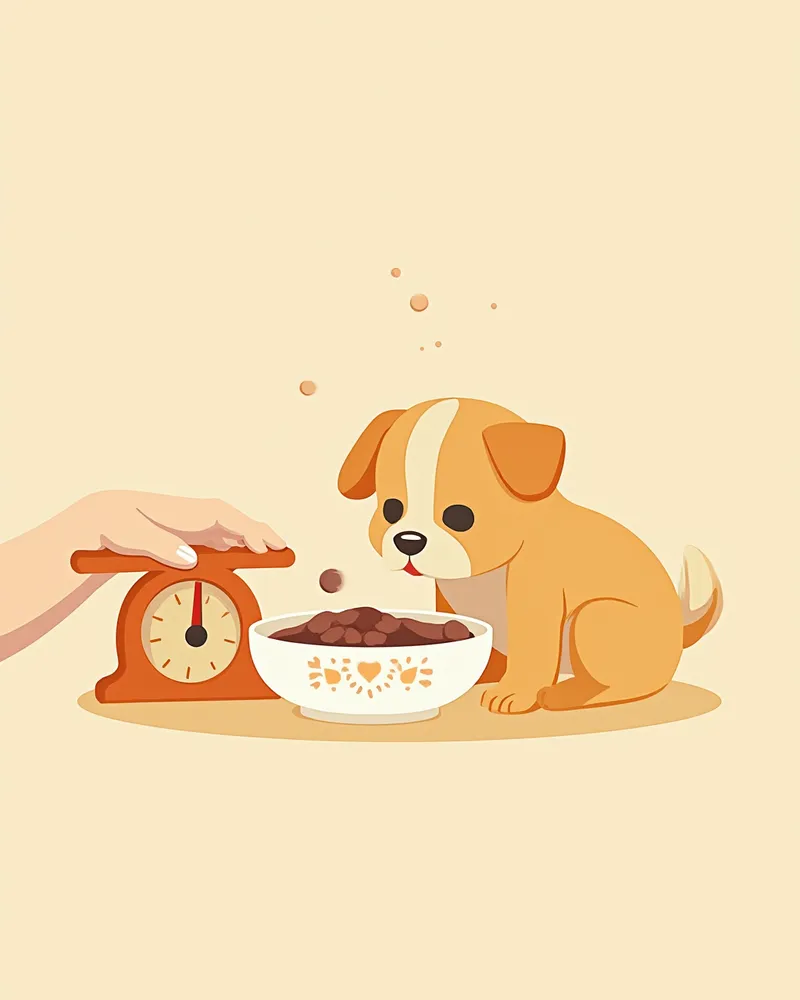
For senior dogs, splitting their daily food into two to three smaller meals can help reduce the digestive burden of eating a large amount at once. Base the portion size on the weight-based recommendations printed on the food packaging, but adjust it according to your dog’s activity level and body condition. Veterinary nutrition textbooks recommend reviewing the feeding plan at every regular check-up and adjusting it to match your dog’s body condition, life stage, and overall health. Senior dogs may gain weight or, conversely, lose weight unintentionally, so rather than assuming one trend, it’s best to adjust portions to help maintain a lean, healthy body condition. Always provide fresh, clean water. The most accurate portion size is best determined in consultation with your veterinarian, who knows your dog’s individual health status.
Illustration of a senior dog receiving an appropriate amount of food

Senior Dogs with Underlying Conditions Must Consult a Veterinarian

Senior dogs with underlying conditions such as kidney disease, heart disease, or diabetes may not be suitable for standard senior dog food. For example, if there are issues with the kidneys or heart, the amounts of nutrients like protein, phosphorus, and sodium may need to be specifically adjusted. However, whether protein should always be restricted in senior dogs is a topic of debate even in textbooks, so owners should not make this decision on their own. If there are underlying conditions, always feed therapeutic diets (prescription diets) according to a veterinarian's diagnosis and prescription. Prescription diets differ in nutritional composition from regular pet food, so they should never be given at the owner's discretion.

Reviewed by a veterinarian

Dr. Tony — Punnawat Phongkittirak

Dr. Tony — Punnawat Phongkittirak

Veterinarian

A veterinarian who majored in veterinary medicine at Khon Kaen University, Thailand, and completed the IVSA program at North Carolina State University in the United States. Drawing on clinical experience at animal hospitals, he works in the pet healthcare field and is dedicated to building a digital care environment that connects pet parents with veterinarians.

Frequently Asked Questions

At what age should I start feeding my dog senior dog food?
Veterinary nutrition textbooks generally consider large and giant breed dogs to enter their senior years around age 5, while small and medium breed dogs, as well as all cats, are considered seniors at age 7 and older. Because larger breeds tend to age more quickly, it’s advisable to consider transitioning large breed dogs to senior formulas earlier. However, since chronological age alone doesn’t always accurately reflect an individual pet’s aging status, please consult your veterinarian to determine the best timing for your pet.
Is it okay to keep feeding my adult dog food?
Keeping senior dogs lean is beneficial, but if their calorie intake exceeds their activity level, weight management can become challenging. Additionally, the nutritional balance for senior dogs, particularly the need for high-quality protein, may differ from that of adult dogs. It is advisable to switch to a senior-specific diet and adjust the portion size according to their body condition.
My senior dog isn’t eating his food well. What should I do?
For senior dogs with a decreased appetite, mixing in wet food or slightly soaking dry kibble in warm water can make it more appealing. If the loss of appetite persists, it could be due to dental issues or internal medical conditions, so please consult your veterinarian.
Do I need to give my senior dog separate nutritional supplements?
If your senior dog is doing well on a senior-specific diet, their basic nutritional needs are likely being met. However, if they have joint issues or other specific health concerns, adding ingredients like omega-3 fatty acids—which have been shown to help reduce inflammation and muscle loss—can be beneficial. You may also consider joint-support supplements such as glucosamine. Always consult with your veterinarian before starting any supplements.
Are senior dog food and prescription diets different?
Yes, they are different. Senior dog food is a regular diet formulated for healthy older dogs, while prescription diets are specifically designed to manage certain medical conditions and must be prescribed by a veterinarian. If your dog has underlying health issues such as kidney or heart disease, you should feed them a prescription diet rather than a standard senior formula.

Share

Related Guides

References

[1] Applied Veterinary Clinical Nutrition, 2nd Ed — Chapter 8: Commercial and Home-Prepared Diets (Fascetti & Delaney)

[2] Clinical Medicine of the Dog and Cat, 4th Ed — Chapter 25: Nutritional Support

[3] Small Animal Clinical Nutrition, 5th Ed — Chapter 13: Feeding Older Dogs

[4] The Dog Care Handbook: Things I Wish My Vet Had Told Me — Feeding and Nutrition

This information is based on veterinary literature and does not replace diagnosis or treatment. Please consult a veterinarian for specific health concerns.

Metapet Co., Ltd. | CEO: Park Sung-yong | Business Reg. No. 417-88-02562 | Seoul, South Korea | Customer Center

When to Switch to Senior Dog Food: 5 Vet Criteria | Meongsiljang