
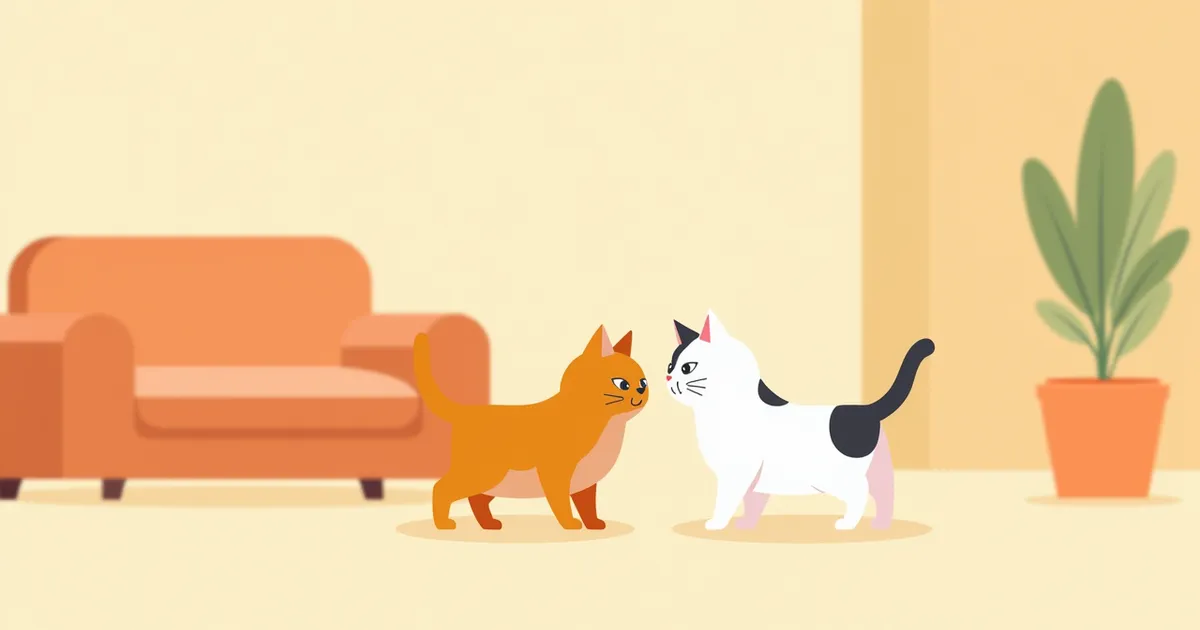
Why Is My Cat Aggressive? 7 Key Strategies for Managing Same-Household Aggression
Feline same-household aggression refers to aggressive or threatening behaviors that occur between cats living in the same home. By first identifying the type of aggression and then applying step-by-step management strategies, you can significantly reduce conflicts.
What Is Feline Same-Household Aggression? Definition and Key Management Points
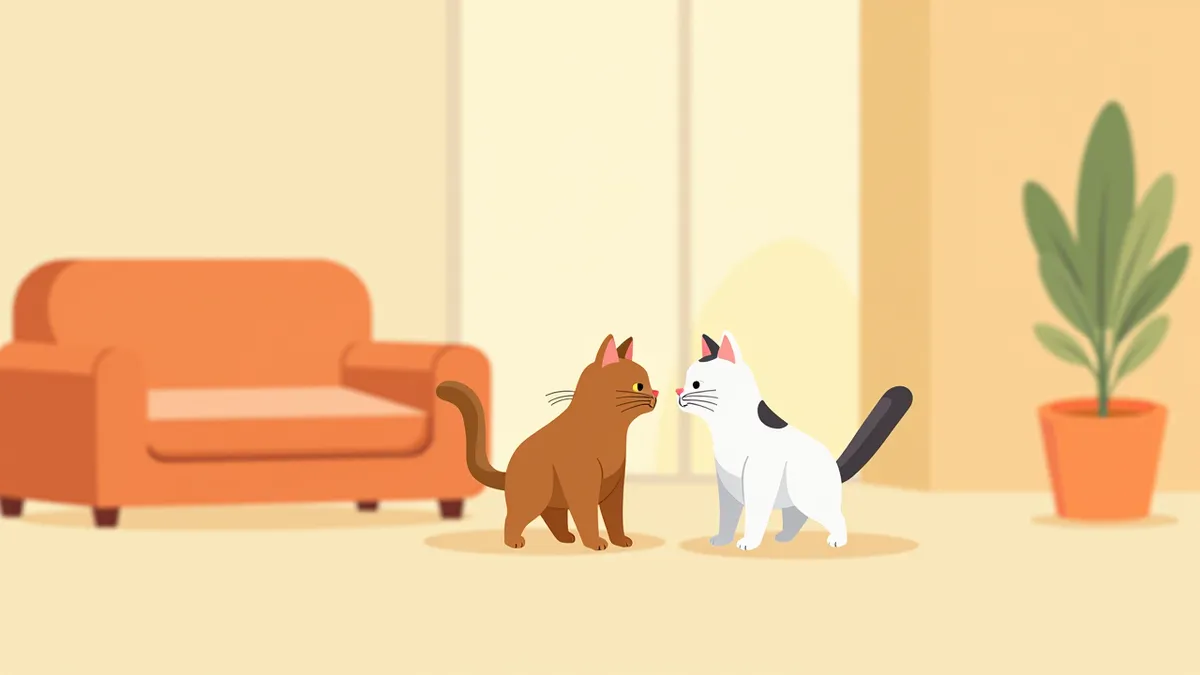
Three Main Types of Same-Household Aggression
Signs Requiring Immediate Separation
Separate the cats immediately and contact your veterinarian if you notice any of the following signs. Leaving the situation unresolved can lead to physical injuries and chronic stress. • Skin tears or bleeding occur • Intense physical fights happen more than three times a day • One cat is completely unable to access food, water, or the litter box • The victim cat hides and refuses to come out for more than three days
Recommended Management Strategy 1: Space Separation Followed by Step-by-Step Reintroduction

Recommended Management Strategy 2: Positive Reinforcement and Counterconditioning

Recommended Management Strategy 3: How to Use Pheromone Products
Comparison of Same-Household Aggression Management Methods at a Glance
| Item | Separation + reintroduction | Positive reinforcement training | Pheromone diffuser |
|---|---|---|---|
| Time to onset of effect | Immediate (conflict blocked) | After 1–2 weeks | After 3–7 days |
| Durability | Essential foundation for improving the relationship | Most effective long-term | Only while the product is in use |
| Cost | Free | Treat cost (small) | $10 to $30/month |
| Owner effort | High (space reconfiguration) | High (daily training) | Low (plug-in) |
| Most suitable situation | Essential in serious conflict | Recommended alongside all stages | When introducing a new cat |
Most effective when all three are applied together
Summary of Criteria for Choosing Management Tools
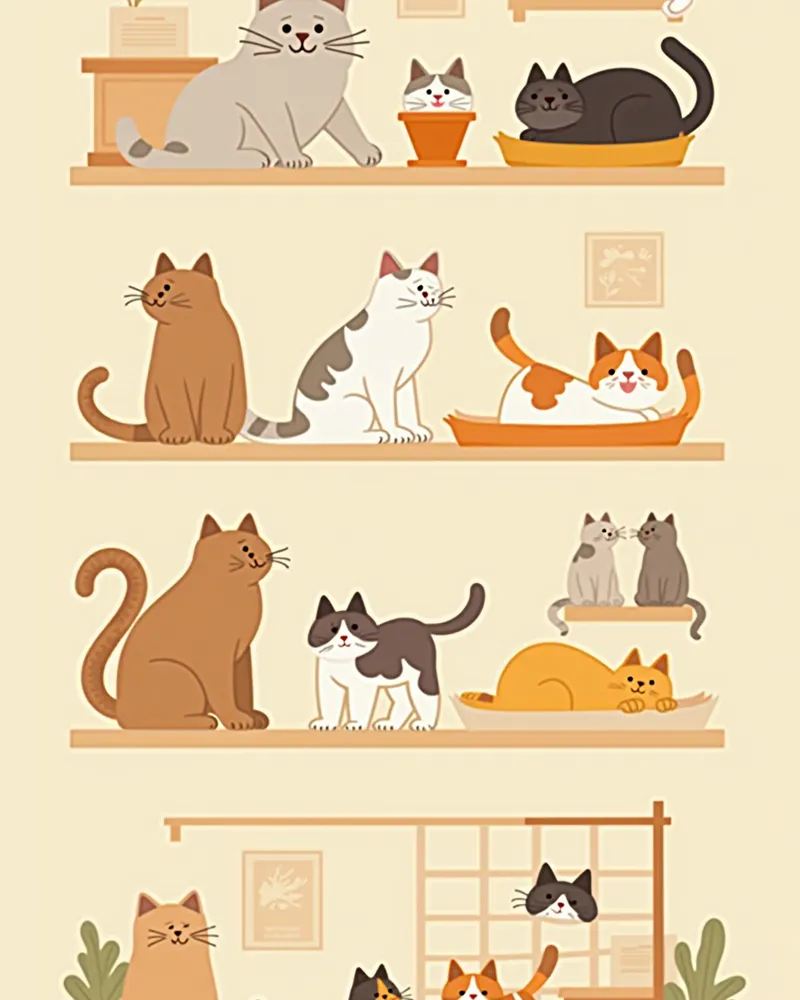
Situations Requiring Professional Consultation
Consult a veterinarian or a veterinary behaviorist if you encounter any of the following situations. Home management alone may be insufficient, and medication might be necessary. • If the frequency of aggression does not decrease after more than four weeks of management • If one cat shows signs of stress-related conditions, such as cystitis or excessive grooming • If the aggression begins to be directed toward the owner • If no relationship has formed between the cats more than six weeks after introducing a new cat
Reviewed by a veterinarian

Dr. Tony — Punnawat Phongkittirak
VeterinarianA veterinarian who majored in veterinary medicine at Khon Kaen University, Thailand, and completed the IVSA program at North Carolina State University in the United States. Drawing on clinical experience at animal hospitals, he works in the pet healthcare field and is dedicated to building a digital care environment that connects pet parents with veterinarians.
Reviewed 2026-06-01
Frequently Asked Questions
Is it okay to spray water on cats to separate them when they fight?
Does neutering reduce aggression toward other animals of the same species?
What should I do if cats that used to get along suddenly start fighting?
Which room should I install the pheromone diffuser in for the best results?
How can I prepare before adopting a second cat to reduce aggression?
Share
Related Guides

7 Behavioral Enrichment Strategies for Mental Stimulation Recommended by Veterinarians

Top 5 Calming Supplements for Dogs and Cats in 2026

L-Theanine Effects and Calming Support

7 Warning Signs and Management Tips for Canine Gallbladder Mucocele Recommended by Veterinarians
7 Best Supplements for Managing Feline Portosystemic Shunt (PSS) Recommended by Veterinarians

5 Veterinarian-Recommended Cat Liver Protectants — How to Choose SAMe and Silybin
7 Causes of Elevated Liver Enzymes in Cats and Comprehensive Management Guide Selected by Veterinarians
7 Key Tips for Home Subcutaneous Fluid Administration in Dogs from a Veterinarian

Top 3 Recommended Dog Kidney Support Supplements (Omega-3, etc.) and Selection Criteria

7 Best Prescription Kidney Diets for Dogs Recommended by Veterinarians — How to Choose Based on Phosphorus and Protein
References
[1] Veterinary Guide to Preventing Behavior Problems in Dogs and Cats, 2020
[2] Introduction to Animal Behavior and Veterinary Behavioral Medicine, Ch.15 Canine and Feline Aggression, 2022
[3] Agar, S., 100 Top Consultations in Small Animal General Practice, Section 14, 2011