Like
Share
멍실장
고양이 문맥 고혈압 관리 추천 BEST와 고르는 기준 총정리

7 Best Feline Portal Hypertension Management Products Recommended by Veterinarians

Liver HealthTop PicksMeongsiljang Veterinary Advisory Board

Feline portal hypertension is closely linked to chronic kidney disease, making early detection and proper management essential. We’ve outlined effective management products and guidelines.

What is Feline Portal Hypertension?
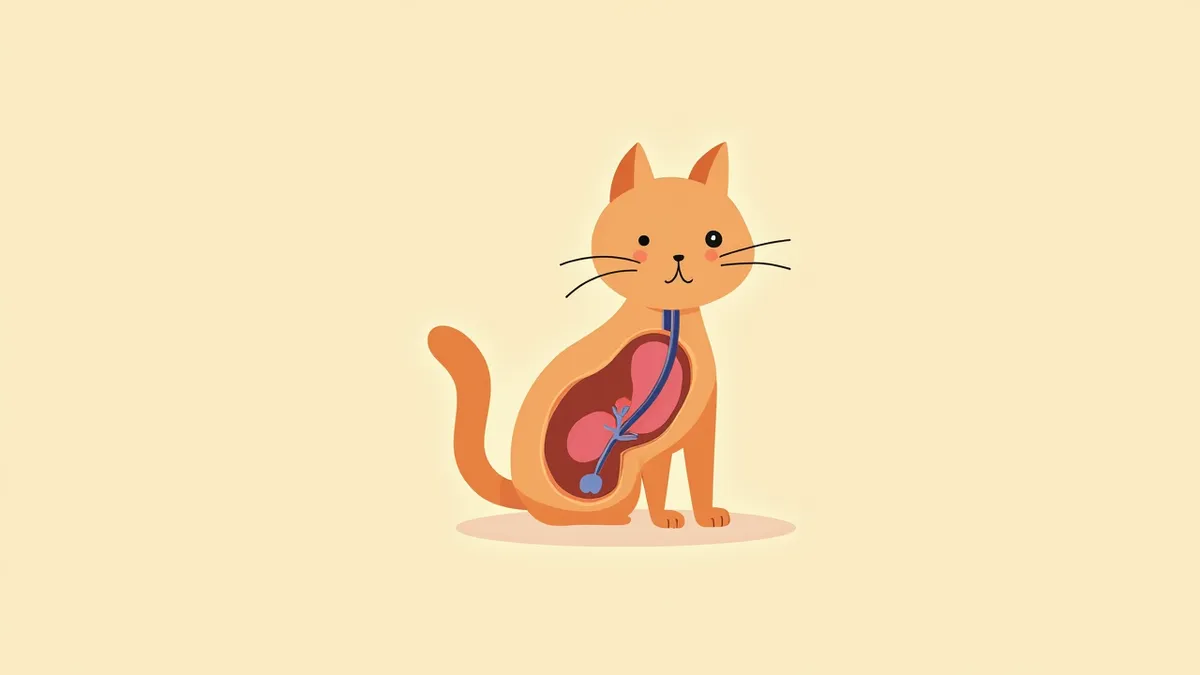
An anatomical illustration highlighting a cat’s blood vessels and kidneys
Feline portal hypertension is a condition in which the pressure within the portal venous system, which carries blood from the abdominal organs to the liver, becomes elevated, and it is primarily associated with liver and portal vascular diseases. It is a distinct condition from systemic (arterial) hypertension, which commonly accompanies chronic kidney disease. - Complications of portal hypertension: Elevated portal pressure can lead to abdominal symptoms such as ascites (fluid accumulation in the abdominal cavity). Because treatment options with medications are limited, management focuses on controlling these complications. - Differentiation from systemic hypertension: Target organ damage, such as retinal injury, cardiac hypertrophy, cerebral hemorrhage, and renal damage, are complications of systemic hypertension. In cats, systemic hypertension frequently occurs secondary to chronic kidney disease or hyperthyroidism. - Early detection: Since early stages often present with few or no symptoms, early detection through regular health check-ups is crucial. - At-risk groups: The risk of systemic hypertension increases with age, and up to one in eight cats aged nine years or older may be affected. Cats with concurrent kidney or endocrine disorders are also considered a primary at-risk group. - Importance of management: Accurate diagnosis, treatment of the underlying cause, regular monitoring, and collaboration with your veterinarian can help prevent complications and improve your cat’s quality of life.

Selection Criteria: Guide to Choosing Feline Portal Hypertension Management Products
Blood pressure issues in cats cannot be resolved with supplements alone. Feline hypertension is most often secondary to another underlying condition, so identifying and treating the primary disease—such as chronic kidney disease or hyperthyroidism—is the most critical step. For safety, any product should only be used under the diagnosis and guidance of a veterinarian.
Assessment of underlying conditions: Since feline hypertension is typically secondary, the root cause must first be identified through comprehensive evaluations like blood tests.
Prioritize proven treatments: The standard for blood pressure control is veterinarian-prescribed medication, such as amlodipine; supplements cannot replace these treatments.
Concurrent kidney evaluation: If hypertension is confirmed, test for chronic kidney disease, and if kidney disease is diagnosed, screen for hypertension.
Ease of administration: Choosing a formulation that your cat will accept without resistance helps ensure consistent management.
Veterinary consultation: Rather than selecting products on your own, always consult your veterinarian to make the right choice.
A cat enjoying a tasty supplement.

BEST 1: Librian Cat Blood Pressure Management Liquid
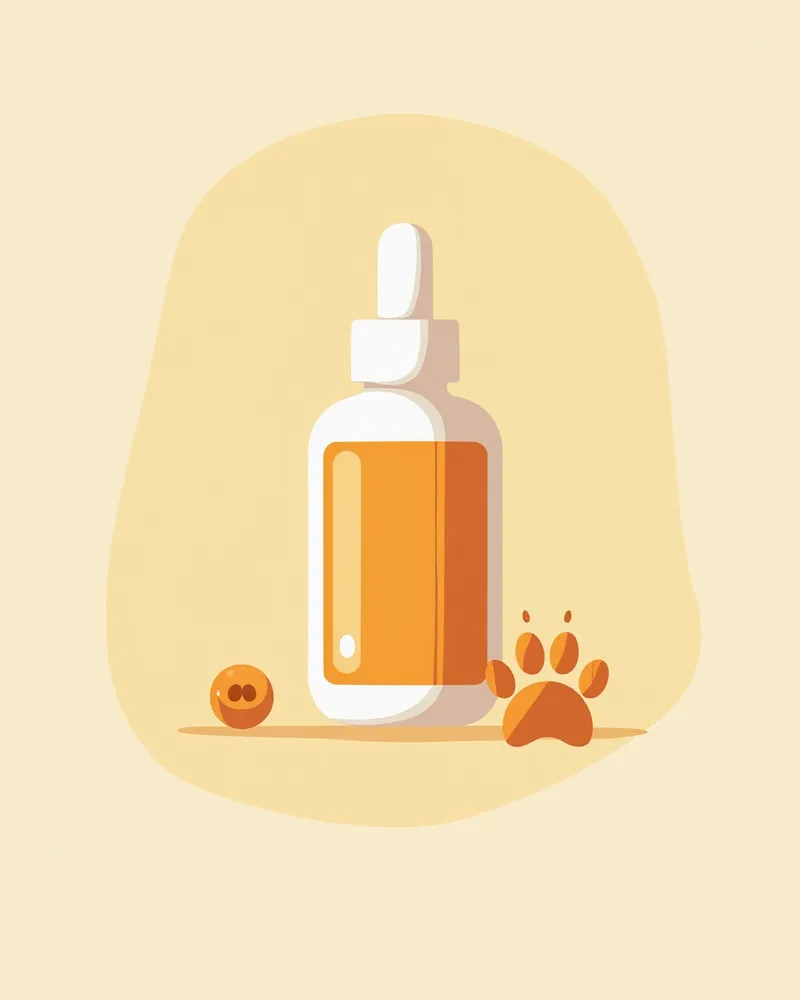
Librian Cat Blood Pressure Management Liquid is marketed as a supplement featuring natural ingredients. However, since veterinary textbooks do not support the claim that supplements can lower blood pressure or protect the kidneys in cats, please view this product as informational only and consult a veterinarian for treatment. - Basics of Blood Pressure Management: The standard approach for managing systemic hypertension in cats involves medications prescribed by a veterinarian, such as amlodipine (a calcium channel blocker), rather than specific natural ingredients. - Relationship with Kidney Health: Hypertension and chronic kidney disease can exacerbate each other, so they must be evaluated and managed together. - Ease of Administration: The liquid formulation is described as relatively easy to administer. - Precautions for Long-Term Use: For any supplement, cats with pre-existing heart or kidney conditions should only use it after consulting a veterinarian. - Comprehensive Care: Regular blood pressure monitoring and veterinary collaboration are especially important for cats with both chronic kidney disease and hypertension.
A photo of a liquid supplement bottle with a cat's paw print.

BEST 2: Pet Plus Kidney & Blood Pressure Capsules
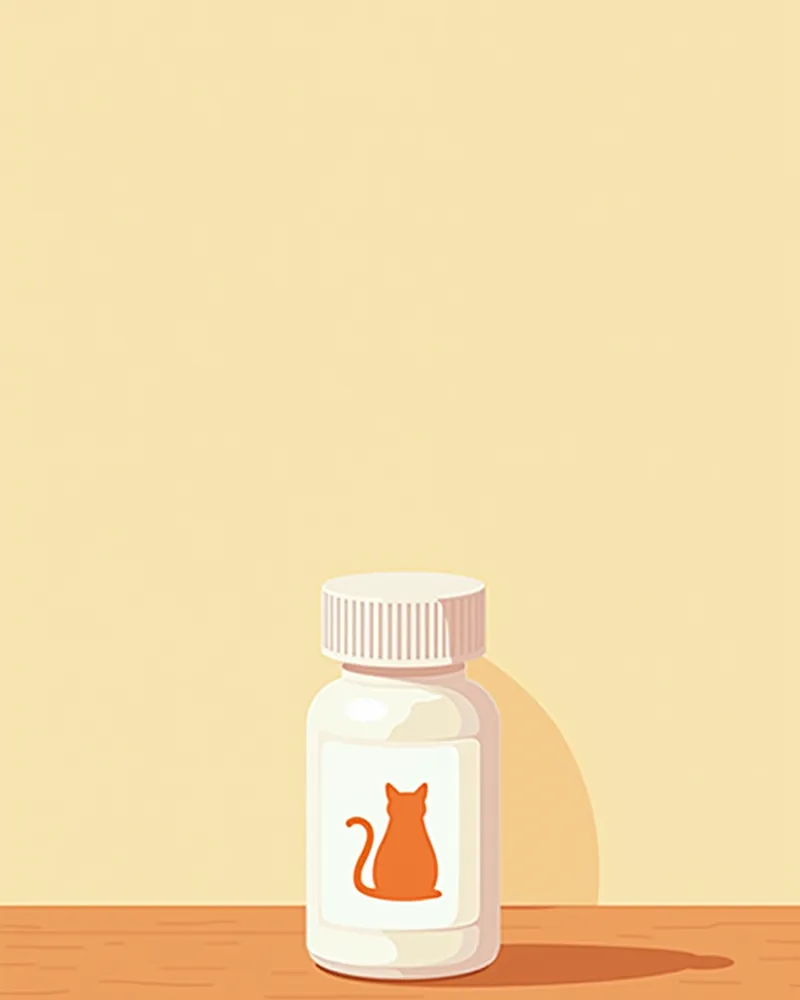
Pet Plus Kidney & Blood Pressure Capsules are marketed as a supplement designed to support both kidney health and blood pressure management. However, there is no textbook evidence confirming that the capsule’s ingredients lower blood pressure in cats or prevent kidney cell damage, so please view this product strictly as a complementary aid that does not replace prescribed medical treatment. - Standard for Blood Pressure Control: The proven treatment for feline hypertension involves veterinarian-prescribed medications such as amlodipine, with ACE inhibitors (benazepril or enalapril) considered as needed. - Kidney Management: Chronic kidney disease is managed according to its specific stage, making regular monitoring and veterinary guidance essential. - Suitability for Long-Term Use: While the capsule form is described as easy to administer, please consult your veterinarian before use in senior cats or those with kidney disease. - Considerations for Senior Cats: Older cats are at higher risk for hypertension, so blood pressure measurements and screening for underlying conditions should be performed concurrently. - Ease of Administration: Although the product is introduced as requiring only one dose per day, the actual dosage should be determined by your veterinarian.
A capsule bottle labeled with a cat symbol

BEST 3: Premium Cat Health Blood Pressure Candy

Premium Cat Health Blood Pressure Candy is introduced as a supplement that emphasizes the convenience of daily administration. However, please note that the claim that its ingredients stabilize a cat’s blood pressure or reduce vascular inflammation has not been proven in veterinary textbooks, so it should be viewed only as a reference. - Stress and Blood Pressure: Stress can temporarily raise a cat’s blood pressure, so creating a quiet and stable environment can be helpful. - Texture and Administration: The product is described as a soft candy form that cats can relatively easily consume. - Claimed Natural Ingredients: While marketed as free from synthetic additives, this does not mean its efficacy has been clinically verified. - Prioritize Verified Treatments: Actual blood pressure control is achieved through medications prescribed by a veterinarian (e.g., amlodipine), not supplements. - Ease of Management: Although daily administration is described as convenient, please consult with your veterinarian before and after use, and monitor blood pressure regularly.
A blood pressure supplement that looks like a cat treat

Comparison Table of Products BEST 1–3

ItemLibrian LiquidPet Plus CapsulePremium Cat Candy
Main IngredientsGlucosamine, omega-3, resveratrolLutein, coenzyme Q10, magnesiumNatural herbs, omega-3, vitamin E
FormulationLiquidCapsuleCandy type
Dosing FrequencyOnce dailyOnce dailyTwice daily
Recommended Age6 months and older8 months and older12 months and older
Veterinarian RecommendedTrueTrueTrue

All products should be used under veterinary guidance. Dosage may vary depending on the cat's health condition.

Precautions: Warnings for Overdose

Blood pressure-regulating products can cause hypotension or digestive upset if overdosed. In particular, do not administer these products to cats with pre-existing heart disease or impaired kidney function without veterinary guidance.

Usage Tips: Combine with Daily Care

Blood pressure management products work best when combined with regular meals, adequate hydration, and stress reduction rather than used alone. It’s important to integrate these practices naturally into your cat’s daily routine.
Regular blood pressure monitoring: Work with your veterinarian to check your cat’s blood pressure on a regular basis.
Provide a low-sodium diet: Reducing salt intake can be beneficial.
Minimize stressful environments: A quiet space and consistent daily routine are essential.
Encourage water intake: Increasing fluid consumption helps reduce strain on the kidneys.
Promote light exercise: Gentle play can help improve blood circulation.
A cat playing near a water fountain

Reviewed by a veterinarian

Dr. Tony — Punnawat Phongkittirak

Dr. Tony — Punnawat Phongkittirak

Veterinarian

A veterinarian who majored in veterinary medicine at Khon Kaen University, Thailand, and completed the IVSA program at North Carolina State University in the United States. Drawing on clinical experience at animal hospitals, he works in the pet healthcare field and is dedicated to building a digital care environment that connects pet parents with veterinarians.

Frequently Asked Questions

What causes portal hypertension in cats?
When people talk about high blood pressure, they’re usually referring to systemic hypertension, which commonly occurs in cats as a secondary condition to chronic kidney disease or hyperthyroidism. Portal hypertension, on the other hand, is a separate condition characterized by elevated pressure within the liver and portal venous system.
How often should blood pressure be measured?
It is recommended to measure regularly, typically every few months, as directed by your veterinarian. If symptoms appear, immediate testing is necessary.
Will giving a supplement immediately lower blood pressure?
There is no evidence that supplements lower blood pressure in cats. Proven blood pressure control is achieved with veterinarian-prescribed medications such as amlodipine, and their effectiveness is evaluated by the veterinarian through regular blood pressure measurements.
Do all cats need to be tested for high blood pressure?
Regular checkups are recommended for senior cats (risk increases with age), as well as for cats with chronic kidney disease, hyperthyroidism, or diabetes. Please consult your veterinarian regarding the appropriate frequency and necessity of these exams.
Shouldn't supplements and medications overlap?
Because the blood-pressure-lowering effects can overlap and create a risk of excessive hypotension, please inform your veterinarian about all products and medications your pet is currently taking.

Share

Related Guides

References

This information is based on veterinary literature and does not replace diagnosis or treatment. Please consult a veterinarian for specific health concerns.

Metapet Co., Ltd. | Seoul, South Korea | © 2024 Metapet Co., Ltd. All rights reserved.