Like
Share
멍실장
강아지 담낭염·담낭 질환 관리 추천 BEST와 고르는 기준 총정리

7 Key Symptoms and Management Essentials for Canine Cholecystitis Recommended by Veterinarians

Liver HealthTop PicksMeongsiljang Veterinary Advisory Board

Canine cholecystitis is a condition caused by impaired bile flow, making proper care and the right choice of supplements essential. We’ve put together a clear overview of the best recommended products for gallbladder health and the key criteria to consider when choosing them.

Comprehensive Guide to Recommended Products and Selection Criteria for Canine Cholecystitis and Gallbladder Disease Management
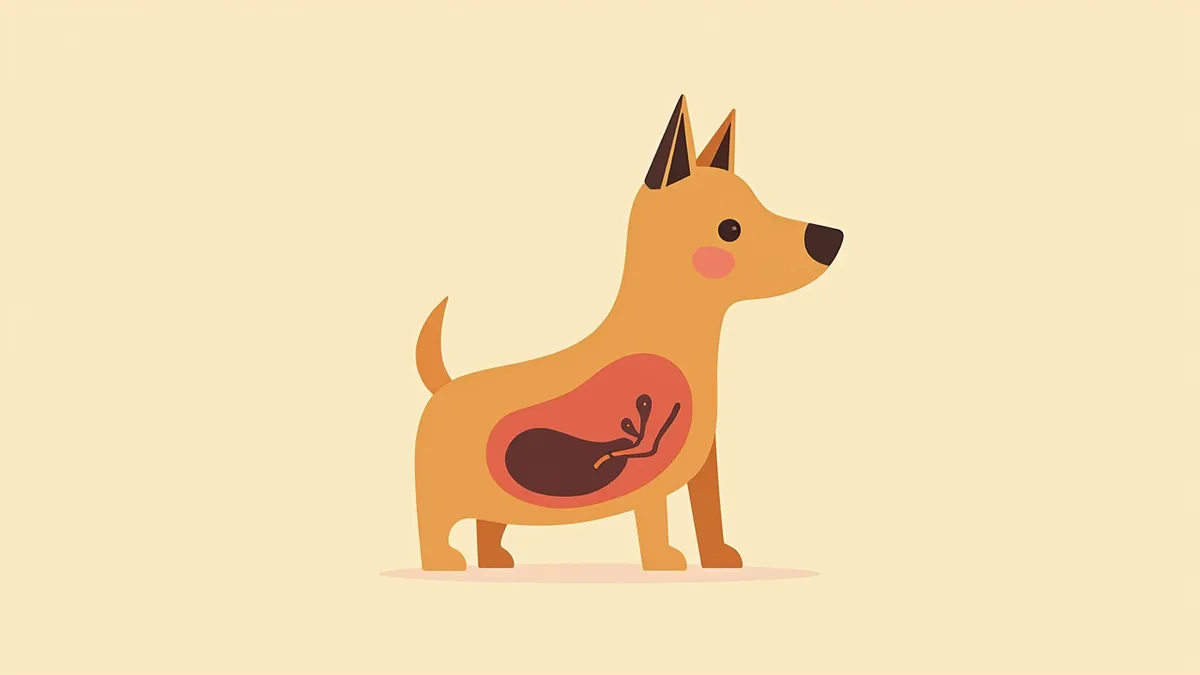
Anatomical image of a dog’s gallbladder inflammation
Canine cholecystitis is an inflammation of the gallbladder, most commonly caused by ascending bacterial infections from the intestines. Symptoms may include jaundice, fever, decreased or altered appetite, vomiting, and weight loss, with conditions often fluctuating between improvement and worsening. Because persistent or recurrent inflammation can lead to hepatic fibrosis, early diagnosis and appropriate treatment are crucial. The cornerstone of treatment is veterinary diagnosis and prescription, not nutritional supplements. Therapy typically involves antibiotics based on bile culture and sensitivity tests, along with antioxidants and ursodeoxycholic acid (UDCA). In cases of recurrence or gallbladder rupture, cholecystectomy (surgical removal of the gallbladder) may be necessary. - Caution with choleretic (bile-promoting) ingredients: Choleretics that forcibly increase bile flow can be dangerous if the gallbladder wall is damaged and should not be used without veterinary guidance. Ingredients like garlic extract are not recommended, and herbal supplements should generally be discontinued. - Hepatoprotective (antioxidant) ingredients: Antioxidants such as SAMe, vitamin E, and N-acetylcysteine are used to protect liver cells. Glucosamine has no evidence supporting its use for gallbladder or liver protection. - Always consult your veterinarian: For safety, all products and supplements should be selected based on a veterinarian’s diagnosis and prescription, rather than self-diagnosis.

Essential Selection Criteria for Canine Cholecystitis Management
Cholecystitis is not a condition that can be managed at home with supplements; it requires a veterinarian’s diagnosis and prescription as the first priority. Therefore, before selecting any product, it is essential to confirm an accurate diagnosis and the appropriate treatment plan. - Caution with choleretic (bile-stimulating) ingredients: There is no veterinary evidence supporting the claim that evening primrose extract or lemon balm improves bile flow. Moreover, choleretics may be contraindicated if the gallbladder wall is damaged. It is safest to avoid ingredients that arbitrarily increase bile secretion. - Hepatoprotective (antioxidant) ingredients: Antioxidants such as SAMe, vitamin E, and N-acetylcysteine are used to protect liver cells. However, there is insufficient clear evidence that omega-3 fatty acids or glucosamine reduce liver damage associated with cholecystitis. - Accuracy of dosage instructions: Any supplement must clearly state the precise dosage appropriate for your dog’s weight and age. Excessive intake can place a burden on the body, so it is crucial to strictly follow the recommended amount. - Caution with herbal supplements: Natural or herbal ingredients do not guarantee safety, and the standard principle for gallbladder and liver diseases is to discontinue herbal supplements. Ultimately, all decisions should be made in consultation with your veterinarian.
Image comparing the ingredients of nutritional supplements for managing canine cholecystitis

BEST 1: Gallbladder Protection Protein Capsule
This product is marketed as a capsule for gallbladder health, containing evening primrose extract, garlic extract, and glucosamine. However, there is no veterinary evidence that these ingredients stimulate bile secretion or alleviate gallbladder inflammation. In particular, choleretic agents that increase bile production are contraindicated when the gallbladder wall is damaged, and herbal supplements should generally be discontinued in cases of gallbladder or liver disease. Glucosamine also lacks evidence for protecting the liver or gallbladder. Therefore, rather than administering it based on your own judgment, if you suspect cholecystitis, it is safest to first seek a veterinary diagnosis and prioritize prescribed treatments such as antibiotics, antioxidants, and UDCA. Please consult your veterinarian before deciding whether to use this product.
BEST 1 Gallbladder Protection Protein Capsules Image

BEST 2: Bile Circulation Herb Mix Powder
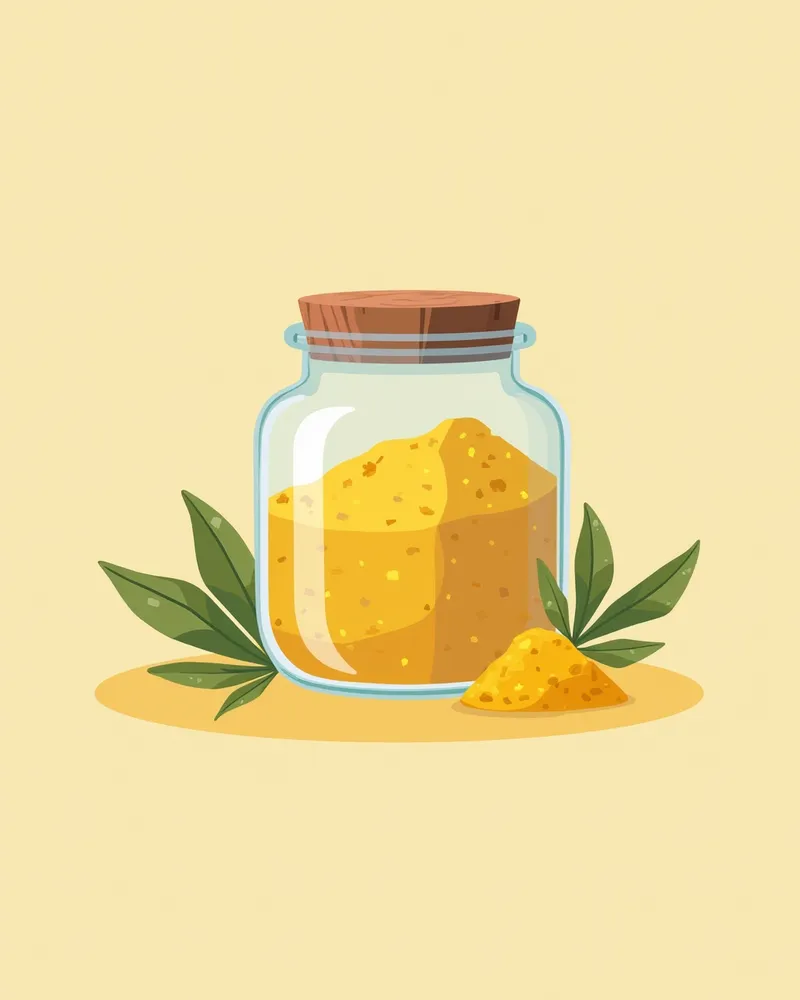
This powder is marketed as containing herbal ingredients such as carrots, mugwort, garlic, and lemon balm to support bile flow and liver and gallbladder metabolism. However, there is no veterinary evidence that these herbs improve cholecystitis by promoting gallbladder contraction or bile excretion. In fact, the standard protocol for liver and gallbladder disease is to discontinue herbal supplements, and choleretic ingredients that forcefully increase bile production can be dangerous if the gallbladder wall is damaged. Natural ingredients do not guarantee safety, and excessive intake can burden the liver. Always consult your veterinarian before use, and prioritize standard treatments such as antibiotics and antioxidants based on the diagnosis.
BEST 2 Bile Circulation Herb Mix Powder Image

BEST 3: Gallbladder Health Food (Low-Fat, High-Protein)
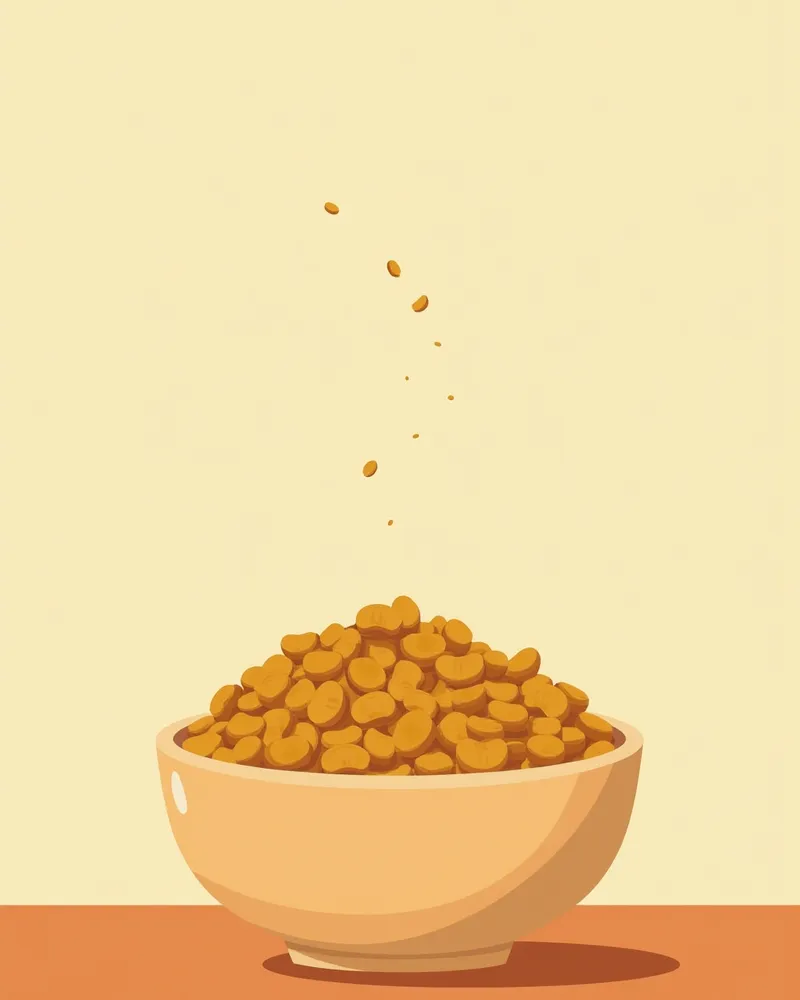
This food is formulated as a low-fat diet, with reduced fat content to lessen the burden on the gallbladder. Low-fat diets are often recommended for managing gastrointestinal and hepatobiliary diseases, as they can help reduce the strain on the body without significant drawbacks. However, it’s difficult to claim that omega-3 fatty acids or antioxidants alone can eliminate gallbladder inflammation, and the amount and type of protein should be adjusted based on your dog’s liver and kidney health. Feeding amounts should be determined according to your dog’s weight, and any dietary changes should always be made under the guidance and supervision of a veterinarian. Remember, gallbladder inflammation cannot be treated with food or supplements alone.
Top 3 Gallbladder Health Dog Food Images

Comparison Table of BEST 1–3 Products

ItemBEST 1 CapsuleBEST 2 PowderBEST 3 Food
Main IngredientsEvening primrose, garlic, glucosamineCarrot, mugwort, lemon balmOmega-3, antioxidants, low-fat protein
FormCapsulePowderDry food
Daily Amount1 capsule1 teaspoonTwice based on body weight
CautionsCholeretic/herbal ingredients; may be contraindicated with gallbladder wall damage—discontinuation is the ruleHerbal ingredients; insufficient evidence for bile-promoting efficacyLow fat may help, but it is not a standalone treatment

The product ingredients in the table are based on the manufacturer's labeling, and cholecystitis cannot be treated with supplements or food alone. Bile-promoting (choleretic) ingredients may be contraindicated depending on the gallbladder condition, so always prioritize veterinary diagnosis and prescription.

Precautions and Contraindications

If cholecystitis is suspected, consult a veterinarian immediately for a proper diagnosis. In cases of gallbladder or liver disease, it is standard practice to discontinue herbal supplements. Choleretic ingredients that stimulate bile production may be contraindicated if the gallbladder wall is damaged. Do not exceed the recommended dosage, and if your pet has pre-existing conditions or is taking medication, always have a veterinarian review the ingredients before use. Please also remember that nutritional supplements cannot replace standard medical treatment.

Usage Tips and Management Points
Managing cholecystitis requires veterinary treatment and lifestyle adjustments, not just nutritional supplements. It’s important to maintain regular feeding habits and avoid high-fat foods. Low-fat diets are often recommended for managing hepatobiliary diseases with minimal drawbacks, so consult your veterinarian to see if this approach is suitable for your pet. Do not use choleretics or herbal supplements to artificially increase bile flow without veterinary guidance; instead, consistently follow prescribed treatments such as antibiotics, antioxidants, and UDCA. Regular veterinary check-ups and monitoring of liver enzyme levels are essential for assessing your pet’s condition and adjusting the treatment plan as needed. Consistent care and accurate diagnosis are key to maintaining gallbladder health.
Tips for managing canine cholecystitis

Reviewed by a veterinarian

Dr. Tony — Punnawat Phongkittirak

Dr. Tony — Punnawat Phongkittirak

Veterinarian

A veterinarian who majored in veterinary medicine at Khon Kaen University, Thailand, and completed the IVSA program at North Carolina State University in the United States. Drawing on clinical experience at animal hospitals, he works in the pet healthcare field and is dedicated to building a digital care environment that connects pet parents with veterinarians.

Frequently Asked Questions

Can cholecystitis be treated?
With proper diagnosis and treatment, many cases recover well. However, bacterial infections can recur or develop antibiotic resistance, so the prognosis should be approached with caution. If the gallbladder hasn't ruptured, the outlook is generally favorable, and early detection along with veterinary care is key.
When should I start giving my pet the supplement?
Cholecystitis is not a condition that can be prevented or self-treated with nutritional supplements. In particular, choleretic ingredients that increase bile production may be contraindicated depending on the state of the gallbladder, so please consult your veterinarian for a proper diagnosis before deciding whether to use such supplements.
Are natural ingredient products safe?
Even natural or herbal ingredients aren’t guaranteed to be safe. In fact, when a pet has gallbladder or liver disease, the standard recommendation is to stop herbal supplements altogether, as excessive intake can place additional strain on the liver.
Can changing your pet’s diet affect the gallbladder?
Low-fat diets are often recommended for managing hepatobiliary diseases because they offer significant benefits without major drawbacks. However, since diet alone is not a cure, it's best to consult with your veterinarian before making any changes.
What are the ways to prevent a recurrence of cholecystitis?
Bacterial cholecystitis can recur frequently, so regular check-ups and monitoring of liver enzymes are essential. If recurrences persist or if the gallbladder ruptures, surgical removal of the gallbladder may be necessary, so work closely with your veterinarian to manage your pet’s condition.

Share

Related Guides

References

[1] Plumb's Veterinary Drug Handbook, 9th Edition, 2022. Wiley-Blackwell.

[2] Ettinger, S.J. & Feldman, E.C. (2022). Textbook of Veterinary Internal Medicine, 9th ed. Elsevier.

[3] American College of Veterinary Internal Medicine (ACVIM). Consensus Statement on Canine Hepatobiliary Disease, 2021.

This information is based on veterinary literature and does not replace diagnosis or treatment. Please consult a veterinarian for specific health concerns.

Metapet Co., Ltd. | CEO: Park Sung-yong | Business Reg. No. 417-88-02562 | Seoul, South Korea | Customer Center

Canine Cholecystitis: 7 Key Symptoms & Vet Care Essentials | Meongsiljang