
Like
Share
멍실장
강아지 이뇨제(퓨로세마이드) 심장 관리 추천 BEST와 고르는 기준 총정리

Dog Pulmonary Edema Warning — 7 Best Diuretics (Furosemide) for Heart Management

HeartTop PicksMeongsiljang Veterinary Advisory Board

We’ve compiled a guide on how to effectively choose furosemide-based diuretics, which are essential for managing heart disease in dogs, along with three recommended products. Always use these medications safely under the guidance of a veterinarian.

What Is Diuretic (Furosemide) Heart Management for Dogs?

An image of a veterinarian holding furosemide tablets while showing a heart diagram
This treatment helps reduce excessive fluid buildup in dogs with heart disease. - Furosemide: Promotes the excretion of sodium and water by the kidneys, helping to relieve swelling and difficulty breathing. - Reduced heart function: When the heart cannot pump blood effectively, diuretics help decrease the burden on the body. - Veterinary prescription required: Incorrect dosages can lead to dehydration or electrolyte imbalances. - Watch for side effects: Increased urination, fatigue, and decreased appetite may occur. - Regular check-ups necessary: With long-term use, kidney function and electrolyte levels must be monitored closely.

Criteria for Choosing Diuretics (Furosemide) for Dogs

Choosing the right diuretic for a dog with heart disease depends on several factors, including the veterinarian’s diagnosis, the dog’s weight, and the specific condition of the heart.
Tablet form: Easy to administer and allows the veterinarian to adjust the dosage precisely.
Liquid form: Beneficial for young puppies or dogs that have difficulty swallowing.
Appropriate dosage: Determined by the veterinarian based on the dog’s weight.
Side effect management: Products that consider kidney function and electrolyte balance are preferable.
Manufacturer reliability: Products from manufacturers with a foundation in veterinary research are safer.
An image comparing furosemide tablets, liquid, and powder forms.

BEST 1: Furosemide Tablets (Veterinarian-Recommended Brand A)
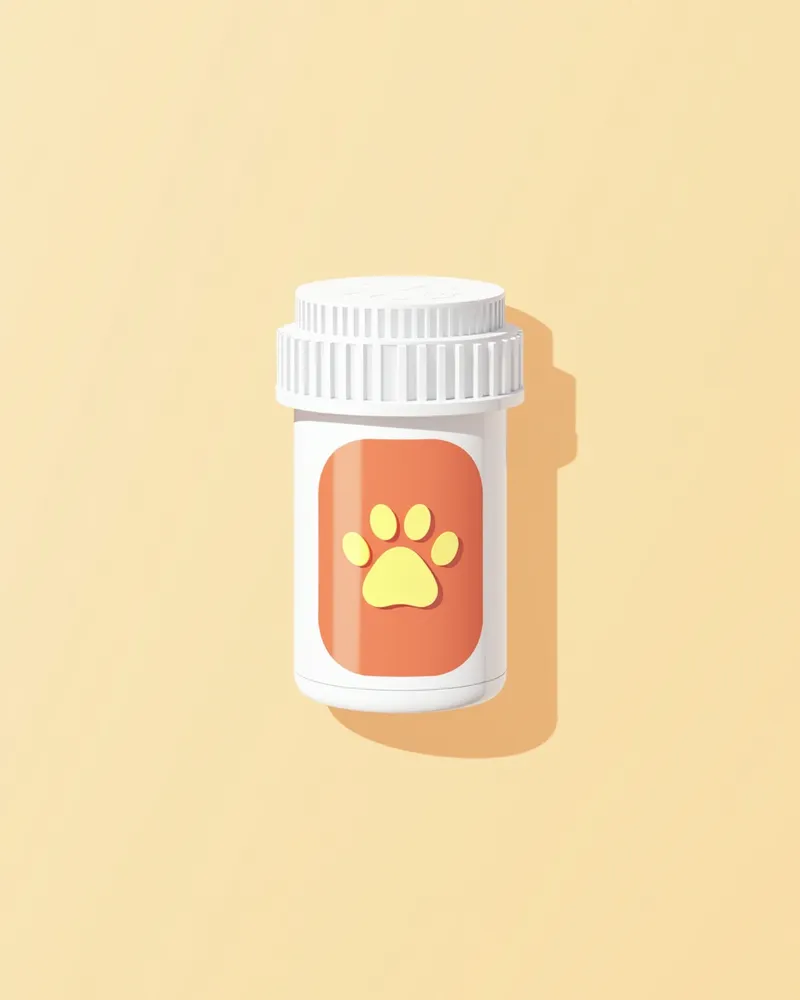
This is the most commonly prescribed furosemide tablet by veterinarians, offering precise dosage adjustments based on your pet’s weight. - Tablet form: Easy to administer, with veterinarians determining the exact dose according to your pet’s weight (kg). - Weight-based dosing: Furosemide is typically started at 2–4 mg per kg of body weight every 8–12 hours, then reduced to 1–2 mg/kg every 12–48 hours once symptoms stabilize. The exact dose and frequency must always be determined by a veterinarian. - Managing reduced heart function: Effective in relieving edema and breathing difficulties caused by pulmonary edema, where fluid accumulates in the lungs. - Side effects to watch for: Increased urination, dehydration, and electrolyte imbalances (especially low potassium) may occur, so ongoing monitoring with your veterinarian is essential.
An image of a bottle of Furosemide 20mg tablets with a dog paw print embossed on it

BEST 2: Furosemide Liquid (For Puppies)
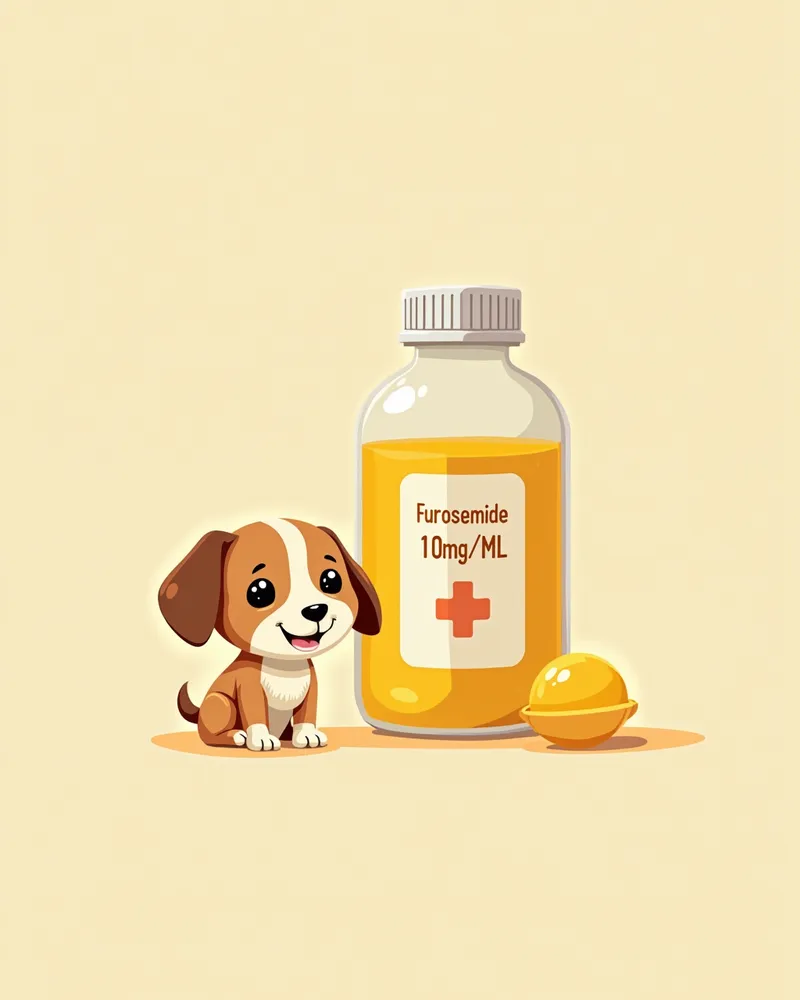
This liquid formulation of furosemide is especially suitable for puppies or dogs that have difficulty swallowing pills. - Liquid form: Allows your veterinarian to precisely adjust the dosage based on your dog’s weight. - Concentration of 10 mg per mL: The actual volume (mL) and frequency of administration are calculated by your veterinarian based on mg per kg of body weight. Be sure to shake the bottle well before each use. - Refrigerate: Store properly according to the product label and your veterinarian’s instructions. - Watch for side effects: Increased urination, dehydration, and electrolyte imbalances (particularly low potassium) may occur. - Work closely with your veterinarian: Contact your vet immediately if you notice any unusual symptoms while your dog is taking this medication.
An image of a small dog with a bottle of furosemide liquid placed next to it.

BEST 3: Furosemide Powder (Customized)

This is a customized furosemide powder, personally mixed by your veterinarian. - Powder form: The dosage can be flexibly adjusted according to your dog’s specific weight or dosing frequency. - Concentration of 20 mg per 1 g: Your veterinarian will determine the exact dose based on your dog’s weight. Mixing it into food makes it easier for dogs to take. - Ease of administration: Especially suitable for dogs that have difficulty swallowing pills. - For long-term use: Regularly monitor kidney function and electrolyte levels (particularly potassium), and use safely under your veterinarian’s guidance.
An image showing a bottle of furosemide powder with a spoon, and a dog food bowl.

Comparison Table of Diuretics BEST 1–3

ItemBEST 1 (Tablet)BEST 2 (Liquid)BEST 3 (Powder)
Dosage formTabletLiquidPowder
Ease of dose adjustmentHighHighVery high
Ease of administrationModerateGoodGood
Storage conditionsRoom temperatureRefrigeratedRoom temperature
Recommended forAdult dogsYoung puppiesWhen customized dosing is needed

All products should be used under veterinary prescription, and side-effect monitoring is required.

Precautions and Contraindications

Furosemide can cause serious side effects if used without a veterinarian’s prescription. Because it may lead to decreased kidney function, low blood pressure, and electrolyte imbalances, regular monitoring is essential.

Usage Tips and Management Points

To use furosemide safely, please follow these tips:
Regular veterinary check-ups: Have your veterinarian monitor kidney function and electrolyte levels at the intervals they recommend. Typically, an initial check is done within 7–10 days of starting the medication, and subsequent testing frequency is determined based on your pet’s condition.
Hydration management: Since furosemide increases urination, ensure your pet has access to plenty of fresh water.
Dietary adjustments: Feed the diet recommended by your veterinarian.
Monitor for side effects: If you notice lethargy, vomiting, loss of appetite, or collapse (shock), seek veterinary care immediately.
Consistent dosing schedule: Administer the medication at the same time each day, even if it’s only once daily.
An image showing a medication schedule and a water bowl.

Reviewed by a veterinarian

Dr. Tony — Punnawat Phongkittirak

Dr. Tony — Punnawat Phongkittirak

Veterinarian

A veterinarian who majored in veterinary medicine at Khon Kaen University, Thailand, and completed the IVSA program at North Carolina State University in the United States. Drawing on clinical experience at animal hospitals, he works in the pet healthcare field and is dedicated to building a digital care environment that connects pet parents with veterinarians.

Frequently Asked Questions

When should furosemide be administered?
It's best to administer the medication once or twice daily, in the morning and evening, at consistent times as directed by your veterinarian. It's generally recommended to give it with food.
What happens if you stop taking furosemide?
Stopping the medication abruptly can cause fluid to build up in the body and lead to breathing difficulties again. Do not discontinue use without your veterinarian’s guidance.
Is it safe to use furosemide long-term?
Long-term use is possible, but regular kidney function and electrolyte tests are necessary. Please manage this in consultation with your veterinarian.
Can furosemide be taken with other medications?
Because interactions with other medications are possible, please inform your veterinarian of all medications your pet is currently taking. In particular, when used with digoxin, furosemide-induced potassium depletion can increase the risk of digoxin toxicity, and caution is also required when combining it with ACE inhibitors and similar drugs.
What should I do if I forget to give my pet furosemide?
If it is still within the time limit, administer it right away. However, if the next scheduled dose is approaching, wait until that time and do not give two doses at once.

Share

Related Guides

References

[1] Atkins, C. et al. (2020). Notes on Canine Internal Medicine, 4th Ed. Elsevier.

[2] Plumb's Veterinary Drug Handbook, 9th Ed. (2022). Wiley-Blackwell.

[3] Textbook of Cardiovascular Medicine in Dogs and Cats (2021). Elsevier.

This information is based on veterinary literature and does not replace diagnosis or treatment. Please consult a veterinarian for specific health concerns.

Metapet Co., Ltd. | CEO: Park Sung-yong | Business Reg. No. 417-88-02562 | Seoul, South Korea | Customer Center

Dog Pulmonary Edema Alert: 7 Best Diuretics (Furosemide) | Meongsiljang