
7 Key Strategies for Managing Feline Hypocalcemia Recommended by Veterinarians — How to Prevent Seizures
Feline hypocalcemia is a condition in which calcium levels drop due to impaired kidney function, hormonal imbalances, and other factors. Choosing the right management products and supplements is essential.
Top Recommended Products and Selection Criteria for Managing Feline Hypocalcemia
Selection Criteria: Guide to Choosing Products for Managing Feline Hypocalcemia
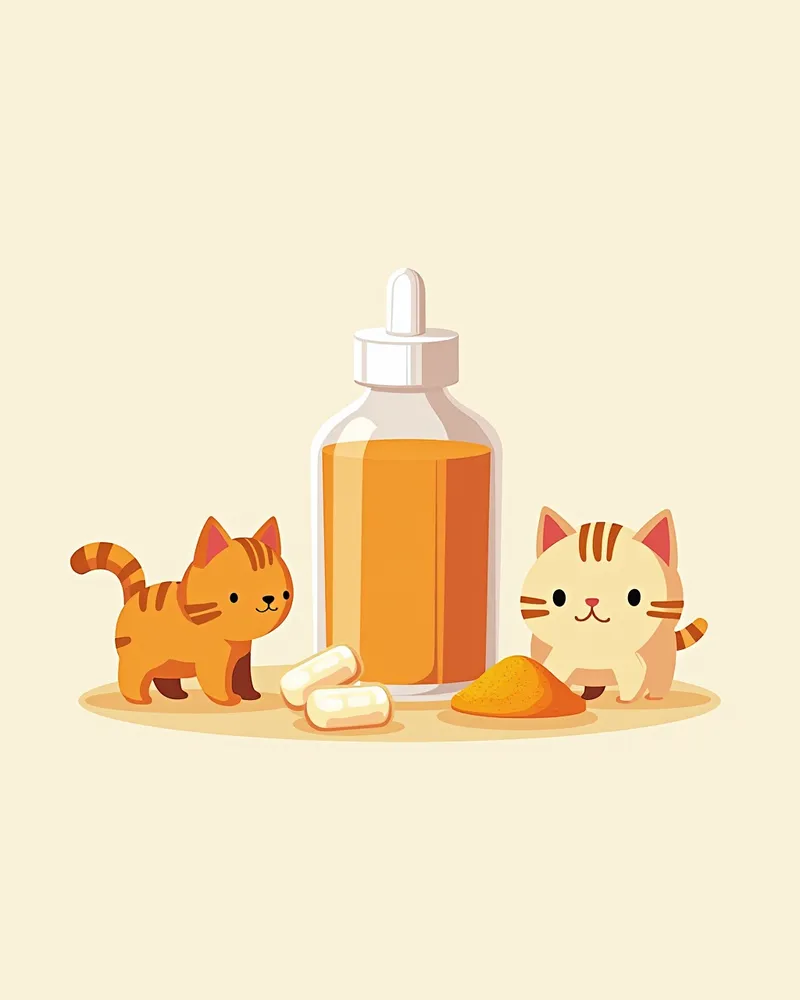
BEST 1: Calcium Plus Cat Liquid Supplement
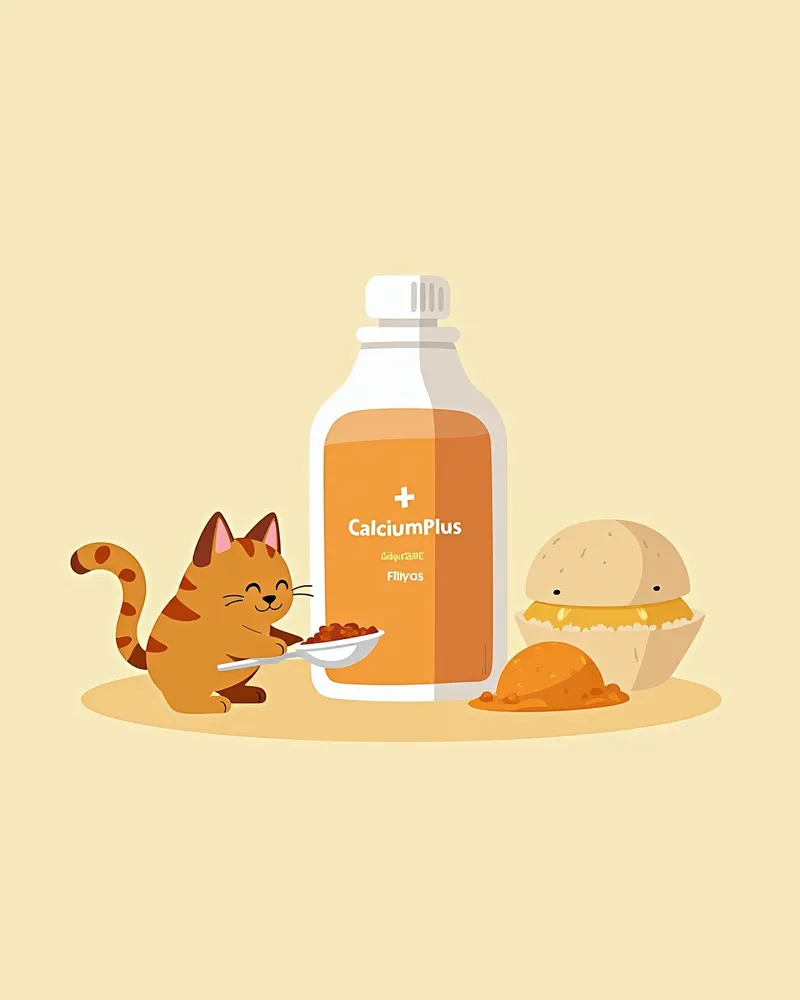
BEST 2: Pet Care Magnesium-Calcium Gel
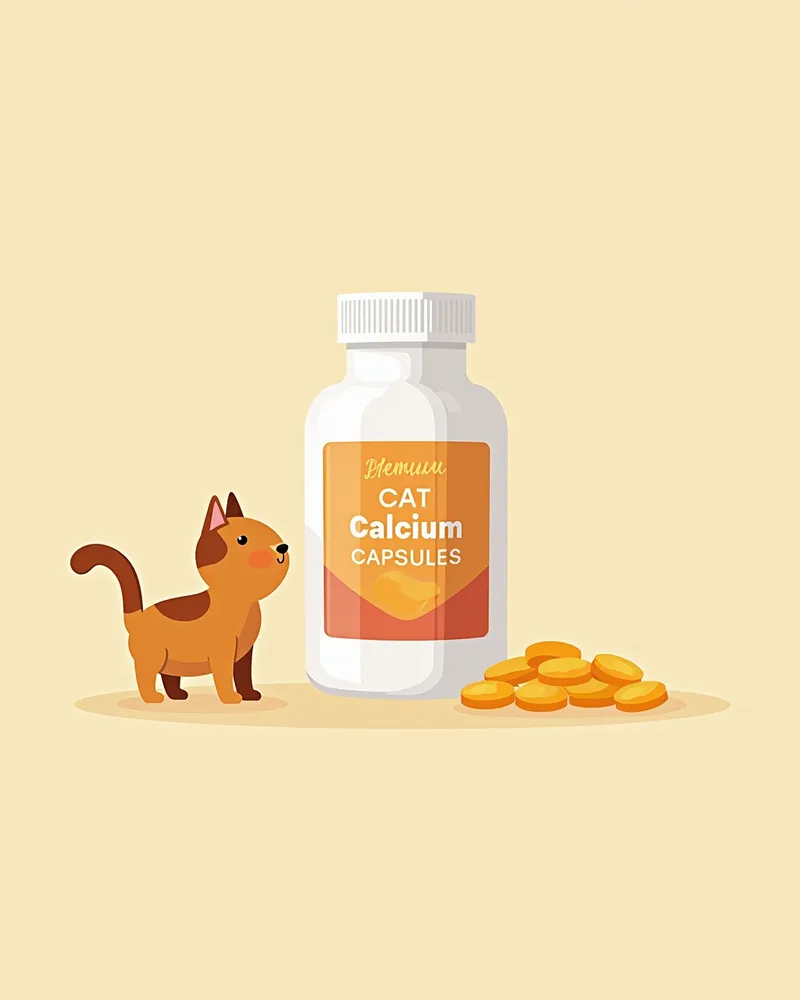
BEST 3: Premium Cat Calcium Capsules
Comparison Table of BEST 1–3 Products
| Item | Calcium Form | Formulation | Additional Ingredients | Recommended For |
|---|---|---|---|---|
| BEST 1: Calcium Plus Cat Liquid | Calcium acetate | Liquid | Vitamin D3, probiotics | Cats with chronic kidney disease |
| BEST 2: PetCare Magnesium-Calcium Gel | Calcium citrate | Gel | Magnesium, vitamin D3 | Cats with calcium/magnesium deficiency |
| BEST 3: Premium Cat Calcium Capsule | Calcium carbonate | Capsule | Vitamin D3, magnesium | Cats needing long-term management |
Adjust the dose and interval according to veterinary recommendation criteria. Overdose may burden the kidneys.
Caution: Risk of Kidney Damage with Overdose
Excessive calcium supplementation can lead to hypercalcemia, which may impair kidney function. It is essential to strictly follow the dosage prescribed by your veterinarian. This is especially important for cats with chronic kidney disease, as maintaining proper calcium levels is critical.
Usage Tips: Tips for Successful Management of Feline Hypocalcemia

Reviewed by a veterinarian

Dr. Tony — Punnawat Phongkittirak
VeterinarianA veterinarian who majored in veterinary medicine at Khon Kaen University, Thailand, and completed the IVSA program at North Carolina State University in the United States. Drawing on clinical experience at animal hospitals, he works in the pet healthcare field and is dedicated to building a digital care environment that connects pet parents with veterinarians.
Reviewed 2026-06-01
Frequently Asked Questions
Is hypocalcemia in cats treatable?
Can I give my pet supplements multiple times a day?
What should I do if my cat refuses to take supplements?
Which cats are most commonly affected by hypocalcemia?
How long should I continue giving my pet the supplement?
Share
Related Guides

Top 5 Prescription Dog Foods for Diabetes Recommended by Veterinarians — Blood Sugar-Stabilizing Food Comparison
7 Key Products for Managing Feline Hypercalcemia Recommended by Veterinarians and Selection Criteria

7 Key Points for Canine Thyroid T4 Testing by Veterinarians — From Timing to Result Interpretation

Comprehensive Guide to Coprophagia Management in Dogs: Top Recommendations and Selection Criteria

Shivering When Getting in the Car — Top 7 Motion Sickness & Anxiety Relief Products and How to Choose Them

7 Puppy Anxiety-Relief Pheromone Products Recommended by Veterinarians

7 Medications for Behavioral Modification in Dogs Prescribed by Veterinarians

7 Best Strategies for Managing Behavioral Changes in Dogs After a Baby Is Born

7 Best Items to Stop Cat Spray Marking on Walls

7 Recommended Products to Manage Sleep-Disrupting Behaviors in Cats
References
[1] Chew DJ, Leonard M, Muir W. Effect of sodium bicarbonate infusions on ionized calcium and total calcium concentrations in serum of clinically normal cats. Am J Vet Res. 1989;50(1):145–150.
[2] Brown SA. Oxidative stress and chronic kidney disease in cats. J Vet Intern Med. 2008;22(4):897–905.
[3] Feline Emergency and Critical Care Medicine, 2nd Ed. St. Louis: Elsevier Saunders. 2015.