
Top 5 Veterinarian-Recommended Feline Hepatic Support Diets and Selection Criteria
Hepatic support diets play a vital role as adjunctive therapy in cats with impaired liver function. Choosing the right diet can significantly enhance recovery speed and quality of life.
Feline Hepatic Support Diets Provide Strategic Nutritional Support for Liver Function Recovery
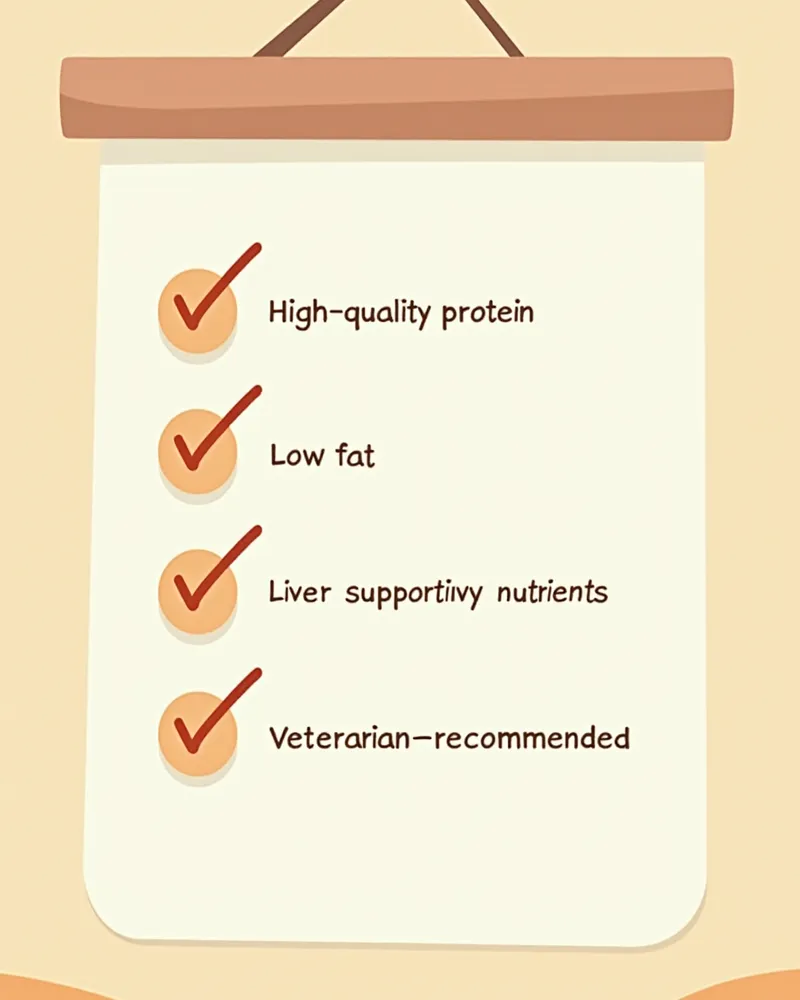
Be Sure to Check These 4 Key Criteria When Choosing
BEST 1: Hepatic Support Diet with Probiotics
BEST 2: Low-Fat, High-Protein Hepatic Support Diet

BEST 3: Hepatic Support Diet with Enhanced Antioxidant Ingredients
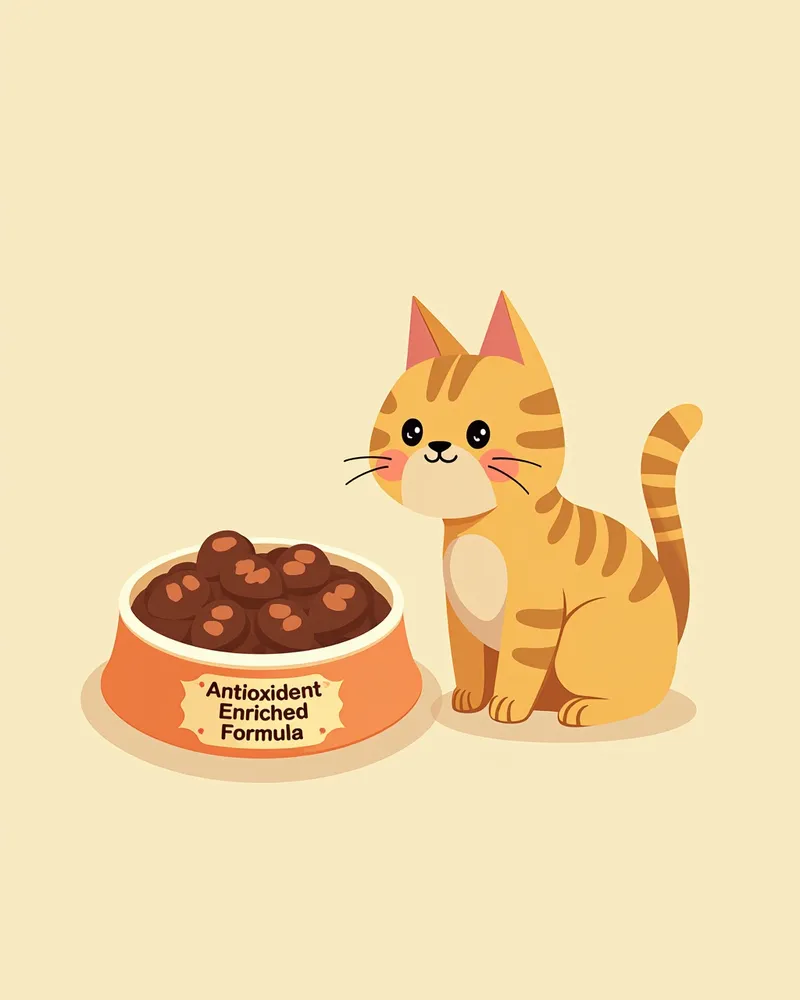
Comparison Table of Products BEST 1–3
| Item | BEST 1 (Gut Health Support) | BEST 2 (High Protein·Moderate Fat) | BEST 3 (Enhanced Antioxidant) |
|---|---|---|---|
| Main Ingredients | Quality protein, gut health support ingredients, B-complex vitamins (cobalamin) | High-quality protein, appropriate fat·energy | Antioxidant ingredients such as Vitamin E |
| Suitable Condition | Liver disease requiring digestive support | Reduced liver function and muscle loss | Chronic liver damage management |
| Feeding Method | Both dry and wet possible | Wet recommended | Wet or semi-wet |
| Additional Advantage | Digestive support (evidence for effect in cats is limited) | Maintains muscle mass | Reduces oxidative damage |
Choose the appropriate product according to the veterinarian's diagnosis and your cat's condition.
Be Sure to Consult Your Veterinarian Before Feeding
Hepatic support diets are a complementary aid to veterinary treatment, not a standalone cure. The specific product and feeding amount should be determined based on liver function test results. Improper dietary intake can place additional strain on the liver.
Usage Tips: How to Encourage Your Cat to Eat

Reviewed by a veterinarian

Dr. Tony — Punnawat Phongkittirak
VeterinarianA veterinarian who majored in veterinary medicine at Khon Kaen University, Thailand, and completed the IVSA program at North Carolina State University in the United States. Drawing on clinical experience at animal hospitals, he works in the pet healthcare field and is dedicated to building a digital care environment that connects pet parents with veterinarians.
Reviewed 2026-06-05
Frequently Asked Questions
When should I start feeding a liver-support diet?
What should I do if my pet experiences side effects after starting a liver-support diet?
Is it safe to feed a liver-support diet for life?
Can I prepare a liver-support diet at home?
Will feeding a liver-support diet completely restore liver function?
Share
Related Guides

7 Key Symptoms and Management Essentials for Canine Cholecystitis Recommended by Veterinarians

Top 5 Milk Thistle (Silymarin) Liver Supplements for Dogs — A Comparison Guide Based on Silybin Content and Absorption Rates

Top Prescription Diets for Dogs with Liver Disease and Selection Criteria

The Best Fecal Parasite Testing Methods for Dogs: Management Recommendations and Selection Criteria

Top Recommended Products for Canine Ehrlichiosis Management and Key Selection Criteria

Top Recommended Products for Dog Ear Mite Management and Selection Criteria

Top 3 Recommended Treatments and Selection Criteria for Differentiating and Managing Dog Ringworm and Parasitic Infections
Top Recommendations and Selection Criteria for Managing Canine Demodicosis

Top 3 Recommended Products for Canine Cryptosporidiosis Management and Selection Criteria

Top Recommended Canine Coccidia Management Products and Selection Criteria
References
[1] Miller, T. A., & Jacobson, E. D. (1979). Gastrointestinal cytoprotection by prostaglandins. Gut, 20, 75–78.
[2] Laflamme, D. P., & Hannah, S. S. (2005). Increased dietary protein promotes fat loss and reduces loss of lean body mass during weight loss in cats. International Journal of Applied Research in Veterinary Medicine, 3(2), 62–68.
[3] Morris, J. G., & Yu, S. (1997). The minimum sodium requirement of growing kittens defined on the basis of plasma aldosterone concentration. Journal of Nutrition, 127(3), 494–501.