

Our Fearful Puppy — 7 Best Management Strategies to Overcome Lack of Socialization
We’ve outlined step-by-step desensitization training and management tools to help reduce fear and aggression in puppies that missed their critical socialization period.
What Is a Lack of Socialization in Puppies?
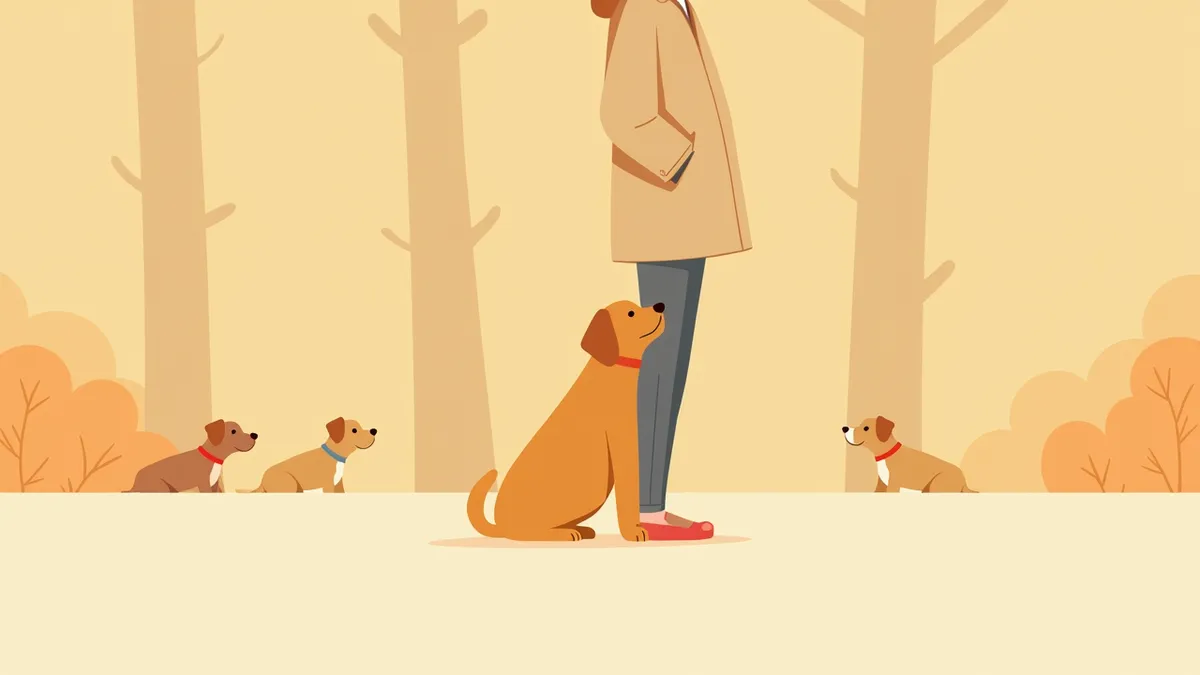
Checklist for Symptoms of Lack of Socialization
When to Consult a Professional Immediately
If your pet actually bites or displays severe aggressive behavior toward people or other animals, do not try to handle it on your own. It is safest to have them evaluated first by a veterinary behaviorist or a certified behavior modification trainer. If a biting or nipping incident has occurred, seek professional consultation immediately.
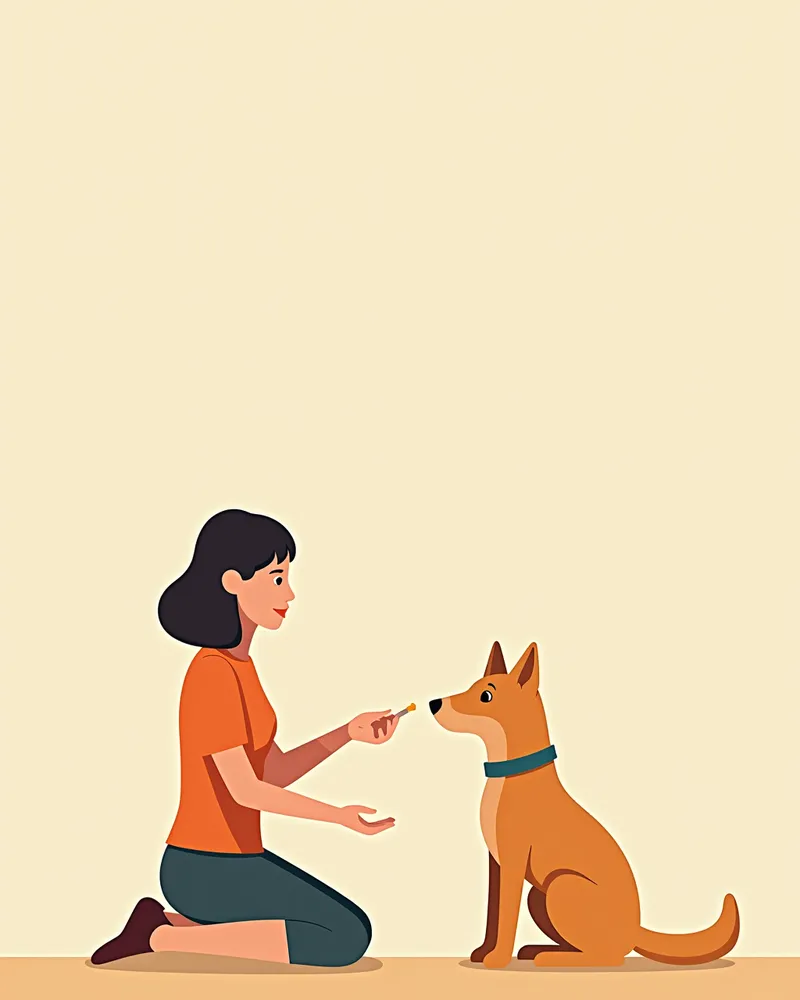
BEST 1 — Desensitization + Counter-Conditioning Training
BEST 2 — Criteria for Choosing an Anxiety-Relief Pressure Vest

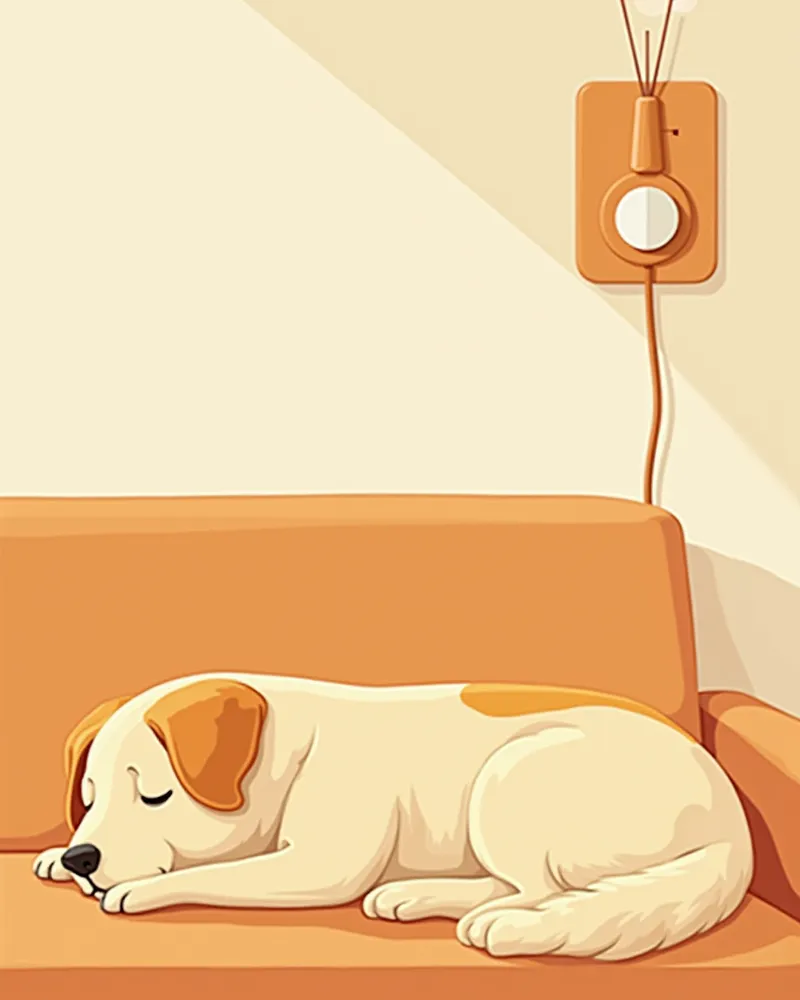
BEST 3 — How to Use Calming Pheromone Diffusers
BEST 4 — Group Classes vs. 1:1 Trainer vs. Veterinary Behaviorist
Never Use Punishment-Based Training
When your pet shows fear or aggression, physical punishment, yelling, or forced restraint can intensify their fear response and erode trust in you. While these methods may suppress behavior in the short term, they do not address the underlying fear. Always use positive reinforcement (rewarding desired behaviors) to build trust and encourage good behavior.
Reviewed by a veterinarian

Dr. Tony — Punnawat Phongkittirak
VeterinarianA veterinarian who majored in veterinary medicine at Khon Kaen University, Thailand, and completed the IVSA program at North Carolina State University in the United States. Drawing on clinical experience at animal hospitals, he works in the pet healthcare field and is dedicated to building a digital care environment that connects pet parents with veterinarians.
Reviewed 2026-06-01
Frequently Asked Questions
If my pet missed the socialization window in their early days, can it still be improved now?
Won’t my pet gain weight if I give too many treats during training?
Can I use a pressure vest and a pheromone product at the same time?
Can a well-raised puppy suddenly develop fears once it becomes an adult dog?
Are there certain breeds that are particularly prone to severe socialization issues?
Share
Related Guides

7 Behavioral Enrichment Strategies for Mental Stimulation Recommended by Veterinarians

Top 5 Calming Supplements for Dogs and Cats in 2026

L-Theanine Effects and Calming Support

Top 7 Low-Protein Diets for Dogs with Liver Disease Recommended by Veterinarians — Protein Adjustment Criteria
7 Key Points for Managing Portosystemic Shunt (PSS) in Dogs, Explained by a Veterinarian
7 Key Management Tips for Feline Acute Liver Failure Recommended by Veterinarians

7 Criteria for Choosing Phosphate Binders for Dogs with Hyperphosphatemia, as Recommended by Veterinarians
Warning Signs of Respiratory Distress in Dogs — Top 7 Recommendations for Managing Pulmonary Arterial Hypertension
My Dog’s Belly Is Swollen — 7 Key Points for Managing Cardiac Ascites Paracentesis
7 Key Points for Managing Feline Pulmonary Arterial Hypertension Recommended by Veterinarians
References
[1] Horwitz DF, Mills DS. BSAVA Manual of Canine and Feline Behavioural Medicine. 2nd ed. BSAVA Press, 2009.
[2] Houpt KA. Domestic Animal Behavior for Veterinarians and Animal Scientists. 6th ed. Wiley-Blackwell, 2018.
[3] Freedman DG, King JA, Elliot O. Critical period in the social development of dogs. Science. 1961;133(3457):1016–1017.
[4] Howell TJ, King T, Bennett PC. Puppy parties and beyond: the role of early age socialization practices on adult dog behavior. Vet Med (Auckl). 2015;6:143–153.