Like
Share
멍실장
강아지 잇몸 과증식(특발성·약물 유발) 관리 추천 BEST와 고르는 기준 총정리

Best Products and Selection Criteria for Managing Idiopathic and Drug-Induced Gingival Hyperplasia in Dogs

Oral HealthTop PicksMeongsiljang Veterinary Advisory Board

Gum overgrowth in dogs is an abnormal proliferation of gum tissue that can occur spontaneously or as a side effect of certain medications. With the right care products and management techniques, symptoms can be improved.

Gingival Hyperplasia in Dogs Is a Condition in Which Gum Tissue Abnormally Enlarges

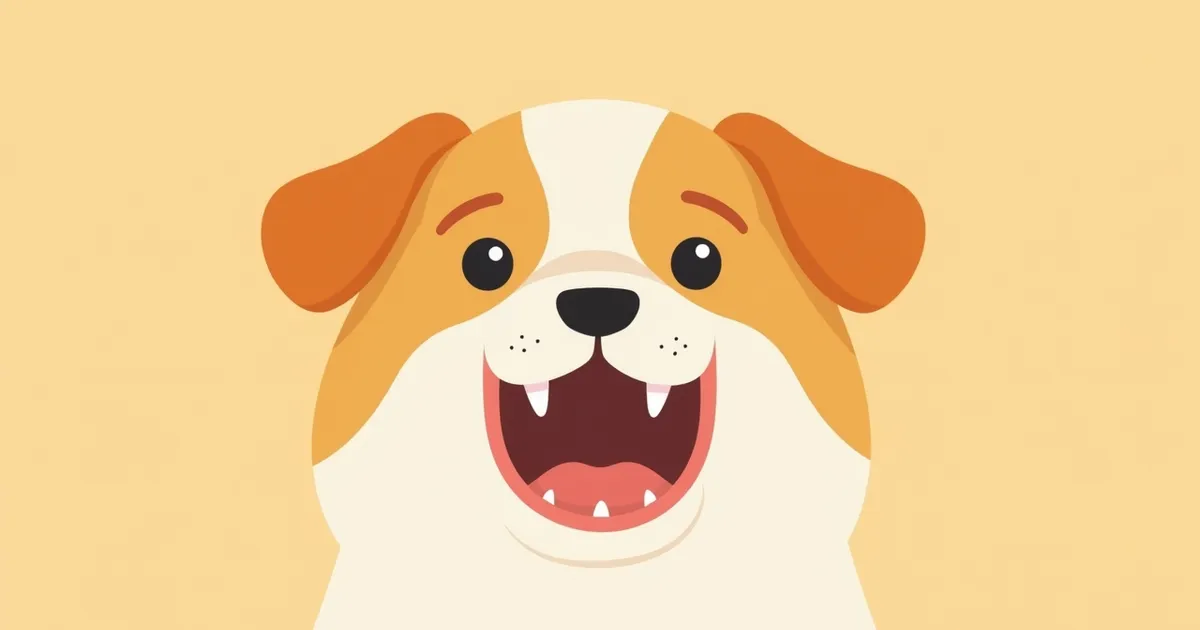
Photos of symptoms of gingival hyperplasia in dogs
Gingival hyperplasia in dogs is a condition in which the gum tissue abnormally enlarges, and it can be idiopathic or caused by medication. This condition may make the teeth appear exposed, cause pain, and in severe cases, lead to tooth displacement. In cases of drug-induced hyperplasia, the medication being taken may be the cause, so it is important to consult your veterinarian immediately. A veterinary examination is essential for an accurate diagnosis. Early detection and proper management are key to preventing symptom progression. When selecting care products, it is safest to follow professional advice.

Key Facts: Managing Idiopathic and Drug-Induced Gingival Hyperplasia in Dogs

When choosing a product to manage your dog’s gingival overgrowth, be sure to check three key factors: ingredients, safety, and ease of use. - Ingredients: Look for products containing natural ingredients with anti-inflammatory and antibacterial properties. - Safety: Products free from additives, fragrances, and artificial colors are safe even for sensitive dogs. - Ease of Use: Practical options include those that can be applied without a toothbrush or used conveniently as a spray. - Longevity of Effect: Choose a product that shows noticeable improvement in gum health with consistent use. Products recommended by veterinarians are highly trustworthy and worth considering first.
Photo taken while using a puppy gum care product

Key Facts 1: What Is the Condition and How Severe Is It?
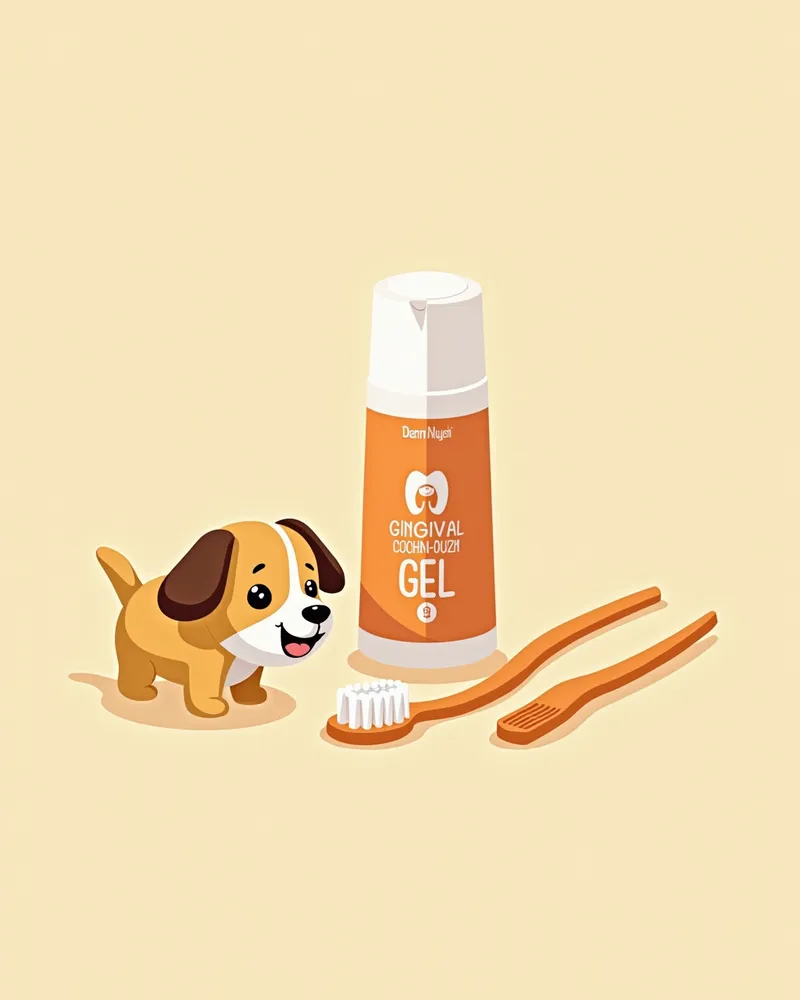
Gingival hyperplasia is a condition in which the gum tissue becomes abnormally thickened or overgrows the teeth. It is classified as either idiopathic, with no clear cause, or drug-induced, occurring during the use of certain medications such as the immunosuppressant cyclosporine. The veterinarian will determine the causative medication based on the patient’s medication history. Although there may be no apparent pain in the early stages, pseudopockets (false periodontal pockets) can form between the thickened gums and the teeth, allowing food debris and bacteria to accumulate, which can lead to worsening gingivitis and periodontitis. If you notice bad breath, drooling, or difficulty chewing, the condition may have progressed, so it is important not to ignore these signs.
What is the condition and how serious is it? Related guide image

Key Facts 2: Diagnosis and Treatment Options
Veterinarians assess the extent of gingival overgrowth and the condition of the alveolar bone through oral examinations and dental radiographs. In cases caused by medication, consulting with your veterinarian to switch the offending drug or adjust its dosage may help reduce the overgrowth. However, surgical excision under general anesthesia, known as gingivoplasty, is the standard treatment for established overgrowth. Post-surgery, regular professional cleanings and consistent at-home oral care are essential to prevent recurrence. The specific treatment plan and timing should always be determined by your veterinarian after a thorough evaluation of your pet’s condition.
An informational image about diagnosis and treatment options

Key Facts 3: Home Care and Points for Veterinary Consultation

During the post-operative recovery period, it’s best to follow your veterinarian’s guidance on feeding a soft or prescription diet and to temporarily avoid hard treats and toys. While regular brushing at home can help delay recurrence, you should always check with your vet first to ensure the safety of any commercial toothpaste or oral care products. Be cautious of online claims that certain oral supplements or ingredients can treat hyperplasia, as these are often not supported by veterinary evidence. Your veterinarian will determine the appropriate schedule for follow-up exams and whether any additional medications are needed.
Guidance image on home care and key points for veterinary consultation

What Owners Should Know About Idiopathic and Drug-Induced Gingival Hyperplasia in Dogs

ItemKey Points
ConditionA proliferative change in which the gingival tissue thickens and covers the teeth
CauseIdiopathic, or induced by certain drugs such as immunosuppressants like cyclosporine
DiagnosisConfirm the extent and alveolar bone condition through an oral exam and dental radiography
TreatmentDiscuss and adjust the causative drug, or surgical excision under general anesthesia (gingivoplasty)
CautionAlways consult a veterinarian before using supplements with insufficient evidence of efficacy

This is not a table recommending a specific product or clinic, but criteria to reference when consulting your veterinarian. Treatment and testing decisions must always be made together with your veterinarian through an examination.

Excessive Use Can Actually Cause Gum Irritation

Using gum care products too frequently can actually cause irritation, so avoid using them more than once or twice a day. If you notice any allergic reactions, stop using the product immediately and consult your veterinarian. In cases of drug-induced hyperplasia, it is essential to check for potential interactions with any medications your pet is currently taking.

Usage Tips: Follow the Management Schedule and Be Sure to Visit Your Veterinarian

Consistent care is key to managing gingival hyperplasia. Use the product regularly, once or twice daily. After application, monitor your dog’s response. If you notice pain or difficulty swallowing, stop using the product immediately and consult your veterinarian. Regular check-ups every three months are recommended, as your vet can assess dental health and advise on tartar removal if needed. Routine veterinary visits are essential to prevent symptom progression. Keeping a care log is also helpful—recording which products were effective and how your dog responded will provide valuable information for discussions with your vet.
A photo of a veterinarian examining a puppy’s gums during a checkup.

Reviewed by a veterinarian

Dr. Tony — Punnawat Phongkittirak

Dr. Tony — Punnawat Phongkittirak

Veterinarian

A veterinarian who majored in veterinary medicine at Khon Kaen University, Thailand, and completed the IVSA program at North Carolina State University in the United States. Drawing on clinical experience at animal hospitals, he works in the pet healthcare field and is dedicated to building a digital care environment that connects pet parents with veterinarians.

Frequently Asked Questions

Can gingival hyperplasia be completely cured?
Idiopathic cases can often be stabilized with consistent management, while drug-induced cases may improve by adjusting the causative medication under veterinary guidance. It’s important to work closely with your veterinarian to develop a tailored management plan.
Do treat sticks help with dental health?
Chewing can help reduce plaque and tartar on the tooth surface to some extent. However, many commercial products lack sufficient scientific evidence to support their effectiveness, and treats alone cannot treat gingival overgrowth. Please consult your veterinarian when selecting and using these products.
Is it safe if my pet swallows the spray?
Products formulated to be non-toxic for animals are relatively safe even if ingested in small amounts. However, human toothpastes and products containing fluoride or detergents can be harmful if swallowed, so always use products specifically designed for animals, avoid excessive use, and carefully check the product label.
Can I use a care product while my pet is on medication?
Please consult your veterinarian before use. Some medications may interact with this product, so it's important to check beforehand.
Is it not advisable to switch grooming products?
You can switch products based on your dog's response. However, avoid changing multiple products at once; instead, replace them one at a time while monitoring their effects.

Share

Related Guides

References

[1] Miller WH, Griffin CE, Campbell KL, Muller GH, Scott DW. Muller and Kirk’s Small Animal Dermatology. 7th ed. St. Louis, MO: Elsevier; 2013.

[2] Hopper K, Drobatz KJ, Rozanski E, Silverstein DC. Textbook of Small Animal Emergency Medicine. Hoboken, NJ: John Wiley and Sons; 2019.

[3] Plumb's Veterinary Drug Handbook. 9th ed. Ames, IA: Wiley-Blackwell; 2022.

This information is based on veterinary literature and does not replace diagnosis or treatment. Please consult a veterinarian for specific health concerns.

Metapet Co., Ltd. | CEO: Park Sung-yong | Business Reg. No. 417-88-02562 | Seoul, South Korea | Customer Center

Managing Gingival Hyperplasia in Dogs: Best Picks & Criteria | Meongsiljang