Like
Share
멍실장
강아지 신장 낭종 관리 추천 BEST와 고르는 기준 총정리

7 Key Points on Dog Kidney Cysts: From Symptoms to Management, as Recommended by Veterinarians

KidneyTop PicksMeongsiljang Veterinary Advisory Board

Kidney cysts in dogs are usually asymptomatic but are often detected during routine checkups. Proper management and the right choice of supplements are important.

What Are Kidney Cysts in Dogs?
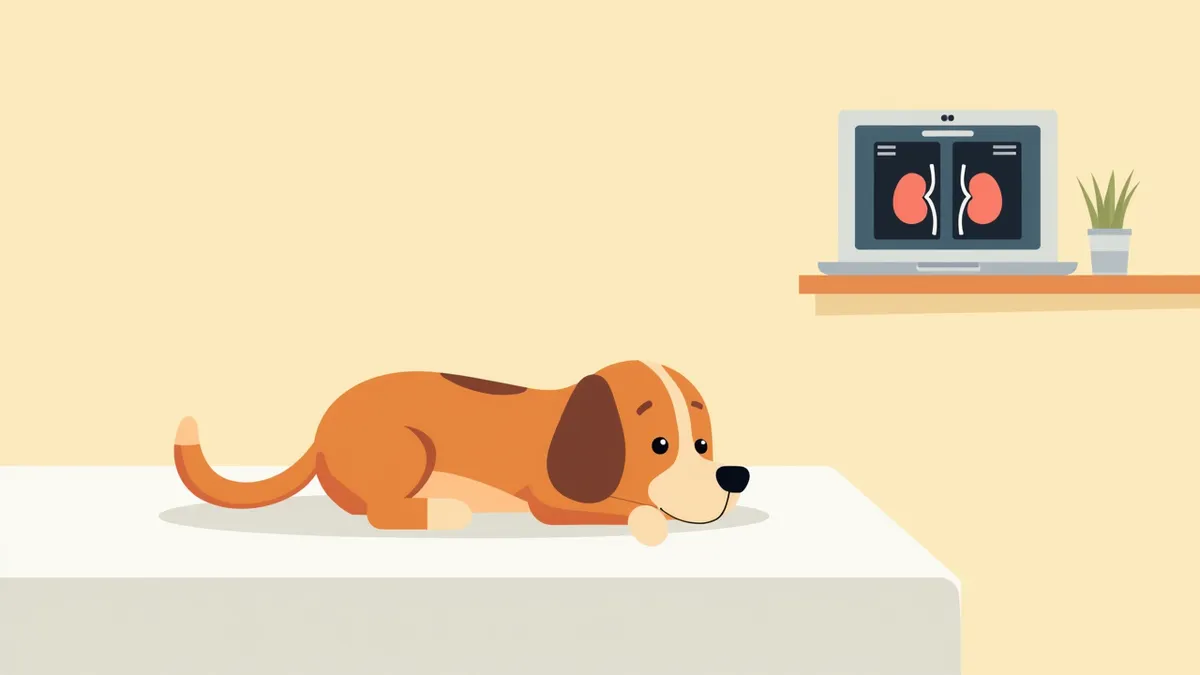
Ultrasound images of a dog's kidney cyst
Kidney cysts in dogs are round, fluid-filled sacs within the kidney tissue. On ultrasound, they appear as well-defined structures with a dark (anechoic) interior. Solitary (isolated) cysts are often discovered incidentally during other examinations and typically cause no symptoms. In contrast, polycystic kidney disease (PKD), characterized by multiple cysts spreading across both kidneys, is known to be linked to genetic factors. While small cysts often have little impact on kidney function, they can grow over time, making it important to monitor for changes. Regular ultrasound examinations to track changes in the size and number of cysts are therefore helpful.

Good to Know: Managing Kidney Cysts in Dogs

Managing kidney cysts in dogs centers on consistently monitoring changes in cyst size and protecting kidney function. - Size Tracking: Regular ultrasound exams are essential to monitor changes in the size and number of cysts. - Kidney Function Assessment: Blood and urine tests should be performed alongside imaging to check for any decline in kidney function. - Dietary Management: Prescription diets designed to reduce stress on the kidneys should be implemented in consultation with your veterinarian. - Hydration: Help ensure your dog maintains adequate fluid intake within the range recommended by your vet. - Caution with Unverified Supplements: Unproven supplements or home remedies can place additional strain on the kidneys. Always consult your veterinarian before adding any new products to your dog’s care routine. Effective management requires both consistency and regular check-ups.
Ultrasound images for tracking the size of kidney cysts in dogs

Good to Know 1: What Is a Kidney Cyst?

Renal cysts are fluid-filled sacs that develop within the kidney tissue. Solitary cysts are often discovered incidentally without causing symptoms, whereas multiple or larger cysts can impair kidney function. In the early stages, there are typically no obvious signs, but as cysts grow, symptoms such as abdominal distension, decreased appetite, vomiting, polydipsia-polyuria (increased thirst and urination), and lethargy may appear. If you notice any of these signs, it is important to visit a veterinary clinic promptly.
What is a kidney cyst? Related guide image

Good to Know 2: Diagnosis and Treatment Options
Kidney cysts are primarily identified through ultrasound examinations, with blood and urine tests used to assess kidney function. On an ultrasound, cysts appear as round structures with clear boundaries and a dark interior. The management approach depends on the size and number of cysts, as well as the state of kidney function. Small, solitary cysts that do not affect kidney function are often monitored through regular check-ups without specific treatment. However, cysts can become infected, and if they grow larger or are accompanied by complications, additional treatment may be necessary. The specific tests and treatments required should always be determined by a veterinarian based on the examination results.
Guide image on diagnosis and treatment options

Good to Know 3: The Importance of Daily Management and Veterinary Consultation

For dogs with kidney cysts, the key is to protect kidney function. If your veterinarian recommends it, ensuring adequate hydration and following a prescription diet that reduces the workload on the kidneys can be helpful. Regular blood and urine tests are also important for monitoring changes in kidney function. Be cautious with supplements or home remedies found online, as many lack proven efficacy and may actually place additional strain on the kidneys. Do not add any treatments without consulting your veterinarian, and always coordinate your care plan with them.
An informative image highlighting the importance of daily care and consulting with a veterinarian.

What Owners Should Know About Kidney Cysts in Dogs

ItemKey Points
ConditionA condition in which fluid-filled sacs (cysts) form within the kidney
SymptomsAsymptomatic in the early stage; vomiting, polydipsia/polyuria, and lethargy when it worsens
DiagnosisAssessment of functional decline through ultrasound, blood, and urine tests
TreatmentObservation is standard for a single cyst; additional treatment considered for infection or complications, decided by the veterinarian
ManagementMaintaining hydration, prescription diet, regular check-ups; do not use supplements on your own

This is not a table recommending specific products or hospitals, but a reference for when you consult your veterinarian. Decisions about treatment and testing must always be made together with your veterinarian through an examination.

Caution: Always Consult Your Veterinarian Before Use

Dogs with kidney cysts may experience weakened kidney function. Because combining this medication with other drugs can cause side effects, only use products prescribed by your veterinarian.

Usage Tips and Management Points
Here are some helpful tips for managing kidney cysts in dogs:
Regular check-ups: It is important to monitor changes in the size and number of cysts through ultrasound examinations at intervals recommended by your veterinarian.
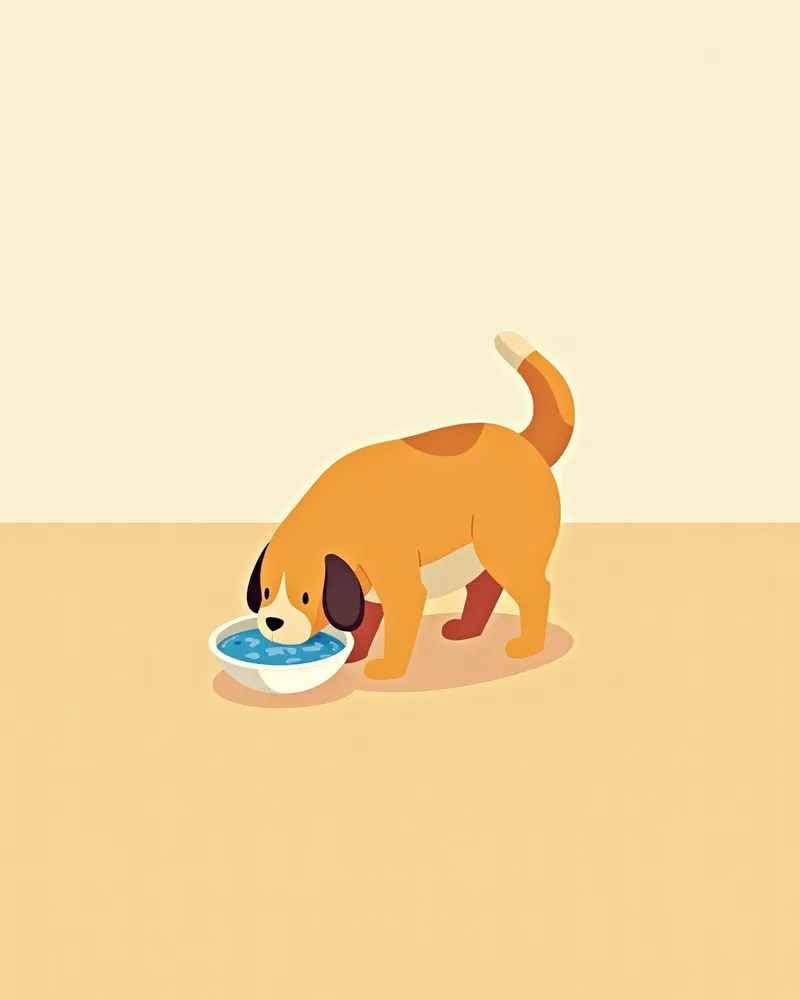
Ensure adequate water intake: If advised by your veterinarian, provide constant access to clean water to maintain proper hydration.
Dietary management: Consult with your veterinarian about implementing a prescription diet designed to reduce the workload on the kidneys.
Minimize stress: Help keep your dog calm by reducing situations that cause tension or anxiety and providing a stable environment.
Weight management: Maintaining an appropriate body weight helps reduce the strain on the kidneys.
A puppy drinking water

Reviewed by a veterinarian

Dr. Tony — Punnawat Phongkittirak

Dr. Tony — Punnawat Phongkittirak

Veterinarian

A veterinarian who majored in veterinary medicine at Khon Kaen University, Thailand, and completed the IVSA program at North Carolina State University in the United States. Drawing on clinical experience at animal hospitals, he works in the pet healthcare field and is dedicated to building a digital care environment that connects pet parents with veterinarians.

Frequently Asked Questions

Can kidney cysts in dogs be treated?
For solitary cysts, regular monitoring and management are typically prioritized over active treatment. If the cyst grows larger or complications such as infection arise, consult your veterinarian about additional interventions.
What happens when a kidney cyst grows larger?
If cysts grow larger or increase in number, kidney function may decline. It’s a good idea to consult your veterinarian for testing if you notice any changes in size or symptoms.
When should I start giving my pet the supplement?
There is no clear evidence that supplements can effectively treat kidney cysts themselves. Whether and when to use supplements should be determined by a veterinarian after evaluating kidney function, so do not start them on your own.
How should I adjust my pet’s diet?
Consider a low-protein, low-phosphorus diet and ensure your pet stays well hydrated. It’s best to use a specific food recommended by your veterinarian.
Can dogs feel cysts?
Most cases are asymptomatic. If your pet experiences pain or a decrease in activity level, immediate veterinary attention is necessary.

Share

Related Guides

References

[1] Plumb's Veterinary Drug Handbook, 9th Edition, 2022

[2] The Cat, Clinical Medicine and Management, 2nd Edition, 2021

[3] Small Animal Internal Medicine, 5th Edition, 2020

This information is based on veterinary literature and does not replace diagnosis or treatment. Please consult a veterinarian for specific health concerns.

Metapet Co., Ltd. | CEO: Park Sung-yong | Business Reg. No. 417-88-02562 | Seoul, South Korea | Customer Center

Dog Kidney Cysts: 7 Vet Tips from Symptoms to Care | Meongsiljang