Like
Share
멍실장
고양이 FVRCP 고양이 복합백신 관리 추천 BEST와 고르는 기준 총정리

The Best Cat FVRCP Combination Vaccines and Selection Criteria: A Complete Guide

Lifestyle & Age CareTop PicksMeongsiljang Veterinary Advisory Board

The FVRCP vaccine is a core vaccine that protects cats against deadly viral diseases. Help keep your cat healthy by choosing the right vaccine and following proper care guidelines.

What is the Cat FVRCP Combination Vaccine?

Cat Vaccination Record Card
The feline FVRCP combination vaccine is a core vaccine that protects against viral rhinotracheitis (feline herpesvirus), calicivirus, and panleukopenia (parvovirus). These three viral diseases are common and can be life-threatening, so vaccination with FVRCP provides essential protection. Panleukopenia, in particular, is widespread and causes severe symptoms, making it a critical target for prevention in cats. It is helpful to know that while the vaccines for herpesvirus and calicivirus may not always prevent infection entirely, they can significantly reduce the severity of symptoms. There are two types of vaccines available: modified live virus (MLV) and killed (inactivated) vaccines. The appropriate type is selected based on your cat’s health status and living environment. Please consult with your veterinarian to determine the best vaccination plan tailored to your cat’s individual health needs.

5 Selection Criteria

When choosing an FVRCP combination vaccine for your cat, be sure to check the following criteria. Each item is key to ensuring your cat’s safety and the vaccine’s effectiveness. First, the vaccine type matters: live vaccines are advantageous for rapid immune response. Next, consider the duration of immunity; a longer-lasting vaccine reduces the need for frequent boosters. Also check for potential side effects—products with fewer adverse reactions are safer. Manufacturer reliability is important too, as is cost-effectiveness. Always consult your veterinarian before making a decision.
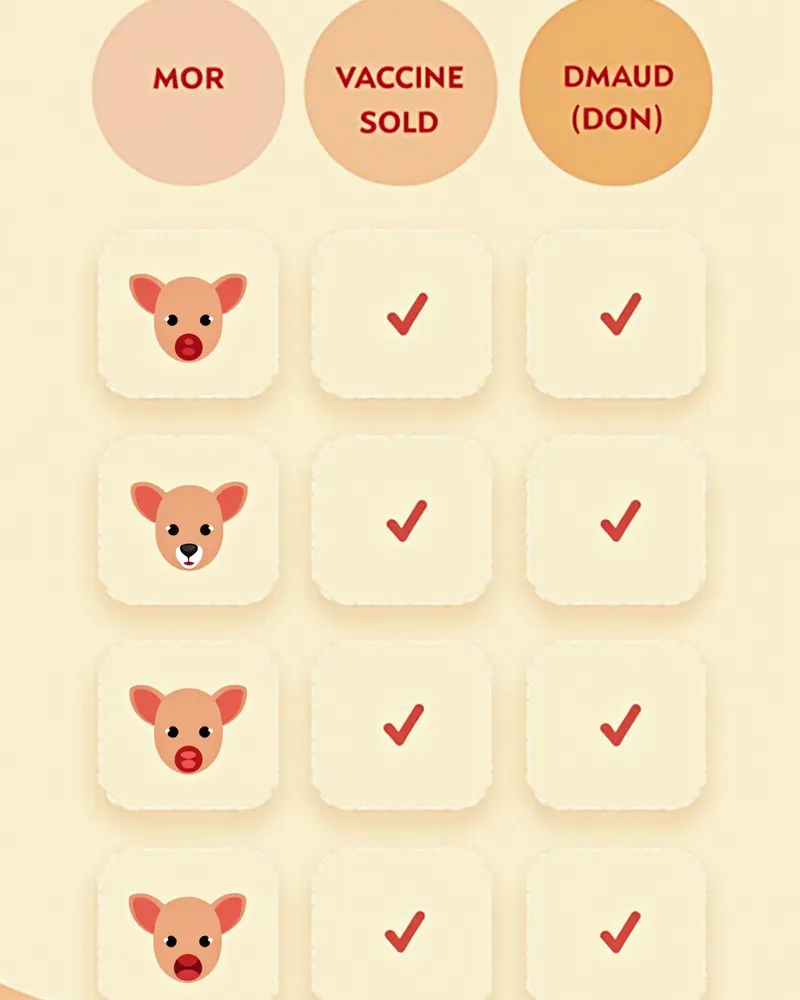
FVRCP Vaccine Comparison Chart

BEST 1: Premium Live Vaccine FVRCP-X

The premium live FVRCP-X vaccine offers a relatively long-lasting immunity, making it a helpful choice for ongoing care. After the initial vaccination series is completed, a booster shot is recommended one year later, followed by subsequent vaccinations at intervals of at least three years. As a live vaccine, it induces a rapid and robust immune response; however, cats with weakened immune systems may be at higher risk for adverse reactions. While it can be safely used in cats that go outdoors frequently, it is important to consult with your veterinarian before making a decision. Although the price is somewhat higher, the extended vaccination interval may result in long-term cost efficiency. Always tailor the vaccination plan to your cat’s weight and overall health status.
Premium FVRCP-X vaccine vial

BEST 2: Budget-Friendly Live Vaccine FVRCP-PLUS

The budget-friendly FVRCP-PLUS live vaccine offers excellent efficacy at a reasonable price. Initial vaccination typically begins at 8 weeks of age, with 2–3 doses administered at 3–4-week intervals, followed by a booster one year later. Thereafter, revaccination is recommended at intervals of at least three years, as annual boosters are not necessarily required. As a live vaccine, it induces a rapid immune response with minimal side effects, though caution is advised in cats with compromised immunity. This practical choice is frequently recommended by veterinarians for its outstanding cost-effectiveness and suitability for indoor cats. Please consult your veterinarian to make the best decision for your pet.
Budget-friendly FVRCP-PLUS vaccine vial

BEST 3: Stabilized Inactivated Vaccine FVRCP-STD
The stabilized inactivated FVRCP-STD vaccine has a low incidence of side effects, making it a relatively safe option for cats with weakened immune systems or those that are pregnant. Although the immune response may be slower than that of live vaccines, it still provides adequate protection. A booster is typically administered one year after the initial vaccination, followed by subsequent vaccinations at intervals of at least three years. This vaccine is especially recommended for indoor cats or those with limited exposure to the outdoors. Priced at a mid-range level, this product emphasizes stability and safety. Your veterinarian will tailor the vaccination plan according to your cat’s weight and health status.
Stabilized FVRCP-STD vaccine vial

Comparison Table of BEST 1–3 Cat FVRCP Vaccines

ItemVaccine typeDuration of immunityLikelihood of side effectsValue for money
BEST 1: FVRCP-XPremium modified live vaccine3 years or more (recommended interval)Moderate; caution when immunity is reducedVery high
BEST 2: FVRCP-PLUSEconomy modified live vaccineAt least 3 years or more (recommended interval)Moderate; caution when immunity is reducedHigh
BEST 3: FVRCP-STDStable killed vaccineAt least 3 years or more (recommended interval)Very lowMedium

Value for money is rated on a scale of 1 to 5, with 5 being the highest. Duration of immunity is based on the recommendation of at least 3 years.

Precautions and Contraindications

Administering live vaccines to pregnant cats can lead to miscarriage or birth defects, so vaccination during early pregnancy should be strictly avoided. Cats with compromised immune systems also require careful consideration before vaccination. If severe reactions such as fever, shock, or vomiting occur within 24 hours of vaccination, seek immediate veterinary care. While killed vaccines may be relatively safe for pregnant cats, always consult your veterinarian before making a decision.

Usage Tips and Care Guidelines

Minimize your cat’s stress before and after vaccination. On the day of vaccination, reduce activity and provide a quiet, comfortable environment. For 24 hours after vaccination, offer slightly less food and ensure frequent access to water. If abnormal symptoms such as fever, shock, or vomiting occur within three days post-vaccination, contact your veterinarian immediately. Keep accurate vaccination records and remember the next scheduled dose. Administer a booster shot one year after completing the initial series, then plan for subsequent vaccinations at intervals of at least three years. Consult your veterinarian to adjust the regimen according to your cat’s body weight.
A cat resting comfortably after vaccination

Reviewed by a veterinarian

Dr. Tony — Punnawat Phongkittirak

Dr. Tony — Punnawat Phongkittirak

Veterinarian

A veterinarian who majored in veterinary medicine at Khon Kaen University, Thailand, and completed the IVSA program at North Carolina State University in the United States. Drawing on clinical experience at animal hospitals, he works in the pet healthcare field and is dedicated to building a digital care environment that connects pet parents with veterinarians.

Frequently Asked Questions

When should the FVRCP vaccine be administered?
Vaccinations typically begin at 8 weeks of age, with 2–3 doses administered at 3–4 week intervals, followed by a booster shot one year later. After that, consider additional vaccinations at intervals of at least three years. Your veterinarian will determine the appropriate schedule based on your pet’s weight and overall health.
Which is better, a live vaccine or a killed vaccine?
Live vaccines trigger a rapid and robust immune response, but they may cause side effects in cats with weakened immune systems. Inactivated vaccines are safer, though their immune response can be slower. Please consult your veterinarian to choose the most suitable option based on your cat’s living environment and health status.
What should I do if my pet shows adverse reactions after vaccination?
If your pet develops a fever, shock, vomiting, or difficulty breathing within 24 hours after vaccination, please take them to the clinic immediately so our veterinarian can provide appropriate care.
Can pregnant cats receive vaccinations?
Administering live vaccines to pregnant cats can lead to miscarriage or birth defects. While killed vaccines are generally safer, you should always consult your veterinarian before making a decision.
Why is it important to keep a record of vaccinations?
Vaccination records are essential for determining the timing of subsequent doses and monitoring for any adverse reactions. It is important to administer a booster shot one year after the initial vaccination, and thereafter consider intervals of at least three years between boosters.

Share

Related Guides

References

[1] The Cat, Clinical Medicine and Management, 2nd Edition, 2023

[2] Clinical Medicine of the Dog and Cat, 4th Ed, 2021

[3] ABCD Guidelines for Feline Vaccination, 2015

This information is based on veterinary literature and does not replace diagnosis or treatment. Please consult a veterinarian for specific health concerns.

Metapet Co., Ltd. | CEO: Park Sung-yong | Business Reg. No. 417-88-02562 | Seoul, South Korea | Customer Center

Best Cat FVRCP Vaccine: Top Picks & How to Choose | Meongsiljang