
Like
Share
멍실장
강아지 눈의 각막 천공 상태를 보여주는 의학적 일러스트

7 Key Points for Emergency Management of Canine Corneal Perforation Recommended by Veterinarians

Eye HealthTop PicksMeongsiljang Veterinary Advisory Board

Canine corneal perforation is an emergency condition that can cause acute pain and vision loss. It’s important to choose appropriate care products and treatments.

Canine corneal perforation is a condition that requires emergency response
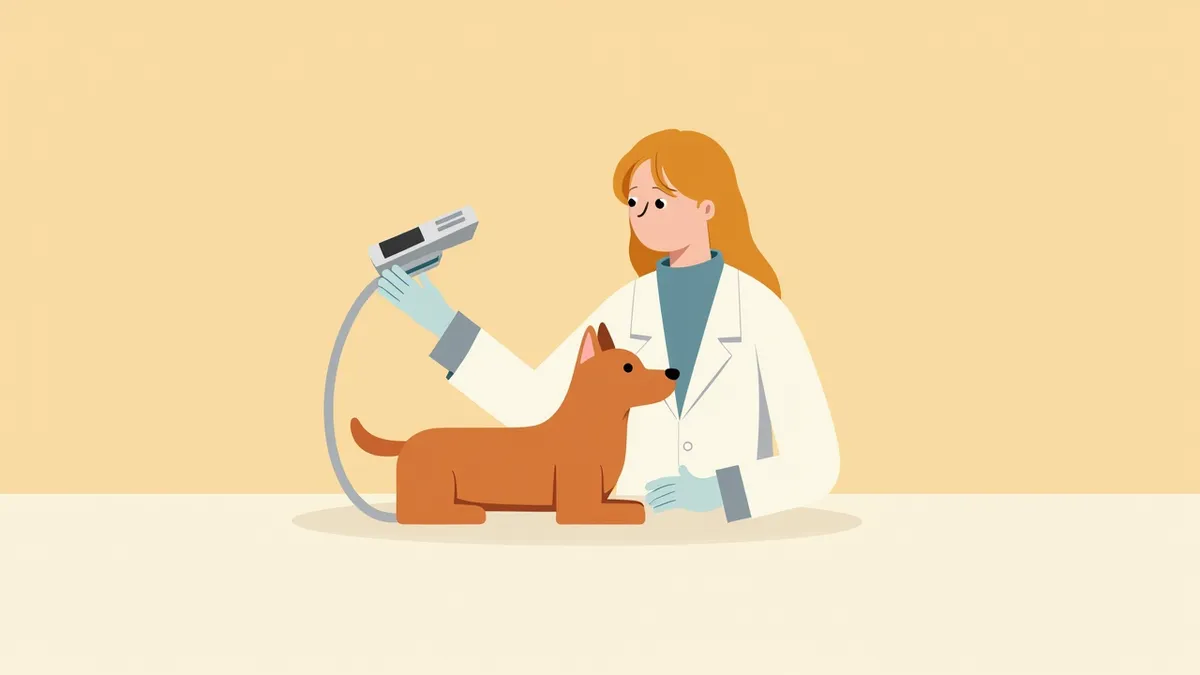
A veterinarian uses a slit lamp to diagnose a corneal perforation in a dog's eye.
A corneal perforation in dogs occurs when the cornea is breached, exposing the interior of the eye, which can cause severe pain and vision loss. It may result from trauma, deep and rapidly progressing corneal ulcers, or rupture of a Descemet’s membrane hernia. This is an emergency that can lead to loss of the eye, so immediate veterinary care is essential. Common signs include squinting or difficulty opening the eye due to pain, increased tearing or discharge, visible bleeding, and fibrin deposition on the eye’s surface. Check your dog’s eyes several times a day to catch these signs early. - Seek immediate veterinary care: Corneal perforations often require surgical repair as soon as possible, so do not delay treatment. - Do not attempt home remedies: Never use over-the-counter products or treat the eye without a veterinarian’s prescription, and avoid touching or pressing on the eye. - Prevent infection and self-trauma: Wash your hands thoroughly, and use an Elizabethan collar to prevent your dog from rubbing its eye. - Schedule regular follow-ups: Continued veterinary monitoring is necessary even after recovery.

Note: Corneal perforation is an emergency
A corneal perforation in dogs is not a condition that can be managed by selecting over-the-counter products on your own; it is an emergency requiring surgical repair and treatment for infection and inflammation as soon as possible. Therefore, rather than asking "what should I buy," the more critical questions are "how quickly can I get care?" and "what type of veterinary treatment is needed?" Even when using eye drops or other medications during the recovery phase, all guidelines below must be followed under the direction of a veterinarian.
Prioritize veterinary care: If a corneal perforation is suspected, immediate ophthalmic examination takes precedence over selecting any product.
Safety: The affected eye requires minimal irritation. Ointment formulations should not be used without veterinary instruction, as their oily components can enter the interior of the eye and cause inflammation.
Prescription requirement: Medications such as antibiotics must only be used if prescribed by a veterinarian, tailored to the severity of the injury.
Veterinary recommendation: Always confirm through a veterinary visit whether the treatment is one actually used in clinical practice.
Comparison image of three eye drops for canine corneal perforation

Note 1: Corneal perforation is an emergency that threatens vision
A corneal perforation is an emergency in which the cornea has ruptured, exposing the interior of the eye and potentially leading to loss of vision or even the eye itself. It can develop from a deep corneal ulcer or result from trauma or a foreign body. If your pet is in severe eye pain, cannot open the eye, has fluid leaking from the eye, or the eye surface looks abnormal, seek veterinary care immediately. Prevent rubbing, avoid applying pressure or human medications, and transport your pet promptly to a veterinary clinic—ideally one with ophthalmology services.
Product image of LaserCare Cornea Plus eye drops

Note 2: Diagnosis and emergency treatment are required

If corneal perforation is suspected, an ophthalmic examination is performed to assess the extent of the damage and the condition inside the eye. In many cases, emergency surgery is required to cover and protect the injured area, along with treatment to prevent infection and inflammation. The sooner treatment is administered, the higher the chance of preserving the eye and vision, making time critical. Therefore, the key is to seek immediate professional emergency care rather than delaying with home remedies when perforation is suspected.
Pro Eye Cornea Herb Natural Ingredient Eye Drops Image

Note 3: Know about post-operative care and prevention
After surgery or treatment, it’s important to administer prescribed medications exactly as directed, protect the eyes thoroughly with an Elizabethan collar, and monitor progress closely through follow-up visits. Recovery takes time, and there’s a risk of complications, so consistent care is essential. To prevent issues, treat eye conditions like corneal ulcers early, minimize environments where eye injuries could occur, and seek veterinary care promptly if you notice signs of eye discomfort. Corneal perforation is a condition where quick action can make all the difference in the outcome.
An image of a puppy wearing a protective collar and using AiAi eye drops for corneal care.

Points to know about corneal perforation

ItemKey Points
UrgencyAn emergency where the cornea is perforated and vision or the eyeball can be lost; go to the clinic immediately
CausesProgression of a deep corneal ulcer, trauma, foreign body
On-the-Spot ResponsePrevent rubbing, avoid pressure and human medications, and seek ophthalmic care promptly
TreatmentEmergency surgery to repair the damage and treatment of infection and inflammation; time is critical
Aftercare & PreventionProtect with an e-collar and follow up; prevent by treating corneal disease early

This is not a table recommending specific products or clinics, but a reference for when you consult a veterinarian. Treatment and testing decisions must always be made together with a veterinarian through an examination.

Caution: Be sure to receive a veterinary diagnosis before use

Corneal perforation may require surgical intervention. Self-diagnosis or indiscriminate use of products can lead to infection. Always have your pet diagnosed at a veterinary clinic and use only prescribed products.

4 Usage Tips

Corneal perforation in dogs requires a veterinarian’s diagnosis and prescription first. The following are tips to keep in mind when using prescribed eye drops during the recovery phase. - Hand washing: Always wash your hands thoroughly before applying eye drops to prevent bacterial contamination. - Avoid pressing on the eye: Since perforated or weakened eyes are at risk, be careful not to apply pressure to the eyeball by pressing or rubbing. - Check the formulation: The oily components in ointments can cause internal eye inflammation in perforated eyes, so use only the formulation specified by your veterinarian. - Storage: Store at room temperature away from direct sunlight to maintain product efficacy. - Pre-use check: Always verify the expiration date and usage instructions on the packaging. - Stable positioning: Administer the medication in a quiet environment where your dog can assume a comfortable position. All medications aid recovery when used accurately as directed by your veterinarian.
An image of a puppy wearing a protective collar

Reviewed by a veterinarian

Dr. Tony — Punnawat Phongkittirak

Dr. Tony — Punnawat Phongkittirak

Veterinarian

A veterinarian who majored in veterinary medicine at Khon Kaen University, Thailand, and completed the IVSA program at North Carolina State University in the United States. Drawing on clinical experience at animal hospitals, he works in the pet healthcare field and is dedicated to building a digital care environment that connects pet parents with veterinarians.

Frequently Asked Questions

Are corneal perforations common in dogs?
It’s relatively uncommon. It usually occurs due to trauma, foreign bodies, deep and rapidly progressing corneal ulcers, or rupture of Descemet’s membrane. Trauma from claws or sharp objects is also a common cause.
Can I just use eye drops at home?
No, that’s not advisable. Corneal perforation often requires surgery, and attempting home treatment can be dangerous. It’s essential to have your pet examined by a veterinarian.
What should I do if I used the product incorrectly?
Stop using it right away and visit the vet. If irritation worsens or tearing increases, it could indicate a more serious issue.
What should I do if my dog barks or seems disoriented while using the product?
If your dog is anxious, let them rest comfortably in a quiet space. After the IV drip, approach them calmly.
How long does it take to recover?
The outcome varies significantly depending on the severity of the injury and whether surgery or complications are involved, so it's difficult to provide a one-size-fits-all answer. It's important to follow your veterinarian's instructions and have regular check-ups to monitor your pet's progress.

Share

Related Guides

References

This information is based on veterinary literature and does not replace diagnosis or treatment. Please consult a veterinarian for specific health concerns.

Metapet Co., Ltd. | CEO: Park Sung-yong | Business Reg. No. 417-88-02562 | Seoul, South Korea | Customer Center

7 Vet Tips for Canine Corneal Perforation Emergencies | Meongsiljang