

7 Key Points for Managing Portosystemic Shunt (PSS) in Dogs, Explained by a Veterinarian
Portosystemic shunt (PSS) in dogs is a hereditary condition that impairs liver function, making proper management and careful selection of supplements essential. This article outlines the best products and key criteria to help you manage PSS effectively.
Portosystemic Shunt (PSS) in Dogs is a Hereditary Condition that Causes Liver Dysfunction
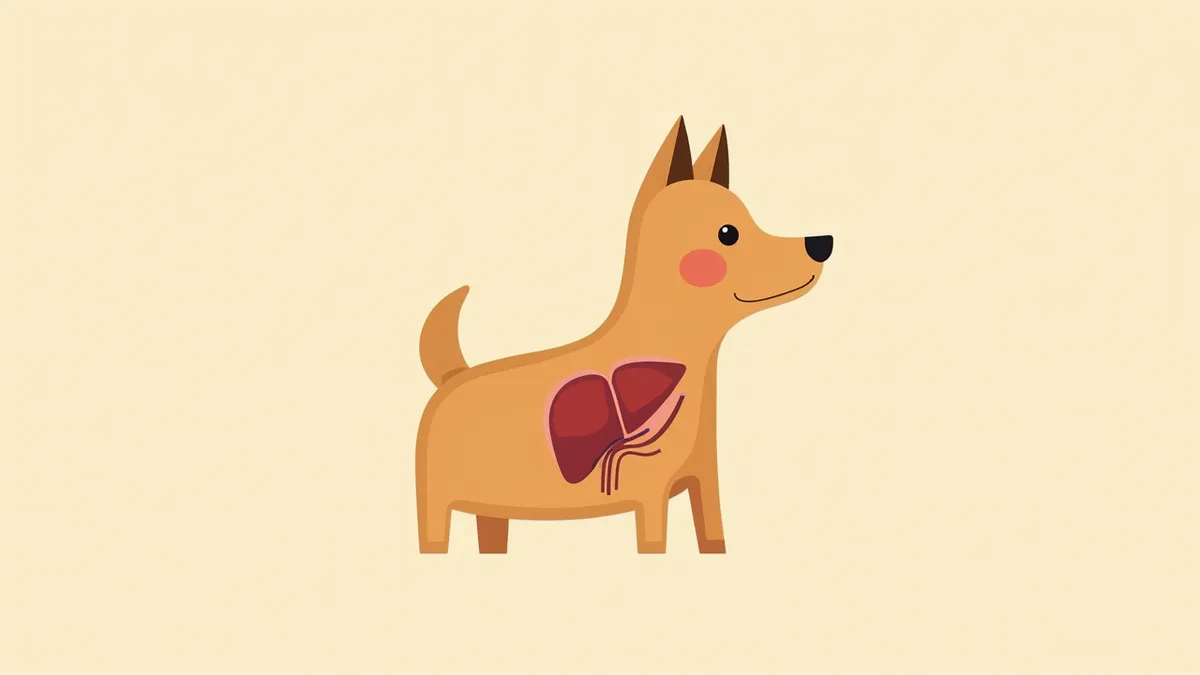
The Key to Managing PSS is Nutritional Control and Removal of Toxic Substances

5 Criteria for Choosing Effective Products for PSS Management

BEST 1: Liver-Support Probiotic Capsules (Premium)
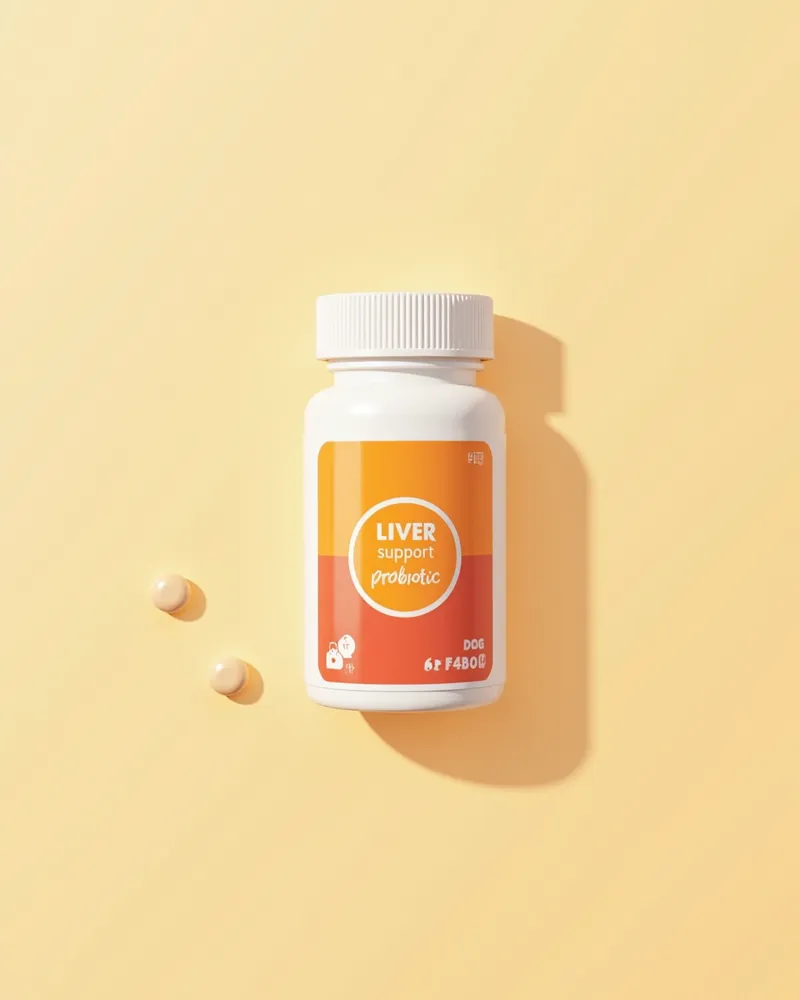
BEST 2: Low-Protein Liver Health Food (Stick Form)

BEST 3: Liver Support Liquid Supplement (Easy Administration)
Comparison Table of Products BEST 1–3
| Item | Product Name | Form | Main Ingredients | Reason for Recommendation |
|---|---|---|---|---|
| BEST 1 | Liver care probiotic capsule | Capsule | Probiotics, dietary fiber | Supports intestinal nitrogen excretion and relief of ammonia burden |
| BEST 2 | Liver care diet food | Stick type | Optimized protein control, dietary fiber | Manages hepatic encephalopathy with appropriate protein and fiber |
| BEST 3 | Liver care liquid supplement | Liquid | Dietary fiber, probiotics | Easy to administer, so low refusal rate |
Choose according to body weight and condition after consulting a veterinarian.
Caution: Excessive Protein Intake Can Worsen PSS Condition
In dogs with portosystemic shunts, liver function is impaired, so feeding excessive amounts of protein that are hard to process—such as red meat, fish, or organ meats—can increase toxic substances like ammonia and worsen symptoms. However, rather than strictly limiting protein, it is important to adjust the amount under veterinary guidance, providing an appropriate quantity (for example, starting at approximately 2.5 g/kg and adjusting to the level the dog can tolerate) of highly digestible protein.
5 Tips for Managing PSS

Reviewed by a veterinarian

Dr. Tony — Punnawat Phongkittirak
VeterinarianA veterinarian who majored in veterinary medicine at Khon Kaen University, Thailand, and completed the IVSA program at North Carolina State University in the United States. Drawing on clinical experience at animal hospitals, he works in the pet healthcare field and is dedicated to building a digital care environment that connects pet parents with veterinarians.
Reviewed 2026-06-07
Frequently Asked Questions
Is PSS a treatable condition?
Is PSS genetic?
When should I start giving my dog a PSS management supplement?
Do dogs with PSS have a shorter average lifespan?
Can I switch my PSS management product to a different one?
Share
Related Guides

7 Key Symptoms and Management Essentials for Canine Cholecystitis Recommended by Veterinarians

Top 5 Milk Thistle (Silymarin) Liver Supplements for Dogs — A Comparison Guide Based on Silybin Content and Absorption Rates

Top Prescription Diets for Dogs with Liver Disease and Selection Criteria

Top 5 Prescription Diets for Cats with Chronic Kidney Disease — Stage-Specific Protein Adjustment

7 Emergency Signs and Causes of Acute Kidney Failure in Dogs You Must Not Miss

7 Behavioral Enrichment Strategies for Mental Stimulation Recommended by Veterinarians

Best Low-Fat Dog Food Recommendations for Pancreatitis and Selection Criteria

Top 5 Medicated Cat Shampoos Recommended by Veterinarians — Fungal Dermatitis and Fungal Care

Top 5 Cat Food Recommendations for Frequent Vomiting — Kibble Size & Dietary Fiber

Top 5 Weight-Management Dog Food Recommendations for 2026
References
[1] Fowler, L.B. et al. (2020). Ecological level analysis of primary lung tumors in dogs and cats and environmental radon activity. J Vet Intern Med 34(6):2660–2670.
[2] Worley, D.R. (2014). Incorporation of sentinel lymph node mapping in dogs with mast cell tumours: 20 consecutive procedures. Vet Comp Oncol 12:215–226.
[3] Yoshida, K. et al. (1999). Clinicopathological study of canine oral epulides. J Vet Med Sci 61:897–902.