Like
Share
멍실장
강아지 바이러스성 간염(개 전염성 간염) 관리 추천 BEST와 고르는 기준 총정리

7 Essential Signs for Managing Canine Infectious Hepatitis, as Recommended by Veterinarians

Liver HealthTop PicksMeongsiljang Veterinary Advisory Board

Canine viral hepatitis is a highly contagious viral disease, making early diagnosis and proper management essential. Here’s a summary of effective management products and methods.

Canine Viral Hepatitis is a Contagious Liver Disease

Electron micrograph of canine adenovirus-1
Canine infectious hepatitis is a systemic, contagious liver disease caused by canine adenovirus type 1 (CAV-1). It can progress more severely in puppies or dogs with compromised immune systems. The disease damages hepatocytes and vascular endothelial cells, leading to a variety of symptoms such as fever, lethargy, vomiting, diarrhea, and respiratory signs like coughing and rapid breathing. Because acute cases can be dangerous, with reported mortality rates of approximately 10–30%, immediate veterinary consultation is essential if symptoms are suspected. Since there are no specific antiviral drugs for CAV-1, supportive care such as fluid therapy and early management are crucial, and regular vaccination remains the most effective preventive measure. - Liver health support: While some supplements are known to help maintain liver health through antioxidant components, it’s best to confirm their actual efficacy and suitability with your veterinarian. - Overall health support: Nutritional components such as vitamins may be used as supplementary support. - Safe usage: Always determine whether and how to use any product under veterinary guidance to ensure it places no undue burden on sensitive dogs.

Key Information: Managing Canine Viral Hepatitis (Canine Infectious Hepatitis)
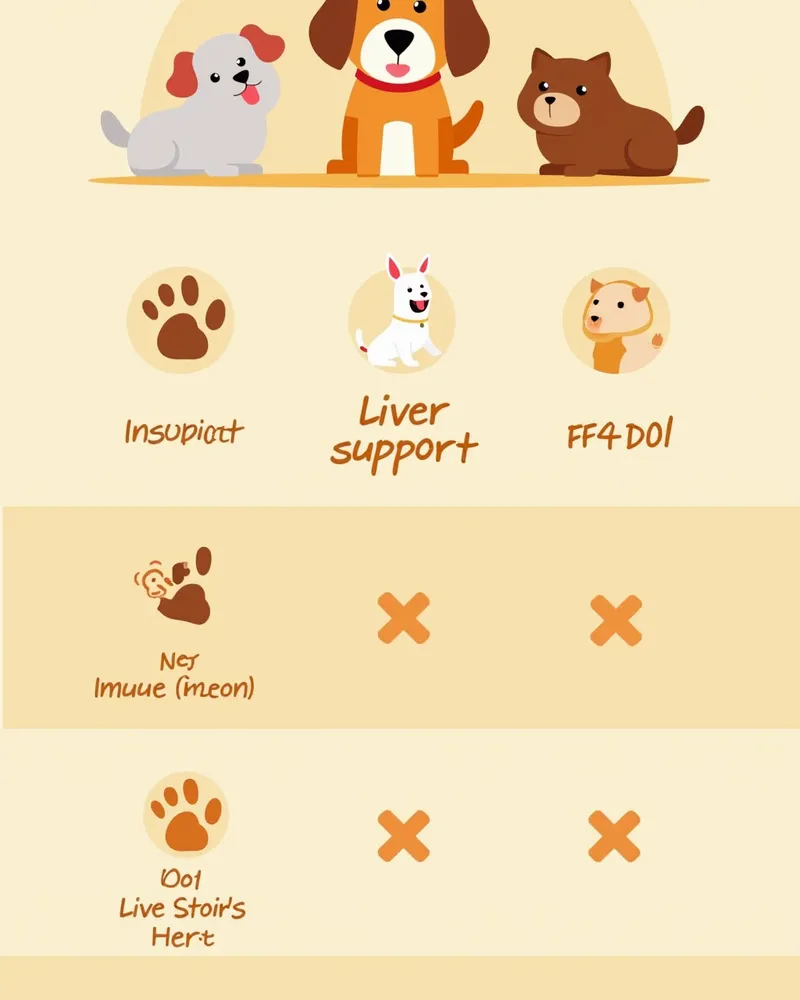
When choosing products to support your dog’s management of viral hepatitis, carefully evaluate the ingredients, safety profile, and whether the product is recommended by a veterinarian. It’s important to remember that there is no specific cure for this disease, and treatment centers on supportive care such as fluid therapy, so any supplements should only be viewed as playing a supportive role.
Liver-supporting ingredients: Ingredients known to help maintain liver health, such as antioxidants, should be discussed with your veterinarian to confirm their actual effectiveness and suitability for your dog.
Overall nutritional support: Products containing nutrients like vitamins can be considered as a supplementary aid.
Use of safe ingredients: Opt for products that contain minimal unnecessary synthetic preservatives or artificial colors.
Veterinarian-guided selection: Choosing a vet-approved product after consulting with your veterinarian is more reassuring than making a decision on your own.
Comparison Chart of Liver Support Products

Key Information 1: Condition, Symptoms, and Urgency
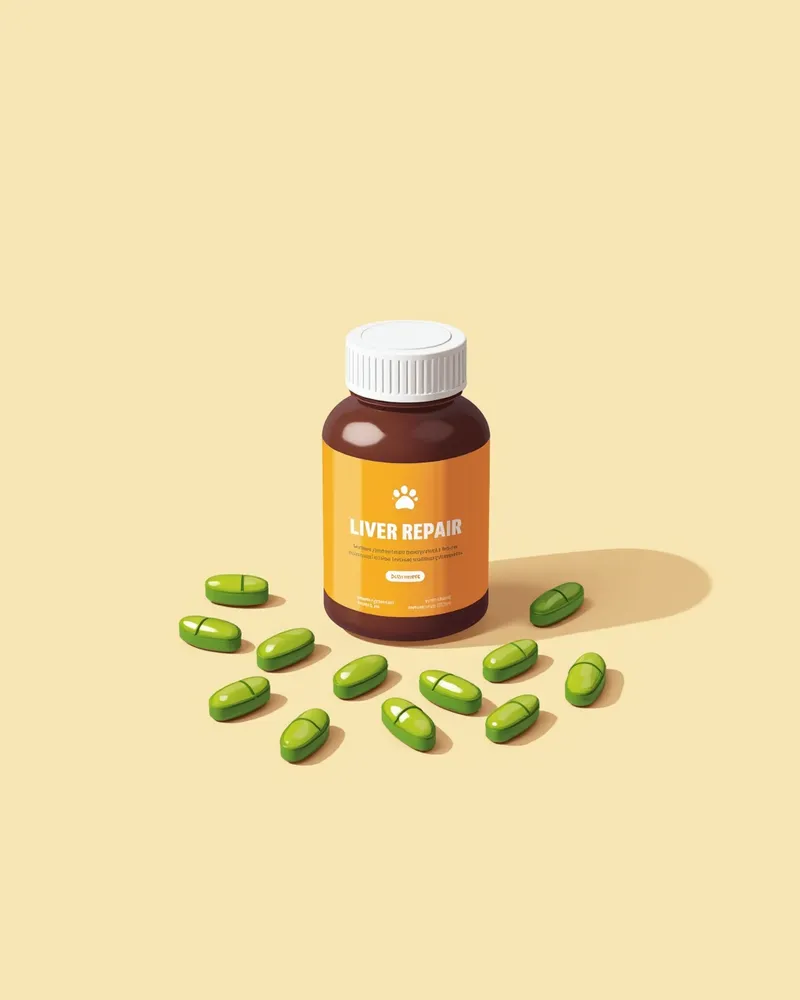
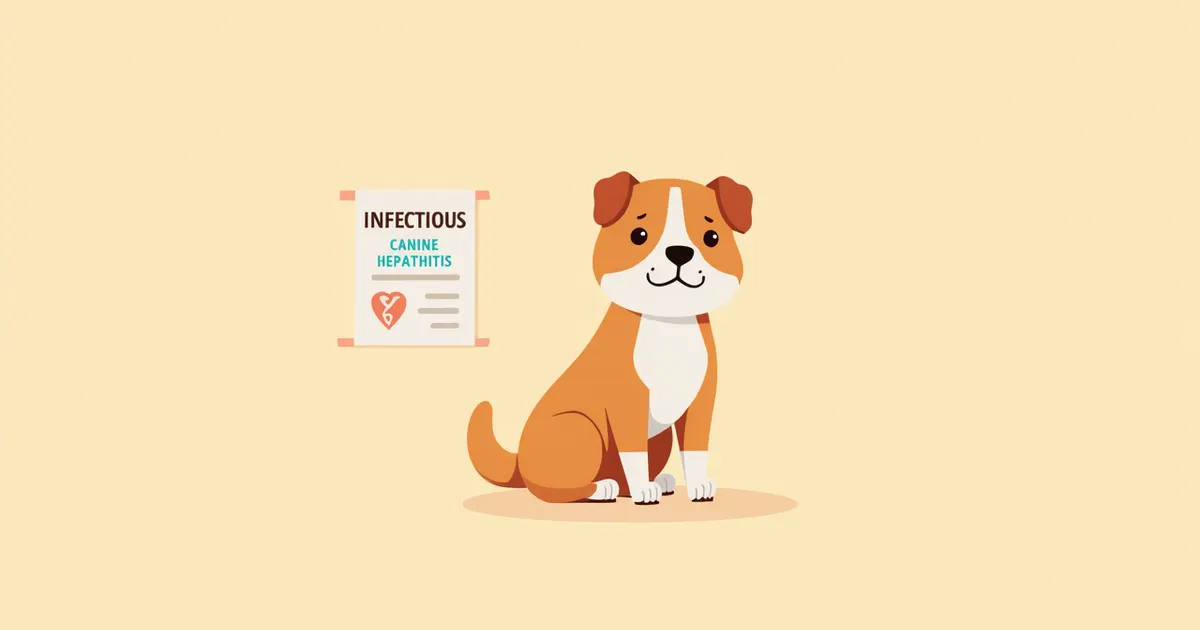
Canine infectious hepatitis is an acute viral disease caused by canine adenovirus type 1 (CAV-1), which attacks liver cells and blood vessel endothelial cells. Infected puppies may exhibit sudden high fever, vomiting, severe lethargy, abdominal pain, jaundice, and corneal clouding (blue eye). This is an emergency condition that can rapidly worsen and lead to death, especially in young puppies. If you suspect these symptoms, visit a veterinary clinic immediately.
Guide image on conditions, symptoms, and emergency care

Key Information 2: Diagnosis and Treatment Options

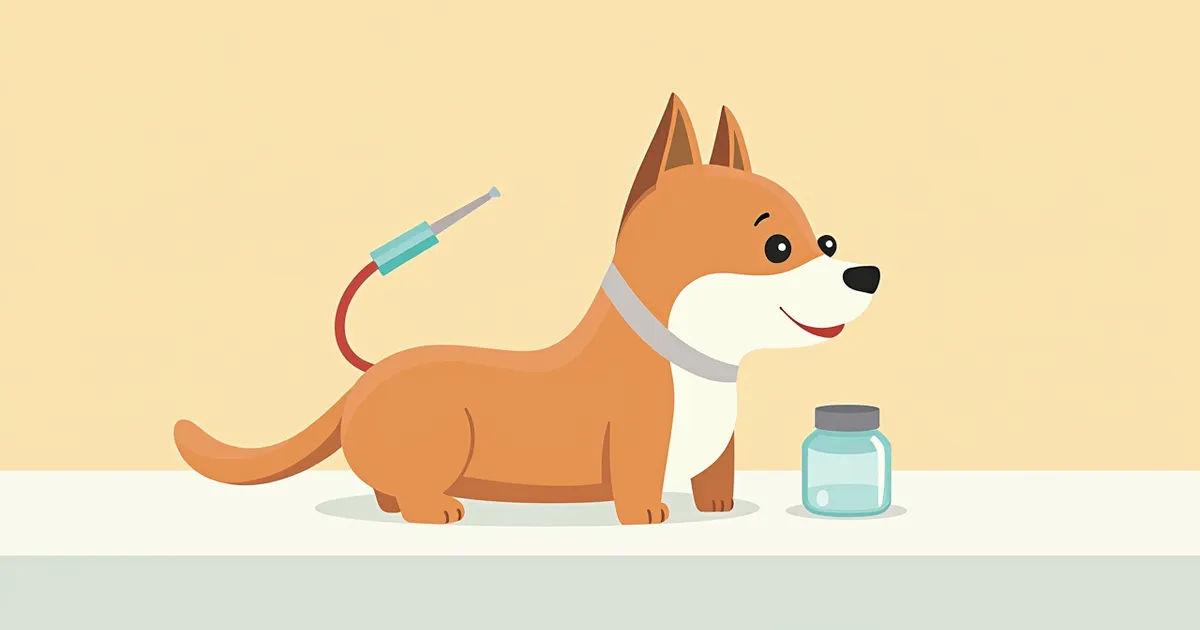
Diagnosis is made by a veterinarian through blood tests (elevated liver enzymes ALT and AST, decreased white blood cell count), viral antigen or antibody testing, and imaging studies (to confirm liver enlargement). There are currently no specific antiviral drugs for CAV-1, so treatment primarily consists of supportive care. This includes intravenous fluids to correct dehydration, veterinarian-prescribed medications to protect liver function, and, if necessary, nutritional support and antibacterial prescriptions. The treatment plan must always be determined by a veterinarian.
Guide image on diagnosis and treatment options

Key Information 3: Management, Precautions, and Veterinary Consultation

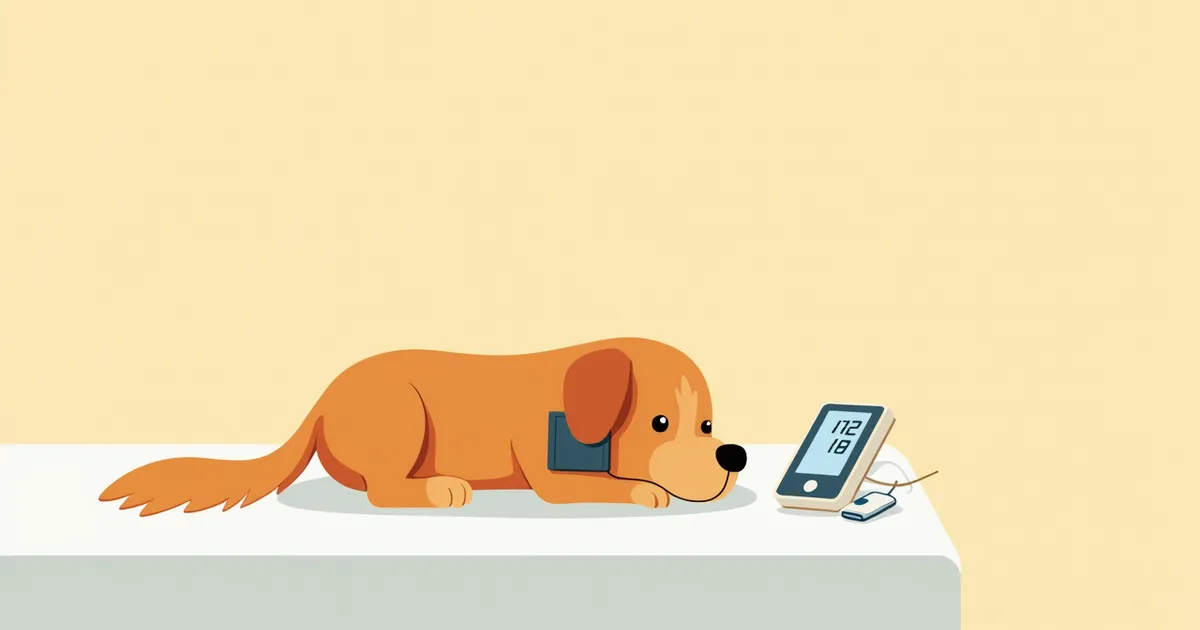
During the recovery phase, it is essential to follow your veterinarian’s instructions for dietary management and to ensure your pet gets plenty of rest. Never feed foods that strain the liver or administer human medications without veterinary guidance. Unverified supplements or home remedies can worsen liver damage, so avoid using them without a prescription from your veterinarian. The most effective preventive measure is regular vaccination, including combination vaccines such as DHPPL. Please consult your veterinarian regarding the vaccination schedule and any additional care plans.
Guidance on care, precautions, and consulting with a veterinarian

Canine Viral Hepatitis (Canine Infectious Hepatitis): What Owners Should Know

ItemKey Points
SymptomsHigh fever, vomiting, jaundice, corneal clouding, severe lethargy
CauseAdenovirus type 1 (CAV-1) infection
DiagnosisVeterinarian's judgment based on blood tests, antigen-antibody tests, and imaging tests
TreatmentSupportive fluid therapy and application of veterinarian-prescribed medications
Prevention and CautionRegular vaccination is essential; avoid arbitrary supplements and folk remedies

This is not a table recommending specific products or hospitals, but a reference for when you consult your veterinarian. Treatment and testing decisions must always be made together with your veterinarian through an examination.

Precautions and Contraindications

Products for managing canine viral hepatitis should be used under veterinary guidance. Overdosing can increase the burden on the liver, and if your dog has underlying health conditions, it is essential to consult with a veterinarian before use.

Usage Tips and Management Points

To get the most out of your puppy’s viral hepatitis management product, follow these tips:
Consistent administration: Give the product at the same time every day. Skipping doses can reduce its effectiveness.
Administer with meals: To minimize stomach irritation and improve absorption, give the product alongside food.
Monitor your pet’s condition: If you notice any adverse reactions such as vomiting, diarrhea, or decreased appetite after administration, stop use immediately and consult your veterinarian.
Veterinary visits are essential: This product is a supportive treatment, not a standalone cure. It should always be used in conjunction with professional veterinary care.
A picture of a pet owner giving nutritional supplements to their dog

Reviewed by a veterinarian

Dr. Tony — Punnawat Phongkittirak

Dr. Tony — Punnawat Phongkittirak

Veterinarian

A veterinarian who majored in veterinary medicine at Khon Kaen University, Thailand, and completed the IVSA program at North Carolina State University in the United States. Drawing on clinical experience at animal hospitals, he works in the pet healthcare field and is dedicated to building a digital care environment that connects pet parents with veterinarians.

Frequently Asked Questions

Can canine viral hepatitis be cured?
With early diagnosis and appropriate supportive care, recovery is possible. However, if the condition progresses acutely, the prognosis should be approached with caution, as mortality rates of approximately 10–30% have been reported. In cases of severe liver damage, long-term management may be necessary even after recovery.
Are vaccinations effective?
Yes, vaccination is a highly effective preventive measure. The vaccines used today are modified live vaccines (CAV-2) with excellent cross-protection, preventing infection from CAV-1 as well. It’s important to start early and complete the recommended number of doses, and you should consult your veterinarian for a specific vaccination schedule.
How long should I continue giving my pet nutritional supplements?
Rather than following a fixed timeline, the duration of use should be determined based on your dog’s condition, so it’s important to follow your veterinarian’s guidance. Keep in mind that supplements are supportive aids, not a replacement for primary treatment.
Are natural ingredient products safer?
Just because an ingredient is naturally derived doesn’t guarantee its safety. Unverified supplements or home remedies can actually place additional stress on the liver, so it’s safest to consult your veterinarian before using them.
Can hepatitis recur after treatment?
Once your pet recovers from the infection, immunity develops, making reinfection unlikely. However, the virus may still be shed for a period after recovery, and liver health requires ongoing attention, so regular check-ups with your veterinarian are recommended.

Share

Related Guides

References

[1] Clinical Medicine of the Dog and Cat, 4th Ed, 2021

[2] Plumb's Veterinary Drug Handbook, 9th Ed, 2022

[3] American Veterinary Medical Association (AVMA) Guidelines on Canine Infectious Diseases, 2023

This information is based on veterinary literature and does not replace diagnosis or treatment. Please consult a veterinarian for specific health concerns.

Metapet Co., Ltd. | CEO: Park Sung-yong | Business Reg. No. 417-88-02562 | Seoul, South Korea | Customer Center

Canine Infectious Hepatitis: 7 Signs & Vet Management Tips | Meongsiljang