Like
Share
멍실장
고양이 복수 천자(심장성 복수) 관리 추천 BEST와 고르는 기준 총정리

Best Recommendations and Selection Criteria for Managing Feline Abdominal Paracentesis (Cardiac Ascites)

HeartTop PicksMeongsiljang Veterinary Advisory Board

Feline ascites is a condition in which fluid accumulates in the abdominal cavity due to impaired heart function. It requires proper management and treatment.

What is Feline Abdominal Paracentesis (Cardiac Ascites)?
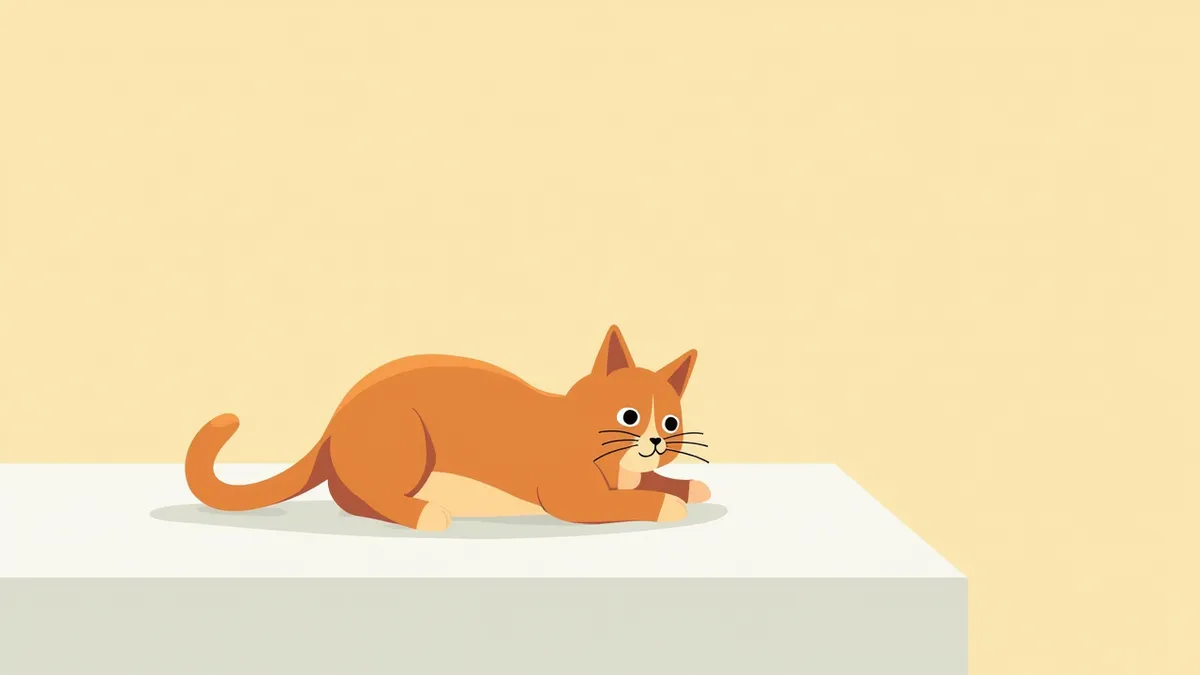
A cat with a swollen abdomen due to heart-related fluid buildup
Feline ascites, specifically cardiac ascites, occurs when fluid accumulates excessively in the abdominal cavity due to impaired heart function. When right-sided or congestive heart failure causes elevated venous pressure, fluid leaks into the abdomen, leading to abdominal distension and potential difficulty breathing. This condition requires immediate veterinary attention; if the fluid volume is causing significant discomfort, a procedure called abdominocentesis may be performed to drain it. However, draining the fluid alone does not address the underlying cause. To prevent re-accumulation, treatment for heart failure—such as diuretics and ACE inhibitors—must be administered concurrently. Early detection and consistent veterinary care are essential to maintaining your cat’s quality of life. Remember, ascites is not just a symptom; it is a warning sign of heart disease.

Selection Criteria: 5 Key Factors for Abdominal Paracentesis Management Products

When selecting supportive products for your cat after abdominal paracentesis, keep these five factors in mind. First and foremost, it’s important to understand that ascites—the fluid accumulating in the abdominal cavity—cannot be absorbed or removed by external pads or patches. Ascites is managed through veterinary-guided paracentesis and treatment of underlying conditions such as heart failure, using medications like diuretics and ACE inhibitors. Supportive products play only a secondary role: protecting the puncture site, maintaining skin health, and providing warmth and comfort. Therefore, choose products with the goal of safely protecting the skin and puncture site, rather than expecting them to reduce ascites.
Safe materials: Made from low-irritation materials that are gentle on cats’ sensitive skin.
Site protection: Helps absorb small amounts of exudate from the puncture site, preventing contamination and keeping the skin clean.
Excellent breathability: Choose products that allow good air circulation to prevent skin irritation during prolonged use.
Easy to wear: A flexible, lightweight design ensures the product stays in place even when your cat moves.
Washable and reusable: Can be cleaned with detergent and reused, making hygiene management easier.
Abdominal paracentesis care pad for cats

BEST 1: PetCare Premium Ascites Management Pad
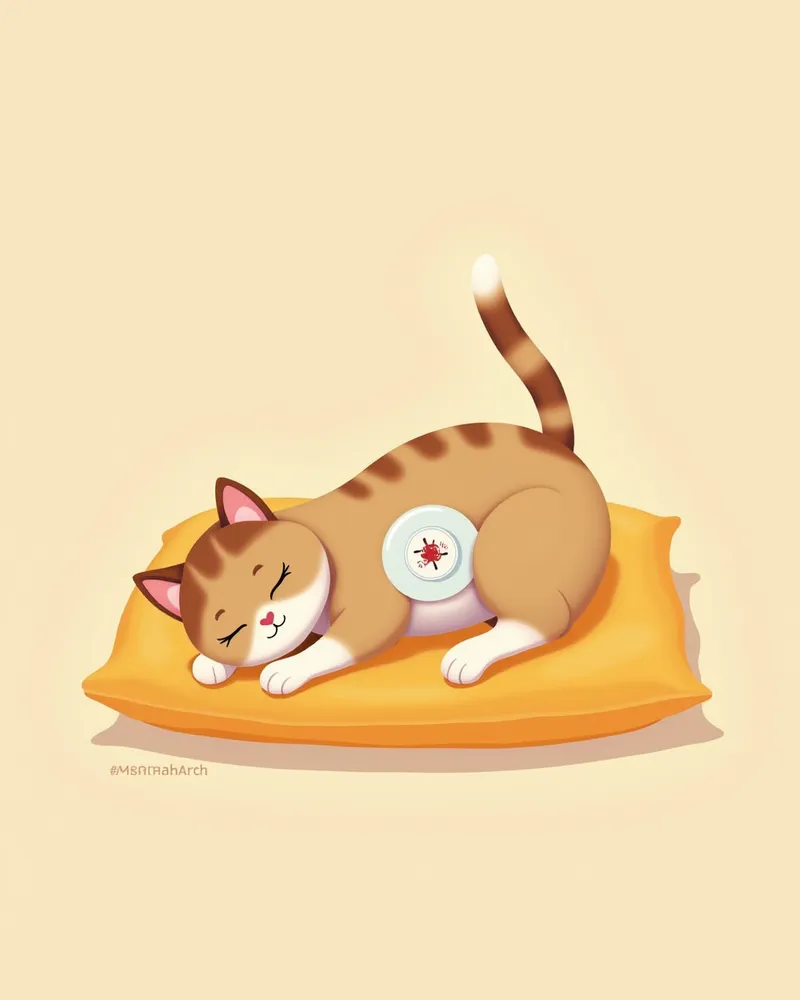
This specialized pad protects the puncture site and abdominal skin of cats after abdominal paracentesis. Its soft material absorbs small amounts of exudate from the puncture site, keeping the surrounding area clean. However, it does not absorb or remove ascites within the abdominal cavity; reducing ascites volume is the role of veterinary procedures such as paracentesis and heart failure treatments like diuretics. The pad is made of breathable, low-irritation material, ensuring relative comfort even with prolonged wear. Designed to stay securely in place during a cat’s movements, it facilitates convenient initial skin care after paracentesis. Reusable for both economical and hygienic use.
A cat wearing an abdominal fluid management pad

BEST 2: LifeCare Health Patch

The LifeCare Health Patch is designed to protect the abdominal skin and manage the puncture site after abdominal paracentesis. It gently wraps around your cat’s abdomen to evenly distribute pressure and safeguard the puncture site. Please note that the external patch does not absorb ascites or prevent its recurrence; reaccumulation of fluid must be managed through heart failure treatments such as diuretics and ACE inhibitors. Made from skin-friendly materials, the patch causes minimal irritation and helps maintain skin health even during extended wear. It is washable and reusable, making it both hygienic and cost-effective. The flexible design allows your cat to move comfortably.
A cat wearing a health patch and resting comfortably

BEST 3: Premium Pet Pad Pro

The Premium Pet Pad Pro is a high-quality product ideal for abdominal skin care following paracentesis. It fits snugly against the abdomen while maintaining excellent breathability to help prevent skin maceration. Please note that the absorbent pad does not remove ascites from the abdominal cavity or prevent its recurrence; effective management of ascites relies primarily on veterinary-guided paracentesis and medication for heart failure. Its lightweight, flexible design allows cats to move freely. The pad is washable and reusable, making it suitable for long-term use and easy to maintain hygienically. It helps protect the puncture site and surrounding skin during the recovery process after paracentesis.
Detailed features of the advanced ascites management pad

Comparison Table of BEST 1–3 Products

ItemBEST 1: PetCare Premium PadBEST 2: LifeCare Health PatchBEST 3: Premium Pet Pad Pro
Puncture-site exudate absorptionExcellentVery goodExcellent
BreathabilityVery goodGoodVery good
Skin irritationLowLowLow
ReusableYesYesYes
Price rangeMediumLowHigh

The absorption item in the table refers to the small amount of exudate at the puncture site; abdominal ascites itself cannot be absorbed or removed by an external product and requires veterinary abdominocentesis and heart failure treatment such as diuretics. Prices are per single unit, and reusable products can be used after washing.

Caution: Essential Points to Know When Managing Post-Abdominal Paracentesis

After abdominal paracentesis, it’s essential to closely monitor your cat’s condition. If signs of abdominal pain, loss of appetite, or shock appear, seek veterinary care immediately. If skin rash or itching occurs while using the product, discontinue use and consult your veterinarian. Since abdominal paracentesis may need to be repeated, a long-term management plan is necessary.

Usage Tips: Post-Abdominal Paracentesis Cat Care Checklist

To ensure your cat recovers well after abdominal fluid drainage, please follow these essential care tips. Monitor their condition daily and clean any medical devices regularly. Provide a quiet environment to keep your cat calm, and adjust their food portions appropriately. It is also crucial to administer medications exactly as directed by your veterinarian. Consistent daily management is key to preventing the recurrence of ascites.
Daily Observation: Check for abdominal swelling and monitor breathing.
Device Cleaning: Clean daily, dry thoroughly, and store properly.
Environment Management: Provide a quiet and warm space.
Dietary Adjustments: Offer small, frequent meals.
Medication Administration: Follow your veterinarian’s instructions precisely.
Post-Abdominal Paracentesis Care Checklist

Reviewed by a veterinarian

Dr. Tony — Punnawat Phongkittirak

Dr. Tony — Punnawat Phongkittirak

Veterinarian

A veterinarian who majored in veterinary medicine at Khon Kaen University, Thailand, and completed the IVSA program at North Carolina State University in the United States. Drawing on clinical experience at animal hospitals, he works in the pet healthcare field and is dedicated to building a digital care environment that connects pet parents with veterinarians.

Frequently Asked Questions

How often should abdominal paracentesis be performed?
It depends on the veterinarian’s judgment. There is no fixed schedule; the procedure is performed when fluid reaccumulates, causing abdominal distension or discomfort. If heart failure treatments such as diuretics are effective, the interval between taps can be extended.
My cat seems uncomfortable after the abdominal fluid drainage.
The product may not fit properly or the size may be incorrect. Please consult your veterinarian to switch to a more suitable product.
How should I adjust my pet’s food intake after abdominal fluid drainage?
Offering smaller, more frequent meals can help reduce the burden on your pet’s abdomen. It’s best to consult with your veterinarian to adjust the type and amount of food based on your pet’s heart condition.
What’s the best way to clean the product?
After washing your hands with water and a neutral detergent, make sure to dry them thoroughly in sunlight. Incomplete drying can lead to bacterial growth.
After abdominal paracentesis, the cat is showing signs of shock.
You should go to the vet immediately. While abdominal paracentesis is a relatively safe procedure that most cats tolerate well, shock symptoms can be a sign that the underlying disease, such as heart failure, is severe. Never ignore any abnormal symptoms.

Share

Related Guides

References

This information is based on veterinary literature and does not replace diagnosis or treatment. Please consult a veterinarian for specific health concerns.

Metapet Co., Ltd. | CEO: Park Sung-yong | Business Reg. No. 417-88-02562 | Seoul, South Korea | Customer Center

Feline Cardiac Ascites: Best Paracentesis Care Picks | Meongsiljang