Like
Share
멍실장
고양이 구강 세균과 전신 질환 관리 추천 BEST와 고르는 기준 총정리

Oral Bacteria in Cats Linked to Heart and Kidney Disease? 7 Key Oral Care Tips to Prevent Systemic Conditions

Oral HealthTop PicksMeongsiljang Veterinary Advisory Board

Oral bacteria in cats are closely linked not only to dental diseases but also to systemic conditions such as heart and kidney disease. Choosing the right care products is essential.

What Is Oral Bacterial and Systemic Disease Management in Cats?

A veterinarian checking a cat's oral health.
Oral bacteria in cats are the primary cause of not just bad breath and dental issues, but also inflammation and infection throughout the gums and periodontal structures (including the gingiva, periodontal ligament, and alveolar bone). Periodontal disease is so common that it affects most adult cats, as plaque bacteria and their byproducts trigger inflammatory responses. While it is well-established in humans that oral diseases are linked to systemic health conditions such as heart disease, stroke, and diabetes, research is increasingly highlighting similar systemic impacts in companion animals, including cats. Therefore, oral hygiene maintenance is not merely about dental care; it serves as a foundation for safeguarding overall health. It is essential to consistently manage plaque and tartar by combining daily home care, such as brushing, with regular veterinary examinations and professional cleanings. This consistent care becomes a fundamental habit that helps your cat live a healthier life. When selecting oral care products, please consider their efficacy, safety, and your cat’s individual response.

Six Key Selection Criteria

When choosing an oral bacterial care product for your cat, be sure to check these six key criteria: efficacy, safety, method of administration, ingredients, your cat’s response, and cost-effectiveness.
Efficacy: The product should contain ingredients proven to remove tartar and inhibit bacteria.
Safety: It should be free of ingredients harmful to cats and have minimal side effects even if ingested in excess.
Method of Administration: Simpler forms, such as liquids, sprays, or treats, make administration easier.
Ingredient Purity: Choose products that are free from synthetic preservatives, artificial colors, and fragrances.
Cat’s Response: Ideally, the product should be one your cat accepts naturally without resistance.
Cost-Effectiveness: Considering long-term use, products that offer high efficacy relative to their cost are ideal.
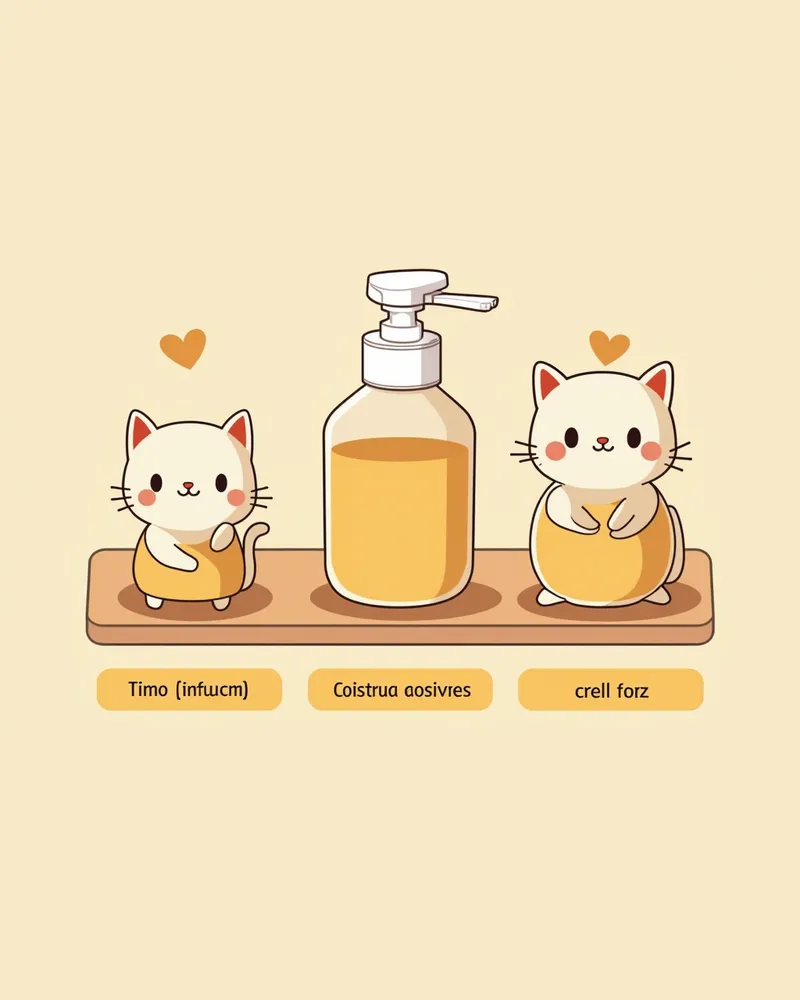
Comparison image of three cat oral care products

BEST 1: Premium Plaque Control Spray

Premium Plaque Control Spray is designed to quickly coat the teeth and inhibit plaque-forming bacteria. Ingredients like chlorhexidine are commonly used in veterinary dentistry for their antibacterial and antiseptic properties. It’s easy to use—just spray once or twice a day—and its mild scent makes it relatively well-tolerated even by cats that are sensitive to strong odors. However, rather than claiming that the product alone has “proven” to reduce tartar, it’s more accurate to view it as a supportive aid in managing plaque and tartar. To make an informed choice, check whether the product meets recognized efficacy standards, such as those set by the Veterinary Oral Health Council (VOHC). Most importantly, this spray works best as part of a comprehensive oral care routine that includes daily tooth brushing and regular veterinary check-ups and professional cleanings.
A cat approaching the oral spray

BEST 2: Three-Piece Tartar-Control Treat Set

Our three-piece tartar-control treat set is designed with a special texture that creates friction against the teeth, helping to reduce the buildup of plaque and tartar. These treats are crafted with flavors and textures cats love, making mealtime enjoyable. Just one or two pieces a day is enough, but be careful not to overfeed, as excessive consumption can cause digestive upset. While such treats, foods, and products can help mechanically manage plaque and tartar, they cannot completely replace daily tooth brushing. For added peace of mind, look for products that meet recognized efficacy standards, such as those approved by the VOHC. In the long run, it’s best to use these treats alongside regular veterinary checkups and professional dental cleanings to maintain optimal oral health. They’re a practical choice that fits naturally into your cat’s eating habits.
A cat enjoying dental health treats

BEST 3: Liquid Oral Rinse

Liquid oral rinses are mixed with water, allowing cats to consume them relatively naturally. While they’re easy to administer, overconsumption can cause gastrointestinal upset, so it’s important to follow the recommended dosage on the label. Some products contain antibacterial or antiseptic ingredients like chlorhexidine, which can help chemically control plaque and tartar. However, it’s difficult to definitively claim that these products alone have “proven” bacteria-inhibiting effects; they’re best viewed as supplements to brushing and regular veterinary checkups. Look for products that meet recognized efficacy standards, such as those approved by the VOHC, and use them consistently alongside routine veterinary exams to help make oral care a daily habit.
Adding an oral rinse to your cat's water bowl

Comparison Table of BEST 1–3 Products

ItemBEST 1 SprayBEST 2 Treat SetBEST 3 Liquid Cleanser
Main ingredientsChlorhexidine, tea tree oilDietary fiber, calcium, pectinFerulic acid, lemongrass extract
Method of administrationSpray 1–2 times/day1–2 treat pieces/day1 ml of liquid/day
Cat's responseLoves it very muchLikes itModerate
Price (per 30 days)About $20About $20About $10
Additional benefitImproves bad breathImproves digestionImproves skin health

Prices are average consumer prices as of 2024. Products were selected based on veterinarian recommendations.

Precautions

If your cat experiences vomiting, diarrhea, or loss of appetite after using an oral bacterial management product, stop using it immediately and consult your veterinarian. Liquid products, in particular, can cause gastrointestinal upset if ingested in excess.

Usage Tips

Oral bacterial control products require consistent use to be effective. Start with once-daily application and gradually acclimate your cat by closely monitoring their response. Before switching products, use the current one for at least two weeks to assess its effects. Combining this with regular veterinary check-ups allows for accurate evaluation of your cat’s oral health. Carefully observe changes in eating habits, weight, and breath odor. Effective oral care is a long-term commitment, not a short-term fix.
Cat Oral Care Schedule Image

Reviewed by a veterinarian

Dr. Tony — Punnawat Phongkittirak

Dr. Tony — Punnawat Phongkittirak

Veterinarian

A veterinarian who majored in veterinary medicine at Khon Kaen University, Thailand, and completed the IVSA program at North Carolina State University in the United States. Drawing on clinical experience at animal hospitals, he works in the pet healthcare field and is dedicated to building a digital care environment that connects pet parents with veterinarians.

Frequently Asked Questions

Do oral bacterial control products need to be used every day?
Consistent use is key. Just as veterinary textbooks recommend daily home care (such as brushing) for plaque control, it’s best to use this product every day according to the manufacturer’s instructions.
Can oral bacteria cause systemic diseases?
In humans, it is well established that oral diseases are linked to systemic conditions such as heart disease, stroke, and diabetes. While the systemic impact of periodontal disease in cats is increasingly being studied, it is more accurate to view these connections as potential rather than definitive. This underscores the importance of consistent oral care.
What should I do if my cat refuses the product?
Try switching to a different flavor or changing the form (e.g., from spray to treat). It’s also a good idea to consult with your veterinarian.
Can oral bacterial management products replace professional dental care?
No. Regular veterinary check-ups and professional scaling and dental cleaning under anesthesia are essential. Please use the product only as a supplementary aid.
Can young kittens use it too?
Age eligibility varies by product, so always check the label first. For kittens, it’s safest to consult your veterinarian before use.

Share

Related Guides

References

[1] The Cat, Clinical Medicine and Management, 2nd Edition, 2023

[2] Feline Dentistry: A Practical Guide for Veterinary Nurses, 2021

[3] American Veterinary Dental College Guidelines on Feline Oral Health, 2022

This information is based on veterinary literature and does not replace diagnosis or treatment. Please consult a veterinarian for specific health concerns.

Metapet Co., Ltd. | CEO: Park Sung-yong | Business Reg. No. 417-88-02562 | Seoul, South Korea | Customer Center

Cat Oral Bacteria & Heart, Kidney Disease: 7 Care Tips | Meongsiljang