
Top 7 Peritoneal Dialysis Management Products for Cats with Kidney Failure Recommended by Veterinarians and Selection Criteria
Peritoneal dialysis is an important option for managing chronic kidney disease in cats. Here’s a summary of effective management products and criteria.
What is Peritoneal Dialysis in Cats?
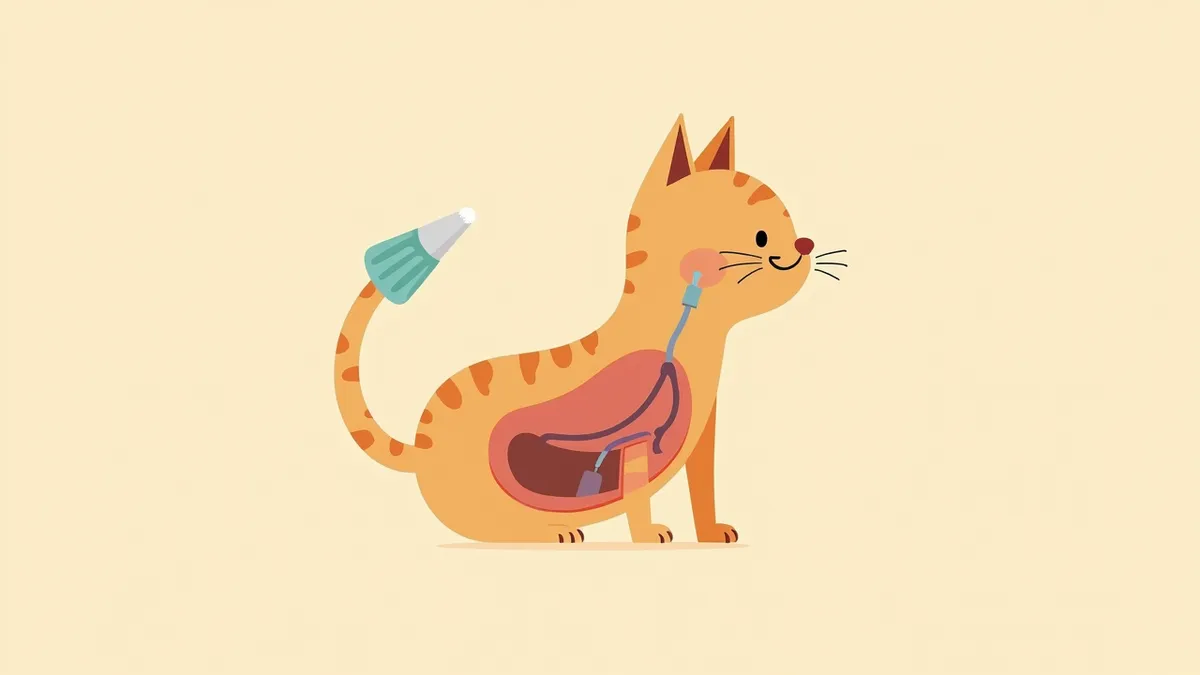
Note: Peritoneal Dialysis is Intensive Treatment Administered in a Hospital
Check 1: Availability of Facilities and Specialized Staff for Peritoneal Dialysis

Check 2: Catheter Infection Management and Aseptic Technique Competence

Check 3: 24-Hour Monitoring and Critical Care System

Checklist for Choosing a Peritoneal Dialysis Clinic
| Item | Recommended Criteria |
|---|---|
| Facilities/Experience | A place with experience in peritoneal dialysis/renal intensive care and capable of 24-hour hospitalization management |
| Infection Control | A place with aseptic technique and infection control protocols for catheter insertion and replacement |
| Monitoring | A place that continuously monitors fluids, electrolytes, and vital signs and can provide emergency response |
| Explanation | A place that transparently explains treatment progress and costs |
This is not a table recommending specific products or hospitals, but criteria to reference when consulting with your veterinarian. Treatment and testing decisions must always be made together with your veterinarian through examination.
Precautions: Beware of Infection Risk During Peritoneal Dialysis
Infection during peritoneal dialysis can be life-threatening. If you notice redness, swelling, or a high fever at the catheter site, seek veterinary care immediately.
Peritoneal Dialysis Management Tips

Reviewed by a veterinarian

Dr. Tony — Punnawat Phongkittirak
VeterinarianA veterinarian who majored in veterinary medicine at Khon Kaen University, Thailand, and completed the IVSA program at North Carolina State University in the United States. Drawing on clinical experience at animal hospitals, he works in the pet healthcare field and is dedicated to building a digital care environment that connects pet parents with veterinarians.
Reviewed 2026-06-05
Frequently Asked Questions
Is peritoneal dialysis painful for cats?
How many times a day should dialysis be administered?
Where can I get dialysis solution?
Is peritoneal dialysis a lifelong treatment?
How should I administer dialysis when going out?
Share
Related Guides

Top 5 Prescription Diets for Cats with Chronic Kidney Disease — Stage-Specific Protein Adjustment

7 Emergency Signs and Causes of Acute Kidney Failure in Dogs You Must Not Miss

Top 5 Cat Kidney Supplements Recommended for 2026
Top 3 Recommendations and Key Criteria for Managing Feline Urethral Obstruction

The Best Cat Urethral Catheter Care Products and Selection Criteria: A Complete Guide

Top Picks and Key Criteria for Managing Feline Stress-Induced Cystitis

Top 3 Recommended Products for Managing Feline Pyelonephritis and Selection Criteria

Top Recommended Products and Selection Criteria for Managing Feline Hypertension and Proteinuria

Top Recommended Products and Selection Criteria for Managing Feline Lower Urinary Tract Disease (FLUTD)

Top Recommended Management Products for Feline Bacterial Cystitis and Selection Criteria
References
[1] Plumb's Veterinary Drug Handbook, 9th Edition. 2022. Wiley-Blackwell.
[2] Kirk RW, Bonagura JD. Current Veterinary Therapy XII: Small Animal Practice. 2020. Elsevier.
[3] Veterinary Internal Medicine: A Textbook of Small Animal Medicine. 2021. Elsevier.