
7 Best Cat PU/PD Management Products Recommended by Veterinarians — From Causes to Management
Feline polyuria and polydipsia (PU/PD) can be an early sign of serious conditions such as kidney dysfunction or diabetes. Proper management products and lifestyle habits are essential.
What Is Feline Polyuria and Polydipsia (PU/PD)?
Selection Criteria: 4 Key Factors for Choosing PU/PD Management Products

BEST 1: Premium Kidney Health Food (Cat-Specific)
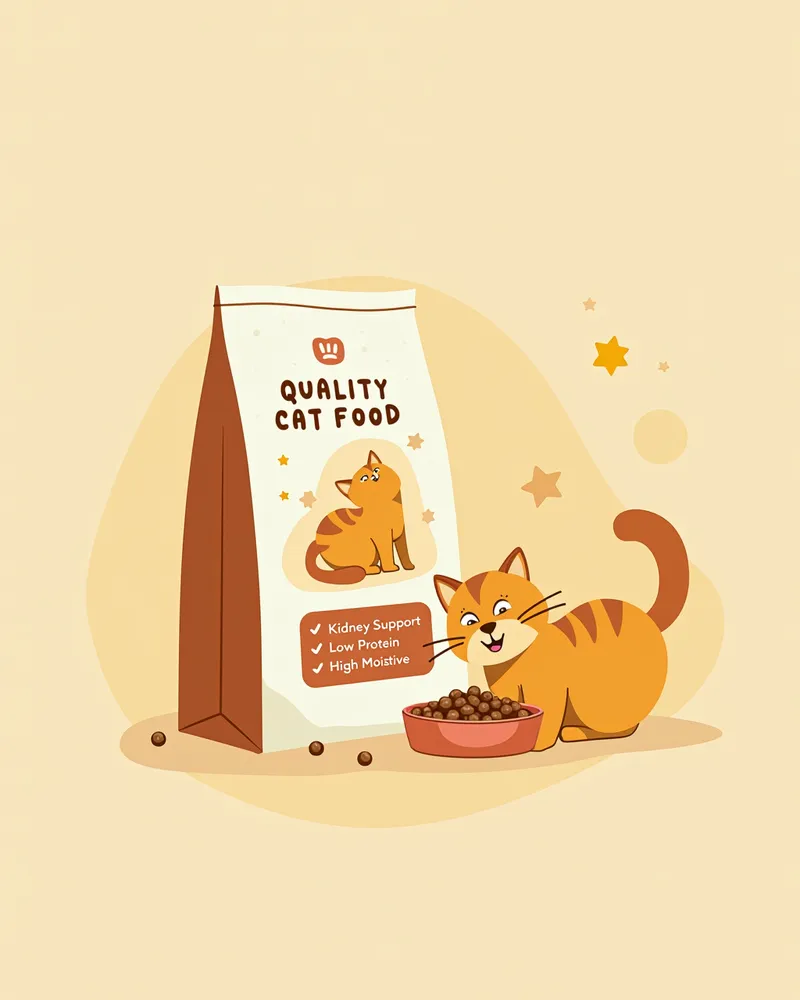
BEST 2: Liquid Supplement for Hydration Support
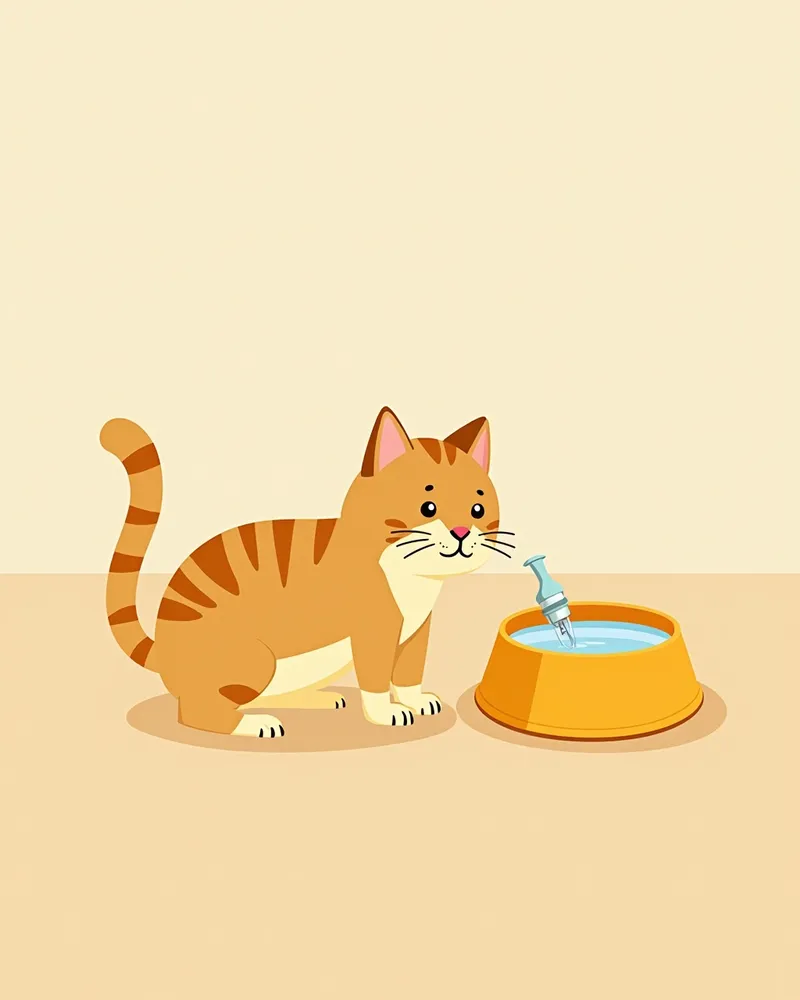
BEST 3: Snack-Type Supplement for Urine pH Regulation

Comparison Table of BEST 1–3 Products: Choose Based on Selection Criteria
| Item | BEST 1 Food | BEST 2 Supplement | BEST 3 Snack |
|---|---|---|---|
| Key Ingredients | Omega-3, low phosphorus, low protein | Hydration-boosting ingredients, fish flavor | Antioxidants, urine pH management |
| Function | Kidney protection, hydration | Encourages water intake | Urine pH regulation, urinary tract health |
| Administration Method | Mix into meals | Drop into water | 1–2 pieces per day like a treat |
| Recommended Timing | Early stage of declining kidney function | When not drinking water | When there is a risk of urinary stones |
Adjust the product combination based on your veterinarian's diagnosis. Combined use may be more effective than using a single product alone.
Caution: PU/PD May Be a Sign of Serious Disease
If your cat drinks more than 45 mL of water per kilogram of body weight per day or experiences a sudden increase in urine output, there is a high likelihood of diabetes or kidney disease. Immediate veterinary attention is required. Do not attempt to diagnose the condition at home; professional testing is essential for an accurate diagnosis.
Usage Tips: Enhance Effectiveness with Daily Care
Reviewed by a veterinarian

Dr. Tony — Punnawat Phongkittirak
VeterinarianA veterinarian who majored in veterinary medicine at Khon Kaen University, Thailand, and completed the IVSA program at North Carolina State University in the United States. Drawing on clinical experience at animal hospitals, he works in the pet healthcare field and is dedicated to building a digital care environment that connects pet parents with veterinarians.
Reviewed 2026-06-05
Frequently Asked Questions
Can a cat's polyuria-polydipsia be diabetes?
Will giving this product eliminate polyuria?
How many times a day should my pet drink water?
How do I collect a urine sample?
Is it safe to give my pet a product for managing polyuria long-term?
Share
Related Guides
Top 5 Prescription Diets for Cats with Chronic Kidney Disease — Stage-Specific Protein Adjustment
7 Emergency Signs and Causes of Acute Kidney Failure in Dogs You Must Not Miss
Top 5 Cat Kidney Supplements Recommended for 2026

Top Recommended Products and Selection Criteria for Managing Frequent and Urgent Urination in Dogs
Top 3 Recommendations and Key Criteria for Managing Feline Urethral Obstruction
The Best Cat Urethral Catheter Care Products and Selection Criteria: A Complete Guide
Top Picks and Key Criteria for Managing Feline Stress-Induced Cystitis
Top 3 Recommended Products for Managing Feline Pyelonephritis and Selection Criteria
Top Recommended Products and Selection Criteria for Managing Feline Hypertension and Proteinuria
Top Recommended Products and Selection Criteria for Managing Feline Lower Urinary Tract Disease (FLUTD)
References
[1] The Veterinary Workbook of Small Animal Clinical Cases, Case 21, 2020
[2] The Cat, Clinical Medicine and Management, 2nd Edition, 2018
[3] Urinalysis in the Dog and Cat, 2019