

7 Key Strategies for Managing Feline Renal Amyloidosis Recommended by Veterinarians
Feline renal amyloidosis is a rare condition in which amyloid deposits accumulate in the kidneys due to genetic factors. Proper dietary management and care under veterinary guidance are essential.
What Is Feline Renal Amyloidosis?

Selection Criteria: How to Choose Products for Managing Renal Amyloidosis

BEST 1: Premium Canned Food (Kidney-Specific)

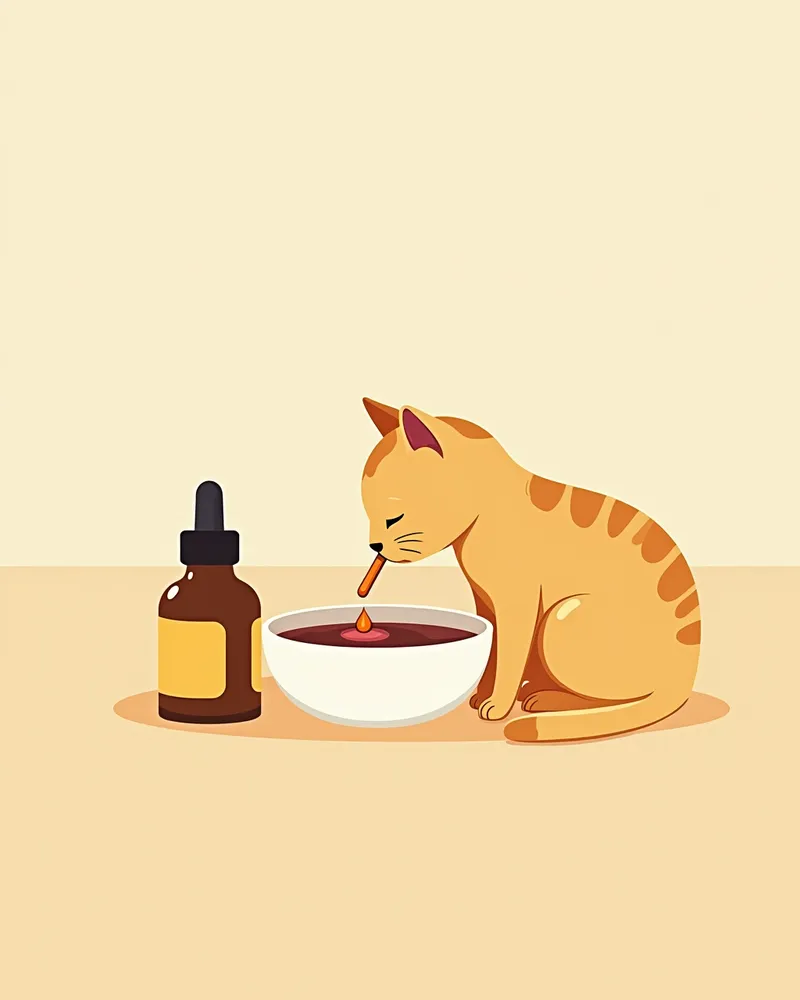
BEST 2: Kidney Support Supplement (Liquid)
BEST 3: Hydration Water Pump (Automatic Water Dispenser)
Comparison Table of BEST 1–3 Products
| Item | BEST 1 Canned Food | BEST 2 Supplement | BEST 3 Water Pump |
|---|---|---|---|
| Key Ingredients | Low phosphorus, high moisture, high-quality protein | Glucosamine, Omega-3, antioxidants | Water flow, automatic cleaning function |
| Applicable Timing | Early to mid stage of declining kidney function | Early stage of decline, for adjunctive treatment | When long-term hydration is needed |
| Usage Method | Feed 2–3 times daily | Liquid dose 1–2 times daily | Continuous operation, periodic water replacement |
| Additional Benefits | Tastes good, no refusal | Effective along with hydration | Encourages the cat's natural behavior |
Choose after consulting your veterinarian. Adjustments are needed according to your cat's condition.
Caution: Risks of Overdose or Incorrect Selection
Products for managing renal amyloidosis should only be used under veterinary supervision. Excessive protein or phosphorus intake can strain the kidneys, and inappropriate supplements may worsen the condition. Because interactions with medications are possible, be sure to inform your veterinarian of any current medications your pet is taking.
Usage Tips: Long-Term Management with Your Cat

Reviewed by a veterinarian

Dr. Tony — Punnawat Phongkittirak
VeterinarianA veterinarian who majored in veterinary medicine at Khon Kaen University, Thailand, and completed the IVSA program at North Carolina State University in the United States. Drawing on clinical experience at animal hospitals, he works in the pet healthcare field and is dedicated to building a digital care environment that connects pet parents with veterinarians.
Reviewed 2026-06-05
Frequently Asked Questions
Can feline renal amyloidosis be treated?
Is a dietary approach alone sufficient?
Is amyloidosis genetic?
Why is a water pump important?
Shouldn't I give supplements?
Share
Related Guides
Top 5 Prescription Diets for Cats with Chronic Kidney Disease — Stage-Specific Protein Adjustment

7 Emergency Signs and Causes of Acute Kidney Failure in Dogs You Must Not Miss

Top 5 Cat Kidney Supplements Recommended for 2026

The Complete Guide to the Schirmer Tear Test for Cats — Purpose, Values, and Management Criteria

Veterinarian’s Top 7 Tips for Managing Age-Related Feline Retinal Degeneration — Selection Criteria

Veterinarian-Recommended Top 7 for Managing Cat Pupil Abnormalities (Anisocoria) — Selection Criteria

7 Vet-Recommended Tips for Preparing for and Managing Feline Ocular Ultrasound Exams

7 Best Cat Eye Cleansers Recommended by Veterinarians — Criteria for Safe Selection

7 Essential First-Aid Products for Foreign Bodies in a Cat’s Eye Recommended by Veterinarians and Selection Criteria

Top 7 Vet-Recommended Tips for Managing Feline Lens Luxation — When to Visit the Clinic
References
[1] Langston, C.E. et al. (2023) Small Animal Critical Care Medicine, 3rd Edition. Elsevier.
[2] The Cat, Clinical Medicine and Management, 2nd Edition (2022). Elsevier.
[3] Plumb's Veterinary Drug Handbook, 9th Edition (2023). Wiley.