Like
Share
멍실장
고양이 겨울 한파 관리·저체온 예방 관리 추천 BEST와 고르는 기준 총정리

The Ultimate Guide to Preventing Hypothermia in Cats During Winter Cold Snaps: Recommended Products and Selection Criteria

Lifestyle & Age CareTop PicksMeongsiljang Veterinary Advisory Board

We’ve put together a comprehensive guide on preventing hypothermia in cats during winter cold snaps, including recommended products. We’ll share care tips tailored to cats, who are particularly vulnerable to temperature fluctuations.

Managing Cats During Winter Cold Snaps and Preventing Hypothermia is Essential
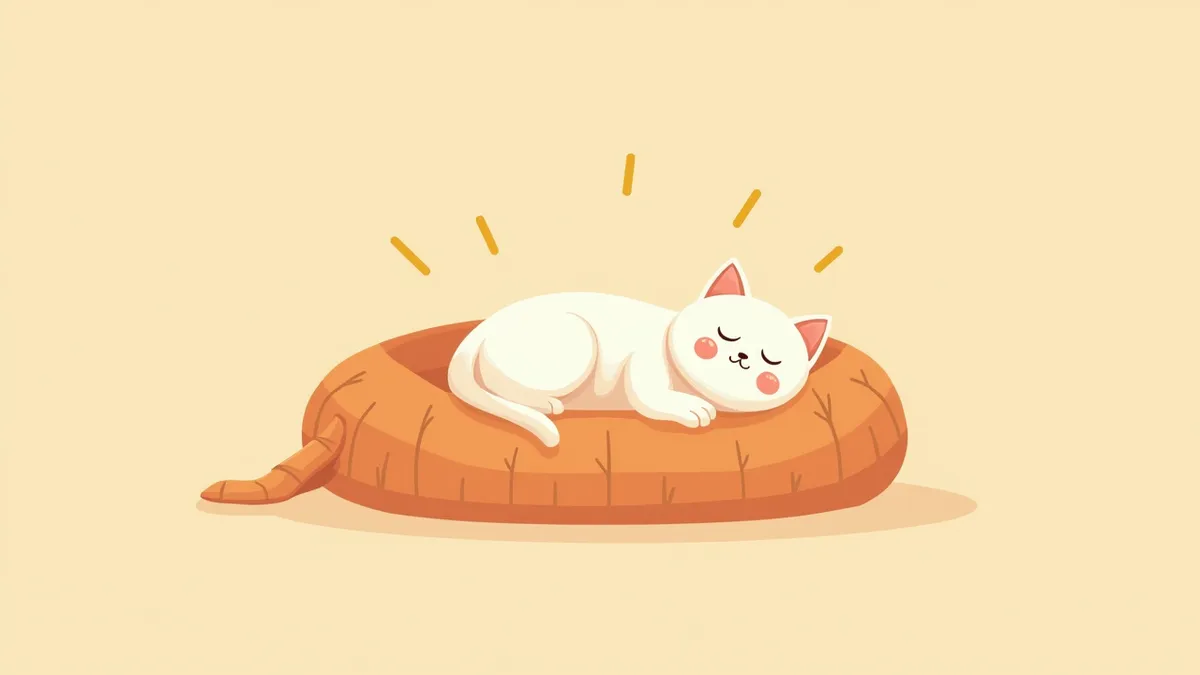
A cat lying on a warm electric mat
Managing cats during winter cold snaps is an important preventive measure, especially for cats that struggle to regulate their body temperature. Senior cats or those that are frail with reduced fat and muscle mass are particularly vulnerable to hypothermia because they have a diminished ability to generate heat or seek out warm spots. While providing a warm environment is essential, simply dressing them in clothes is not enough. Proper care is necessary to maintain their health throughout the winter. - Maintaining Body Temperature: A cat’s normal rectal temperature ranges from approximately 38.1°C to 39.2°C (100.6°F to 102.6°F). If their body temperature remains consistently below this range, they may develop hypothermia. Hypothermia is classified into three stages: mild (32–37°C / 89.6–98.6°F, characterized by shivering and ataxia), moderate (28–32°C / 82.4–89.6°F, marked by decreased consciousness and low blood pressure), and severe (20–28°C / 68–82.4°F, where shivering ceases). As body temperature drops, vital bodily functions can deteriorate significantly. - Safe Heating: Choose electric products equipped with overheat protection and ensure that cables are fully enclosed to prevent accidents. - Accommodating Habits: Create warm spaces in areas where your cat spends most of its time. - Hygiene Management: Regularly clean warming products to prevent microbial growth. - Essential Observation: Continuously monitor your cat for signs of feeling cold or seeking out warmer areas.

Selection Criteria: 4 Cat-Specific Care Products
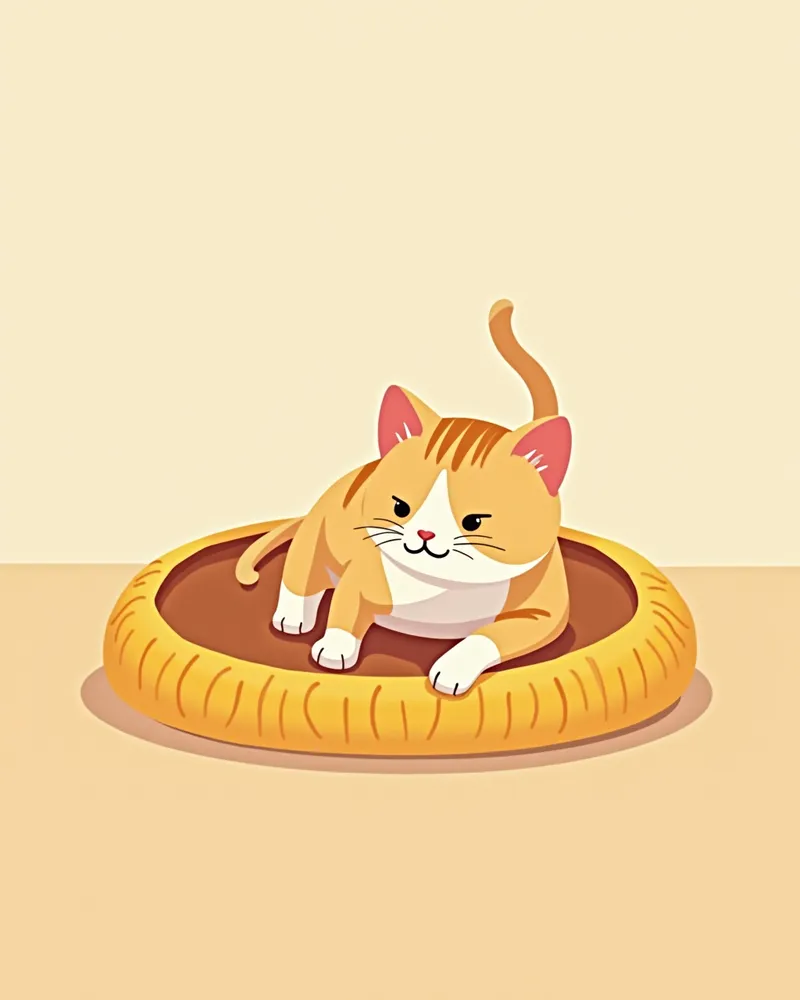
When choosing winter care products for cats, there are several key criteria to consider. First, safety is absolutely crucial. Electrical products should have overheat protection. Second, ease of use is important; the product should be easy to clean and accessible for your cat. Third, you need to take into account your cat's behavior patterns. For example, if your cat has a habit of biting or licking mats, make sure the internal cables are not exposed. Lastly, consider your cat's age and health condition.
A cat showing curiosity by touching an electric mat with its paw.

BEST 1: Electric Mat for Cats with Short Coats
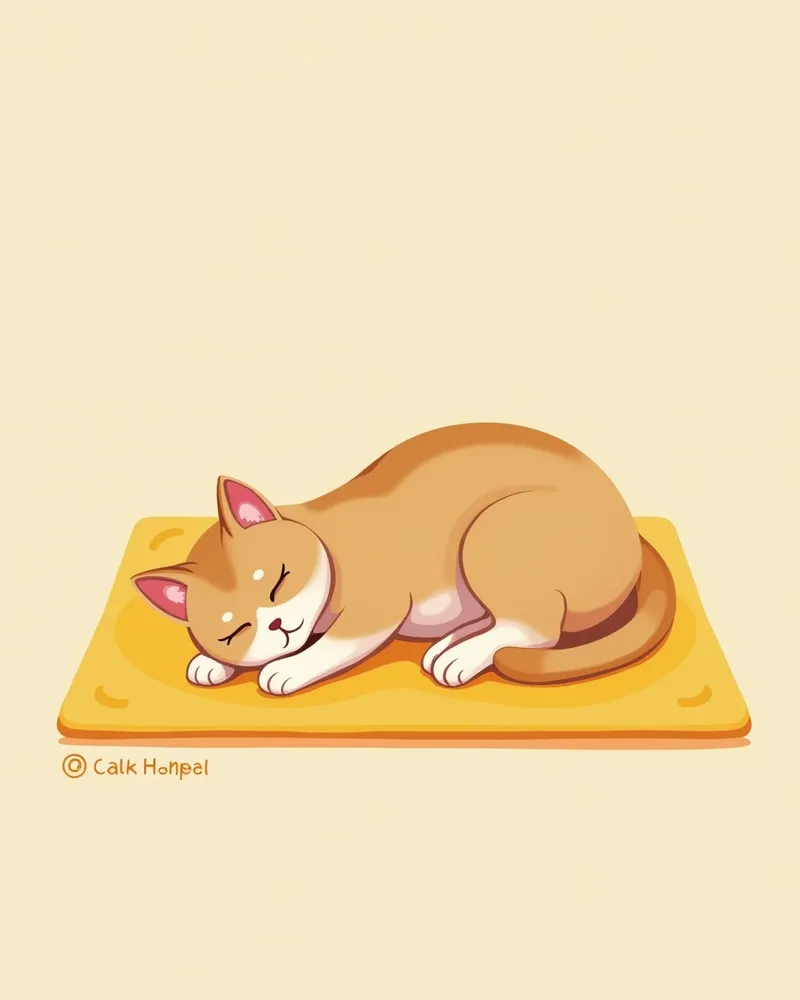
Cats with short coats, especially Black Siamese and Maine Coons, can struggle to maintain their body temperature during winter. This electric mat is designed with low power consumption of 30W or less, minimizing electricity costs. It features a built-in overheat prevention sensor for safe use. The mat automatically adjusts its temperature when your cat lies on it, eliminating concerns about overheating. Its integrated cable design reduces the risk of your cat chewing on wires. Additionally, the non-slip bottom and rounded edges provide a stable and secure experience.
A thin-furred cat lying on an electric heating pad

BEST 2: Specialized Cat Tower for Warm Resting
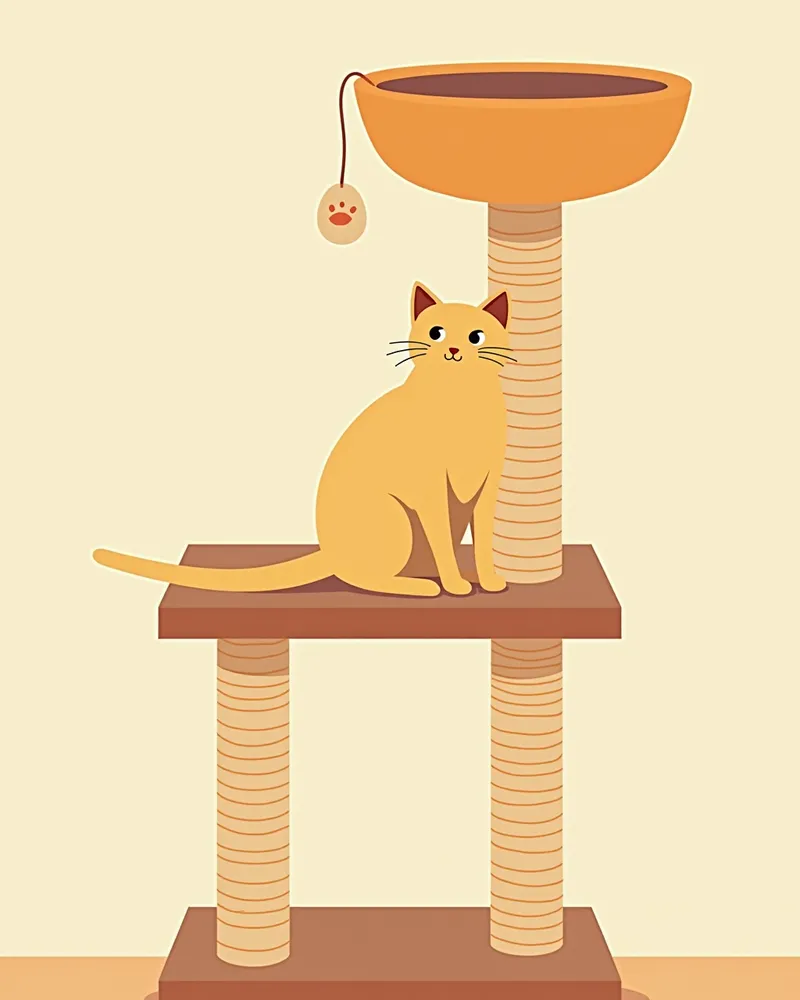
This specialized cat tower is designed to let your cat rest comfortably in a warm, elevated spot they’ll love. It features a built-in low-power electric mat that maintains a steady, gentle warmth on the surface. The waterproof, insulating material effectively blocks out cold air. For older cats, the steps are kept low and the base is non-slip, making it easy and safe to climb. The removable cover simplifies washing, ensuring easy hygiene maintenance. Secure anchoring minimizes wobbling for a stable, reassuring experience. Cat Tower with Built-in Electric Mat: Engineered to help cats maintain their body temperature, this tower offers a safe, cozy retreat during chilly indoor winters. When using any electric product, always choose one with an overheat protection feature and double-check that all cables are fully enclosed.
A cat perched atop a cat tower equipped with a built-in heating pad.

BEST 3: Warming Cushion for Cats

This is a warming cushion designed for your cat’s favorite resting spots. It features an internal heating element that retains warmth for extended periods. The cushion is crafted from safe materials, ensuring it’s harmless even if your cat licks or chews on it. It’s also washable, making hygiene maintenance effortless. Its compact size allows for easy placement in small spaces, such as near windows or beside sofas. You can conveniently move it around to suit your cat’s habits. - Internal Heating Design: The heating element is evenly distributed to maintain consistent warmth. - Safe Materials: Made from eco-friendly, non-toxic materials that are safe for cats to lick. - Washable: The detachable cover allows for easy washing and hygiene maintenance. - Versatile Placement: Compact and easy to set up in small spaces. - High Cat Preference: Its comfortable design makes it a favorite spot for cats. - Easy to Move: Lightweight and convenient to relocate frequently.
A cat lying on a warming pad

Comparison Table of BEST 1–3 Products

ItemElectric matCat towerWarming pillow
Main featuresLow power, overheating-prevention sensor, built-in cableBuilt-in electric mat, waterproof warming material, multi-layer designWashable, safe material, portable design
Recommended breedsThin-coated cats, senior catsActive cats, older catsAll breeds, especially cats that prefer windowsills
Price range$10 to $20$60 to $90$10 to $10
WashabilitySurface cleaning possibleExternal cleaning possibleFully washable

Prices are based on average market prices as of 2024. For electric products, it is safer to choose ones with built-in cables that have overheating-prevention features.

Caution: Always Perform Safety Checks When Using Electrical Products

Cats may lick or chew on electric mats and cat trees, so be sure to verify that all electrical cords are fully enclosed within the product. Overheating can cause burns to your cat. Regularly inspect the item during use and discontinue use immediately if you notice any signs of malfunction.

Usage Tips: Tailor Care to Your Cat’s Habits
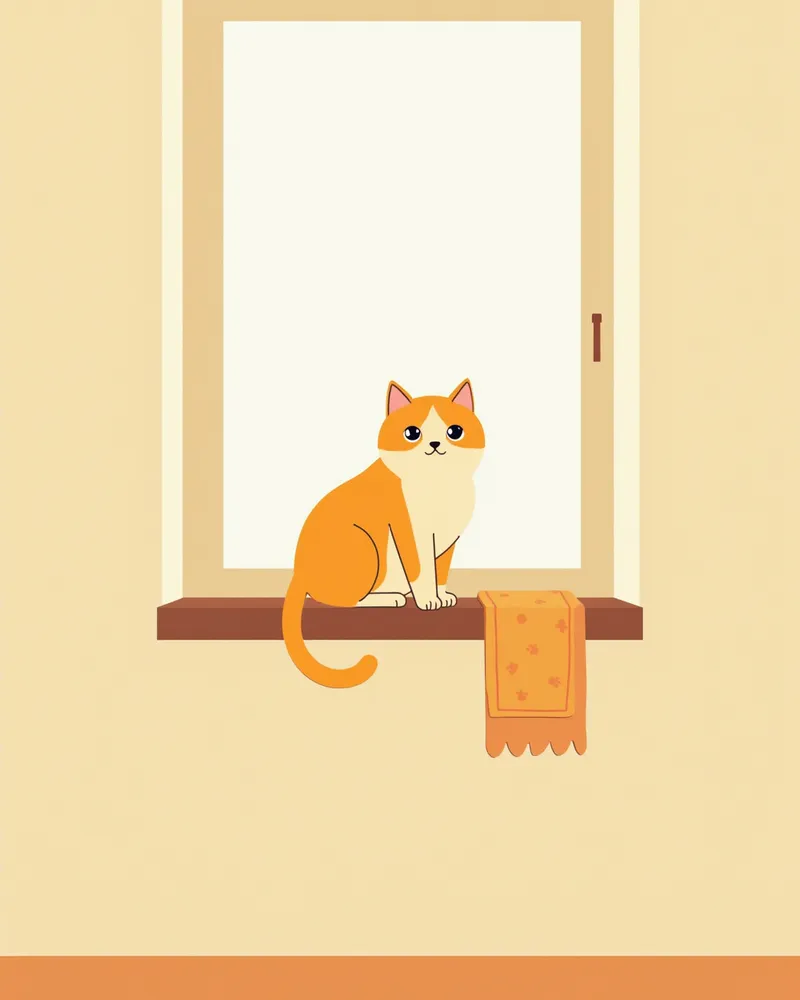
Understanding your cat’s habits is key. For example, if your cat often sits by the window, place a warm cushion nearby. If your cat prefers high places, install a cat tree in an elevated spot. It’s best to position electric products in areas your cat frequently uses. Check daily to observe whether your cat is using them comfortably. - Habit analysis: Observe where your cat spends the most time and provide warm spaces accordingly. - Location-specific placement: Installing products in your cat’s preferred spots increases usage. - Regular checks: Periodically inspect electric products for overheating. - Monitor reactions: If your cat ignores or avoids a product, try adjusting its location or design. - Hygiene maintenance: Clean products regularly. - Safety assurance: Carefully check for any parts your cat might chew on.
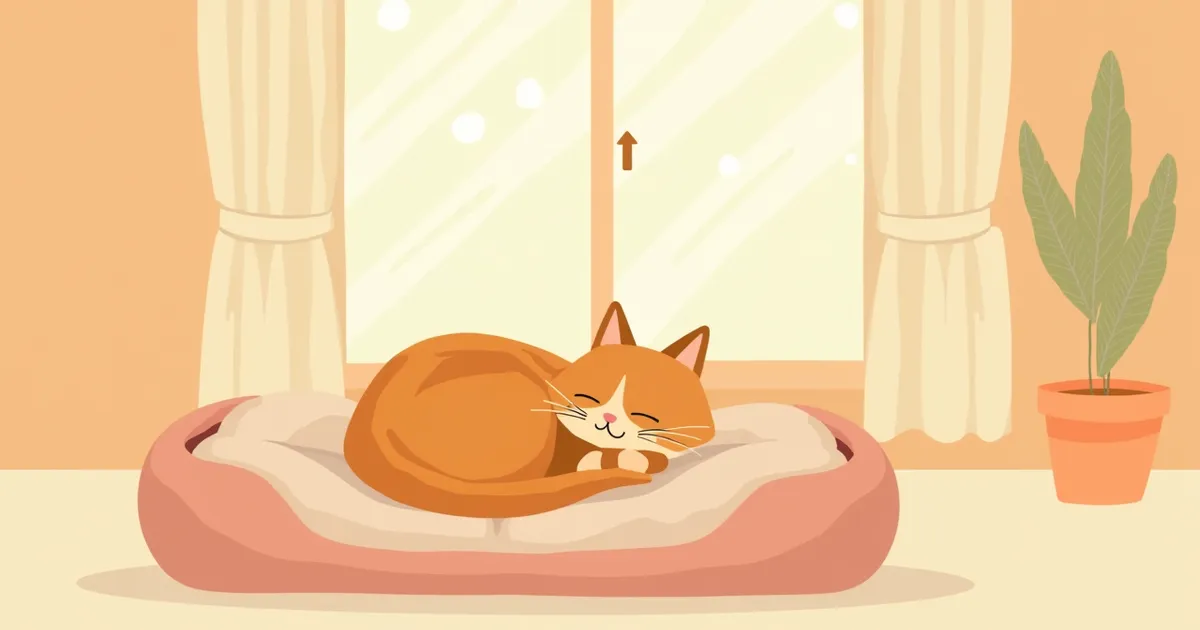
A cat resting by the window, gazing at a warm cushion.

Reviewed by a veterinarian

Dr. Tony — Punnawat Phongkittirak

Dr. Tony — Punnawat Phongkittirak

Veterinarian

A veterinarian who majored in veterinary medicine at Khon Kaen University, Thailand, and completed the IVSA program at North Carolina State University in the United States. Drawing on clinical experience at animal hospitals, he works in the pet healthcare field and is dedicated to building a digital care environment that connects pet parents with veterinarians.

Frequently Asked Questions

Is it safe to leave an electric heating mat on for my cat continuously?
Products with overheat protection should be designed to activate only when a cat is on the mat. For safety, they should turn off automatically when the cat is not present, so always check the power status.
Can electric blankets be harmful to cats?
Electrical products with exposed cables or lacking overheat protection can pose a burn risk if your cat chews or licks them. Always choose products with built-in cables and overheat protection features.
What should I do if my cat dislikes the electric heating pad?
It’s important to respect your cat’s preferences. Try providing alternative warm spots or experimenting with a heated cushion. Placing these in areas your cat already frequents can also help.
What products are best for senior cats?
For senior cats, low-height products that are easy to access are ideal. Choose items like electric mats or warming pillows that allow your cat to approach comfortably, and make sure they have overheat protection features.
Will using electrical appliances result in a high electricity bill?
Electricity costs vary depending on the product’s power consumption and usage time. For safety, choose products with overheat protection and only turn them on while your cat is using them.

Share

Related Guides

References

[1] The Cat, Clinical Medicine and Management, 2nd Edition, 2023

[2] Small Animal Anesthesia and Pain Management A Color Handbook, 3rd Edition, 2022

[3] Feline Emergency and Critical Care Medicine, 2nd Ed, 2021

This information is based on veterinary literature and does not replace diagnosis or treatment. Please consult a veterinarian for specific health concerns.

Metapet Co., Ltd. | CEO: Park Sung-yong | Business Reg. No. 417-88-02562 | Seoul, South Korea | Customer Center

Preventing Cat Hypothermia in Winter: Top Product Picks | Meongsiljang