
7 Key Management Points for Dog Insulin Injections and Dosage Adjustment
We’ll guide you through the best products and key selection criteria to effectively administer insulin injections and adjust dosages for managing your dog’s diabetes.
What Is Dog Insulin Injection and Dosage Adjustment Management?
Know This: Dog Insulin Injection and Dosage Adjustment Management
Know This 1: Canine Diabetes and Conditions Requiring Insulin Injections
Know This 2: Types of Insulin and Principles of Dosage Adjustment
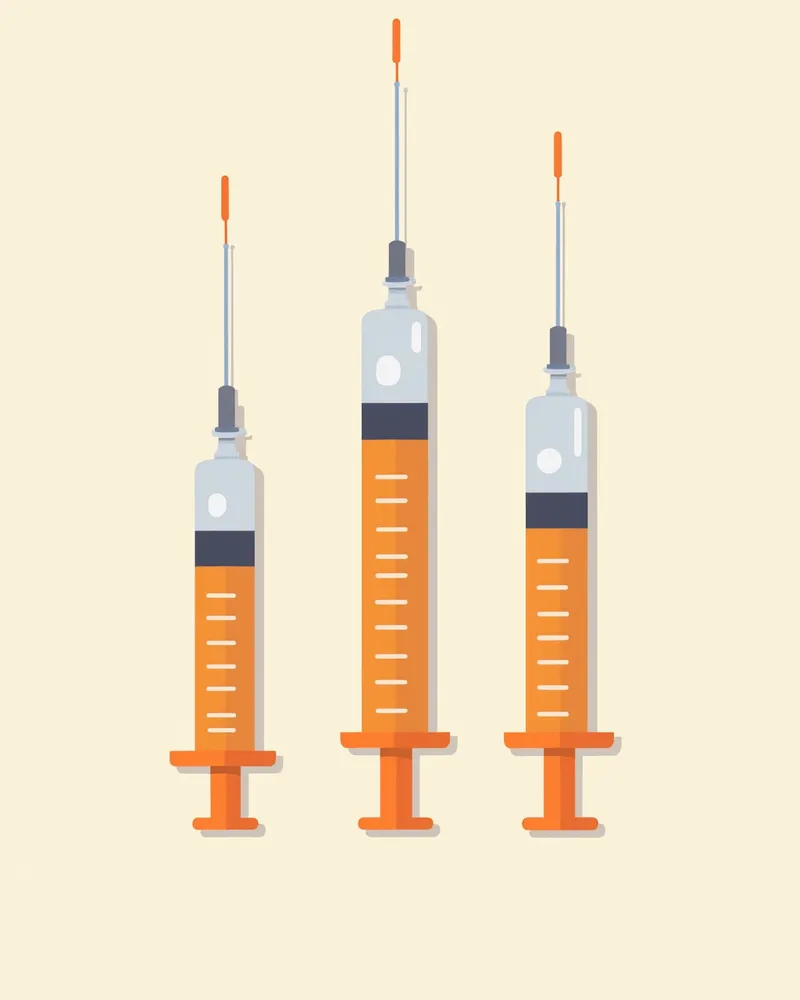
Know This 3: Home Care, Hypoglycemia Precautions, and Ongoing Veterinary Management
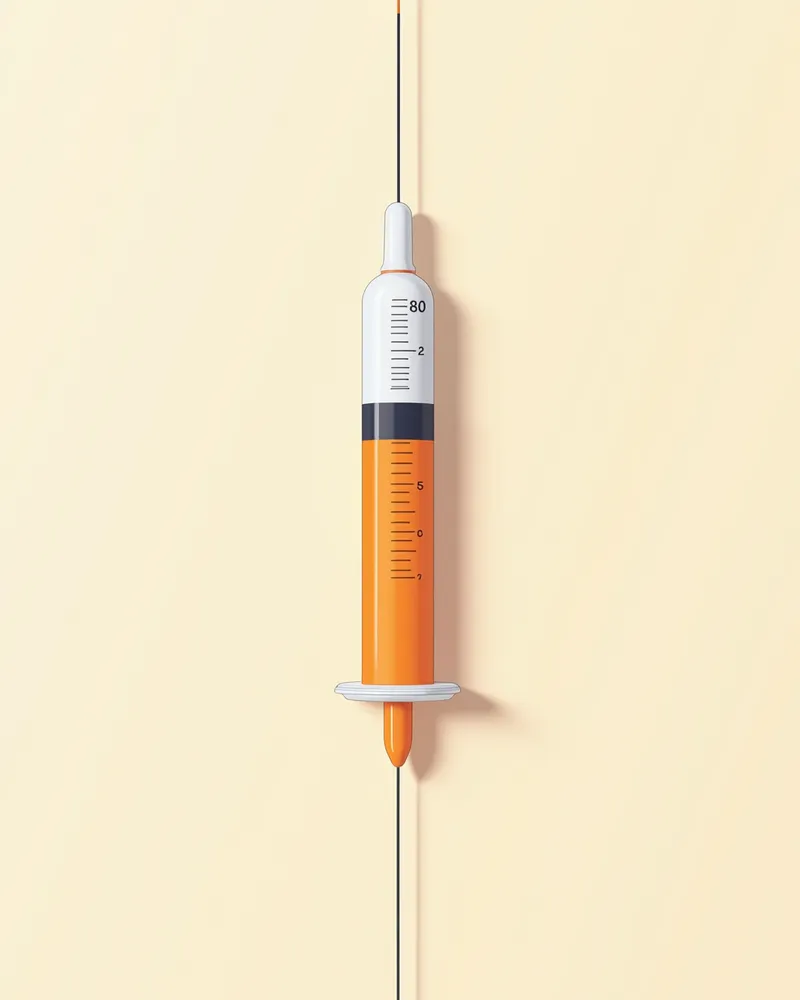
Dog Insulin Injections and Dosage Adjustment: What Owners Should Know
| Item | Key Points |
|---|---|
| Condition | Persistently elevated blood sugar, increased thirst, increased urination, weight loss |
| Cause | Insufficient insulin secretion or insulin resistance |
| Diagnosis | Confirmed by a veterinarian via blood and urine glucose tests |
| Treatment | Veterinarian-prescribed insulin subcutaneous injection at 12-hour intervals |
| Caution | Do not change the dose on your own; visit the clinic immediately if hypoglycemia symptoms appear |
This table does not recommend specific products or clinics; it is a reference to consider when consulting your veterinarian. Always make treatment and testing decisions together with your veterinarian through an examination.
Caution: Risk of Hypoglycemia with Overdose
An insulin overdose can cause life-threatening hypoglycemia in dogs. If your dog shows symptoms such as lethargy, unsteadiness, seizures, or loss of consciousness after an injection, seek veterinary care immediately.
Usage Tips: Injection Technique and Management Checklist
Reviewed by a veterinarian

Dr. Tony — Punnawat Phongkittirak
VeterinarianA veterinarian who majored in veterinary medicine at Khon Kaen University, Thailand, and completed the IVSA program at North Carolina State University in the United States. Drawing on clinical experience at animal hospitals, he works in the pet healthcare field and is dedicated to building a digital care environment that connects pet parents with veterinarians.
Reviewed 2026-06-01
Frequently Asked Questions
How many times a day should insulin injections be given?
Is it normal for my dog to be sleepy or wobbly after a shot?
Can I store the insulin syringe in the refrigerator?
What should I do if my pet’s blood sugar doesn’t drop after the injection?
How do I check the expiration date on an insulin syringe?
Share
Related Guides

Top 5 Prescription Dog Foods for Diabetes Recommended by Veterinarians — Blood Sugar-Stabilizing Food Comparison
7 Key Products for Managing Feline Hypercalcemia Recommended by Veterinarians and Selection Criteria
7 Key Points for Canine Thyroid T4 Testing by Veterinarians — From Timing to Result Interpretation

The Ultimate Guide to Choosing and Managing Dry, Wet, and Raw Cat Foods: Best Options and Selection Criteria

Top Recommended Cat Dental Preventive Care Products and Selection Criteria
Best Cat Water Intake Monitoring Products and Key Selection Criteria

The Ultimate Guide to Recommended Cat Grooming and Brushing Tools and Selection Criteria
The Best Age-Specific Regular Health Checkup Management Recommendations for Cats and Selection Criteria: A Complete Guide
Best Whipworm Management Products for Dogs and How to Choose Them

Top Recommended Products for Canine Toxoplasmosis Management and Selection Criteria
References
[1] Plumb, D. C. (2023). Plumb's Veterinary Drug Handbook, 10th Edition. Wiley-Blackwell.
[2] American Veterinary Medical Association. (2022). Guidelines for the Management of Canine Diabetes Mellitus. AVMA Press.
[3] Hoenig, M. et al. (2021). Insulin therapy in dogs: Practical considerations for dosing and monitoring. Journal of Veterinary Internal Medicine, 35(4), 1456–1467.