
7 Best Practices for Managing Feline Hyperthyroidism Medication Recommended by Veterinarians
Long-term management is essential for medicating cats with hyperthyroidism. Here’s a summary of effective and safe medication options and how to manage them.
What Is Medication for Feline Hyperthyroidism?
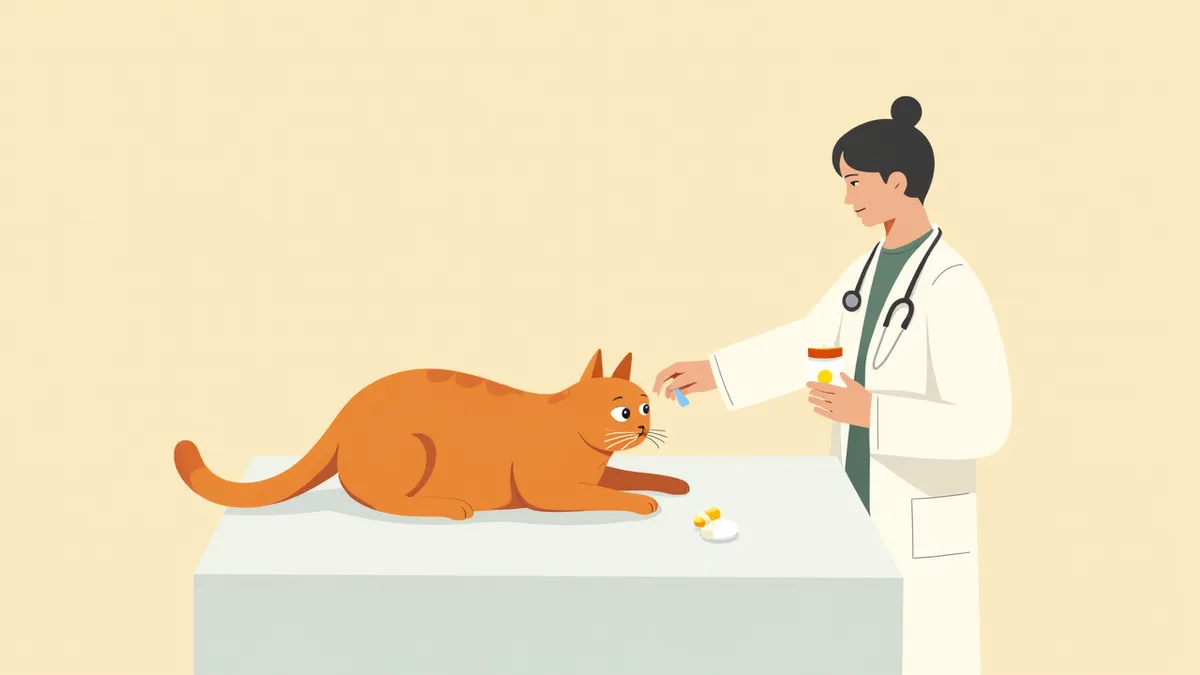
Key Facts: Medication for Feline Hyperthyroidism (Veterinary Prescription Required)
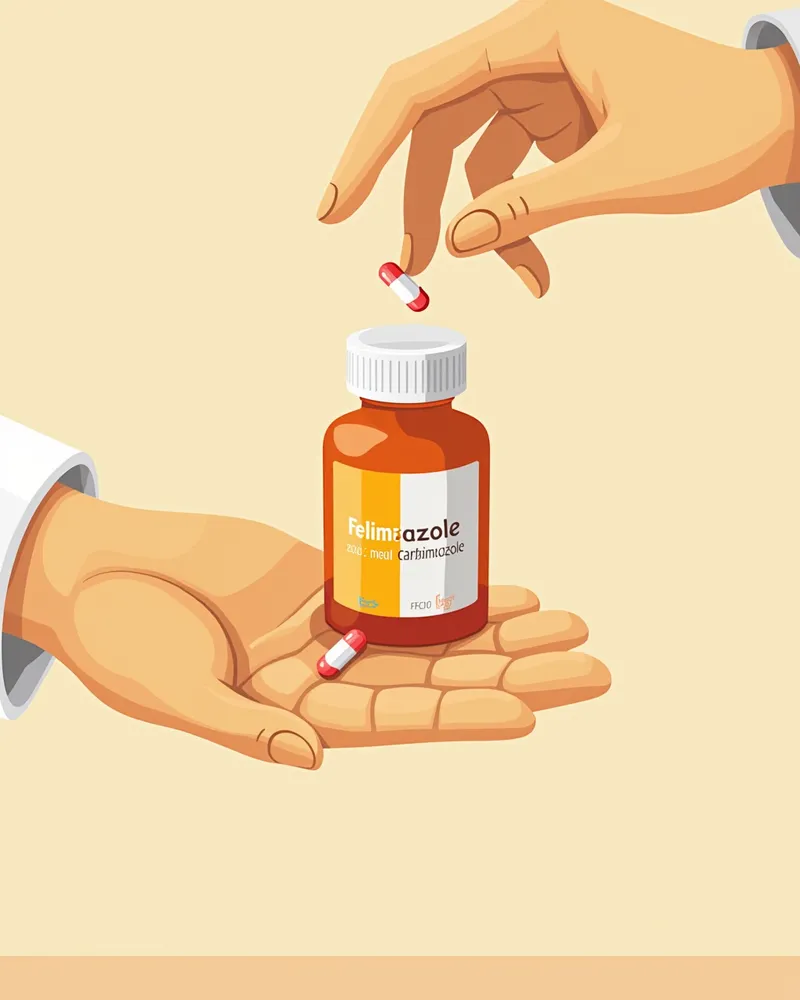
Treatment Option 1: Methimazole (Primary Antithyroid Medication)

Treatment Option 2: Carbimazole (Convenient Dosing, Including Sustained-Release Formulations)
Treatment Option 3: Liquid and Transdermal Formulations (For Cats That Are Difficult to Medicate)
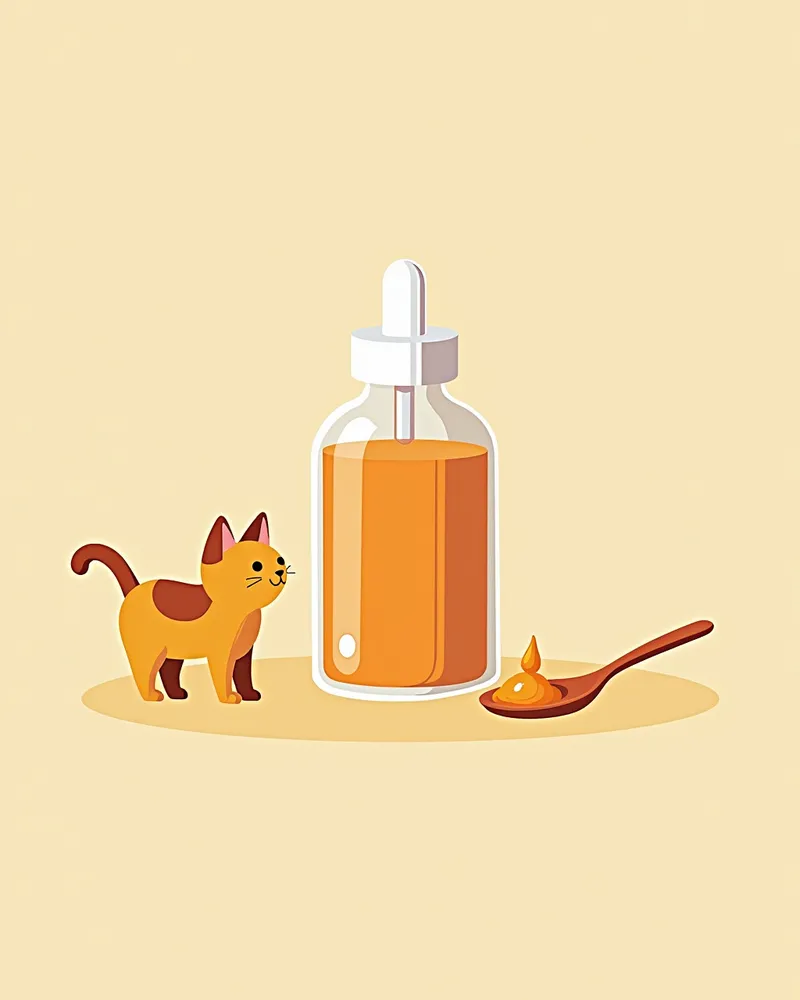
Medication Options for Feline Hyperthyroidism (All Require Prescription and Regular Monitoring)
| Item | Methimazole Tablet | Carbimazole | Liquid/Transdermal Formulation |
|---|---|---|---|
| Administration Method | Tablet once or twice daily | Formulations available for once-daily dosing | Mix with food/apply to ear |
| Suitable Cases | Standard first-line choice | When dosing cooperation is low | Cats that refuse tablets |
| Common Cautions | Possible liver and blood side effects | Regular blood tests essential | Check values due to absorption variation |
| Decision-Maker | Veterinarian prescription and dose adjustment | Veterinarian prescription | Consult veterinarian on formulation |
This is not a table recommending specific products or clinics, but criteria to reference when consulting your veterinarian. Always make treatment and testing decisions together with your veterinarian through an examination.
Important Precautions Before Administration
Methimazole or carbimazole can cause liver dysfunction in about 2% of cats and blood abnormalities such as decreased white blood cells or platelets in about 3–9% of cats. Therefore, it is recommended to check thyroid levels (TT4) along with a complete blood count and biochemistry panel approximately one month after starting treatment to ensure safety. If your cat shows loss of appetite, vomiting, or skin rashes on the face or neck due to scratching (self-trauma), please visit the clinic immediately. These side effects usually appear within the first 1–2 months of treatment, so please monitor your cat closely during this period.
Tips for Medication Administration

Reviewed by a veterinarian

Dr. Tony — Punnawat Phongkittirak
VeterinarianA veterinarian who majored in veterinary medicine at Khon Kaen University, Thailand, and completed the IVSA program at North Carolina State University in the United States. Drawing on clinical experience at animal hospitals, he works in the pet healthcare field and is dedicated to building a digital care environment that connects pet parents with veterinarians.
Reviewed 2026-06-01
Frequently Asked Questions
Will the illness return if I stop the medication?
Should it be administered twice a day?
My cat vomits while taking medication.
Can I give my pet other medications while they’re taking this one?
Your cat's appetite has decreased while taking the medication.
Share
Related Guides

Top 5 Prescription Dog Foods for Diabetes Recommended by Veterinarians — Blood Sugar-Stabilizing Food Comparison
7 Key Products for Managing Feline Hypercalcemia Recommended by Veterinarians and Selection Criteria
7 Key Points for Canine Thyroid T4 Testing by Veterinarians — From Timing to Result Interpretation
7 Veterinarian-Recommended Tips for Improving Quality of Life and Palliative Care for Dogs with CKD
7 Key Indicators for Monitoring CKD Progression in Dogs, According to Veterinarians
7 Key Management Tips for Canine CKD Anemia and EPO Deficiency Recommended by Veterinarians
7 Management Tips for Canine Pyelonephritis (Bacterial Kidney Infection) Recommended by Veterinarians
7 Best AKI Management Products for Dogs Recommended by Veterinarians — Criteria for Meeting the Golden Hour
7 Top ACE Inhibitor and ARB Recommendations for Canine Kidney Protection Selected by Veterinarians
Best Recommendations and Selection Criteria for Managing Kidney Function Assessment in Cats Using Urine Specific Gravity
References
[1] Peterson ME, Kintzer PP, Hurvitz AI. Methimazole treatment of 262 cats with hyperthyroidism. J Vet Intern Med. 1988;2:150.
[2] Fox P, Peterson M, Broussard J. Electrocardiographic and radiographic changes in cats with hyperthyroidism: comparison of populations evaluated during 1992-1993 vs. 1979-1982. J Am Anim Hosp Assoc. 1998;35:27.
[3] Hill P, Warman S, Shawcross G. 100 Top Consultations in Small Animal General Practice. Blackwell Publishing Ltd, 2011.