
The Ultimate Guide to Recommended Feline Struvite Stone Management Products and Selection Criteria
Feline struvite urinary stones are a common issue that often develops in conjunction with urinary tract infections. With the right diet and proper care, you can effectively prevent them from recurring.
What Are Feline Struvite Stones?
Selection Criteria: 5 Key Factors for Choosing Struvite Stone Management Food
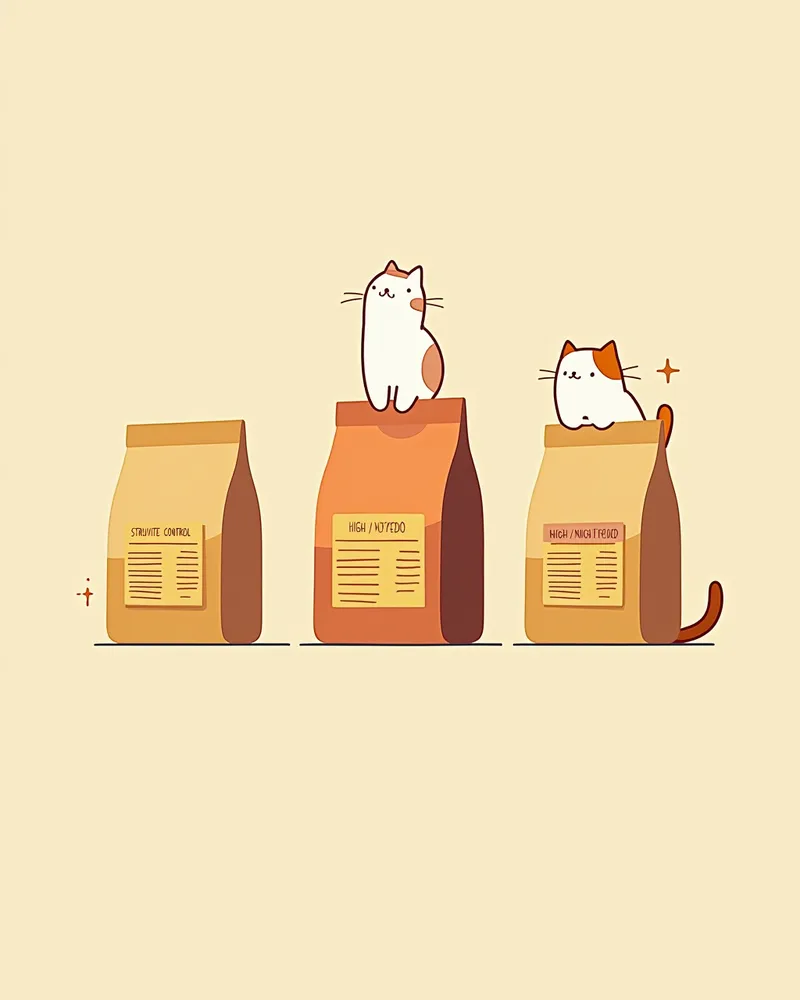
BEST 1: PetPlus Struvite Control Food
BEST 2: Lakeview Pet Struvite Limit Food
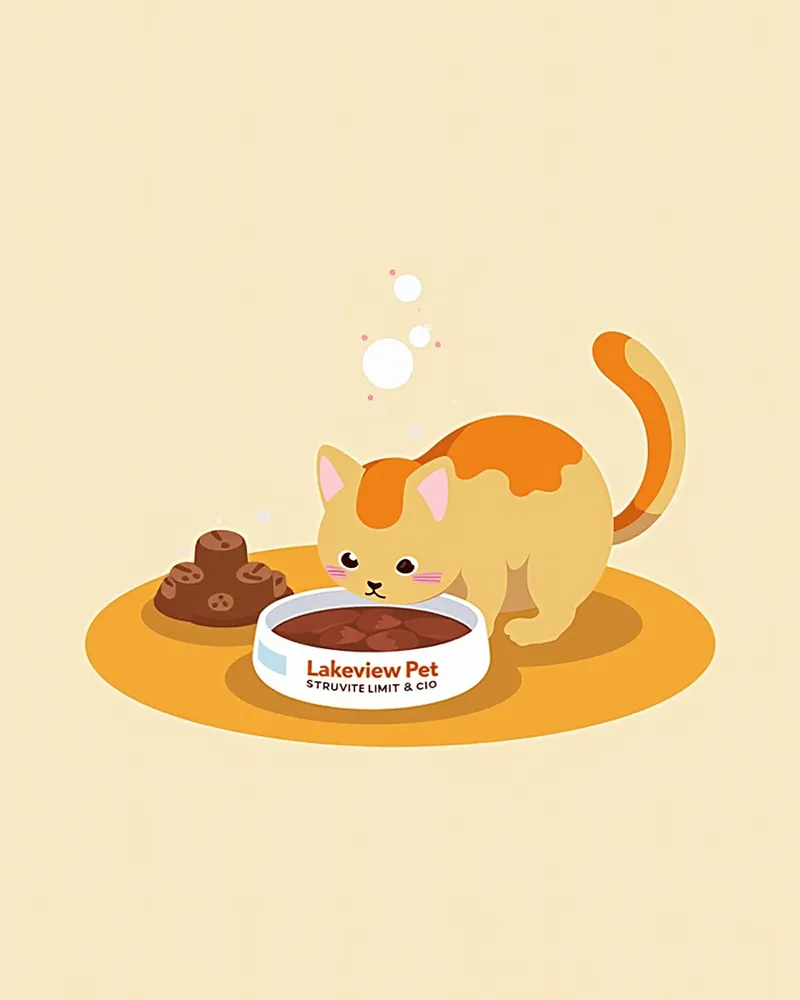
BEST 3: Premium Cat Health Struvite Care
Comparison Table of BEST 1–3 Foods: Ingredients, Price, and Effects
| Item | Phosphate Content | Urine pH Maintenance | Price (1kg) | Recommended For |
|---|---|---|---|---|
| BEST 1: PetPlus Struvite Control | 0.28% | 6.5 or below | approx. $20 | Cats with recurrent urinary infections |
| BEST 2: Lakeview Pet Struvite Limit | 0.25% | 6.5 or below | approx. $20 | Cats with insufficient water intake |
| BEST 3: Premium Cat Health Struvite Care | 0.22% | 6.5 or below | approx. $30 | Cats with allergic constitution |
Prices are based on average market prices as of 2024. Selection after veterinary consultation is recommended.
Caution: Immediate Veterinary Visit Required for Struvite Stone Recurrence
If your cat tries to urinate but little or no urine comes out, or if they repeatedly squat and get up, these are signs of a urinary tract obstruction. This is a life-threatening emergency, so you should take your cat to the vet immediately. Male cats are especially at high risk for this condition.
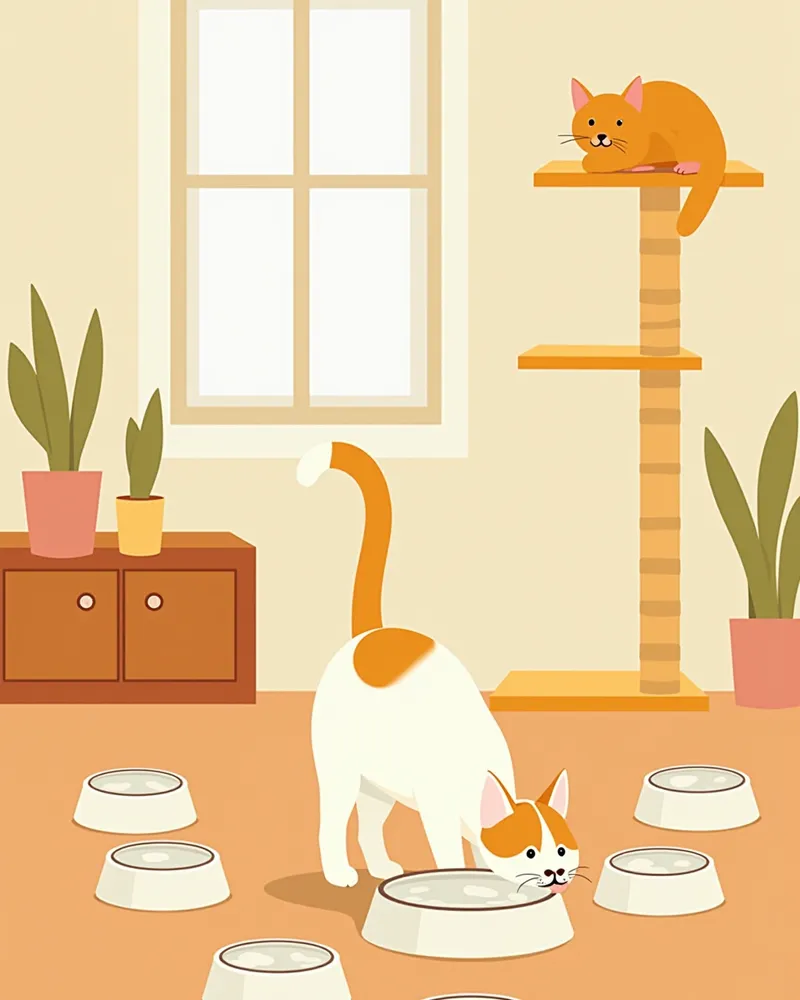
Usage Tips: 4 Keys to Successful Struvite Stone Management
Reviewed by a veterinarian

Dr. Tony — Punnawat Phongkittirak
VeterinarianA veterinarian who majored in veterinary medicine at Khon Kaen University, Thailand, and completed the IVSA program at North Carolina State University in the United States. Drawing on clinical experience at animal hospitals, he works in the pet healthcare field and is dedicated to building a digital care environment that connects pet parents with veterinarians.
Reviewed 2026-06-29
Frequently Asked Questions
Can struvite bladder stones be completely cured?
My cat won’t eat when I change its food. What should I do?
Why is liquid food more effective?
How long should I feed my pet urinary tract health food?
Do struvite bladder stones require surgery?
Share
Related Guides
Top 5 Prescription Diets for Feline FLUTD — Comparison by Struvite and Calcium Oxalate Stones
Top 7 Prescription Diets for Feline Bladder and Urinary Tract Health Recommended by Veterinarians — Including Selection Criteria

Top 5 Cranberry Urinary Supplements for Dogs — Preventing Cystitis
7 Warning Signs of Feline Brain Tumors and Treatment Selection Criteria According to Veterinarians
7 Key Points for Managing Feline Adrenal Tumors and When to Visit the Vet, According to Veterinarians
Top Recommendations and Selection Criteria for Feline Intra-Abdominal Tumor Differential Diagnosis and Management
7 Essential Liver Fibrosis Prevention Tips for Dogs, as Recommended by Veterinarians
7 Best Tips for Post-Portosystemic Shunt Surgery Care in Dogs Recommended by Veterinarians
7 Things to Know Before a Dog Liver Biopsy — From Procedure to Recovery
7 Warning Signs of Canine Jaundice and Management Methods Recommended by Veterinarians
References
[1] Osborne, C.A. et al. (2021) Urinalysis in the Dog and Cat. 2nd ed. Elsevier Health Sciences.
[2] Lloyd, D.H. et al. (2020) Management of Feline Struvite Urolithiasis: A Clinical Review. Journal of Feline Medicine and Surgery, 22(5), 412–423.