Like
Share
멍실장
고양이 노령묘 인지기능 장애 관리 추천 BEST와 고르는 기준 총정리

7 Best Senior Cat Cognitive Dysfunction Care Tips Recommended by Veterinarians

Brain & CognitionTop PicksMeongsiljang Veterinary Advisory Board

Cognitive dysfunction syndrome (CDS) affects nearly half of cats aged 15 and older. Here’s a clear overview of the best evidence-based veterinary management strategies and how to choose the right supplements.

What Is Feline Cognitive Dysfunction (FCD)?
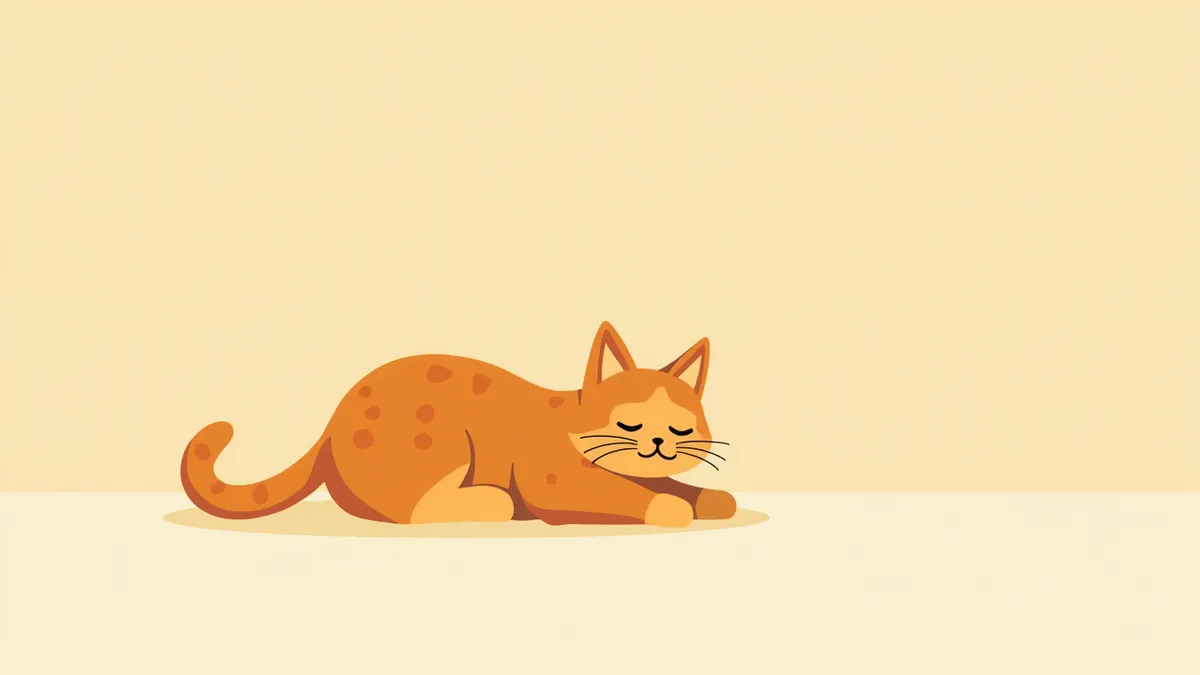
An elderly cat staring blankly ahead
Feline Cognitive Dysfunction (FCD) is a neurological condition in which aging gradually impairs brain function, leading to changes in memory, spatial orientation, and sleep patterns. Early detection and consistent management are key. According to veterinary behavioral medicine textbooks, the age of onset varies by individual, with symptoms sometimes appearing as early as 10 years of age. It is most commonly reported in senior cats over 11 years old, and especially in geriatric cats aged 15 and older. Many pet owners tend to dismiss these signs as normal aging, but the textbook emphasizes that while there is no cure, symptoms can be alleviated and disease progression slowed through nutritional supplementation with antioxidants and essential fatty acids, as well as play and environmental enrichment. Therefore, the earlier the condition is identified, the more effective the management will be.

Suspect FCD If You Notice These Symptoms

Loss of spatial awareness: Your pet may get lost in familiar surroundings or stare blankly at walls.
Nighttime vocalization: Sudden loud crying at night and excessive daytime sleepiness, indicating a reversal of the day-night cycle.
Changes in interaction: Your pet may fail to recognize you or suddenly hide.
Accidents outside the litter box: Forgetting where the litter box is or having frequent accidents nearby.
Decreased grooming: Your pet may stop grooming themselves properly.
Reduced activity level: Less interest in play and irregular appetite.
If two or more of these symptoms persist for over four weeks, please consult your veterinarian for an evaluation.

Go to the Vet Immediately If You See These Symptoms

If your pet suddenly experiences seizures, severe disorientation, refuses to eat or drink for more than 24 hours, or shows sudden, intense aggression, you should take them to a veterinary clinic immediately. While these symptoms may resemble Feline Cognitive Dysfunction (FCD), they could also indicate other conditions such as hypertension, hyperthyroidism, or brain tumors, which require separate and specific treatment.

3 Things to Check Before Choosing a Management Approach
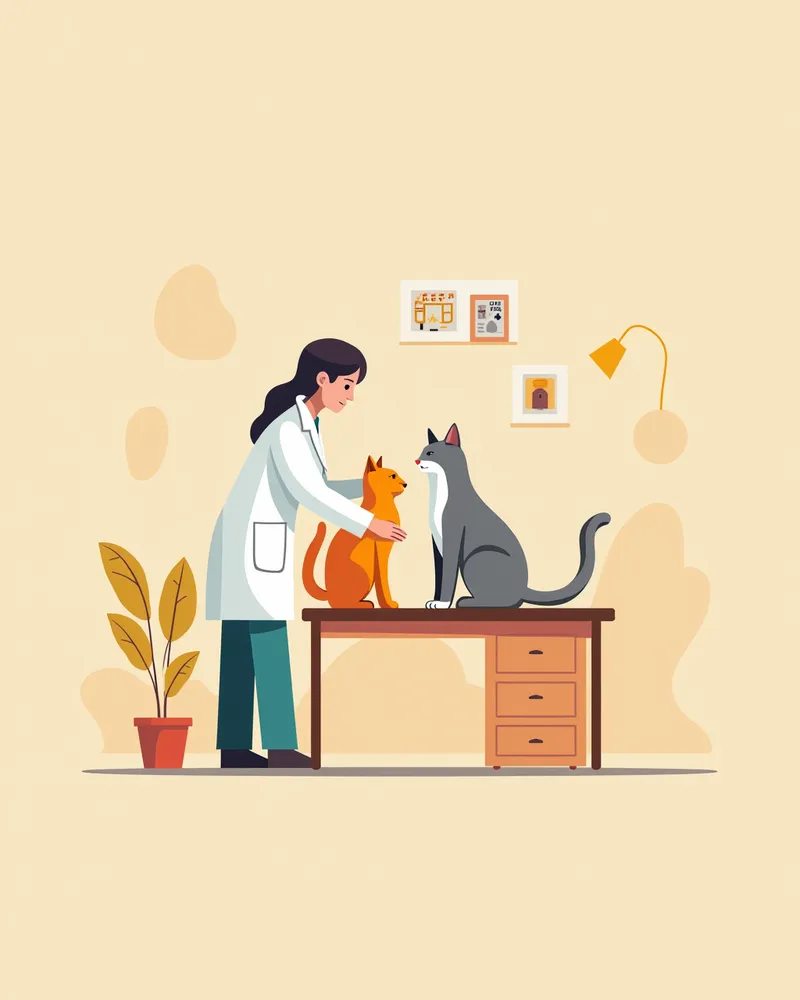
Before choosing a management approach, there are essential steps you must take.
Step 1 — Rule out other conditions: Hypertension, hyperthyroidism, and kidney disease can present with similar symptoms. Blood tests and blood pressure measurements should be performed first.
Step 2 — Assess symptom severity: The need for supplements depends on whether the condition is mild (2–3 symptoms) or moderate to severe.
Step 3 — Check for underlying diseases: If kidney or liver disease is present, certain supplements may be restricted.
Once these three factors have been evaluated, select the appropriate management method from the options below.
A veterinarian examining a senior cat at the animal hospital

Top 5 FCD Management Recommendations — Ranked by Veterinary Evidence

1. Environmental enrichment (puzzle feeders and play): This is the most clearly recommended approach in veterinary behavioral medicine textbooks. Stimulating the brain through foraging activities and play helps maintain cognitive function. 2. Antioxidant supplements: Antioxidants like vitamin E help reduce oxidative damage to the brain. These are commonly found in supplements formulated for senior cats. 3. Omega-3 fatty acids (essential fatty acids): Essential fatty acids help reduce oxidative damage. Products based on fish oil are primarily used. 4. Neuroprotective complex supplements: Specialized products combining antioxidants and ingredients that support brain metabolism are available (e.g., Aktivait, Aprylic). Consult your veterinarian to choose the right one. 5. Consistent routines: Keeping fixed meal and sleep times helps reduce anxiety caused by disorientation. No supplement can cure Feline Cognitive Dysfunction (FCD), so consult your veterinarian to find the best approach for your cat.

SAMe and Omega-3 — Key Points for Choosing Products

It’s safer to use supplements specifically formulated for cats or those approved by a veterinarian, rather than arbitrarily using human products. According to veterinary pharmacology textbooks, cats cannot properly metabolize certain ingredients, which can cause toxicity when human products are used. For nerve-protective antioxidants and essential fatty acid supplements, choose products designed for senior cats, and omega-3 supplements are typically fish oil-based. Dosage should be determined by a veterinarian based on the cat’s weight, kidney function, and overall health. Products with the “NASC Quality Certification” mark have met established quality standards.
Omega-3 fish oil supplement specially formulated for cats

FCD Management Methods at a Glance

ItemResearch evidenceEstimated monthly costCan be done at home?
SAMe supplementLimited₩20,000–50,000Veterinary prescription required
Omega-3 (fish oil)Moderate₩10,000–30,000Yes
Antioxidant supplementModerate₩10,000–20,000Yes
Environmental stimulation (puzzle feeders/play)HighFree after initial purchaseYes
Regular routineModerateNoneYes

Costs vary by product. Decide after consulting a veterinarian.

Daily Environmental Management Checklist for Home

Environmental stability is key for cats with cognitive dysfunction.
Keep furniture arrangements fixed: Changing familiar spaces can increase confusion.
Use low-entry litter boxes: Switching to a box with lower sides reduces accidents.
Night lighting: Leaving a dim nightlight on helps maintain their sense of direction at night.
Introduce puzzle feeders: Turn mealtime into a brain-stimulating activity.
Short, regular play sessions: Repeat play for 5–10 minutes at the same time each day.
These are methods you can start right away, without supplements.
An elderly cat playing with a puzzle feeder

Things You Should Never Give to Cats

Human products may contain ingredients that cats cannot properly metabolize. According to veterinary pharmacology textbooks, certain human-use and preservative ingredients, such as benzyl alcohol and benzocaine, can cause neurotoxicity in cats. Additionally, ingredients like alpha-lipoic acid, which are included in diets formulated specifically for senior dogs, often lack confirmed safety data for cats. Therefore, never administer human or dog-specific products to your cat without veterinary guidance; always use products specifically formulated for cats or those approved by a veterinarian.

Reviewed by a veterinarian

Dr. Tony — Punnawat Phongkittirak

Dr. Tony — Punnawat Phongkittirak

Veterinarian

A veterinarian who majored in veterinary medicine at Khon Kaen University, Thailand, and completed the IVSA program at North Carolina State University in the United States. Drawing on clinical experience at animal hospitals, he works in the pet healthcare field and is dedicated to building a digital care environment that connects pet parents with veterinarians.

Frequently Asked Questions

At what age should you start suspecting cognitive dysfunction?
Symptoms typically begin to appear as cats enter their senior years, usually around 11 years of age or older. According to veterinary textbooks, the onset varies significantly among individuals, with some cases emerging as early as 10 years of age, while the condition is more commonly reported in geriatric cats aged 15 and older.
Is sudden, loud crying at night always a sign of FCD?
Nighttime vocalization is a hallmark sign of feline cognitive dysfunction, but it can also stem from high blood pressure or hyperthyroidism. If other symptoms such as disorientation or accidents outside the litter box are present, it’s best to have a veterinarian determine the underlying cause first.
Is FCD curable?
There is currently no cure. The goal is to slow the progression of the disease and maintain your pet's quality of life through proper nutritional support and environmental management. Early detection leads to more effective outcomes.
Is SAMe only available at veterinary clinics?
It’s best to choose a feline-specific neuroprotective and antioxidant supplement after consulting with your veterinarian. Human products may have different formulations or ingredients that affect absorption or cannot be properly metabolized by cats, so it’s safest to select a product designed specifically for cats after discussing it with your vet.
Do puzzle feeders really work?
Research in veterinary behavioral medicine shows that environmental enrichment can actually help maintain cognitive function. Puzzle feeders turn mealtime into brain-stimulating activity, effectively slowing the decline of cognitive abilities.

Share

Related Guides

References

[1] Gunn-Moore D, Moffat K, Christie LA, Head E. Cognitive dysfunction and the neurobiology of ageing in cats. J Small Anim Pract. 2007;48(10):546-553.

[2] Little SE (ed). The Cat: Clinical Medicine and Management, 2nd Edition. Elsevier Saunders, 2012. Chapter on Neurological Disease.

[3] Landsberg GM, Hunthausen W, Ackerman L. Behavior Problems of the Dog and Cat, 3rd Edition. Saunders Elsevier, 2012.

[4] Dewey CW, Davies ES, Xie H, Wakshlag JJ. Canine cognitive dysfunction: pathophysiology, diagnosis, and treatment. Vet Clin North Am Small Anim Pract. 2019;49(3):477-499.

This information is based on veterinary literature and does not replace diagnosis or treatment. Please consult a veterinarian for specific health concerns.

Metapet Co., Ltd. | CEO: Park Sung-yong | Business Reg. No. 417-88-02562 | Seoul, South Korea | Customer Center

Vet-Recommended: 7 Care Tips for Senior Cat Cognitive Dysfunction | Meongsiljang