Like
Share
멍실장
고양이 강박적 핥기·씹기 관리 추천 BEST와 고르는 기준 총정리

7 Recommended Products for Alleviating Compulsive Licking and Chewing in Cats, as Selected by Veterinarians

Brain & CognitionTop PicksMeongsiljang Veterinary Advisory Board

If your cat is repeatedly licking or chewing to the point of hair loss, it could be a compulsive behavior. Here’s a breakdown of management strategies and recommended approaches based on the underlying cause.

What Is Compulsive Licking and Chewing in Cats?
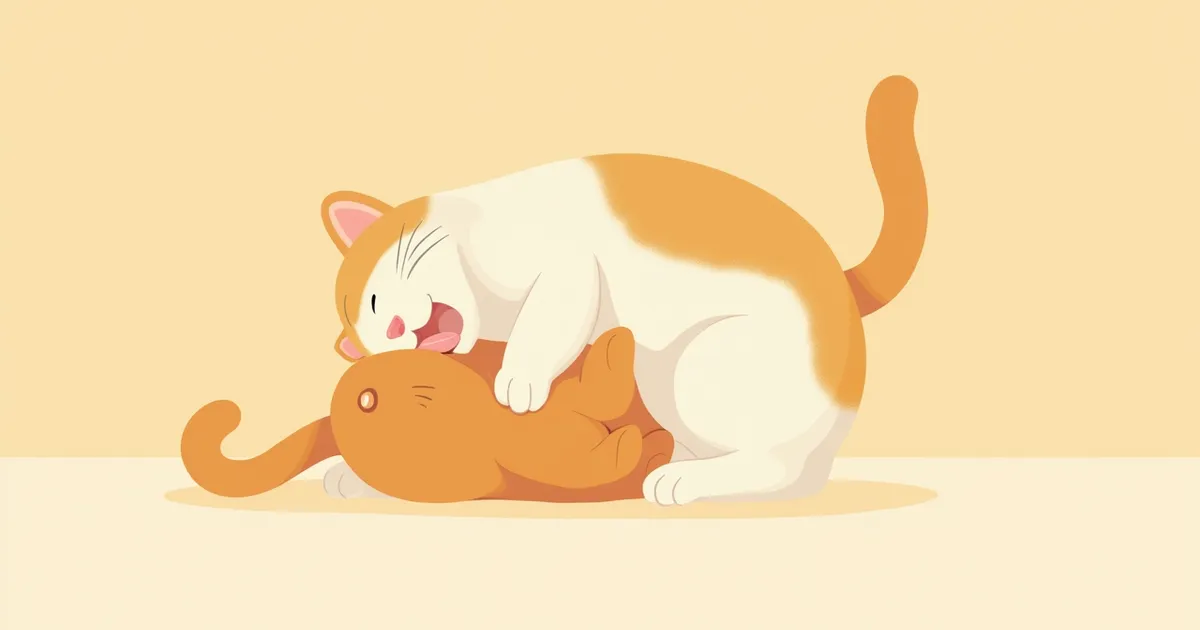
A pet owner examining a cat’s abdomen where hair loss has occurred
Compulsive licking and chewing in cats is a behavioral disorder characterized by repetitive licking or chewing of specific body areas, which can lead to hair loss and skin damage. The most important thing to understand is that this behavior is not simple grooming; it is a signal of complex underlying issues involving stress, environmental deficiencies, or medical problems. If you notice hair loss on specific areas such as the belly, inner thighs, or tail, the right approach is to identify the root cause first rather than simply trying to stop the behavior.

Normal Grooming vs. Compulsive Behavior — Differentiation Checklist

To determine whether your pet’s grooming is normal or a sign of compulsive behavior, check the following five points:
Ability to stop: If your pet continues licking despite being called or hearing noises, it is likely compulsive behavior.
Repetitive focus: Concentrated licking on specific areas such as the belly, inner thighs, or tail is a sign of compulsion.
Hair loss: Psychogenic alopecia often appears as symmetrical hair loss with clearly defined borders.
Duration of licking: If grooming time is noticeably longer than usual and interferes with daily activities like eating or resting, consider it an abnormal sign.
Skin condition: If the skin becomes red, develops scabs, or shows wounds, immediate veterinary dermatological care is needed.

Signs That Require Immediate Veterinary Attention

If your pet has open wounds or oozing on the skin, or if a patch of fur has completely fallen out, they need to see a vet right away. If they suddenly start licking excessively, refuse to eat, or hide, it could indicate a skin infection or a neurological issue. In these cases, a visit to a dermatology or behavioral specialist clinic is necessary.

Criteria for Choosing a Management Plan — Identifying the Underlying Cause Comes First
When choosing a management plan for compulsive licking or chewing, identifying the underlying cause is the first and most important step.
Stress-related: If symptoms began after environmental changes such as moving, family dynamics shifts, or introducing a new cat, environmental enrichment and pheromone products should be your first choice.
Medical causes: If parasites, allergies, or skin infections are the root cause, medical treatment must come first. Behavioral modification alone will not be effective without a thorough internal medicine examination.
Mixed causes: It is common for both factors to overlap, making a veterinary diagnosis essential.
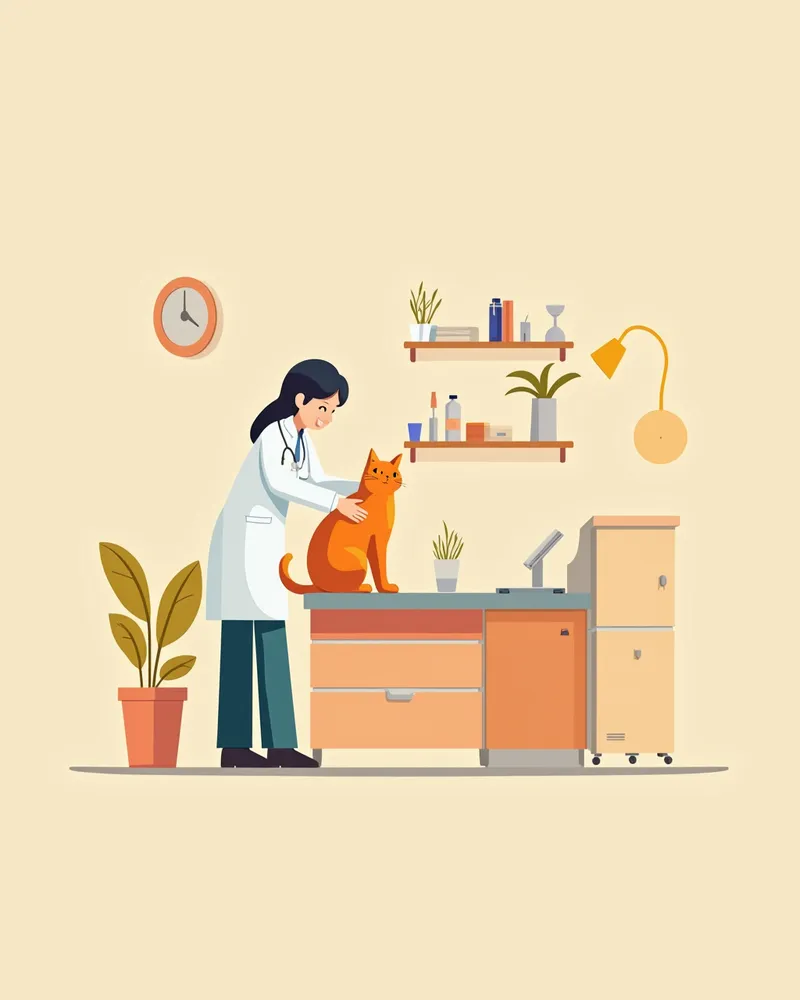
A veterinarian examining a cat to determine the cause of its condition.

Top 4 Environmental Enrichment Recommendations — First-Line Response for Stress-Induced Compulsive Behaviors
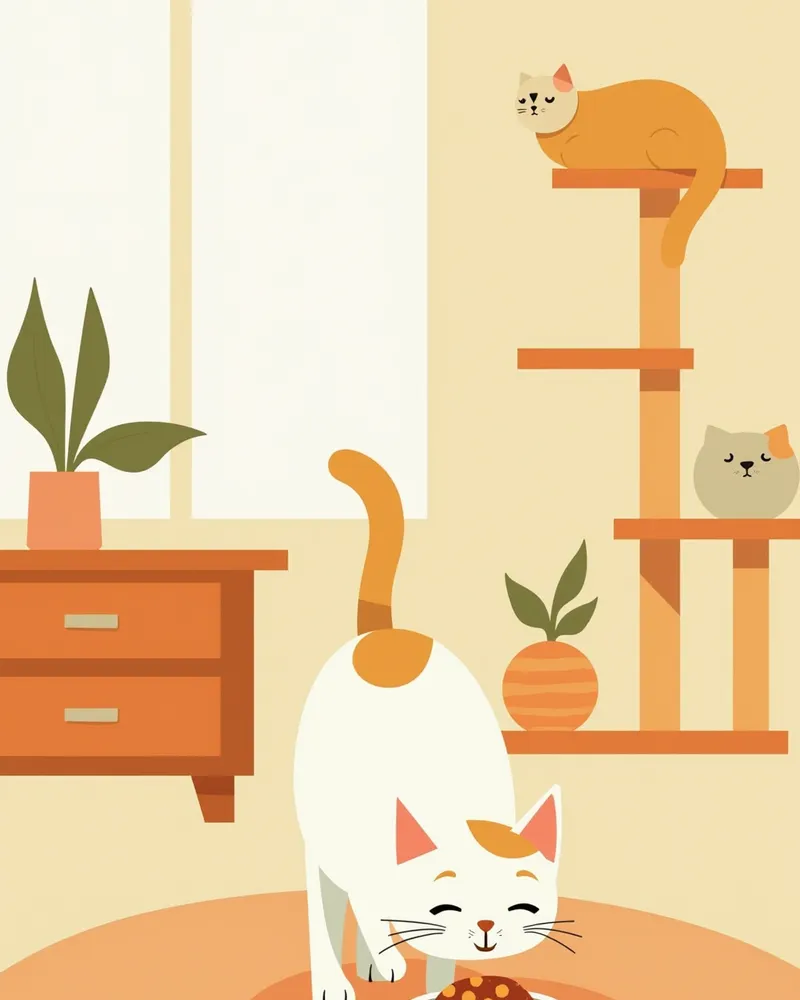
For stress-induced compulsive behaviors, environmental enrichment is the most effective first-line approach from a veterinary behavioral standpoint. 1. Puzzle feeders: These satisfy hunting instincts and reduce anxiety. Offering meals through puzzles provides 20–30 minutes of mental stimulation daily. 2. Cat trees and window perches: Vertical space and outdoor visual stimulation help reduce territorial stress. A height of 150 cm or more is recommended. 3. Multiple hiding spots: Placing boxes and tunnels in various locations creates safe retreats, enhancing your cat’s sense of security. 4. Two play sessions per day: Ten to fifteen minutes of wand toy play helps redirect grooming impulses.
A cat playing with a puzzle feeder

Pheromone and Supplement Products — Selection Criteria and Recommendations

First-choice synthetic pheromone diffuser: This complementary tool helps reduce stress by releasing synthetic feline facial pheromones (F3). Plug it into an outlet near where your cat grooms. While studies suggest it may aid in adapting to new environments and managing stress-related issues, further research is still needed. Therefore, it’s best used as a secondary support alongside proper environmental management.
Second-choice L-tryptophan supplement: As a precursor to serotonin, L-tryptophan has been studied for its potential to ease anxiety and fear. Choose a product recommended by your veterinarian.
Third-choice catnip or valerian: These may provide temporary calming effects, but there are few natural products with proven efficacy, and they don’t work for all cats. In some cases, they can even cause excitement, so it’s important to observe your cat’s reaction first.

Medical Treatment — When and How to Use Medication?
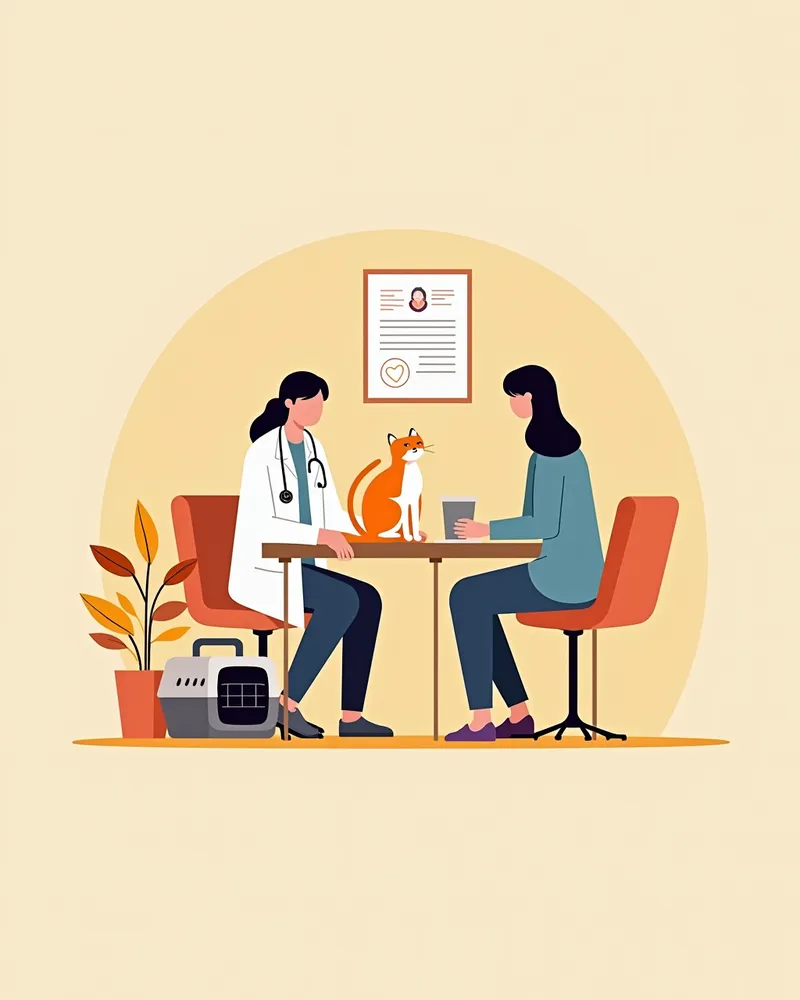
If environmental management alone doesn’t improve the situation, your veterinarian may consider medication. Veterinary behavior textbooks note that drugs such as clomipramine (a tricyclic antidepressant) are used for compulsive behaviors, and they are more effective when combined with behavior modification than when used alone. Medications must always be prescribed by a veterinarian based on your cat’s weight and health status (for example, clomipramine at 0.5–1 mg/kg once daily), and you should never use human medications without veterinary guidance. Medications are most effective when used alongside environmental enrichment and behavior modification. However, the type, dosage, and duration of treatment vary depending on the individual cat, and monitoring for potential side effects related to sedation, heart function, and liver health is essential. Always follow your veterinarian’s instructions carefully.
Pet owners consulting with a veterinarian about a behavior modification plan

Cats That Require Extra Attention

Compulsive licking and chewing, known as psychogenic alopecia, is a diagnosis of exclusion made only after all other medical causes have been ruled out, so the presentation varies from cat to cat. Cats that are stress-sensitive or vulnerable to environmental changes may develop symptoms more readily. If your cat has a history of being particularly sensitive or struggling to adapt to new environments, it’s best to seek veterinary care early, even if the symptoms seem mild. An accurate assessment requires a comprehensive evaluation of both skin and behavior by a veterinarian.

Reviewed by a veterinarian

Dr. Tony — Punnawat Phongkittirak

Dr. Tony — Punnawat Phongkittirak

Veterinarian

A veterinarian who majored in veterinary medicine at Khon Kaen University, Thailand, and completed the IVSA program at North Carolina State University in the United States. Drawing on clinical experience at animal hospitals, he works in the pet healthcare field and is dedicated to building a digital care environment that connects pet parents with veterinarians.

Frequently Asked Questions

My dog is losing fur on its belly. Could this be a compulsive behavior, or is it a skin condition?
Both are possible. Compulsive licking, as well as skin conditions like allergies or parasitic infestations, can all cause hair loss. In fact, many cases suspected to be psychogenic alopecia were ultimately found to have a medical cause, so the most accurate approach is to have your veterinarian perform both a skin examination and a behavioral assessment.
Do pheromone diffusers actually work?
This is a complementary product that has been reported to help with stress-related issues. However, its effects are supportive, and further research is still needed. If there is an underlying medical cause, it may be difficult to expect any significant effect. Identifying the root cause should always come first.
Will compulsive licking go away on its own if left untreated?
It’s unlikely to resolve on its own. If the underlying cause and irritants remain, the pattern can become entrenched, so early intervention after identifying the root cause is key to a better recovery.
Can prolonged periods of being alone lead to compulsive behaviors in dogs?
It’s not a direct cause, but if your pet is in an environment where stress builds up when left alone, it can become a risk factor. Enriching their environment to make alone time more meaningful can help.

Share

Related Guides

References

[1] Mertens, P.A., Torres, S., and Jessen, C. (2006). The effects of clomipramine hydrochloride in cats with psychogenic alopecia: a prospective study. J. Am. Anim. Hosp. Assoc. 42(5): 336–343.

[2] Ahola, M.K., Vapalahti, K., and Lohi, H. (2017). Early weaning increases aggression and stereotypic behaviour in cats. Nat. Sci. Rep. 7: 10412.

[3] Overall, K.L. (2013). Manual of Clinical Behavioral Medicine for Dogs and Cats. Elsevier Mosby. Chapter 10: Feline Stereotypies and Compulsive Disorders.

[4] Landsberg, G., Hunthausen, W., and Ackerman, L. (2013). Behavior Problems of the Dog and Cat, 3rd ed. Saunders Elsevier. Chapter 8: Feline Compulsive and Stereotypic Disorders.

This information is based on veterinary literature and does not replace diagnosis or treatment. Please consult a veterinarian for specific health concerns.

Metapet Co., Ltd. | CEO: Park Sung-yong | Business Reg. No. 417-88-02562 | Seoul, South Korea | Customer Center

Vet-Selected: 7 Products to Ease Compulsive Licking & Chewing in Cats | Meongsiljang