
7 Best Care Products to Reduce Eye Pain in Cats with Feline Uveitis
Feline uveitis is a serious condition that can cause eye pain and vision loss. It’s important to choose appropriate treatments and care products.
Feline Uveitis Is an Inflammation Inside the Eye
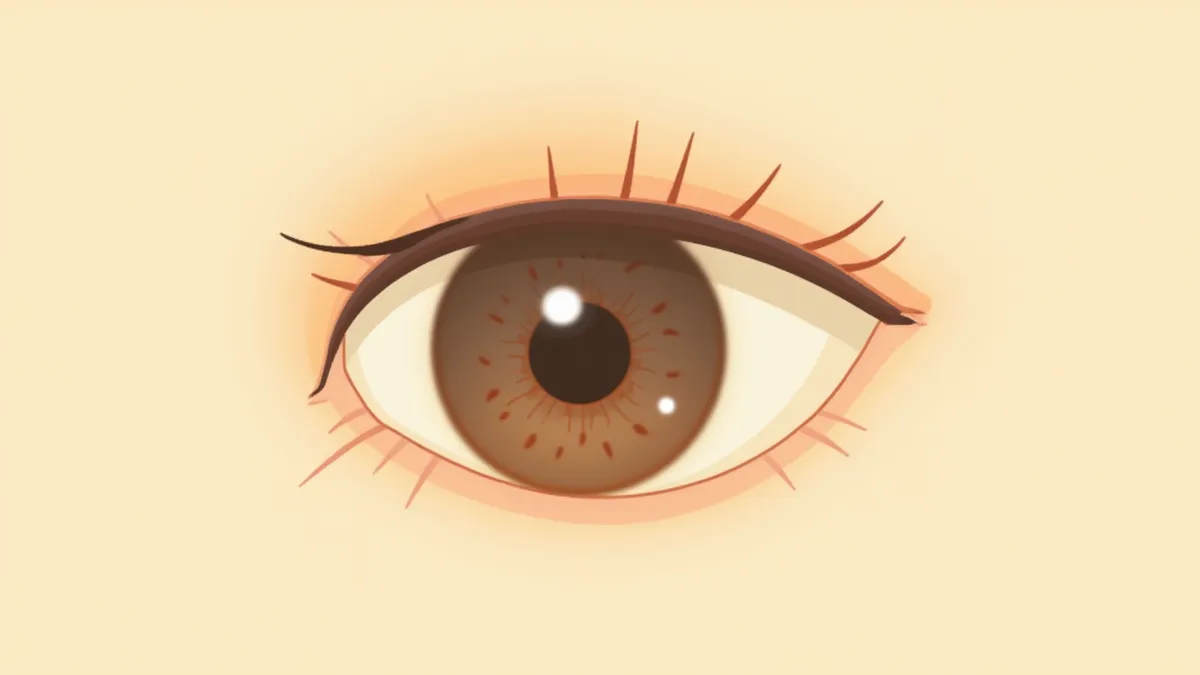
Key Information: Managing Feline Uveitis
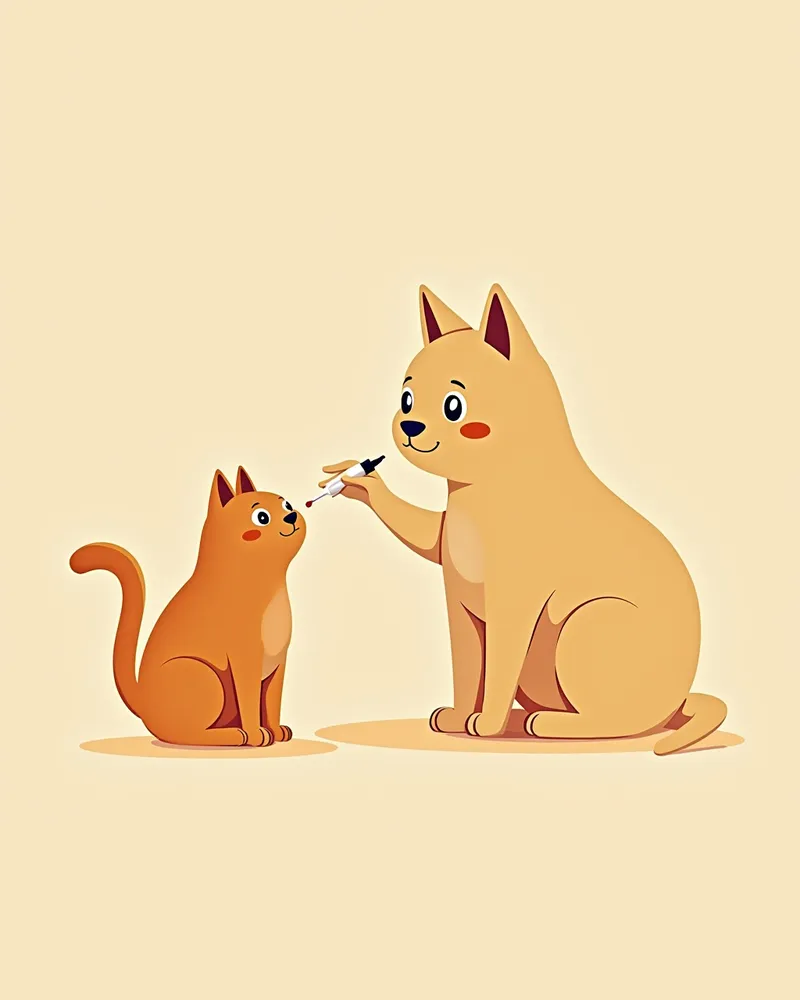
Key Information 1: Symptoms and Urgency of Uveitis
Key Information 2: Diagnosis and Treatment Options
Key Information 3: Care Precautions and the Importance of Veterinary Diagnosis

What Cat Owners Should Know About Feline Uveitis
| Item | Key Points |
|---|---|
| Symptoms | Redness, excessive tearing, light avoidance, pupil size asymmetry |
| Cause | Infection (viral, bacterial, fungal), trauma, immune disorders, etc. |
| Diagnosis | Intraocular pressure measurement, slit lamp, blood tests, infectious cause testing |
| Treatment | Cause-specific prescription medication plus anti-inflammatory eye drops, decided by the veterinarian |
| Caution | Do not arbitrarily stop medication or use self-administered supplements |
This is not a table recommending specific products or hospitals, but a reference to consult with your veterinarian. Decisions about treatment and testing must always be made together with your veterinarian through an examination.
Caution: Visit the Vet Immediately If the Eye Is Red or Feels Hot
If your cat frequently rubs its eyes or keeps them closed, it could indicate worsening uveitis. If you suspect pain or vision loss, consult a veterinarian immediately.
Usage Tips and Care Methods

Reviewed by a veterinarian

Dr. Tony — Punnawat Phongkittirak
VeterinarianA veterinarian who majored in veterinary medicine at Khon Kaen University, Thailand, and completed the IVSA program at North Carolina State University in the United States. Drawing on clinical experience at animal hospitals, he works in the pet healthcare field and is dedicated to building a digital care environment that connects pet parents with veterinarians.
Reviewed 2026-06-02
Frequently Asked Questions
Can feline uveitis be completely cured?
Can I use eye drops multiple times a day?
Does the oral capsule have a direct effect on the eyes?
Can uveitis recur?
How to administer eye drops at home
Share
Related Guides

Top 5 Dog Tear Supplements Recommended for 2026

What is Lutein? Effects on Dog Eye Health

The Best Canine Uveitis Management Products and Selection Criteria: A Comprehensive Guide

Top 5 Recommended Dog Atopic Shampoos — Comparison Guide for Low-Irritant, Ceramide-Containing Products

Top 5 Probiotic Strains for Cats Recommended by Veterinarians — For Chronic Diarrhea and Constipation

Top 5 Prescription Diets for Canine IBD — A Comparative Guide to Hydrolyzed Proteins

Top 7 Short-Legged Dog Breeds

Top 5 Cat Kidney Supplements Recommended for 2026

Top 5 Dog Probiotics Recommended for 2026 — Selection Criteria from Veterinarians

Top 5 Recommended Joint Supplements for Dogs in 2026
References
[1] Krause KM et al. (2021) Feline Uveitis: Diagnosis and Management. Journal of Feline Medicine and Surgery, 23(5), 456–468.
[2] Gelatt KN et al. (2019) Veterinary Ophthalmology, 6th Edition. Wiley-Blackwell.