

The Best Recommended Products for Managing Feline Acute Kidney Injury (AKI) and How to Choose Them
Feline acute kidney injury (AKI) is a condition where swift action can save your cat’s life. Here’s a guide to effective management products and how to choose the right ones.
Feline Acute Kidney Injury (AKI): A Condition Where Swift Action Saves Lives
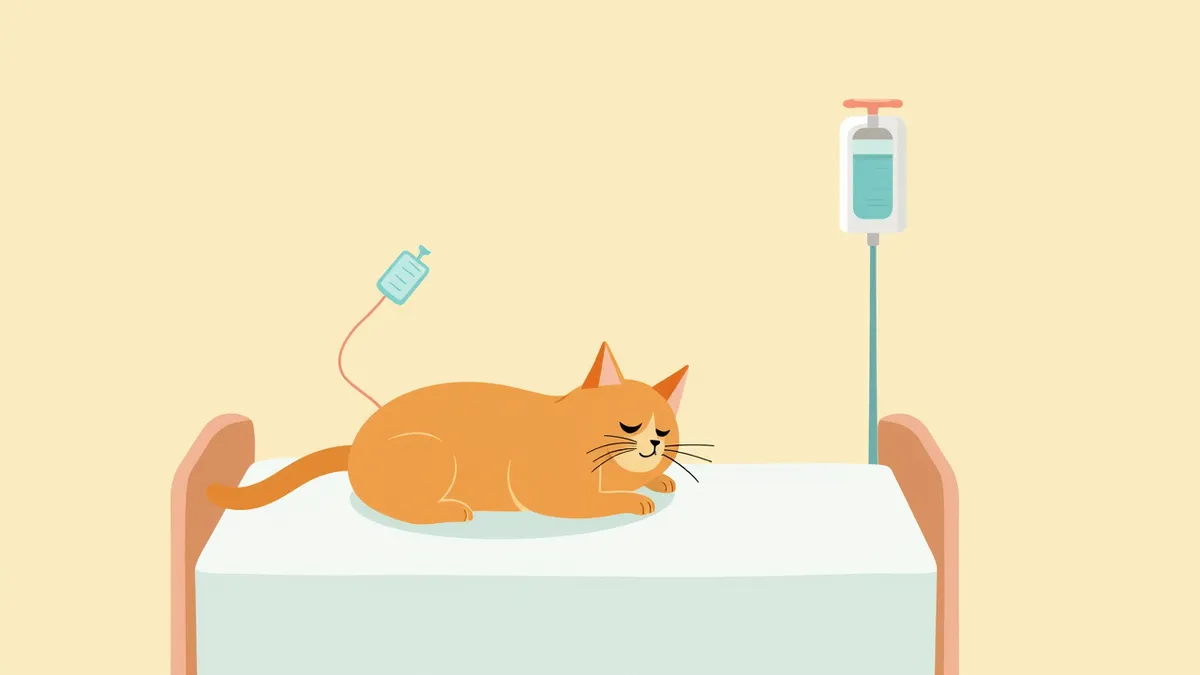
Key Information: Managing Feline Acute Kidney Injury (AKI)

Key Information 1: What Is Acute Kidney Injury?
Key Information 2: Diagnosis and Treatment Options

Key Information 3: Recovery Care and Precautions
What Pet Owners Should Know About Feline Acute Kidney Injury (AKI)
| Item | Key points |
|---|---|
| Symptoms | Vomiting, lethargy, sharp drop in urine output, decreased appetite |
| Causes | Ingestion of toxic substances, urinary obstruction, severe dehydration, infection |
| Diagnosis | Confirmed by blood/urine tests and kidney ultrasound |
| Treatment | IV fluids, removal of the cause, vet-prescribed care |
| Management | Maintain prescription diet, regular blood tests, monitor water intake |
This is not a table recommending specific products or clinics, but a reference to consider when consulting your veterinarian. Treatment and testing decisions must always be made together with your veterinarian through an examination.
Caution: Immediate Veterinary Visit Within 24 Hours Is Essential for Feline Acute Kidney Injury
If your cat suddenly loses its appetite, stops drinking water, has no bowel movements, or experiences repeated vomiting, you should take it to the vet immediately. Acute kidney failure is an emergency condition where the prognosis improves with early treatment and worsens with delays. The reported mortality rate is as high as 50%, and the prognosis is even worse if urine output is low or absent. Therefore, it is crucial to start treatment as soon as possible, so please be sure to check for these emergency signs.
Usage Tips: How to Effectively Use Products for Managing Feline Acute Kidney Injury

Reviewed by a veterinarian

Dr. Tony — Punnawat Phongkittirak
VeterinarianA veterinarian who majored in veterinary medicine at Khon Kaen University, Thailand, and completed the IVSA program at North Carolina State University in the United States. Drawing on clinical experience at animal hospitals, he works in the pet healthcare field and is dedicated to building a digital care environment that connects pet parents with veterinarians.
Reviewed 2026-06-05
Frequently Asked Questions
Can acute kidney failure in cats be cured?
Is it enough to just change the food?
How long should I continue giving the supplement?
How can I care for my pet at home?
Can it be transmitted to other cats?
Share
Related Guides

Top 5 Prescription Diets for Cats with Chronic Kidney Disease — Stage-Specific Protein Adjustment

7 Emergency Signs and Causes of Acute Kidney Failure in Dogs You Must Not Miss

Top Recommended Prescription Renal Diets for Cats and Key Selection Criteria

7 Criteria for Choosing Phosphate Binders for Dogs with Hyperphosphatemia, as Recommended by Veterinarians

My Dog’s Belly Is Swollen — 7 Key Points for Managing Cardiac Ascites Paracentesis

7 Key Points for Managing Feline Pulmonary Arterial Hypertension Recommended by Veterinarians

The Best Canine Uveitis Management Products and Selection Criteria: A Comprehensive Guide

7 Essential Tips for Managing Feline Retinal Detachment: Signs You Must Not Miss

7 Key Products for Managing Feline Hypercalcemia Recommended by Veterinarians and Selection Criteria

Top 5 Moisturizing Skincare Products for Dogs with Dry Skin — Complete Guide to Choosing the Right One
References
[1] Notes on Canine Internal Medicine, 4th Ed, 2020
[2] Urinalysis in the Dog and Cat, 2019
[3] Clinical Medicine of the Dog and Cat, 4th Ed, 2021