Like
Share
멍실장
강아지 법랑질 저형성 관리 추천 BEST와 고르는 기준 총정리

7 Key Management Tips for Canine Enamel Hypoplasia Recommended by Veterinarians

Oral HealthTop PicksMeongsiljang Veterinary Advisory Board

Hypoplasia of the enamel in dogs is a condition where the enamel becomes thin or defective due to a developmental disorder of the teeth. Proper care and product selection are key to maintaining dental health.

Enamel Hypoplasia in Dogs Is a Condition Caused by Abnormal Tooth Development

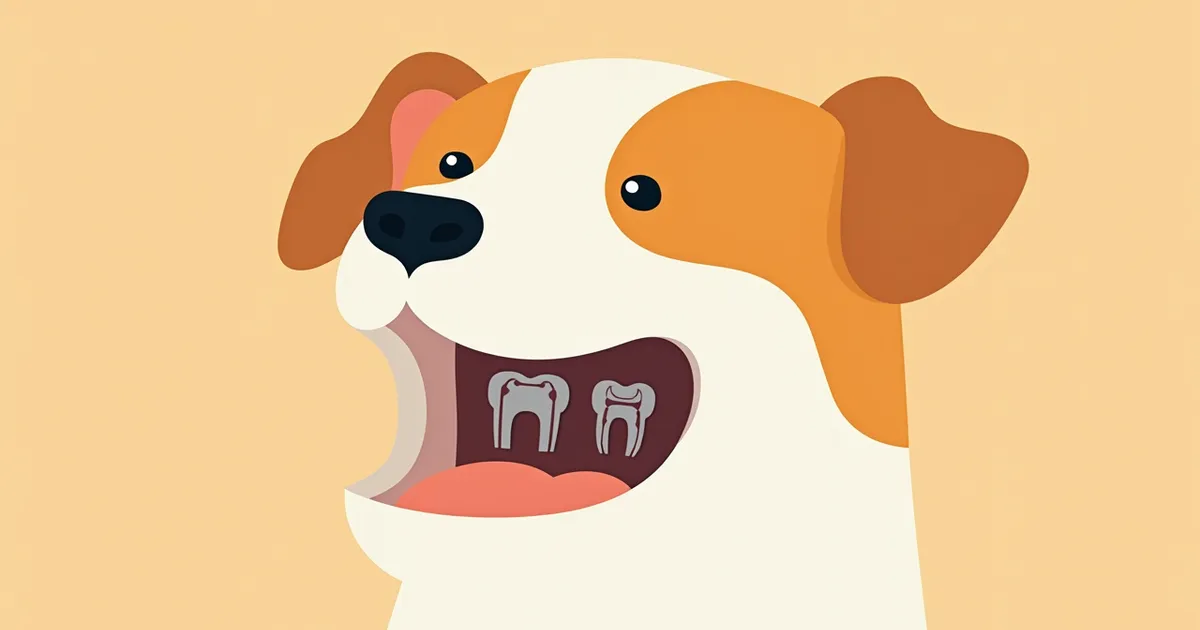
A puppy’s mouth showing dental defects caused by enamel hypoplasia
Enamel hypoplasia in dogs is a condition in which the enamel fails to develop properly during tooth formation, resulting in thin or defective enamel. It can occur when systemic factors affect the dog during the growth period when teeth are forming, and known causes include severe systemic illness, nutritional deficiencies, and trauma. When the enamel is thin, the underlying dentin is more likely to become exposed, making the tooth sensitive to external stimuli and more vulnerable to bacterial invasion. Even if outward symptoms are not obvious, the dog may still experience discomfort or pain, so early detection and consultation with a veterinarian are important. - Enamel hypoplasia: A developmental abnormality in which the enamel, the protective layer of the tooth, forms weakly, directly affecting dental health. - Key management: Consistent dental care and a balanced nutritional supply are essential. - Prevention strategy: Regular veterinary check-ups and a customized care plan developed with your veterinarian can be helpful.

Good to Know: Managing Enamel Hypoplasia in Dogs

For puppies with enamel hypoplasia, it’s best to carefully evaluate ingredients and safety when choosing a product, and consult your veterinarian before making a selection. - Calcium and phosphorus balance: A proper balance of calcium and phosphorus is essential for dental and bone health. However, excessive calcium supplementation can be counterproductive, so confirm the appropriate dosage and amount with your veterinarian. - Verify ingredient evidence: Rather than relying solely on marketing claims, prioritize ingredients with proven efficacy and safety. Avoid adding unverified ingredients. - Choose the right formulation: Select a form that is easy for your puppy to consume, such as powder, jelly, or treat formats, to encourage consistent intake. - Veterinarian-recommended products: Prioritize products with verified safety and efficacy, and strictly adhere to the recommended dosage. - Regular check-ups: Monitor your puppy’s dental health regularly while using the product, and adjust care as needed.
A variety of dental care products designed to manage enamel hypoplasia in dogs

Good to Know 1: Understanding What Enamel Hypoplasia Is

Enamel hypoplasia is a condition in which the enamel covering the tooth surface is thinner than normal or incompletely formed. It can be caused by fever, nutritional deficiencies, viral infections, or trauma during the period when permanent teeth are erupting. Visually, the tooth surface may appear rough, pitted, or discolored. Insufficient enamel exposes the underlying dentin, making the tooth sensitive to cold foods or other stimuli, and allows bacteria to easily penetrate into the tooth, potentially leading to cavities or pulpitis. Even if symptoms seem mild, pain may still be present, so it is important to have your pet examined by a veterinarian early on.
Learn about the condition of enamel hypoplasia. Related guide image

Good to Know 2: Understanding Diagnosis and Treatment Approaches
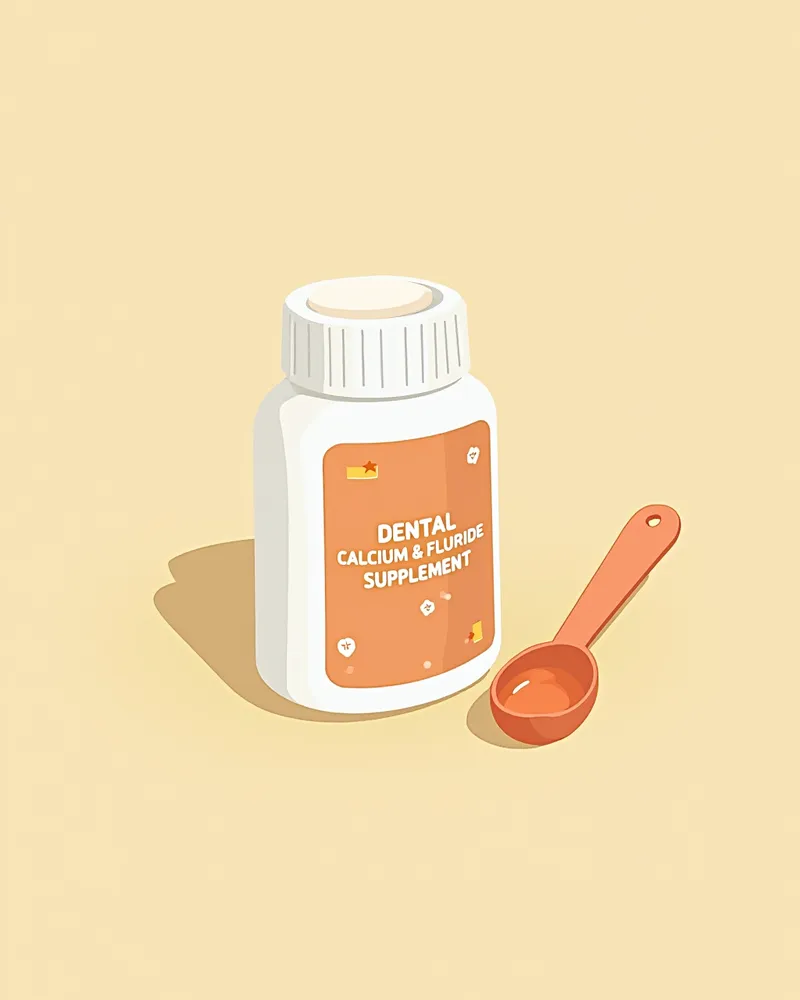
Diagnosis is made through a veterinarian’s oral examination and dental radiographs. The treatment approach may vary depending on the extent of the damage. In mild cases, dental sealants or resin coatings to protect the tooth surface may be considered. If the dentin is significantly exposed and the risk of infection is high, restorative treatment or, in some cases, extraction may be necessary. Since the choice of treatment and timing are determined by the veterinarian based on the individual condition, it is best not to delay treatment based on self-assessment. Regular dental check-ups help with early intervention.
Learn about the diagnosis and treatment approach. See the related guide image.

Good to Know 3: Understanding Daily Care and Precautions

Puppies with enamel hypoplasia require extra care in dental hygiene. Avoid hard toys or bone treats, as they can further damage weakened teeth. Brush daily with a soft toothbrush to prevent plaque and bacterial buildup. Use only veterinarian-prescribed oral hygiene supplements, and avoid unverified home remedies or unlicensed products found online. Regular dental check-ups with your vet are essential for monitoring any changes in your dog’s dental health.
Learn about daily care and precautions. Refer to the related guide image.

What Owners Should Know About Enamel Hypoplasia in Dogs

ItemKey Points
ConditionA condition in which the tooth enamel is thin or incompletely formed
CauseCaused by fever, nutritional deficiency, viral infection, or trauma during the growth period
DiagnosisThe veterinarian diagnoses it through an oral exam and dental radiography
TreatmentSealants, resin coating, or restorative procedures; extraction is needed in severe cases
CautionAvoid hard treats, and daily brushing and regular dental checkups are important

This is not a table recommending a specific product or clinic, but criteria to reference when consulting your veterinarian. Treatment and testing decisions must always be made together with your veterinarian through an examination.

Caution: Risk of Calcium Excess from Overconsumption

When giving your dog calcium supplements, it is crucial to stick to the recommended dosage. In healthy dogs, a temporary excess of calcium usually results only in mild gastrointestinal symptoms like vomiting or diarrhea, and it rarely progresses to severe hypercalcemia. However, if the product also contains vitamin D, the risk of hypercalcemia increases significantly. Additionally, dogs with compromised kidney function are at a higher risk for complications. Therefore, always check the ingredient list and strictly follow the dosage recommended by your veterinarian.

Tips for Managing Enamel Hypoplasia in Dogs
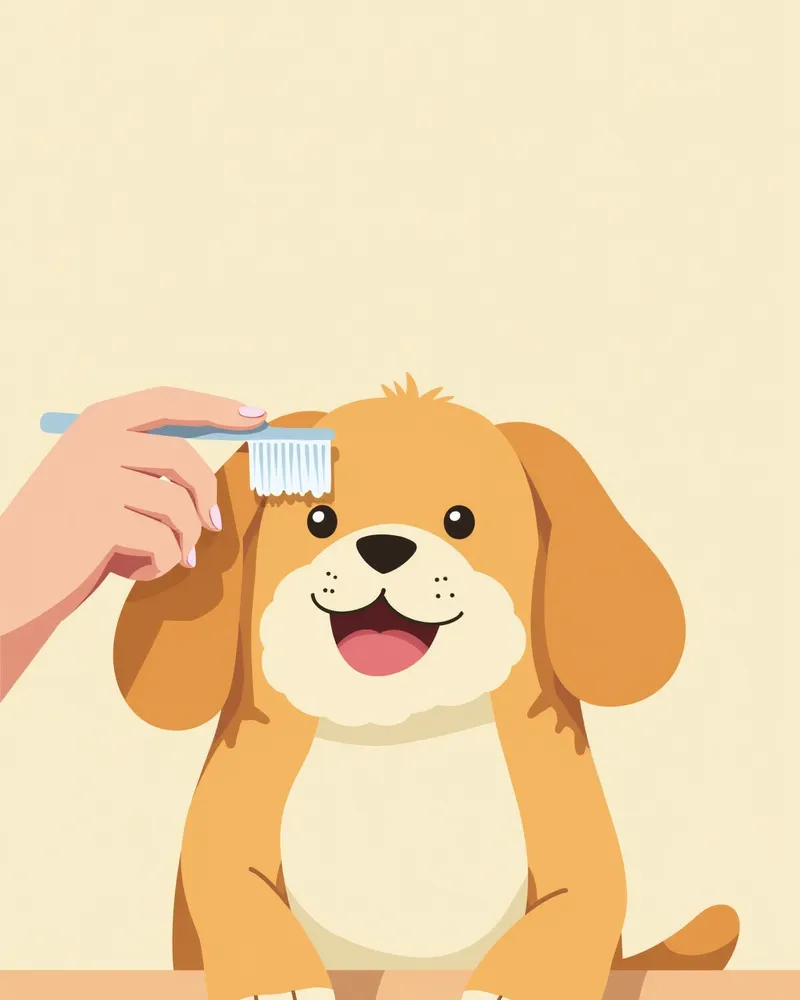
Enamel hypoplasia requires consistent care to protect your pet’s teeth. Daily brushing is the most effective way to maintain dental health. Avoid hard foods like meat on the bone, which can strain or damage the teeth. - Collaborate with your veterinarian: Schedule regular dental check-ups to detect and manage issues early. - Nutritional balance: Choose diets or supplements that provide the right calcium-to-phosphorus ratio. - Product usage tips: Use only products recommended by your veterinarian and strictly follow the prescribed dosage. - Lifestyle habits: Since eating habits and activity levels also impact dental health, take a holistic approach to your dog’s overall well-being.
A puppy brushing its teeth together with its owner.

Reviewed by a veterinarian

Dr. Tony — Punnawat Phongkittirak

Dr. Tony — Punnawat Phongkittirak

Veterinarian

A veterinarian who majored in veterinary medicine at Khon Kaen University, Thailand, and completed the IVSA program at North Carolina State University in the United States. Drawing on clinical experience at animal hospitals, he works in the pet healthcare field and is dedicated to building a digital care environment that connects pet parents with veterinarians.

Frequently Asked Questions

Can enamel hypoplasia be treated?
While a complete cure may be difficult, you can maintain your pet's dental health through preventive care and consistent management. It's important to start early care in collaboration with your veterinarian.
Which breeds are more susceptible to enamel hypoplasia?
It is known that factors such as severe systemic illness, nutritional deficiencies, or trauma during the growth phase when teeth are forming have a greater impact than specific breeds. For an accurate assessment of your pet's risk factors, we recommend consulting with a veterinarian.
Is it okay to manage it with treats alone?
Treats can be helpful, but they need to be combined with daily teeth cleaning and regular check-ups to be effective. Treats alone are not enough.
Where can I find products recommended by veterinarians?
You can purchase it directly at the veterinary clinic or from an online store recommended by your veterinarian. Be sure to verify that you are buying genuine products.
Can enamel hypoplasia lead to other dental diseases?
When the enamel weakens, the underlying dentin becomes exposed, which can lead to tooth decay, tooth fractures, and periodontal disease. That’s why early care and regular check-ups are so important.

Share

Related Guides

References

[1] Plumb's Veterinary Drug Handbook, 9th ed. (2022). Wiley-Blackwell.

[2] Feldman, B. F., & Nelson, R. W. (2021). Canine and Feline Endocrinology and Reproduction. Elsevier.

[3] American Veterinary Dental College (AVDC). (2023). Guidelines for Management of Enamel Hypoplasia in Dogs. AVDC Official Guidelines.

This information is based on veterinary literature and does not replace diagnosis or treatment. Please consult a veterinarian for specific health concerns.

Metapet Co., Ltd. | CEO: Park Sung-yong | Business Reg. No. 417-88-02562 | Seoul, South Korea | Customer Center

7 Key Tips from Vets for Managing Canine Enamel Hypoplasia | Meongsiljang