Like
Share
멍실장
강아지가 수의사의 도움을 받아 치석 제거술을 받는 모습

7 Key Tips for Dog Tartar Removal and Scaling Care Recommended by Veterinarians

Oral HealthTop PicksMeongsiljang Veterinary Advisory Board

Removing tartar from your dog’s teeth is a key step in maintaining oral health. Here’s a summary of the scaling methods recommended by veterinarians, along with our top product picks.

What Is Dental Scaling and Tartar Removal for Dogs?
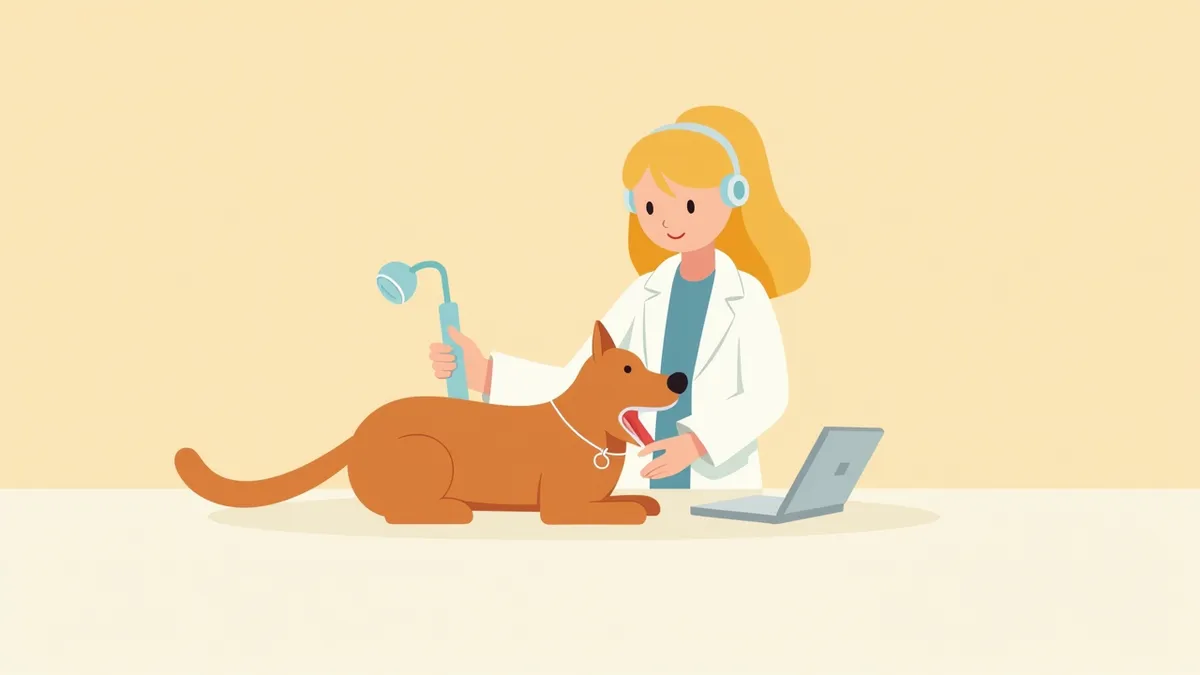
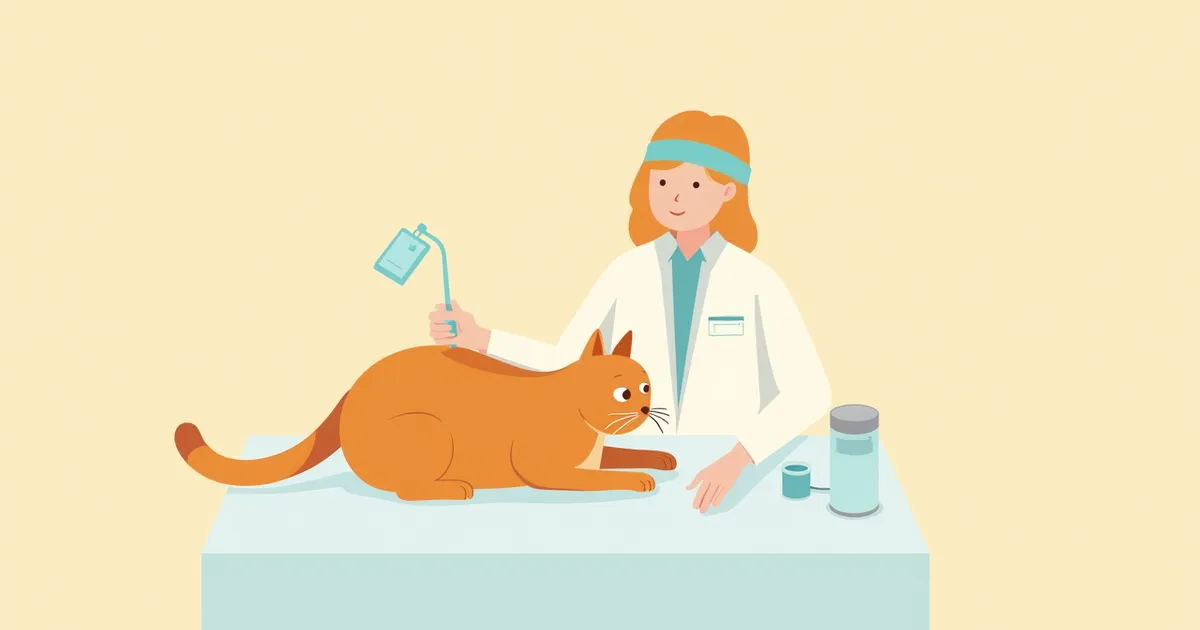
A veterinarian is removing tartar from a dog under general anesthesia using an ultrasonic scaler.
Dental scaling and tartar removal for dogs is a veterinary procedure that precisely eliminates tartar and plaque buildup on the teeth under general anesthesia. This process is essential for reducing gum inflammation around the teeth and preventing the progression to periodontitis or other gum diseases. - Tartar Removal: Hardened tartar on the tooth surfaces is safely removed using an ultrasonic scaler. - Plaque Control and Polishing: After removing fine plaque, the tooth surfaces are polished smooth to minimize the reattachment of bacteria and plaque to rough areas. - Preserving Quality of Life: Oral and dental diseases that cause pain can significantly diminish a dog’s quality of life. Regular scaling and consistent care help prevent such discomfort, safeguarding their well-being.

Selection Criteria: Tips for Choosing Scaling Facilities and Equipment

When your dog undergoes dental scaling, the quality of the equipment and facilities is crucial. It’s important to verify that the veterinary clinic is equipped with professional dental tools.
Use of ultrasonic scalers: This allows for precise removal of tartar while minimizing damage to the tooth surface.
Availability of diagnostic X-rays: Enables accurate assessment of the tooth roots and surrounding tissues.
General anesthesia management system: Ensures safe anesthesia administration and continuous monitoring.
Post-procedure care program: Clinics that provide a follow-up care plan after scaling are preferable.
Choosing a clinic that meets these standards is essential for your dog’s oral health.
Checklist for Choosing a Dog Dental Scaling Service

Check 1: Availability of Ultrasonic Scalers and Dental X-rays
A proper dental scaling goes beyond simply removing visible tartar with an ultrasonic scaler; it also requires dental X-rays to assess the condition of the tooth roots and alveolar bone beneath the gums. Dogs may appear healthy on the surface while suffering from underlying issues such as tooth resorption lesions or loss of periodontal attachment, making intraoral radiography essential for an accurate diagnosis. When choosing a clinic, verify that they are equipped with both an ultrasonic scaler and dental X-ray capabilities. This ensures that hidden periodontal diseases are not overlooked and the exact cause of your dog’s pain can be identified.
Detailed information on our advanced dental scaling care program

Check 2: Mandatory Pre-anesthetic Cardiac and Blood Tests
Because dogs can’t keep their mouths open still, dental scaling requires general anesthesia, making pre-anesthetic safety checks absolutely essential. A reputable clinic will perform blood tests to assess liver and kidney function and check for anemia, and may also conduct cardiac evaluations to gauge anesthesia risk. This is especially critical for senior dogs or those with underlying health conditions—never choose a facility that skips these steps. For added peace of mind, verify that the clinic is equipped with proper anesthesia monitoring devices and provides thorough post-anesthetic recovery care.
Detailed information on the regular dental scaling package

Check 3: Provision of Post-procedure Care and Home Care Education
Scaling isn’t a one-time fix; how you care for your pet’s teeth at home after the procedure determines how quickly tartar builds up again. Choose a clinic that schedules a follow-up visit to check gum healing and provides clear guidance on brushing techniques and the proper use of oral care products. This support can help extend the time between scaling sessions. Additionally, ask whether the clinic offers alternatives for dogs who dislike brushing, such as dental chews or dietary adjustments. These options can help reduce the overall number of anesthesia-required procedures your pet needs.
The basic scaling service is being provided.

Checklist for Choosing a Dental Scaling Clinic

ItemRecommended Criteria
EquipmentA clinic equipped with both an ultrasonic scaler and dental X-ray
Anesthesia SafetyA clinic that mandatorily performs cardiac and blood tests before anesthesia
Follow-up CareA clinic that provides recheck exams and home care education
Result InterpretationA clinic where the veterinarian personally explains the test results and provides a management plan
Cost GuidanceA clinic that informs you in advance of the estimated cost and the possibility of additional tests before the exam

This is not a table recommending a specific clinic, but criteria worth checking when choosing a clinic to handle the exam. Prices and detailed programs vary by clinic, so please inquire directly before visiting.

Caution: Mandatory Testing Before Scaling

It’s safer for your dog to undergo pre-anesthetic testing before dental scaling to assess anesthesia risk. Pre-anesthetic blood tests (complete blood count and biochemistry panel) and urinalysis help evaluate liver and kidney function and check for anemia, and if needed, cardiac testing is also performed to assess anesthesia risk. Especially for senior dogs or those with underlying health conditions, it’s best to choose a clinic that doesn’t skip these pre-anesthetic tests. If any abnormalities are found, consider postponing the scaling or stabilizing your dog’s condition first.

Usage Tips: Post-scaling Care Methods
After scaling, consistent care is essential to maintain your dog’s oral health.
Daily brushing: The cornerstone of plaque control is brushing every day with a veterinarian-approved pet toothbrush and toothpaste. Never use human toothpaste, as it contains ingredients that are unsafe for animals to swallow.
Use of home-care products: Dental treats and other supplementary products cannot replace daily brushing; use them only as a complement to brushing.
Regular check-ups: Consult your veterinarian to have your dog’s oral health assessed regularly.
Caution with food: Avoid overly hard treats, which can place undue stress on the teeth.
Stress management: Your dog’s appetite may temporarily decrease after scaling, so provide a quiet, calm environment.
Establishing these habits will help prolong the benefits of the scaling procedure.
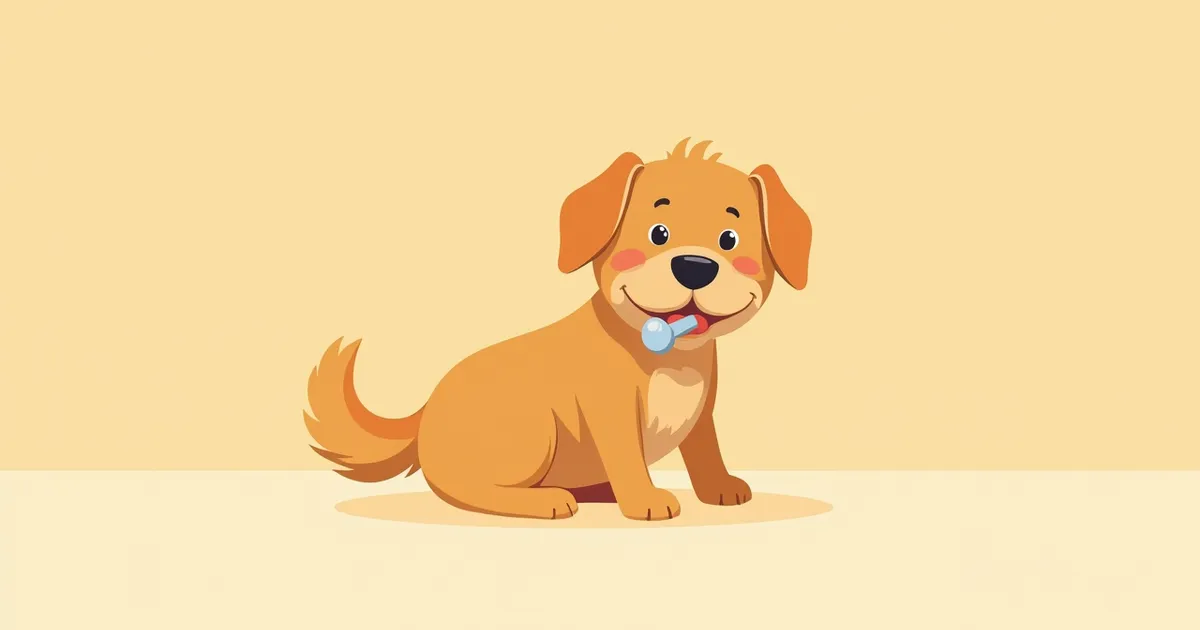
A puppy brushing its teeth

Reviewed by a veterinarian

Dr. Tony — Punnawat Phongkittirak

Dr. Tony — Punnawat Phongkittirak

Veterinarian

A veterinarian who majored in veterinary medicine at Khon Kaen University, Thailand, and completed the IVSA program at North Carolina State University in the United States. Drawing on clinical experience at animal hospitals, he works in the pet healthcare field and is dedicated to building a digital care environment that connects pet parents with veterinarians.

Frequently Asked Questions

How often should dogs have their teeth scaled?
The frequency of dental cleanings varies from dog to dog. It’s best to consult with your veterinarian and have your dog’s tartar and gum health checked regularly. Dogs that develop tartar quickly or have periodontal disease may need more frequent anesthesia-assisted cleanings and polishing.
My dog has no appetite after scaling. Is this normal?
It’s normal for your pet’s appetite to dip slightly after a dental scaling, but it should return to normal soon. Keep an eye on their recovery, and if the loss of appetite persists or you notice pain or any other unusual symptoms, please contact your veterinarian.
Does brushing your pet’s teeth at home really make a difference?
Yes, daily brushing is the most effective way to manage plaque at home. However, the physical action of brushing with a toothbrush is more important than the ingredients in the toothpaste, and since human toothpaste contains ingredients that are harmful if swallowed, you must always use a product specifically formulated for animals.
Can I skip having my vet remove my pet’s dental tartar?
Tartar can cause inflammation around the teeth. Professional removal is necessary, and attempting to remove it at home can be dangerous.
Is scaling painful for dogs?
Since general anesthesia is used, there will be no pain. The veterinarian will ensure everything is managed safely.

Share

Related Guides

References

[1] The Dog Care Handbook, Things I Wish My Vet Had Told Me, 2022

[2] 100 Top Consultations in Small Animal General Practice, 2021

[3] Plumb's Veterinary Drug Handbook, 9th Edition, 2023

This information is based on veterinary literature and does not replace diagnosis or treatment. Please consult a veterinarian for specific health concerns.

Metapet Co., Ltd. | CEO: Park Sung-yong | Business Reg. No. 417-88-02562 | Seoul, South Korea | Customer Center

Dog Tartar Removal & Scaling: 7 Key Vet Care Tips | Meongsiljang