Like
Share
멍실장
초보자 추천 키우기 쉬운 고양이 5종

5 Easy-to-Raise Cat Breeds for First-Time Owners — Grooming Difficulty Comparison

ImmunityTop PicksMeongsiljang Veterinary Advisory Board

We’re introducing five cat breeds recommended for first-time owners, with a detailed comparison of their personalities, grooming needs, and health considerations.

What Are “Easy-to-Raise” Cats?
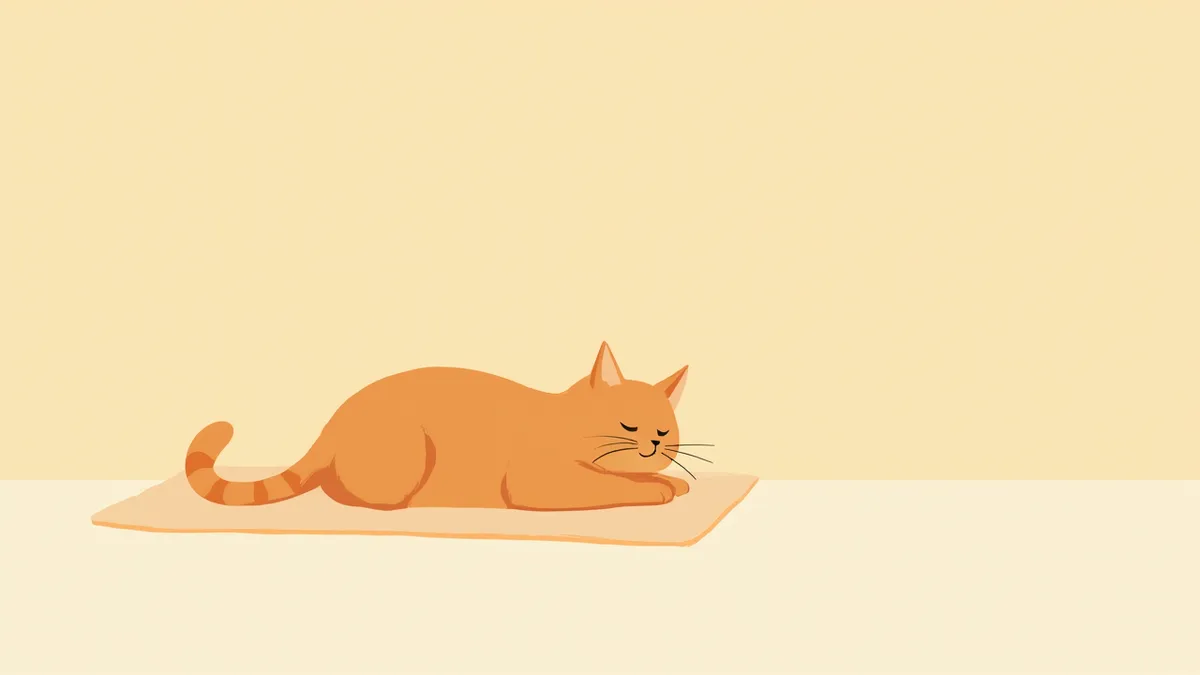
A cat resting comfortably on a cozy blanket
“Easy-to-raise” cats are breeds with gentle temperaments and relatively straightforward health care needs, making them manageable even for first-time owners. The three most important factors to consider are temperament, grooming difficulty, and the prevalence of hereditary diseases. Choosing a cat based solely on appearance can lead to unexpected challenges, such as requiring more than 30 minutes of daily brushing or incurring high veterinary costs due to breed-specific health issues. This article recommends five cat breeds well-suited for novice owners, based on veterinary health data and behavioral characteristics.

5 Key Criteria for Choosing a Breed for First-Time Owners

Before choosing a breed, consider these five key factors:
Temperament: Breeds that are affectionate and not overly sensitive tend to be easier for first-time owners.
Grooming: Short-haired breeds typically only need brushing once or twice a week, while long-haired breeds require daily brushing.
Health: Breeds with fewer hereditary conditions generally mean lower unexpected veterinary costs.
Activity Level: Highly active breeds require dedicated playtime and sufficient space.
Adaptability: Breeds that adjust quickly to new environments are often easier for beginners to care for.

1. Korean Shorthair — Healthy and Highly Adaptable
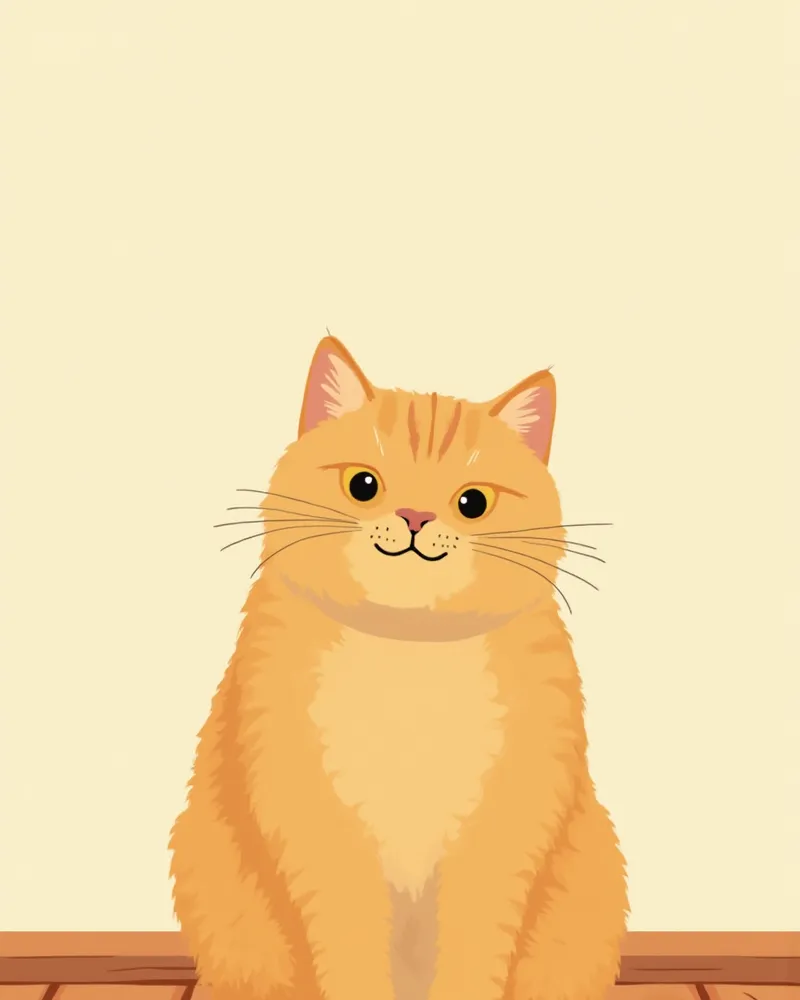
The Korean Shorthair is the cat breed best adapted to the domestic environment and is most often recommended for first-time cat owners. Thanks to high genetic diversity, they rarely suffer from breed-specific diseases and generally have strong immune systems. While personalities vary by individual, they are typically independent yet sociable with people. As a short-haired breed, their coat care is simple, requiring brushing only once or twice a week. Additionally, adoption accessibility is high, as many adult cats with established personalities are available in shelters.
A healthy Korean Shorthair cat sitting on a wooden floor, looking at the camera

2. Russian Blue — A Quiet and Independent Companion
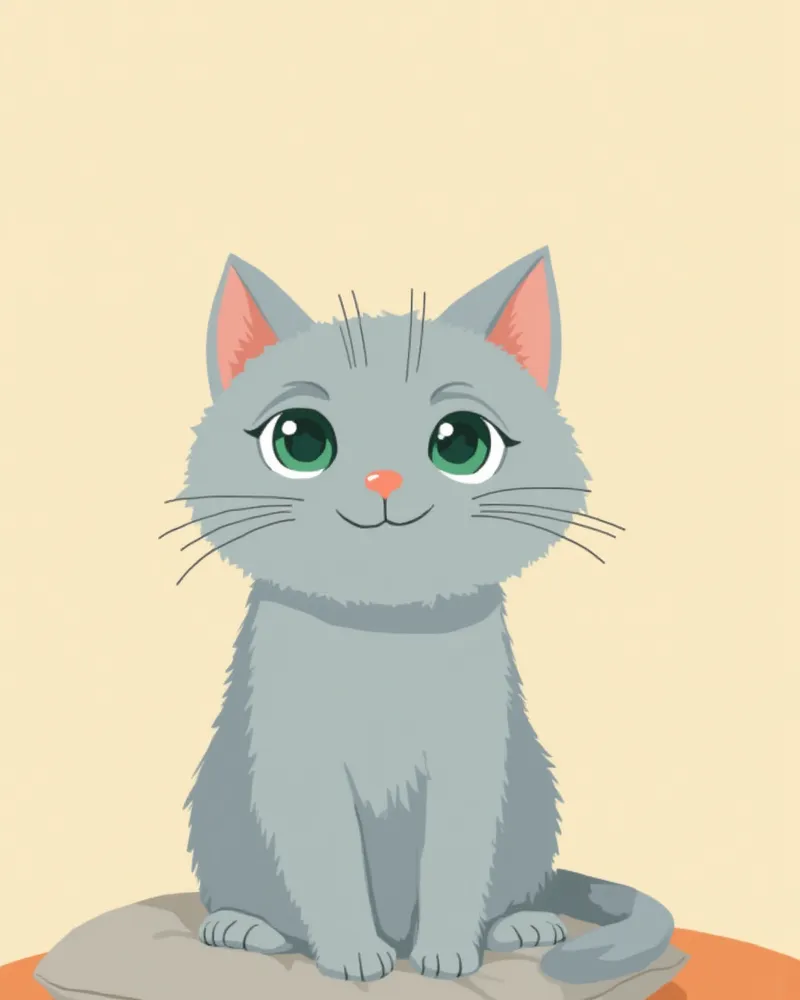
The Russian Blue is a charming breed known for its sleek silver-gray coat and striking emerald-green eyes. Their quiet and independent nature makes them an ideal companion for busy professionals who spend long hours at work. Thanks to their double-layered coat, they shed relatively little, and brushing them just once or twice a week is enough to keep their fur in good condition. They are also generally healthy cats with a low incidence of hereditary diseases. However, they can be sensitive to unfamiliar people or changes in their environment, so it’s a good idea to provide a quiet, dedicated space to help them adjust when you first bring them home.
A Russian Blue cat sitting elegantly on a gray cushion

3. British Shorthair — The Quintessential Gentle Breed
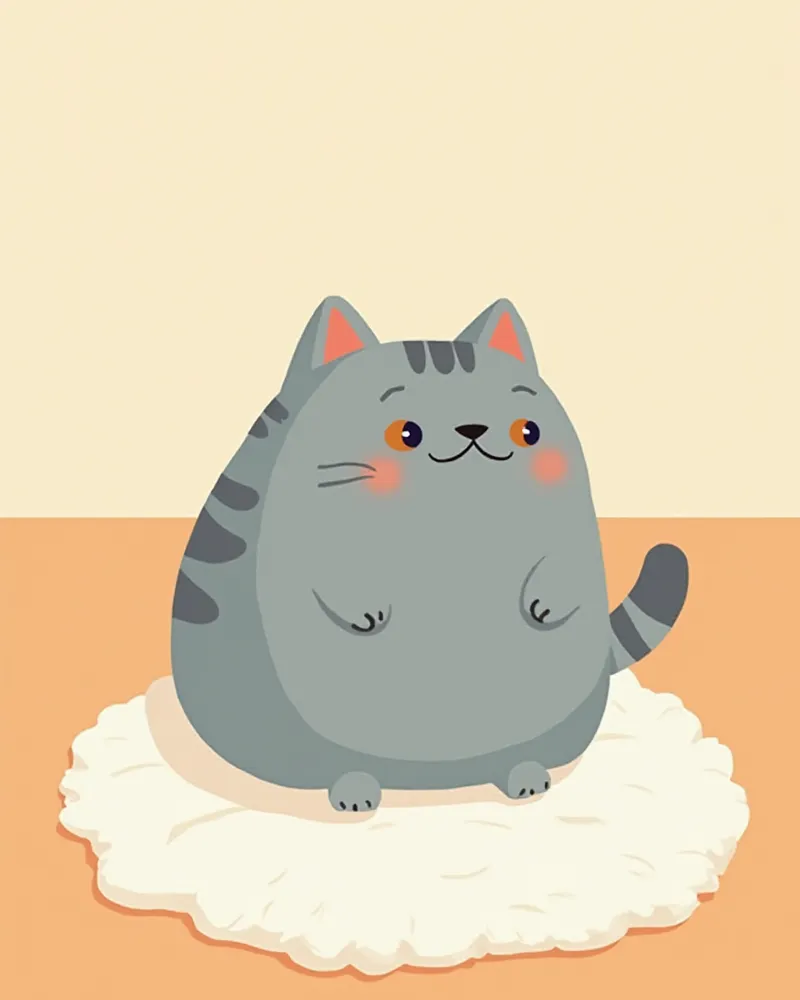
The British Shorthair is a gentle breed known for its round face and plump body. Its calm and relaxed temperament makes it a great fit for families with children. Its short, dense coat requires brushing only two to three times a week, and it sheds minimally. A key health consideration is that because Persian lineage was used in developing the breed, veterinary literature reports a genetic risk for Polycystic Kidney Disease (PKD), a condition originating in Persians. Before adoption, be sure to verify the breeder’s PKD genetic testing history, and regularly monitor kidney health through routine veterinary check-ups. With balanced nutrition and dedicated playtime, your British Shorthair can enjoy a long, healthy life by your side.
A chubby British Shorthair cat lying on a white rug

4. Ragdoll — An Affectionate Lap Cat

The Ragdoll is a large breed named for its tendency to go limp like a doll when held. They are affectionate, rarely aggressive, and easy for first-time owners to bond with. As a semi-long-haired breed, they require brushing two to three times a week, but their coat tangles less often, making grooming relatively manageable. However, they can be prone to genetic conditions such as hypertrophic cardiomyopathy. Checking the genetic test history of the parents before adoption can help reduce this risk.

5. American Shorthair — A Sturdy and Lively All-Rounder

The American Shorthair is a charming breed known for its sturdy build and lively personality. With a balanced temperament that is both sociable and independent, this cat fits well in a variety of households, from single-person homes to larger families. As a short-haired breed, it requires minimal grooming, but regular dietary management and dedicated playtime are essential for its well-being. Although generally recognized as a robust breed, no cat can be entirely free from breed-specific genetic conditions. Polycystic kidney disease (PKD) is documented in veterinary literature primarily in Persian cats and those with Persian lineage; however, there is no clear evidence linking this condition to American Shorthairs. Rather than making assumptions, it is best to monitor kidney health through regular veterinary check-ups. Additionally, hypertrophic cardiomyopathy (HCM), a relatively common heart condition in cats, often shows no obvious symptoms in its early stages, so routine health screenings provide peace of mind. For safety, adopt from reputable breeders who maintain thorough records of health examinations and genetic testing. With consistent and appropriate care, the American Shorthair can be a beloved companion for many years.

At-a-Glance Comparison of the 5 Recommended Breeds

ItemKorean ShorthairRussian BlueBritish ShorthairRagdollAmerican Shorthair
TemperamentIndependent & friendlyQuiet & independentGentle & easygoingDocile & affectionateLively & sociable
Coat care1–2 times/week1–2 times/week2–3 times/week2–3 times/week1–2 times/week
Genetic disorder riskVery lowLowModerate (watch for PKD)Moderate (watch for HCM)Low
Activity levelModerateLow–moderateLowLow–moderateModerate–high
Suitability for beginners★★★★★★★★★☆★★★★☆★★★★☆★★★★☆

Assessment based on veterinary literature and behavioral characteristics. Polycystic kidney disease (PKD) is reported in Persians and breeds with Persian ancestry (E11), and the British Shorthair may fall into this category. For Ragdolls, be mindful of hypertrophic cardiomyopathy (HCM) risk from the MYBPC3 R820W mutation (E18), and genetic and echocardiographic testing is recommended (E8, E9). PKD risk in the American Shorthair could not be confirmed from the available evidence and was excluded from the listing.

Checklist Before Adopting

Adopting a cat on impulse just because of its cute appearance can lead to difficulties for both the pet and the owner. Before adopting, be sure to assess your living environment, financial situation, and whether any family members have allergies. For purebred cats, it’s safer to adopt from a reputable breeder who provides a history of genetic disease testing. Adopting a healthy Korean Shorthair from an animal shelter is also a great option.

Reviewed by a veterinarian

Dr. Tony — Punnawat Phongkittirak

Dr. Tony — Punnawat Phongkittirak

Veterinarian

A veterinarian who majored in veterinary medicine at Khon Kaen University, Thailand, and completed the IVSA program at North Carolina State University in the United States. Drawing on clinical experience at animal hospitals, he works in the pet healthcare field and is dedicated to building a digital care environment that connects pet parents with veterinarians.

Frequently Asked Questions

I’m new to cat ownership. Do I really need to adopt a purebred cat?
Not necessarily. Many Korean Shorthairs (mixed-breed cats) are healthy and have wonderful personalities. Adopting an adult cat from a shelter, whose temperament has already been assessed, can actually be more convenient for first-time cat owners.
I live alone. Is it okay to have a cat?
Cats are more independent than dogs, making them a great fit for single-person households. We recommend breeds like the Russian Blue or British Shorthair, which are well-suited to spending time alone. When you’re away, simply provide an automatic feeder and plenty of fresh water.
Is it difficult for a beginner to care for a long-haired cat?
Long-haired breeds require daily brushing and can be challenging to manage when it comes to tangles or skin conditions. If you’re new to grooming, we recommend starting with short-haired or medium-haired breeds.
Are there any essential items I need to prepare before adopting a cat?
A litter box (including litter), food and water bowls, a scratching post, a cat tree, and a carrier are all essentials. Setting these up in advance will help your new cat adjust to their new environment more quickly.
Do cats need vaccinations too?
Yes, it’s essential. Your cat must receive the core vaccinations for panleukopenia, feline herpesvirus, and feline calicivirus. After adoption, please visit a nearby veterinary clinic to discuss the vaccination schedule.

Share

Related Guides

References

[1] Atkinson, T. (2018). A Professional's Guide to Feline Behaviour: Understanding, Improving and Resolving Problems. Routledge.

[2] Landsberg, G., Hunthausen, W., & Ackerman, L. (2003). Veterinary Guide to Preventing Behavior Problems in Dogs and Cats. Blackwell Publishing.

[3] Little, S. E. (2012). The Cat: Clinical Medicine and Management. Elsevier Saunders.

This information is based on veterinary literature and does not replace diagnosis or treatment. Please consult a veterinarian for specific health concerns.

Metapet Co., Ltd. | CEO: Park Sung-yong | Business Reg. No. 417-88-02562 | Seoul, South Korea | Customer Center

5 Easy Cat Breeds for First-Time Owners: Grooming Compared | Meongsiljang