

The Ultimate Guide to Managing Proteinuria and UPC Ratio in Dogs: Top Recommendations and Selection Criteria
Proteinuria in dogs can be an early sign of declining kidney function. It’s important to regularly monitor the UPC ratio and choose appropriate diet and care strategies.
Managing Proteinuria in Dogs is the First Step to Kidney Health

5 Key Criteria for Choosing Dog Food for Proteinuria Management

BEST 1: Protect Care Renal Prescription Diet
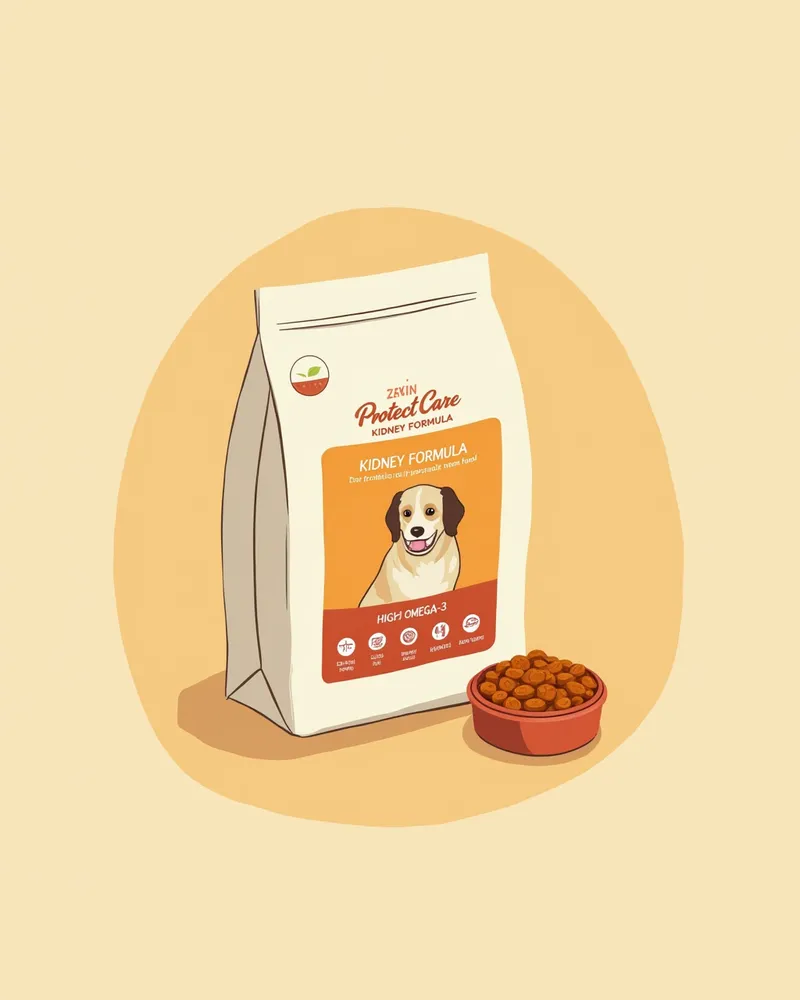
BEST 2: Lenovo Kidney Health Food

BEST 3: Luna Kidz Renal Care
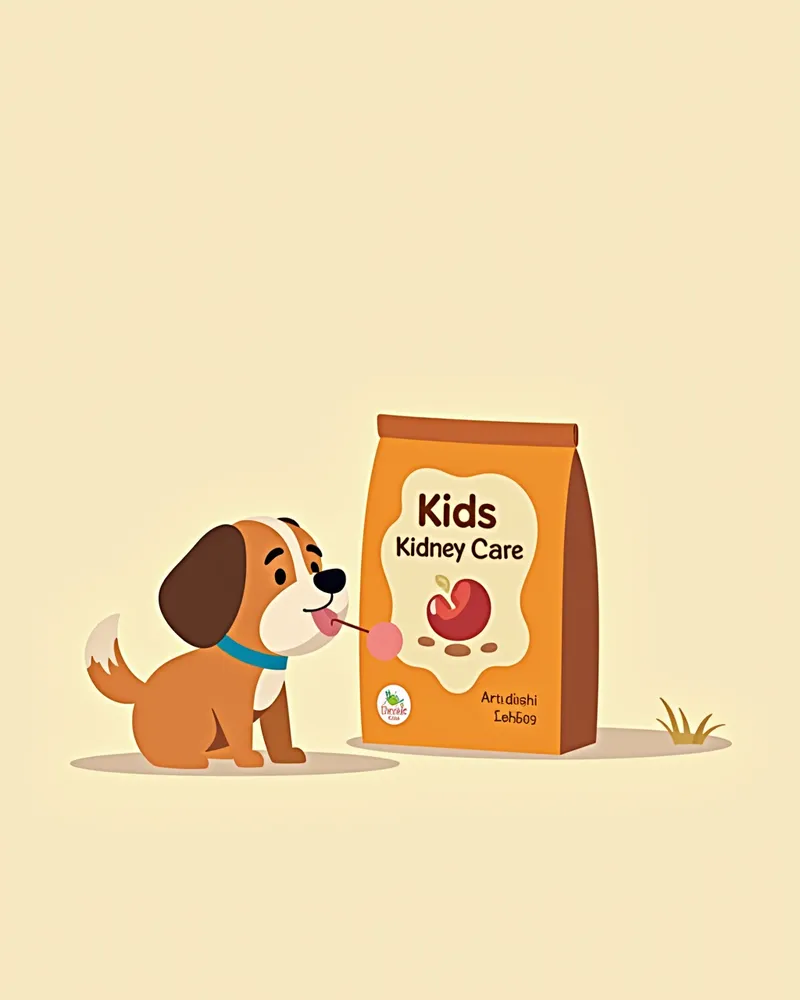
Comparison Table of BEST 1–3 Foods: Ingredients, Price, and Effects
| Item | Protect Care | Renover Kidney Health | Luna Kids Kidney Care |
|---|---|---|---|
| Protein Content (%) | 18 | 17 | 16 |
| Phosphorus Content (mg/1000kcal) | 350 | 320 | 280 |
| Omega-3 Content (mg/1000kcal) | 450 | 500 | 400 |
| Price (per 1kg) | $10 | $20 | $10 |
| Veterinarian Recommended | True | True | True |
All diets are renal prescription diets designed specifically for the kidneys. Renal prescription diets have been reported to reduce proteinuria (UPC ratio), and in one study, feeding a renal diet reduced proteinuria by an average of up to about 47% (±27%). Since efficacy and feeding amounts vary by individual condition, please consult your veterinarian.
Caution: Excessive Protein Restriction Can Burden the Kidneys
Even while managing proteinuria, your pet still needs an appropriate amount of high-quality, high-biological-value protein to maintain muscle mass and nutritional status. Rather than simply reducing protein intake, it’s important to focus on quality and balance. Excessive protein restriction can actually lead to muscle loss and malnutrition, so a veterinarian should tailor the diet based on your pet’s weight, muscle mass, and kidney function.
5 Care Tips After Selecting the Right Food
Reviewed by a veterinarian

Dr. Tony — Punnawat Phongkittirak
VeterinarianA veterinarian who majored in veterinary medicine at Khon Kaen University, Thailand, and completed the IVSA program at North Carolina State University in the United States. Drawing on clinical experience at animal hospitals, he works in the pet healthcare field and is dedicated to building a digital care environment that connects pet parents with veterinarians.
Reviewed 2026-06-05
Frequently Asked Questions
Is a UPC ratio of 1.0 serious?
When should I start feeding a protein-restricted diet?
What should you keep in mind when transitioning your pet to a new food?
Can proteinuria be managed with a natural diet?
Can I change my pet's food if their UPC levels are low?
Share
Related Guides

Top 5 Prescription Diets for Cats with Chronic Kidney Disease — Stage-Specific Protein Adjustment

7 Emergency Signs and Causes of Acute Kidney Failure in Dogs You Must Not Miss

Top 5 Cat Kidney Supplements Recommended for 2026

7 Best Cat Dental Chews for Tartar Prevention Recommended by Veterinarians and Selection Criteria

Dog Pulmonary Edema Warning — 7 Best Diuretics (Furosemide) for Heart Management

7 Best Prescription Diets for Feline Heart Disease Recommended by Veterinarians — Criteria for Choosing Low-Sodium Food

7 Best Cat Weight-Loss Diets Recommended by Veterinarians and How to Choose

Top 7 Prescription Diets for Feline Bladder and Urinary Tract Health Recommended by Veterinarians — Including Selection Criteria

Best Low-Allergen Single-Protein Cat Foods and Selection Criteria: A Complete Guide

Top Prescription Diets for Dogs with Liver Disease and Selection Criteria
References
[1] Notes on Canine Internal Medicine, 4th Ed. (2023). Chapter 3.36: Urinalysis and Proteinuria Assessment.
[2] Urinalysis in the Dog and Cat (2022). Section 4.7: Urine Protein:Creatinine Ratio (UPC) Interpretation and Clinical Significance.
[3] American College of Veterinary Internal Medicine (ACVIM). Consensus Guidelines on Canine Chronic Kidney Disease Management (2021).