Like
Share
멍실장
털없는강아지·고양이 품종 9종 소개|특징과 피부 관리법

9 Hairless Dog and Cat Breeds — Characteristics and Skincare Tips for Hairless Pets

Skin & CoatTop PicksMeongsiljang Veterinary Advisory Board

We’ve compiled the characteristics and skincare tips for nine popular hairless dog and cat breeds, including the Xoloitzcuintli and Sphynx.

Which Breeds Are Hairless?
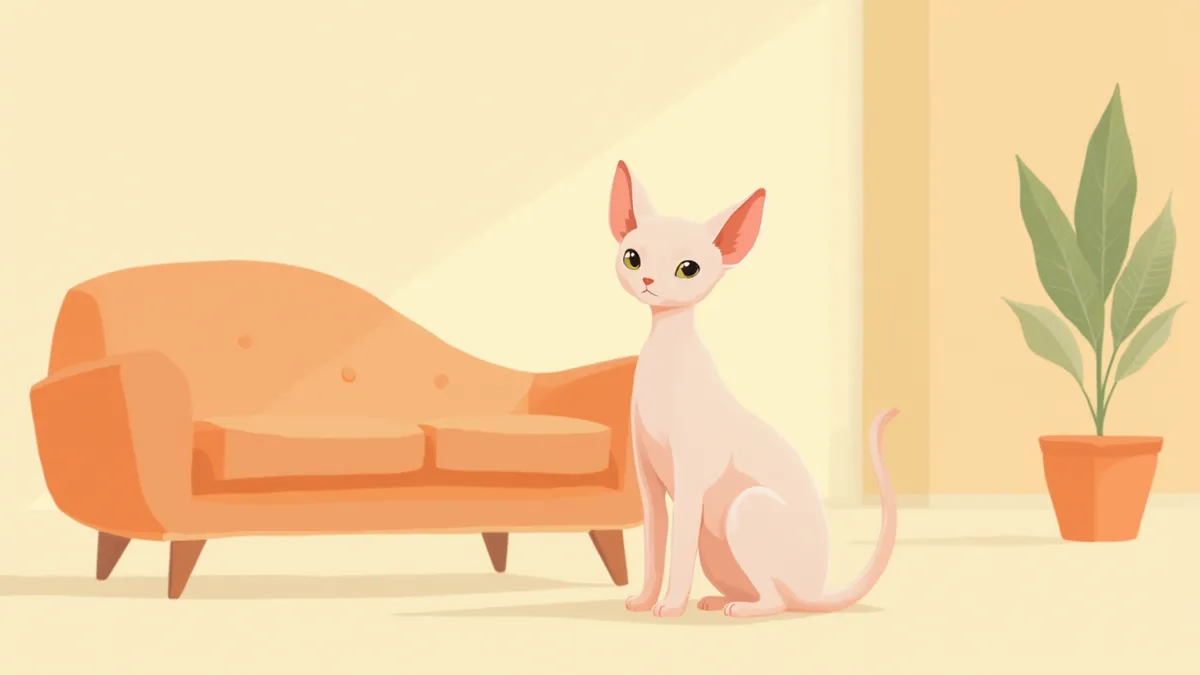
A Sphynx cat sitting elegantly in the living room
Hairless breeds are born with little to no fur, or only a very short layer of down, due to their genetic traits. These unique-looking dogs and cats require special skin care. While they are popular among pet owners with allergies because they shed less, the most important aspect is maintaining skin health. Since their lack of fur leaves the skin unprotected, they are more vulnerable to UV rays, temperature changes, and bacterial infections, making careful and attentive care essential compared to other breeds.

4 Representative Hairless Dog Breeds

Xoloitzcuintli: An ancient breed originating from Mexico, available in small, medium, and large sizes. Due to their hairless nature, they have abnormal follicle formation, making them prone to comedones (blackheads), dandruff, and seborrhea. Therefore, consistent skin care and sun protection are essential.
Chinese Crested: Puppies are born in two varieties: the "hairless" type, which has hair only on the head, feet, and tail, and the "powderpuff" type, which has a soft coat all over its body. They are small dogs weighing 2–5 kg.
Peruvian Inca Orchid: Originating from Peru, this breed has thin, sensitive skin, so special care must be taken to prevent injuries and sun exposure.
American Hairless Terrier: An active small-breed dog, this breed exhibits hairlessness through a distinct genetic mechanism separate from that of the Xoloitzcuintli, Peruvian Inca Orchid, and Chinese Crested.
A Saluki and a Chinese Crested standing together in the garden

5 Representative Hairless Cat Breeds

Sphynx: The most famous hairless cat breed. They aren't completely hairless but have very fine downy fur. Sebum tends to accumulate in their skin folds, so regular bathing is necessary.
Donskoy: Originating from Russia, they look similar to Sphynx cats but are genetically a completely different breed. They may grow a thin coat in winter.
Elf Cat: A cross between the American Curl and the Sphynx, characterized by their ears that curl backward.
Bambino: A cross between the Munchkin and the Sphynx, known for their short legs.
Ukrainian Levkoy: A cross between the Scottish Fold and the Sphynx, featuring folded ears and an angular face.
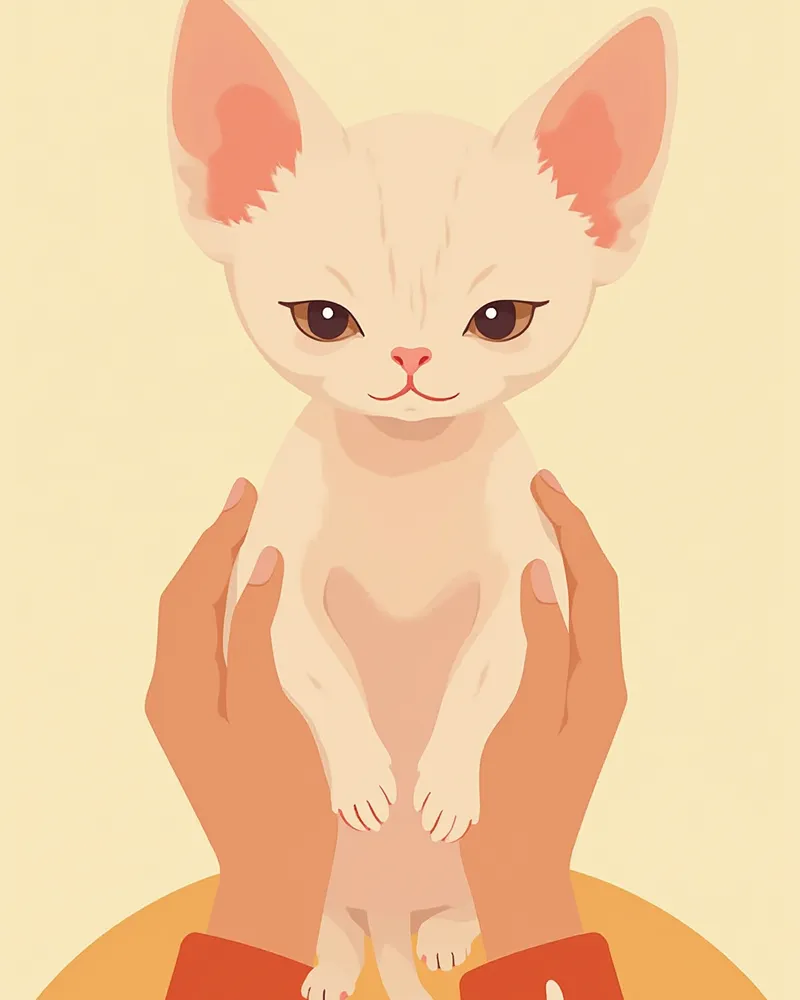
A close-up of a Sphynx cat cradled in its owner’s hands, revealing the cat’s wrinkled skin.

At-a-Glance Comparison of Characteristics by Breed

ItemXoloitzcuintliChinese CrestedSphynxDonskoy
AnimalDogDogCatCat
Weight4-25kg2-5kg3-6kg3-7kg
Skin CharacteristicsThickThinMany wrinklesNormal
Bathing FrequencyOnce every 2 weeksOnce/weekOnce/weekOnce every 2 weeks
Cold SensitivityHighVery highVery highHigh

Individual variation within the breed may occur

Key Skincare Points for Hairless Breeds
Hairless breeds have skin that is directly exposed to the external environment, so they require more care than other breeds.
Moisturizing: Their skin is prone to dryness, so you should regularly apply a moisturizer specifically formulated for pets. Human lotions may contain ingredients that are unsuitable for animals and can cause skin irritation.
Bathing: Due to higher sebum production, bathing every 1–2 weeks is recommended. However, washing too frequently can compromise the skin barrier, so it’s important to maintain an appropriate bathing schedule.
Wrinkle care: Hairless breeds, especially Sphynx cats, are prone to buildup of sebum and dirt in their skin folds. Regularly wiping these areas with a soft cloth is recommended.
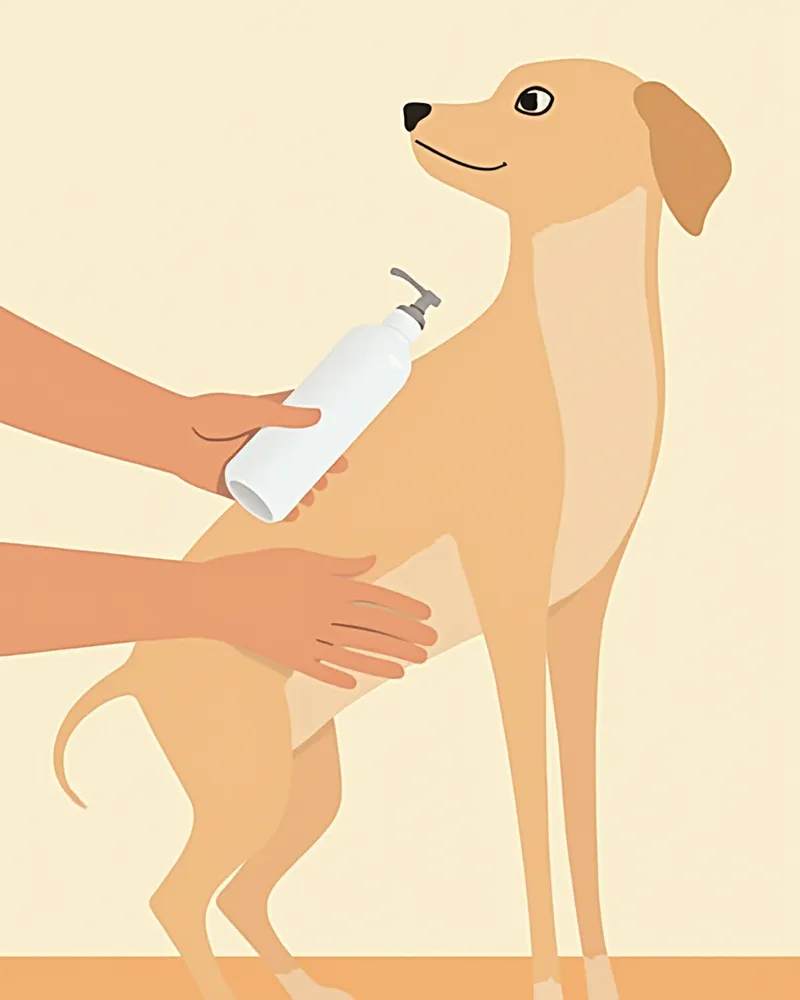
A hairless dog having moisturizer applied to its skin

Be Careful of UV Rays and Temperature

Hairless breeds are at a higher risk of sunburn and skin cancer when directly exposed to ultraviolet rays. During summer walks, apply pet-specific sunscreen and avoid outings during midday. In winter, it’s difficult for them to maintain body temperature, so keep indoor spaces warm and dress your pet in clothing when going outside.

Are Hairless Breeds Truly Hypoallergenic?

Many pet owners believe that “hairless means hypoallergenic,” but this is a misconception. Pet allergies are complex reactions triggered not only by hair but also by various allergenic proteins found in substances produced by pets, such as dander, saliva, and urine. While hairless breeds shed less, which can reduce the amount of allergens dispersed into the air, no breed is completely allergen-free. Before adopting, spend time with the animal to see if you experience any allergic reactions.

Checklist to Confirm Before Adoption

Health Check Records: Be sure to review the cat’s history of skin conditions and results from genetic disease testing. Sphynx cats are predisposed to skin issues due to congenital follicular dysplasia, so it is especially important to carefully check their skin condition and look for any secondary infections.
Living Environment: Check in advance whether you can maintain appropriate indoor temperature and humidity. Hairless breeds are best suited for indoor living.
Care Costs: Expect higher skin care expenses compared to other breeds, including moisturizers, sunscreen, and more frequent bathing. Be sure to consider these long-term costs.
Veterinary Care: It’s a good idea to find a veterinarian with experience treating hairless breeds beforehand, as their skin conditions may differ from those of other breeds.

Know the Genetic Diseases by Breed in Advance

Sphynx cats are prone to comedone formation, dandruff, and seborrhea due to congenital follicular dysplasia, so regular skin examinations and topical treatments are recommended to prevent secondary skin infections. Chinese Crested dogs may experience dental developmental abnormalities as part of ectodermal dysplasia associated with their hairless trait, so please pay special attention to oral care.

Reviewed by a veterinarian

Dr. Tony — Punnawat Phongkittirak

Dr. Tony — Punnawat Phongkittirak

Veterinarian

A veterinarian who majored in veterinary medicine at Khon Kaen University, Thailand, and completed the IVSA program at North Carolina State University in the United States. Drawing on clinical experience at animal hospitals, he works in the pet healthcare field and is dedicated to building a digital care environment that connects pet parents with veterinarians.

Frequently Asked Questions

Do hairless breeds also need frequent baths?
Yes, they actually need to be bathed more often than most other breeds. Because their hair doesn’t absorb sebum, oils tend to build up on the skin. Depending on the breed, bathing once a week to once every two weeks is generally appropriate.
How should hairless breeds be cared for during the winter?
Keep your home warm, and dress your pet in a specially designed coat when going outside. Providing a blanket or heating pad is also a good idea. Since they are prone to hypothermia, avoid prolonged outdoor exposure on cold days.
Are Sphynx cats completely hairless?
It’s not completely hairless. There’s a very fine down, like the fuzz on a peach. The amount of this down varies from individual to individual, and some may have a little bit of hair on their ears, nose, and the tip of their tail.
How much does it cost to adopt a hairless breed?
Because costs vary significantly depending on breed, breeder, and lineage, it's difficult to give a one-size-fits-all answer. In addition to the adoption fee, please be sure to factor in the ongoing expenses, such as specialized skincare products and regular health check-ups, which tend to be higher than those for standard breeds.
Can I keep a hairless breed in a home with children?
Yes, they are generally gentle and people-oriented, making them a good fit for families with children. However, because their skin is sensitive, it’s important to ensure that children handle them gently. Their skin can also be easily scratched by fingernails, so care should be taken to avoid any rough handling.

Share

Related Guides

References

[1] Hnilica K.A., Patterson A.P., BSAVA Manual of Canine and Feline Dermatology, 4th Edition, Chapter 17: Congenital and Hereditary Alopecia

[2] Little S., The Cat: Clinical Medicine and Management, 2nd Edition, Chapter 52: Coat Color and Texture Genetics

[3] Englar R.E., The Veterinary Workbook of Small Animal Clinical Cases, Case 33: The Alopecic Kitten

This information is based on veterinary literature and does not replace diagnosis or treatment. Please consult a veterinarian for specific health concerns.

Metapet Co., Ltd. | CEO: Park Sung-yong | Business Reg. No. 417-88-02562 | Seoul, South Korea | Customer Center

9 Hairless Dog & Cat Breeds: Traits & Skincare Tips | Meongsiljang