Like
Share
멍실장
고양이 비대성 심근병증 고양이(HCM) 관리 추천 BEST와 고르는 기준 총정리

Top 7 Essential HCM Management Products for Cats Recommended by Veterinarians

HeartTop PicksMeongsiljang Veterinary Advisory Board

Feline hypertrophic cardiomyopathy (HCM) is a heart condition with a strong genetic component, and early detection along with proper management can significantly improve survival rates. It’s important to choose the right care products and methods tailored specifically for cats.

What is Feline Hypertrophic Cardiomyopathy (HCM)?
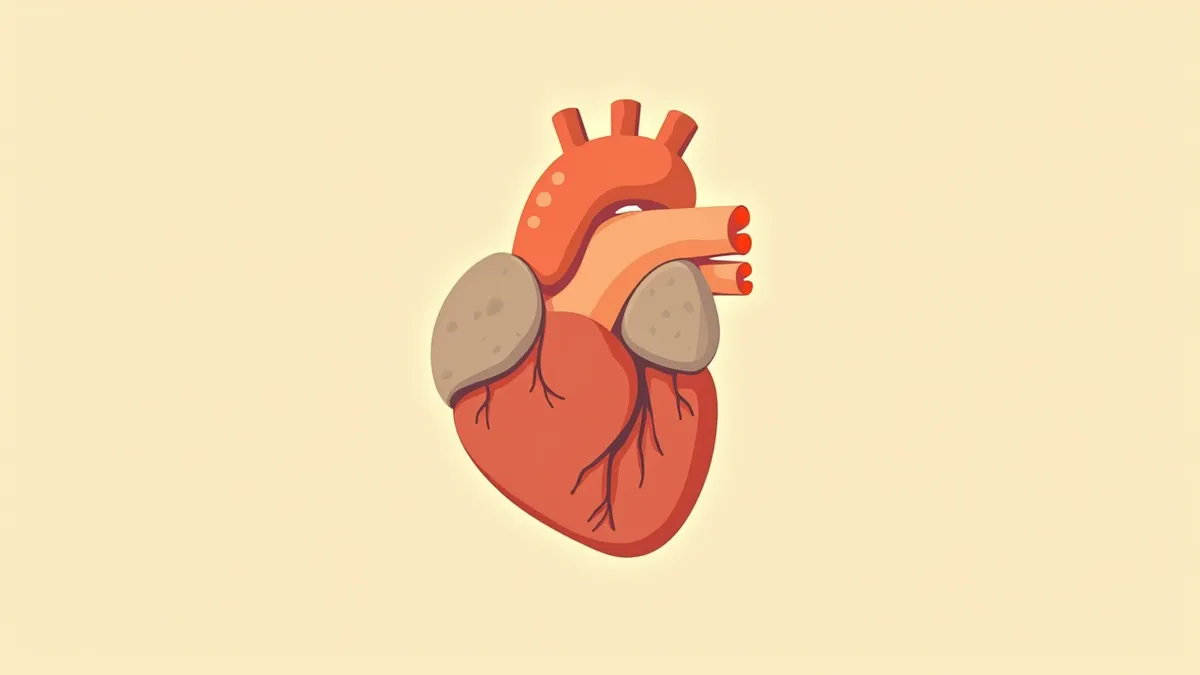
Image of the heart structure in cats with hypertrophic cardiomyopathy
Hypertrophic cardiomyopathy (HCM) in cats is a myocardial disease characterized by abnormal thickening of the heart muscle, primarily the left ventricular wall, and is the most common form of cardiomyopathy in felines. The hallmark of HCM is not impaired contraction, but rather the inability of the thickened heart to relax (diastolic dysfunction) properly, making it difficult to fill with sufficient blood. Genetic mutations in sarcomeric proteins (such as the R820W mutation in Ragdolls) have been identified in breeds like Maine Coons and Ragdolls, indicating a high risk of familial (hereditary) occurrence; however, not all cases of HCM are hereditary, and non-genetic forms also exist. Early-stage HCM is often asymptomatic, making early detection challenging, so echocardiography (cardiac ultrasound) is the key diagnostic tool. As the disease progresses, it can lead to congestive heart failure or arterial thromboembolism (ATE), making regular check-ups and consistent management essential. HCM: A common myocardial disease with genetic involvement; early diagnosis via echocardiography and ongoing management in collaboration with your veterinarian are recommended.

Key Criteria for Choosing HCM Management Products
When selecting a management product for feline hypertrophic cardiomyopathy (HCM), it is important to comprehensively consider factors such as ingredients, stability, ease of administration, and your cat’s dietary preferences, and to always consult with your veterinarian before making a choice. Above all, there is currently insufficient evidence to support the claim that HCM can be treated or cured solely with supplements; therefore, supplements should be viewed as complementary to, rather than a replacement for, veterinary diagnosis and treatment.
Balanced Diet: Maintaining a balanced diet is fundamental for cats with heart disease, with ingredients and dosages adjusted according to your veterinarian’s instructions.
B-Complex Vitamins: Low levels of vitamins B6, B12, and folate have been reported in cats with HCM complicated by arterial thromboembolism; consequently, cardiac prescription diets often include enhanced levels of water-soluble vitamins.
Taurine: While taurine is an essential amino acid for cats, its deficiency is associated with dilated cardiomyopathy (DCM), in which case supplementation is recommended. It is important to distinguish this from HCM.
Ease of Administration: Ensure the formulation is one your cat will accept and consume consistently without resistance.
Safety and Interactions: If your cat is already taking heart medication, there may be potential interactions; therefore, you must inform your veterinarian before using any supplements.
Image of a cat taking a heart health supplement

BEST 1: Supplement A for Heart Health in Cats
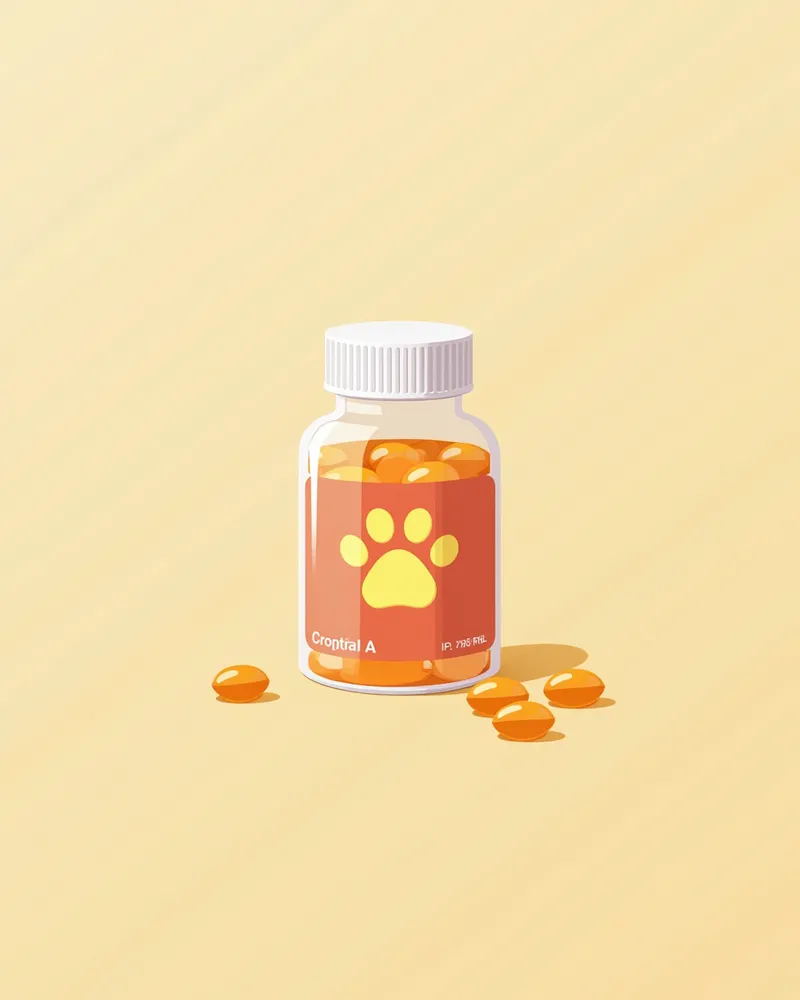
Supplement A is specially formulated to support heart health in cats, featuring a core blend of omega-3 fatty acids, L-taurine, and magnesium. It is specifically designed to address the genetic predisposition to hypertrophic cardiomyopathy (HCM) in Maine Coon and Ragdoll cats. The product is manufactured in a palatable jelly form to ensure easy administration, and its high safety profile makes it a veterinarian-recommended choice. - Key Ingredients: Omega-3 fatty acids, L-taurine, magnesium, vitamin E. - Form: Jelly; administer once daily. - Recommended For: Cats diagnosed with HCM, and cats that have tested positive for HCM-associated genetic mutations.
Image of Supplement A, specifically formulated for feline heart health

BEST 2: Supplement B with Natural Ingredients for Heart Protection

Supplement B is formulated primarily with naturally derived ingredients, offering a balanced blend of heart-supporting nutrients. It contains omega-3 fatty acids, magnesium, vitamin E, and plant extracts proven to support cardiac health. Designed to be additive-free and fragrance-free, it minimizes gastrointestinal stress, making it gentle enough for cats with sensitive stomachs. The powder form mixes easily into food, ensuring convenient administration. Its stable ingredient profile makes it suitable for long-term use. Nature-based formula: Crafted with natural ingredients to reduce digestive burden while providing consistent, long-term heart protection.
Image of Heart-Protecting Supplement B, Centered on Natural Ingredients

BEST 3: Supplement C, an Economical Heart Health Supplement
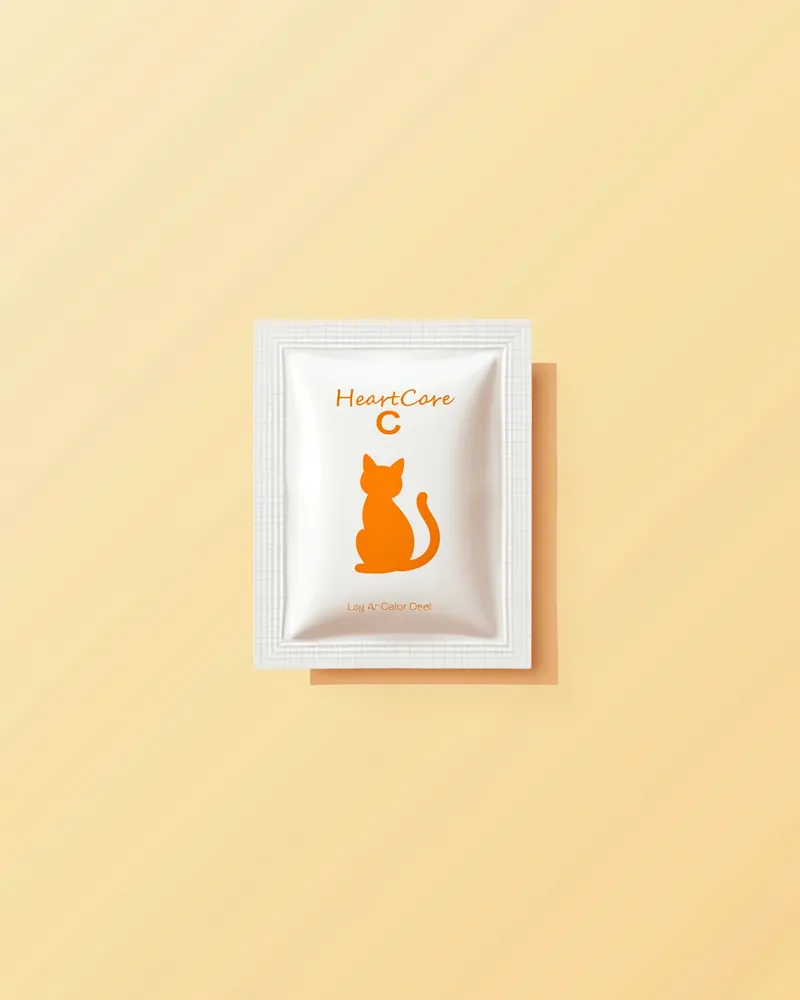
Supplement C offers excellent value for money, featuring omega-3, L-taurine, and magnesium as its core ingredients to effectively support your cat’s heart health. Its powder form can be easily mixed into food for convenient administration, and it is priced affordably for long-term use without financial strain. - Key Ingredients: Omega-3 fatty acids, L-taurine, magnesium. - Form: Powder, administered once daily. - Recommended For: Owners seeking a budget-friendly option for long-term management.
Affordable Heart Health Supplement C Image

Comparison Table of Products BEST 1–3

ItemBEST 1: Supplement ABEST 2: Supplement BBEST 3: Supplement C
Main IngredientsOmega-3, L-Taurine, Magnesium, Vitamin EOmega-3, Magnesium, Vitamin E, Red berry extractOmega-3, L-Taurine, Magnesium
FormJellyPowderPowder
Daily DosageOnceOnceOnce
Recommended ForHCM-diagnosed, gene-positive catsCats with sensitive stomachs, for preventionConsidering economic burden, long-term management
Price RangeMid-highMidLow

Prices are on a monthly basis and may vary depending on the cat's weight. Choose after consulting a veterinarian.

Precautions and Contraindications

Do not overuse HCM management supplements without your veterinarian’s guidance, as they may cause adverse effects when combined with heart medications. If your cat shows symptoms such as loss of appetite, vomiting, or decreased activity, stop the supplement immediately and consult your veterinarian.

Usage Tips and Management Points
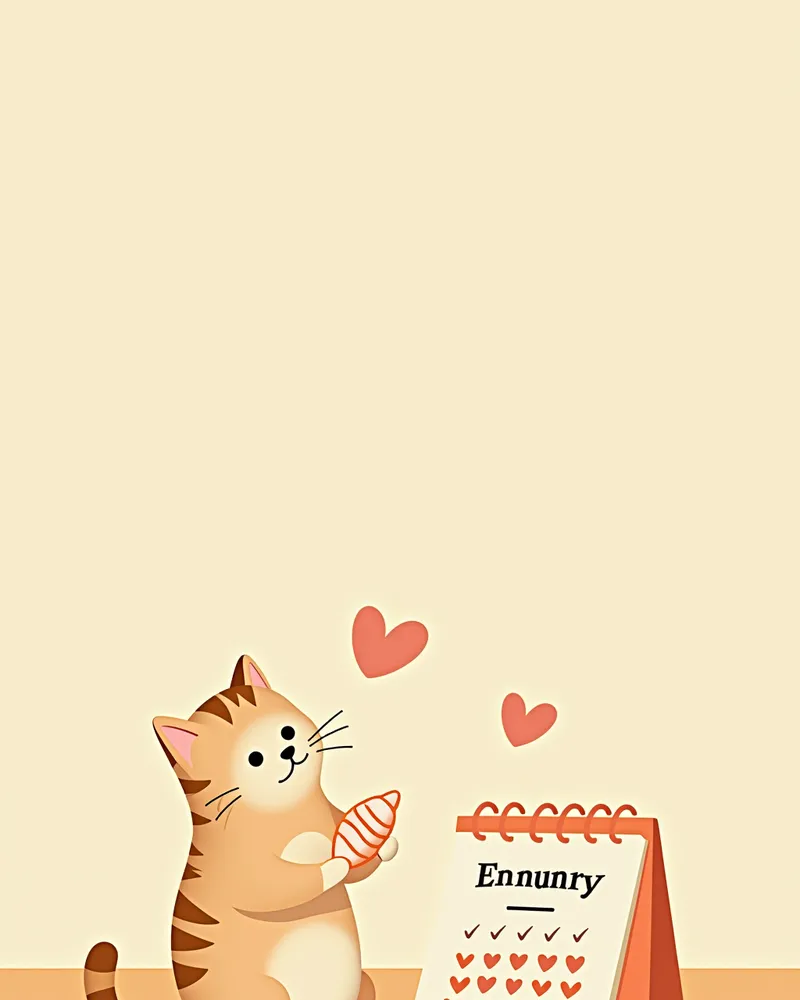
To get the most out of an HCM supplement, consistency is key. Giving it at the same time each day helps build a routine, making administration much easier. In addition to the supplement, it’s important to combine regular cardiac ultrasound exams, weight management, and stress reduction.
Consistent administration: Give once daily at the same time.
With meals: Offer with food or as a treat.
Record keeping: Keep a log of doses given.
Regular check-ups: Schedule a cardiac ultrasound every six months.
Stress management: Maintain a calm environment and ensure adequate playtime.
Tips for Using HCM Management Supplements Image

Reviewed by a veterinarian

Dr. Tony — Punnawat Phongkittirak

Dr. Tony — Punnawat Phongkittirak

Veterinarian

A veterinarian who majored in veterinary medicine at Khon Kaen University, Thailand, and completed the IVSA program at North Carolina State University in the United States. Drawing on clinical experience at animal hospitals, he works in the pet healthcare field and is dedicated to building a digital care environment that connects pet parents with veterinarians.

Frequently Asked Questions

When should I start giving supplements to a cat with HCM?
If your cat has been diagnosed with HCM, the most important first step is to consult with your veterinarian. For cats in the preclinical stage—those showing no symptoms—aggressive treatment is generally not recommended. Your vet will make individualized decisions about whether to start any treatments or supplements based on echocardiogram findings, such as left atrial size and the degree of left ventricular hypertrophy. If genetic testing comes back positive, regular monitoring via echocardiograms is recommended rather than preventive medication.
Will giving supplements fully restore heart function?
Not exactly. Supplements and medications are primarily aimed at managing symptoms and preventing complications, rather than completely reversing the thickened heart muscle to its original state. Since HCM is a chronic condition, consistent monitoring and veterinary care are the most important aspects of management.
My pet had an adverse reaction after taking the supplement. What should I do?
If your pet shows symptoms such as loss of appetite, vomiting, or decreased activity, stop giving the medication immediately and consult your veterinarian. Side effects may occur.
Is it safe to give supplements alongside other medications?
Interactions may occur when used together with heart medications. Be sure to inform your veterinarian and confirm whether your pet is currently taking any such drugs.
Do I need to give my pet supplements for their entire life?
HCM is a chronic, progressive disease, so management often requires long-term commitment. However, the cornerstone of care is not supplements, but rather the treatment prescribed by your veterinarian based on your pet’s condition (such as diuretics, ACE inhibitors, or clopidogrel for blood clot prevention, as needed). Always follow your veterinarian’s guidance regarding whether to administer these medications and for how long.

Share

Related Guides

References

[1] The Cat, Clinical Medicine and Management, 2nd Edition, 2022

[2] Small Animal Critical Care Medicine, 3rd Ed, 2021

[3] Textbook of Cardiovascular Medicine in Dogs and Cats, 2020

This information is based on veterinary literature and does not replace diagnosis or treatment. Please consult a veterinarian for specific health concerns.

Metapet Co., Ltd. | CEO: Park Sung-yong | Business Reg. No. 417-88-02562 | Seoul, South Korea | Customer Center

Top 7 Essential HCM Management Products for Cats | Meongsiljang