
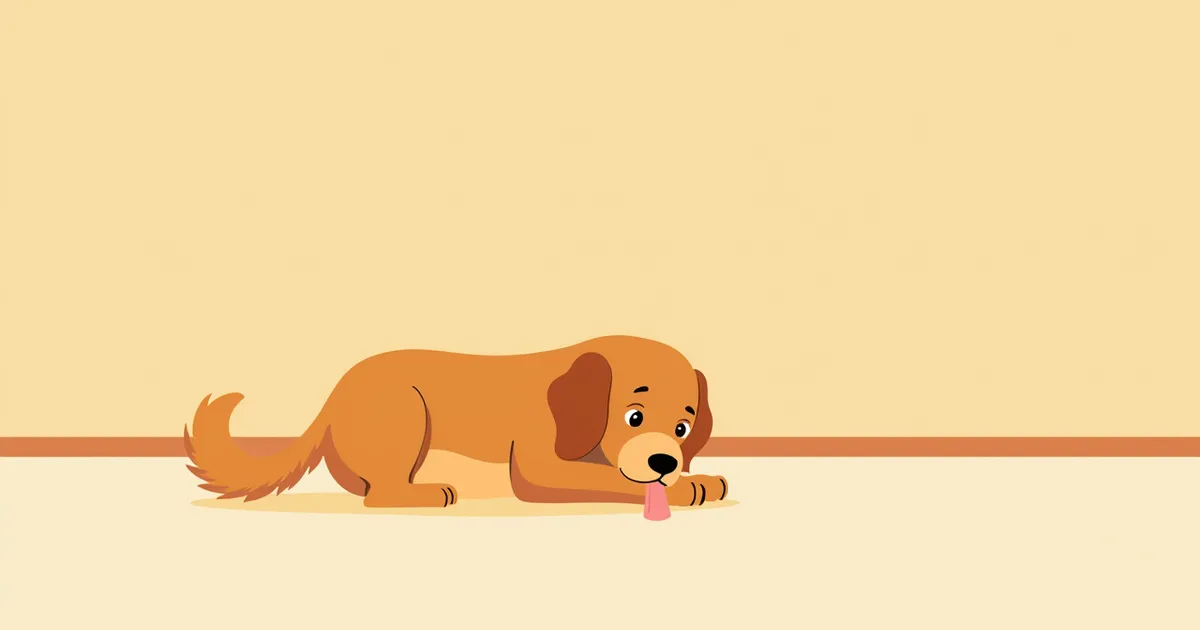
The Best Ways to Manage Compulsive Licking and Chewing in Dogs and How to Choose the Right Approach
The way to manage a dog’s compulsive licking or chewing depends on the underlying cause. We’ve compiled the most effective, evidence-based methods—from environmental enrichment to veterinarian-prescribed treatments—along with guidelines for choosing the right approach.
Why Can’t Dogs Stop Compulsive Licking and Chewing?
Why Does Compulsive Licking and Chewing Start?
When to Visit the Vet Immediately
If you notice the following signs, the behavior may stem from a neurological or physical condition rather than compulsive behavior. In such cases, a medical diagnosis should take priority over behavioral therapy. • Licking or chewing that begins suddenly over a few days and rapidly worsens • Wounds, bleeding, or hair loss in the area being licked • Abnormal gait, inability to stand, or seizures occurring alongside the behavior • Persistent licking despite a loss of appetite
Essential Step: Identifying the Underlying Cause Before Starting Management
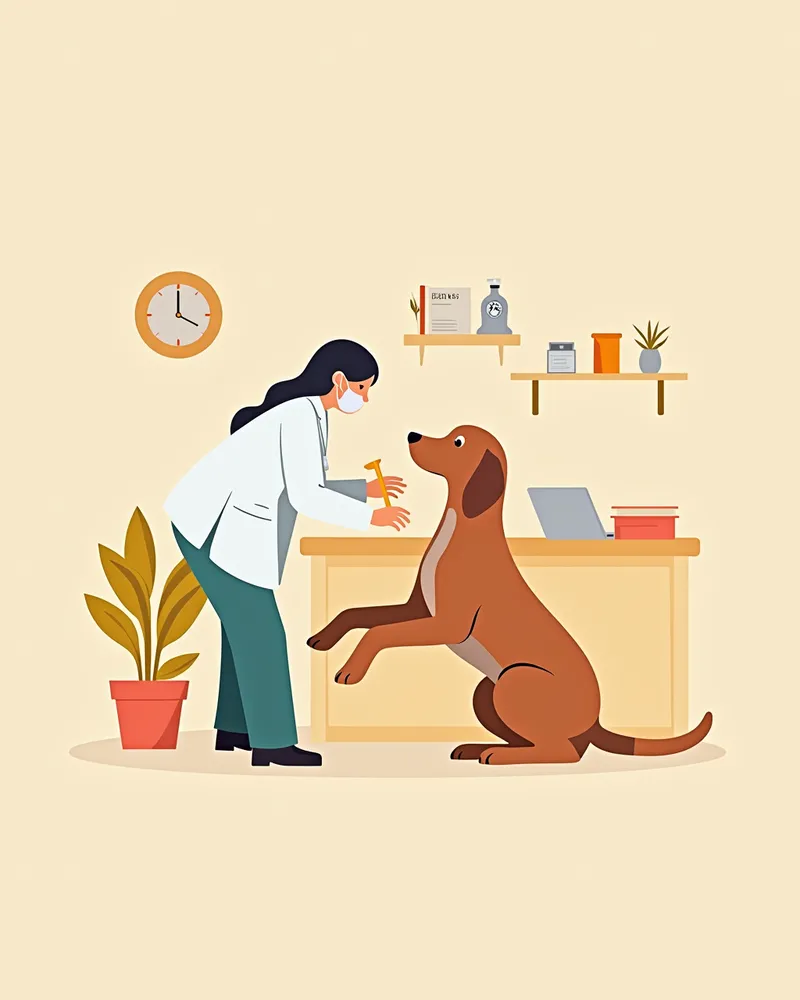
BEST 1 — Exercise and Environmental Enrichment (Priority for All Causes)
BEST 2 — How to Choose Anti-Licking Products
BEST 3 — Anxiety Management and Behavioral Modification Training

BEST 4 — Veterinary-Prescribed Medical Treatment

Comparison of Effectiveness by Management Method
| Item | Exercise & Environmental Enrichment | Anti-Licking Products | Anxiety & Behavior Training | Veterinary Treatment |
|---|---|---|---|---|
| Time to Effect | 1–4 weeks | Immediate | 4–8 weeks | 2–8 weeks |
| Doable Alone | Yes | Yes | Yes | No (prescription required) |
| Recurrence Prevention | High | Low | High | High |
| Recommended Situation | Basic first priority | When urgently preventing self-harm | When confirming psychological cause | When there is a physical cause or long-term persistence |
Combining methods works better than using them alone
Mistakes to Avoid
This is the most common mistake pet owners make when managing compulsive behaviors. • Comforting or hugging your pet every time they lick — this can inadvertently reinforce the behavior. • Scolding them harshly — this increases anxiety and can worsen the symptoms. • Relying solely on an Elizabethan collar without treating the underlying cause — the behavior will likely recur as soon as the collar is removed. • Administering human anti-anxiety medications without veterinary guidance — these must always be prescribed by a veterinarian.
Reviewed by a veterinarian

Dr. Tony — Punnawat Phongkittirak
VeterinarianA veterinarian who majored in veterinary medicine at Khon Kaen University, Thailand, and completed the IVSA program at North Carolina State University in the United States. Drawing on clinical experience at animal hospitals, he works in the pet healthcare field and is dedicated to building a digital care environment that connects pet parents with veterinarians.
Reviewed 2026-06-01
Frequently Asked Questions
Is my dog’s foot-licking just a habit?
Will filling in only the E-color resolve the issue?
How long will it take to see improvement with proper care?
Are certain dog breeds more prone to compulsive behaviors?
What’s the first step you can take at home?
Share
Related Guides

7 Behavioral Enrichment Strategies for Mental Stimulation Recommended by Veterinarians

Top 5 Calming Supplements for Dogs and Cats in 2026

L-Theanine Effects and Calming Support

7 Best Cat FORL Management Products Recommended by Veterinarians
7 Best Feline Tooth Fracture Management Products Recommended by Veterinarians and Selection Criteria

7 Key Points for Managing Cat Tongue and Lip Lesions, as Recommended by Veterinarians
7 Key Points for Managing Feline Temporomandibular Joint Dislocation Recommended by Veterinarians
7 Best Stage-Specific Management Tips for Feline Periodontal Disease and Selection Criteria by Veterinarians
7 Signs of Feline Oral Ulcers You Shouldn’t Miss, as Told by a Veterinarian

7 Warning Signs of Oral Pain in Cats and Management Tips Recommended by Veterinarians
References
[1] Bain, M.J. and Fan, C.M. (2012). Animal behavior case of the month. J. Am. Vet. Med. Assoc. 240(6):673–675.
[2] Denerolle, P., White, S.D., Taylor, T.S., and Vandenabeele, S.I.J. (2007). Organic diseases mimicking acral lick dermatitis in six dogs. J. Am. Anim. Hosp. Assoc. 43(4):215–220.
[3] Hewson, C.J., Luescher, U.A., and Ball, R.O. (1999). The use of chance-corrected agreement to diagnose canine compulsive disorder. Can. J. Vet. Res. 63(3):201–206.
[4] Mertens, P.A., Torres, S., and Jessen, C. (2006). The effects of clomipramine hydrochloride in cats with psychogenic alopecia: a prospective study. J. Am. Anim. Hosp. Assoc. 42(1):44–52.
[5] Mills, D. and Luescher, U.A. (eds.). Introduction to Animal Behavior and Veterinary Behavioral Medicine. Chapter 17: Repetitive and Compulsive Behaviors in Dogs. CABI.