Like
Share
멍실장
고양이 간 처방식 추천 TOP 5 — 지방간·간염 회복 사료

Top 5 Prescription Cat Foods for Liver Disease — Diets for Fatty Liver and Hepatitis Recovery

Liver HealthTop PicksMeongsiljang Veterinary Advisory Board

Prescription cat food for liver disease is a veterinarian-only diet precisely formulated with optimized protein quality, copper content, and antioxidants to support recovery in cats with compromised liver function. The key is providing an adequate amount of high-quality protein.

What Is Prescription Cat Food for Liver Disease?
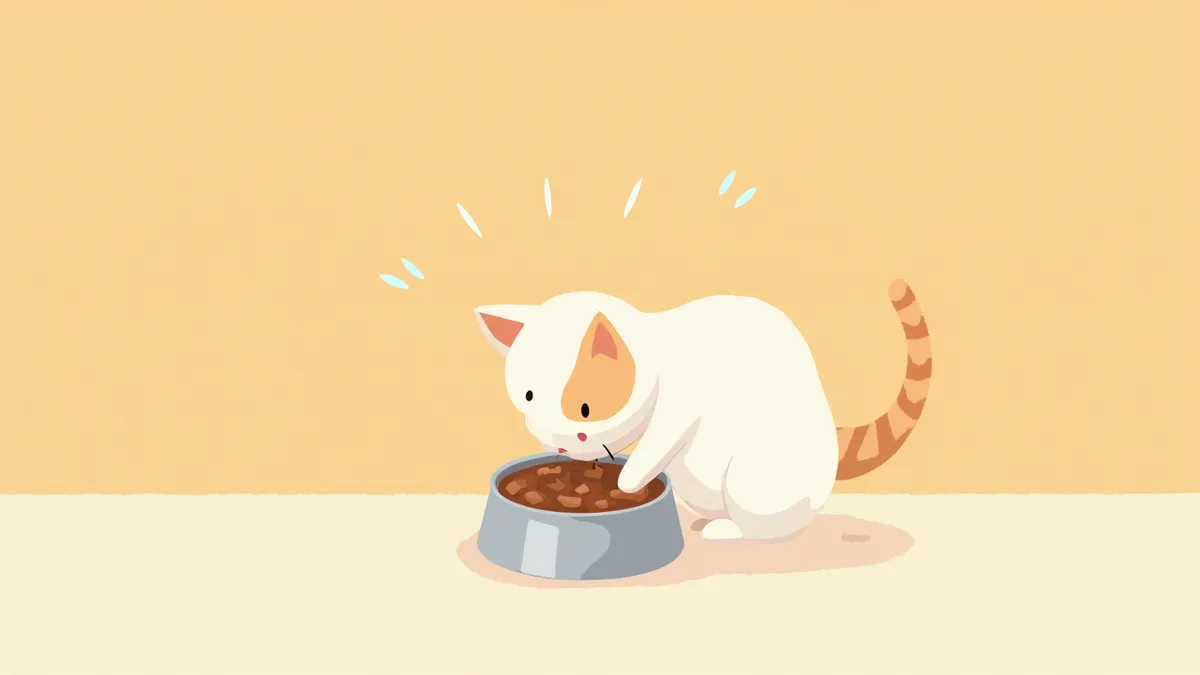
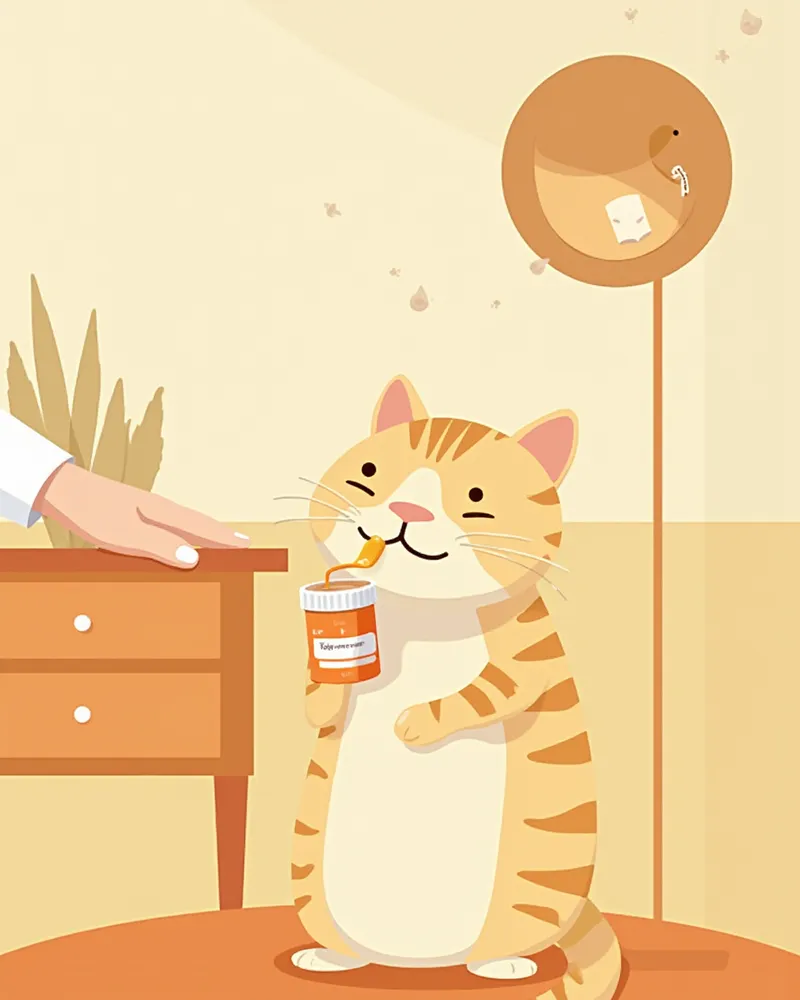
Cats eating liver prescription diet food
Prescription cat food for liver disease is a veterinarian-only diet precisely formulated to support recovery in cats with compromised liver function, with careful adjustments to protein quality, copper content, and antioxidant levels. The key is providing an adequate supply of high-quality protein. Unlike dietary management for liver disease in humans, reducing protein intake in cats can actually accelerate the development of hepatic encephalopathy and muscle loss. Therefore, it is essential to choose a prescription diet that maintains protein levels while enhancing digestibility and absorption.

When a Prescription Diet Is Essential

If your pet has been diagnosed with any of the following conditions, you should switch from regular food to a prescription diet: - Hepatic lipidosis (fatty liver disease): A condition in which prolonged loss of appetite leads to excessive accumulation of neutral fats in liver cells, causing bile stasis and impaired liver function. - Chronic hepatitis: When liver enzyme levels (ALT, AST, ALP) remain persistently elevated above the normal reference range. - Cholangitis/cholangiohepatitis: Inflammation of the bile ducts accompanied by elevated bilirubin and jaundice. - Portosystemic shunt (PSS): A congenital or acquired vascular abnormality that allows blood to bypass the liver. - Copper-associated hepatopathy: A disease characterized by excessive copper accumulation in the liver. (Note: Copper-restricted diets are primarily supported by evidence in dogs; this condition is rare in cats.)

Top 5 Prescription Cat Foods for Liver Disease at a Glance

ItemHill's l/dRoyal Canin HepaticPurina HPFarms & Pets Liver CareDr.By Liver Support
Protein (g/1000kcal)72g68g75g70g73g
Copper Content ControlTrueTrueTrueTrueTrue
L-Carnitine EnrichmentTrueTrueFalseTrueFalse
Omega-3 (DHA+EPA)SufficientSufficientModerateSufficientModerate
Palatability⭐⭐⭐⭐⭐⭐⭐⭐⭐⭐⭐⭐⭐⭐⭐⭐⭐⭐⭐
Monthly Feeding Cost (for 4kg)

Online average prices as of May 2026, based on feeding 60g per day to a 4kg cat

#1 — Royal Canin Hepatic

This is the most frequently prescribed diet specifically formulated for liver support. Its standout feature is its high palatability, making it a good choice for patients with liver disease who have a reduced appetite, and it is also suitable for force-feeding via syringe during the recovery phase of fatty liver disease. - Protein: Provides high-quality protein at 68g per 1,000 kcal to help prevent muscle loss. - Copper restriction: Copper levels are controlled to be lower than those in standard pet foods. - Enhanced L-carnitine: Supports fat metabolism and aids in the recovery from fatty liver disease by facilitating the transport of fatty acids into the mitochondria. - DHA + EPA and antioxidants: Play a supportive role in reducing oxidative stress on liver cells (though it is difficult to definitively claim that they suppress the progression of chronic hepatitis).
Prescription diet food bowl and cat

#2 — Hill’s Prescription Diet l/d

This is Hill’s prescription diet formulated specifically for liver support. Alongside Royal Canin Hepatic, it is one of the most clinically validated diets, with particular strengths in the long-term management of chronic hepatitis and cholangitis. - Protein quality: Includes partially hydrolyzed protein to reduce digestive burden. - L-carnitine and taurine: Assist in hepatic lipid metabolism. - Antioxidant vitamins (E and C): Protect hepatocytes from oxidative stress. It is essential to recheck ALT and ALP levels 1 to 2 months after transitioning to this diet.

#3 — Purina Pro Plan HP

This is Purina’s prescription diet for liver disease. With the highest protein content at 75g per 1,000 kcal, it is suitable for the recovery phase of senior cats with advanced muscle atrophy or those who have suffered from prolonged loss of appetite. - Rich in protein → Recommended for cats in stages where there is no risk of hepatic encephalopathy - Relatively affordable price - Drawback: L-carnitine supplementation is relatively weak, so it ranks slightly behind the top two options during the recovery phase of fatty liver disease.
Meals for Senior Cats

#4–5 — Paws & Pets Liver Care / Dr. By Liver Support

This is a liver-support diet from a Korean brand, suitable as a supplementary option that’s gentler than standard prescription diets. - Paws & Pets Liver Care: Contains added silymarin (milk thistle) and is recommended for mild elevations in liver enzyme levels. - Dr. By Liver Support: Offers good value for money and is a solid choice for prevention and maintenance. However, since neither product meets AAFCO (Association of American Feed Control Officials) standards for prescription diets, cats diagnosed with hepatitis or fatty liver disease should prioritize the top three prescription diets listed.

Key Guidelines for Transitioning to a Prescription Diet

Prescription diets should only be used under veterinary guidance. Please strictly follow these instructions: - Do not self-prescribe protein-restricted diets: In cats, insufficient protein intake can quickly lead to muscle loss and worsen hepatic lipidosis. - Transition over 7–10 days: Gradually increase the proportion of the new food by 25% increments while decreasing the old food. - Blood tests are essential after 2–4 weeks: Recheck ALT, ALP, total bilirubin, and albumin levels. - Visit the clinic immediately if appetite loss lasts more than 24 hours: Prolonged anorexia can accelerate the progression of hepatic lipidosis.

Food Selection Guide Based on Your Cat’s Condition
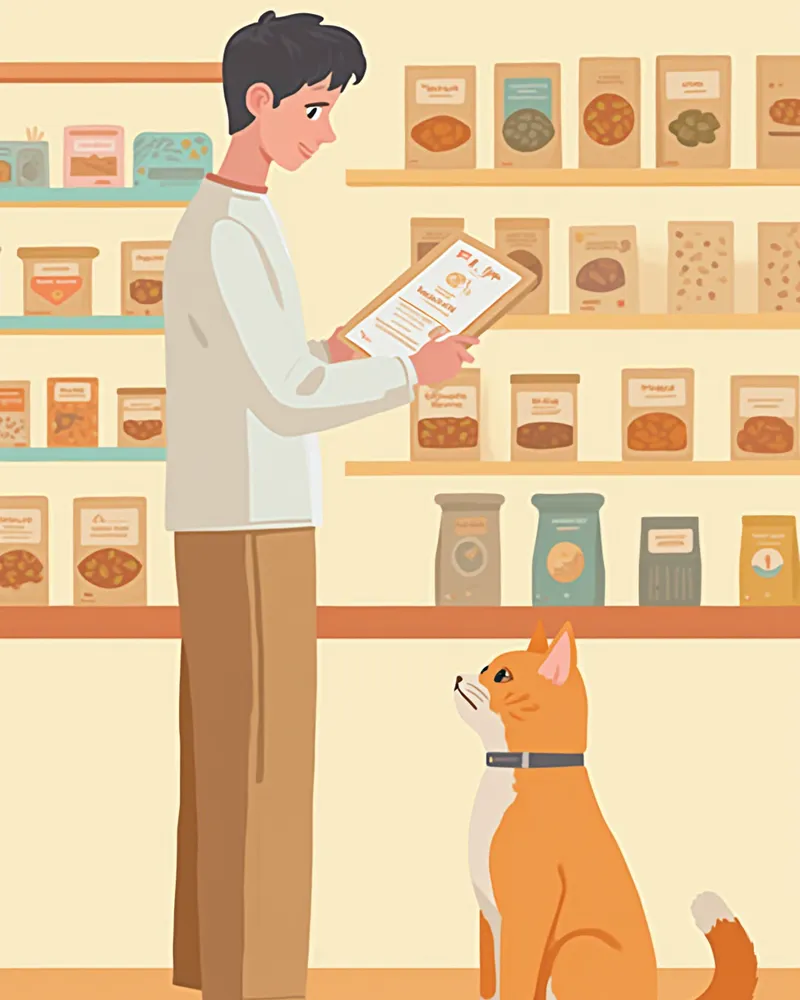
- Prolonged anorexia during fatty liver recovery: Royal Canin Hepatic (palatability + L-carnitine) - Long-term management of chronic hepatitis: Hill's l/d (hydrolyzed protein to reduce digestive burden) - Senior cats with severe muscle atrophy: Purina HP (high protein) - Mildly elevated liver values, for preventive care: Paws & Pets Liver Care - Forced feeding during post-surgical recovery: Royal Canin Recovery Liquid (separate product) In any case, it is safest to consult with your veterinarian before making a decision.
A pet owner selecting cat food

Reviewed by a veterinarian

Dr. Tony — Punnawat Phongkittirak

Dr. Tony — Punnawat Phongkittirak

Veterinarian

A veterinarian who majored in veterinary medicine at Khon Kaen University, Thailand, and completed the IVSA program at North Carolina State University in the United States. Drawing on clinical experience at animal hospitals, he works in the pet healthcare field and is dedicated to building a digital care environment that connects pet parents with veterinarians.

Frequently Asked Questions

Do I need to feed my pet a liver prescription diet for the rest of its life?
While fatty liver disease typically allows a return to regular food once recovery is achieved, lifelong prescription diets are recommended for chronic hepatitis, cholangitis, and portosystemic shunts. Regular blood tests and re-evaluation with your veterinarian every six months are essential.
Can I get this without a prescription?
While some prescription diets are available online, they are formulated based on a veterinarian’s diagnosis. Restricting protein or copper on your own can actually be dangerous.
What should I do if my pet won’t eat its food?
Try switching to a highly palatable, top-rated product, but if your cat still refuses to eat for more than 24 hours, take them to the vet immediately. In cats, prolonged anorexia can lead to a negative energy balance, causing fat to accumulate in the liver and potentially resulting in hepatic lipidosis.
Can I also give my pet a liver supplement (milk thistle)?
Silymarin (milk thistle), SAMe, and ursodeoxycholic acid are often prescribed alongside prescription liver diets. However, the dosage must always be determined by a veterinarian based on your pet’s weight and liver values.
How long does it take to recover from fatty liver disease?
With early detection and proactive nutritional support, many pets make a full recovery. However, forced feeding via syringe or esophageal tube is often necessary until their appetite returns.

Share

Related Guides

References

[1] Fascetti AJ, Delaney SJ. Applied Veterinary Clinical Nutrition, 2nd Ed. Chapter 8: Commercial and Home-Prepared Diets, 2024

[2] Schaer M, Gaschen F. Clinical Medicine of the Dog and Cat, 4th Ed. Chapter 25: Nutritional Support of the Hospitalized Patient

[3] Center SA. Feline Hepatic Lipidosis. Veterinary Clinics of North America: Small Animal Practice, 2005

This information is based on veterinary literature and does not replace diagnosis or treatment. Please consult a veterinarian for specific health concerns.

Metapet Co., Ltd. | CEO: Park Sung-yong | Business Reg. No. 417-88-02562 | Seoul, South Korea | Customer Center

Top 5 Prescription Cat Foods for Liver Disease Recovery | Meongsiljang