Like
Share
멍실장
강아지 죽음 후 반려동물 슬픔 관리 추천 BEST와 고르는 기준 총정리

Depressed Dog After Losing a Companion — Top 7 Grief Care Items and Selection Criteria

Brain & CognitionTop PicksMeongsiljang Veterinary Advisory Board

We’ve put together practical recommendations and selection criteria to help guide you through the deep grief that follows losing your dog, especially when you feel overwhelmed and unsure of how to cope.

What Is Pet Loss Grief?
A pet owner staring at an empty bed after losing their dog
The grief of losing a pet is a deep and complex emotional response experienced by owners who have lost their dogs. Because the bond with a pet (the human-animal bond) is rooted in attachment, the sadness felt during this time is not an exaggerated reaction but a completely normal part of the mourning process. However, it often becomes "disenfranchised grief"—a type of sorrow that isn't fully acknowledged by those around you—leading many to endure the pain alone. What truly matters is not viewing these emotions as an "overreaction" or trying to suppress them. Since everyone processes grief in their own unique way, allowing yourself to feel your sadness and managing it at your own pace and in your own manner can aid in healing.

The 5 Stages of Grief — Check Which Stage You Are In

Denial: A state of shock where you think, “This can’t be real.” Anger: Feeling inexplicable rage toward yourself or your veterinarian. Bargaining: Repeatedly regretting things like, “If only I had gone to the clinic sooner.” Depression: Daily life falls apart, and a sense of helplessness sets in. Acceptance: The stage where you acknowledge the loss and cherish the memories. These five stages are just one of several theoretical frameworks for understanding grief. Other perspectives, such as task-based, dual-process, and meaning-making models, also help explain pet loss, so there is no single “right” answer. The stages don’t always occur in order; you may revisit certain stages, skip some, or experience them in a different sequence. There’s no need to blame yourself for not following a specific pattern.

Grief Response Checklist — Are You Experiencing These Symptoms?

Sleep disturbances: Difficulty falling asleep or frequent awakenings.
Loss of appetite: Food tastes bland, and eating feels meaningless.
Difficulty concentrating: Trouble focusing on work or studies.
Repetitive checking: Constantly checking your dog’s food bowl or leash.
Social withdrawal: Avoiding people and preferring to stay home.
Physical symptoms: Headaches and chest tightness may occur.
These symptoms are common, normal reactions during acute grief. While experiences vary greatly from person to person, they often gradually lessen over time. However, if symptoms persist for a long period or significantly disrupt daily life, it’s important not to endure them alone—seek support.
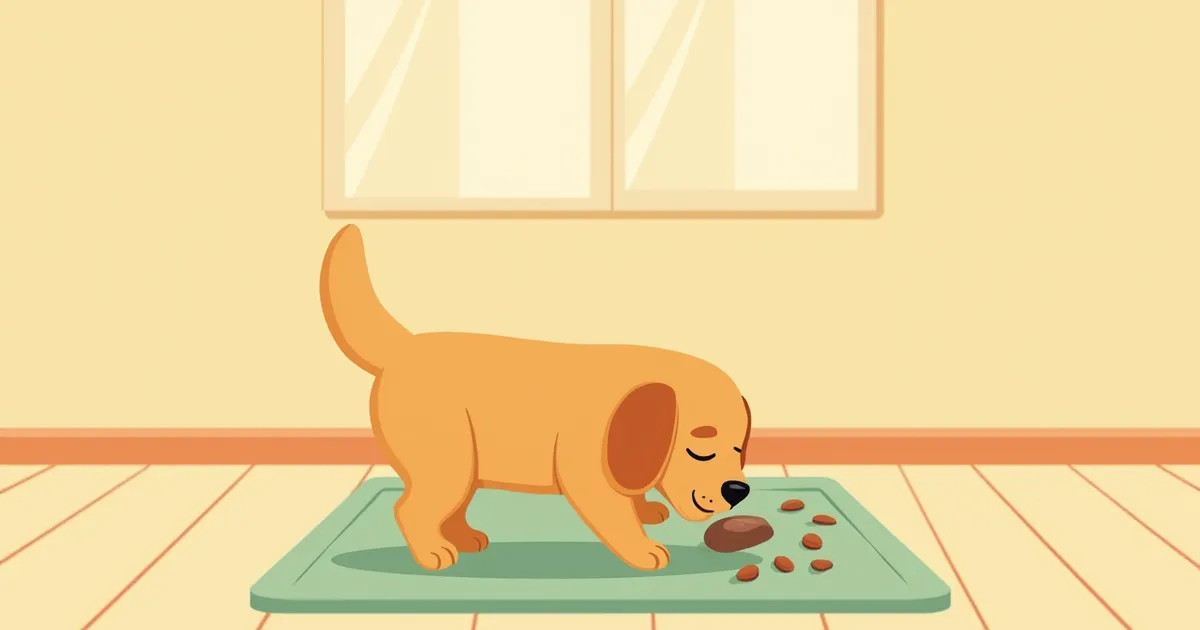
A food bowl and leash symbolizing a dog's grief response

When Professional Help Is Needed

If your grief shows no signs of easing over time, or if your daily routines—such as going to work, eating, and sleeping—remain disrupted for an extended period, it may be a sign of complicated grief. In such cases, we strongly encourage you to reach out to mental health professionals, counselors specializing in pet loss, or pet loss support hotlines rather than trying to cope alone. Veterinary care providers also consider it essential to connect pet owners with mental health professionals and counseling resources.

Recommended Top 1–3 — Immediate Care in the First 1–2 Weeks

1. Allow yourself to grieve: It’s completely natural to feel sad or overwhelmed. Rather than suppressing your emotions, expressing them at your own pace can help you process your loss. 2. Maintain your routine: Try to keep regular meal and sleep schedules. A consistent daily rhythm can help ground you during this difficult time. 3. Take your time with photos and belongings: There’s no rush to put things away. Everyone processes grief differently, so creating a memory album when you’re ready can be a meaningful way to honor your pet.

Recommended Top 4–6 — Emotional Recovery Stage (2–8 Weeks)

④ Join a support group: Simply feeling understood by other pet owners who’ve gone through the same experience can be deeply comforting. Resources such as phone hotlines or online support groups for pet loss can also be helpful.
⑤ Create a memorial ritual: Honor your pet’s memory in a way that feels meaningful to you, such as planting a tree, framing their paw print, or making a donation in their name. There’s no single “right” way to grieve—choose what resonates with you.
⑥ Writing and creative expression: Putting your feelings into words or art can be one way to process your grief.
A pet owner healing their grief through journaling

Criteria for Choosing Support Methods — Selecting What Works for You

Duration of grief: If your sadness is relatively short-lived and gradually improving, focus on self-care. If it persists for a long time and shows little sign of improvement, consider seeking professional counseling.
Ability to maintain daily functioning: If you can still go to work and sleep, prioritize self-care. If your basic daily functions are compromised, you need professional support.
Support network: If you have people around you who empathize with your feelings, joining a community or support group can be highly effective.
Personality type: If you prefer processing things on your own, journaling may suit you best. If you prefer sharing with others, participating in a group is likely a better fit.

If You Have Other Pets at Home

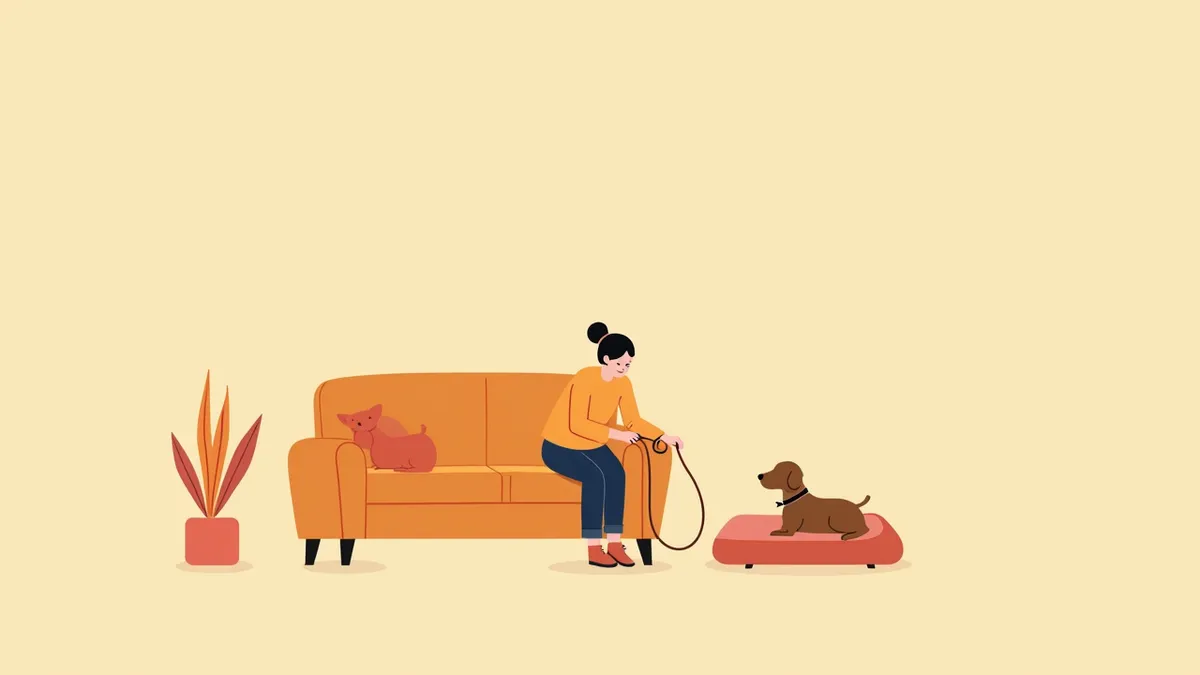
When a companion animal passes away, the remaining pet may exhibit changes in behavior. They might lose their appetite, appear lethargic, or pace around the house as if searching for something. They may also pick up on the owner’s sadness. Maintain their usual walking and play routines, and spend a little more time with them than usual. However, if they refuse food for several days or remain lethargic, it could indicate a health issue beyond grief, so it’s best to have them checked by a veterinarian.
A puppy left alone, sitting by the window.

Adopting a New Pet — There’s No Rush

While adopting a pet quickly may seem like a way to ease your grief, bringing a new companion into an unprepared home isn’t in the best interest of either the animal or you. Wait until you’ve had time to process your loss and feel genuinely ready to welcome a new life into your home.

Reviewed by a veterinarian

Dr. Tony — Punnawat Phongkittirak

Dr. Tony — Punnawat Phongkittirak

Veterinarian

A veterinarian who majored in veterinary medicine at Khon Kaen University, Thailand, and completed the IVSA program at North Carolina State University in the United States. Drawing on clinical experience at animal hospitals, he works in the pet healthcare field and is dedicated to building a digital care environment that connects pet parents with veterinarians.

Frequently Asked Questions

How long is it normal to grieve after losing a dog?
Because individual differences are so significant, there’s no set timeframe for recovery. While symptoms typically improve gradually over time, if grief persists and begins to disrupt daily life, seeking professional counseling is a good idea.
People around me often say, “It’s just a pet, why are you making such a big deal out of it?” Am I being unreasonable?
It’s completely normal. The bond with your pet is rooted in deep attachment, so the grief you feel is a natural part of mourning. However, this sorrow is often overlooked or dismissed by those around you, leaving you feeling isolated. If you find yourself struggling to be understood, consider reaching out to support communities for pet loss or contacting a pet bereavement hotline.
Should you put away your dog’s belongings right away, or leave them out?
There’s no one right answer. You can make the decision when you feel ready. Everything that feels hard to let go of or change is a natural part of the grieving process.
I don’t have time to express my sadness because of work. What should I do?
Set aside a short time each day to face your sadness. Even a brief journal entry or looking at photos can help. Suppressing your emotions can make things harder.
How can I help my children cope with the loss of their dog?
It’s better to speak honestly rather than using euphemisms like “fell asleep.” Allow your child to express their sadness, and consider creating a shared memorial ritual together.

Share

Related Guides

References

[1] Lindemann E: Symptomology and management of acute grief, Am J Psychiatry 101:141-148, 1944

[2] Shear MK: Complicated grief treatment: the theory, practice and outcomes, Bereave Care 29(3):10-14, 2010

[3] Lagoni L, Butler C, Hetts S: The Human-Animal Bond and Grief. W.B. Saunders, Philadelphia, 1994

[4] Toray T: The Human-Animal Bond and Loss: Providing Support for Grieving Clients, Journal of Mental Health Counseling 26(3):244-259, 2004

[5] Moffett-Bateau C, Nett RJ, Witte TK, et al.: Grief and Bereavement — in Small Animal Critical Care Medicine, 3rd Ed. Elsevier, 2023

This information is based on veterinary literature and does not replace diagnosis or treatment. Please consult a veterinarian for specific health concerns.

Metapet Co., Ltd. | CEO: Park Sung-yong | Business Reg. No. 417-88-02562 | Seoul, South Korea | Customer Center

Grieving Dog After Losing a Companion: 7 Grief-Care Picks | Meongsiljang