Like
Share
멍실장
강아지 이사·환경 변화 스트레스 관리 추천 BEST와 고르는 기준 총정리

Anxious Puppies After a Move — Top 7 Products to Relieve Environmental Change Stress

Brain & CognitionTop PicksMeongsiljang Veterinary Advisory Board

We’ve compiled a quick guide to recognizing stress symptoms in dogs after a move or environmental change, along with evidence-based behavioral medicine management strategies and criteria for selecting appropriate products.

What Is Stress from Moving or Environmental Changes in Dogs?
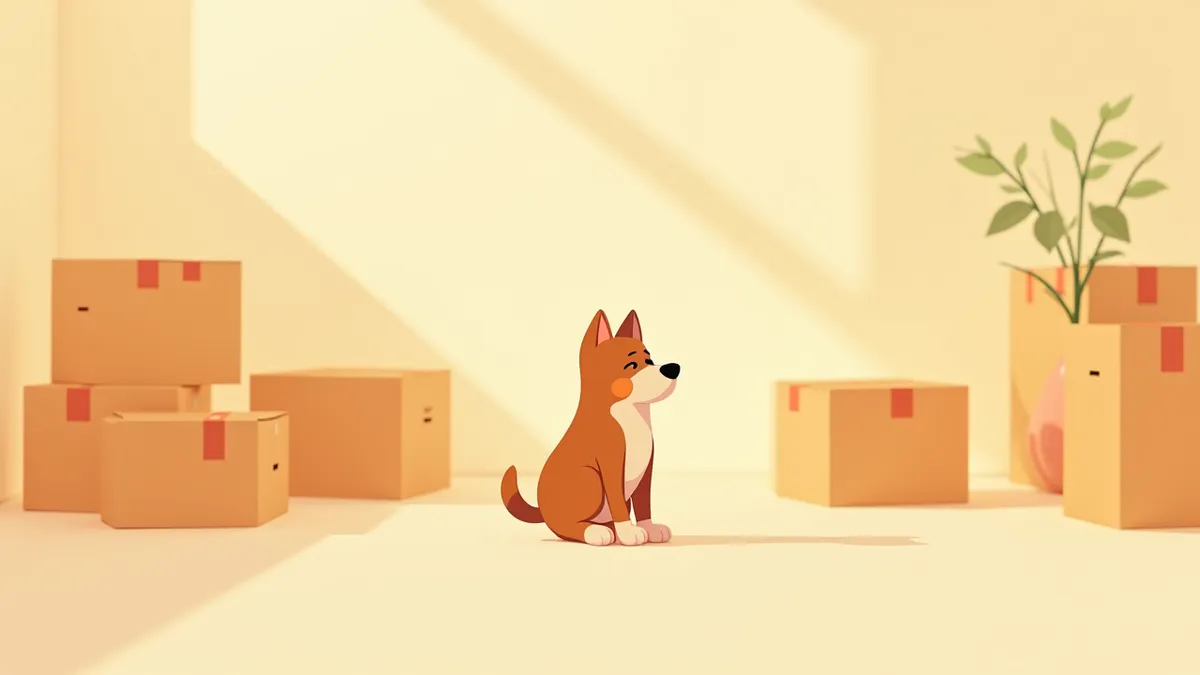
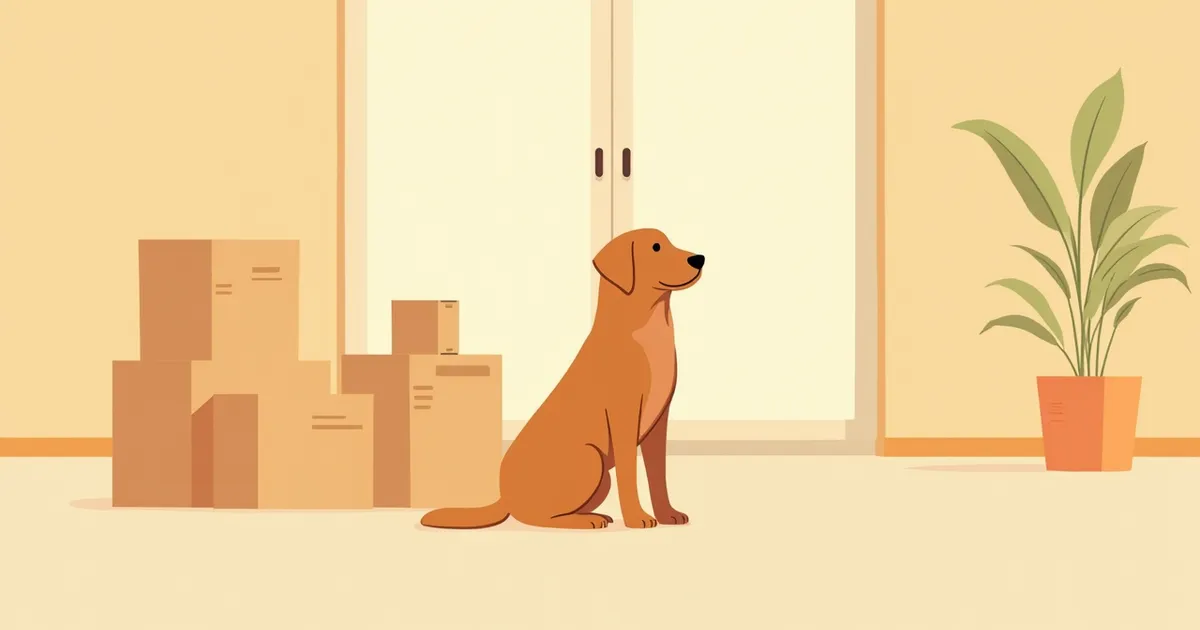
A puppy looking anxious among moving boxes
Stress from moving or environmental changes in dogs is a behavioral symptom where their nervous system becomes overstimulated when suddenly exposed to unfamiliar spaces, smells, and sounds. What truly matters isn’t the move itself, but the "pace of change." According to veterinary behavior textbooks, adult and senior dogs who have never experienced major environmental or routine changes often struggle to adapt at first. While these reactions are usually temporary, prolonged anxiety can lead to separation-related issues (such as separation anxiety), making careful management during the initial few weeks crucial. Additionally, if you notice sudden behavioral changes, it’s a good idea to check for medical causes like pain or underlying health conditions.

These Symptoms Are Signs of Stress

Excessive barking or howling: Your pet may bark in response to unfamiliar sounds in the new environment, especially when left alone.
Decreased appetite: A loss of appetite is common when pets are feeling anxious.
Accidents in the house: They may start having involuntary urination or defecation accidents, even if they were previously well-trained.
Excessive licking or paw lifting: Repeatedly licking their lips or nose, or lifting their front paws, are self-soothing behaviors.
Trembling or hiding: Overwhelmed by strange noises and smells, they may tremble or hide in corners.
If several of these signs appear together or persist for several days, proactive management is needed. In particular, if the changes are sudden, please also check for medical causes such as pain or illness.

Go to the Vet Immediately in These Situations

If your pet stops eating and drinking for more than 48 hours, engages in repetitive licking or scratching to the point of self-injury, or exhibits sudden aggression, a veterinary consultation is essential. If the issue has progressed from a simple adjustment reaction to an anxiety disorder, both behavioral modification and medication are necessary.

4 Criteria for Choosing Good Management Methods and Products
Evidence-based veterinary support: Verify whether the method has been proven effective in clinical studies or veterinary behavior textbooks.
Tailored to your dog’s age and personality: Puppies and senior dogs react differently to stress, so their approaches should differ accordingly.
Combined with behavior modification: Combining environmental adaptation training with supplements or pheromones yields better results than using them alone.
Short-term vs. long-term care: The first 3–7 days after moving require intensive short-term care, followed by a gradual adaptation routine over the next 2–4 weeks.
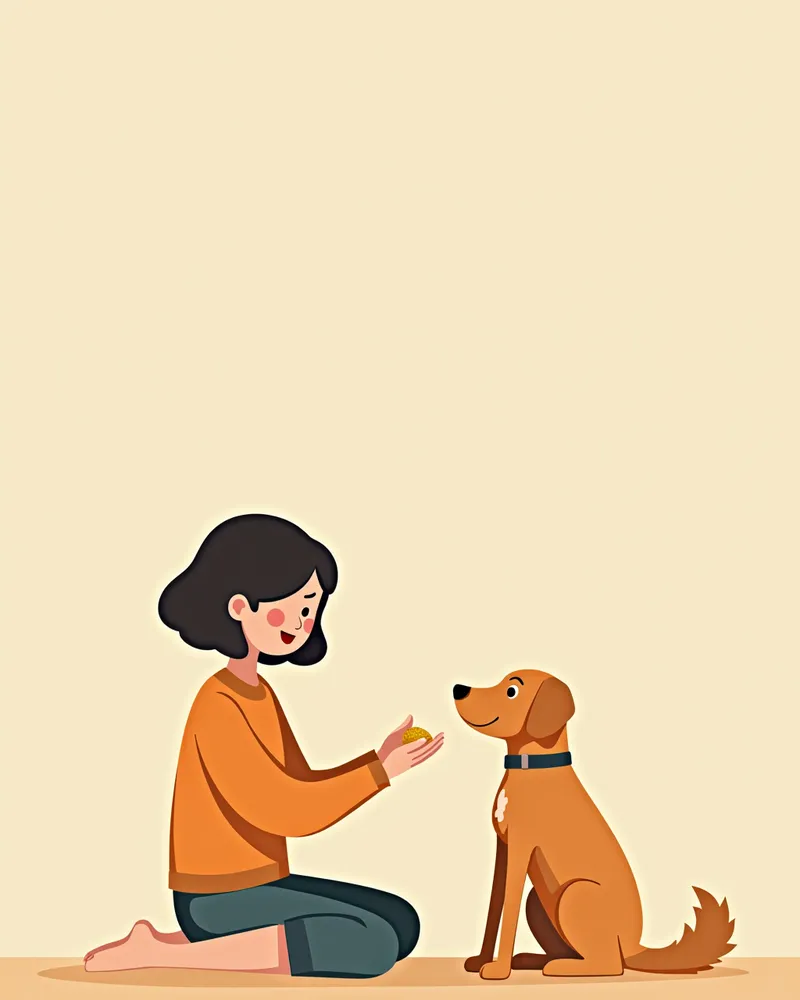
A pet owner calming their dog with treats in a new home

BEST 1 — Transferring Familiar Scents: The Fastest and Cost-Free Method

Dogs rely on their sense of smell to assess whether a space is safe. Bringing familiar items from your previous home—such as blankets, cushions, and toys—helps them quickly recognize the new environment as a “safe space” through scent. On moving day, set up a dedicated area for your dog (like a crate or a specific room) and place these familiar items there first. Adding a T-shirt worn by you, which carries your scent, can also be very effective. This is the top recommended approach because it’s free and can be implemented immediately.

BEST 2 — Using Synthetic Pheromone (DAP) Products

Dog Appeasing Pheromone (DAP) is a synthetic version of the natural calming substance released by mother dogs to soothe their puppies. It is available in plug-in diffusers, sprays, and collars. In veterinary behavioral medicine, DAP is recommended as a supportive measure to help ease anxiety triggered by environmental changes. To use a diffuser, simply plug it into an outlet in the area where your dog spends most of its time, such as a kennel or bedroom. On moving day, plug the diffuser into the new space, and spray the inside of your dog’s carrier during transit to help them feel more secure. Keep in mind that individual responses may vary, and DAP tends to be most effective when combined with behavioral modification techniques, such as environmental adaptation training, rather than used alone.
A dog resting comfortably next to a calming pheromone diffuser for dogs

BEST 3 — Gradual Space Exposure Training

Letting your pet freely explore the entire new home from the very first day can actually increase their anxiety. It’s more effective to start with just one room and gradually expand their access every two to three days. Pairing this gradual introduction with positive reinforcement training using treats in each area helps your pet associate the new spaces with positive experiences. Veterinary behavior textbooks highlight this method of gradual desensitization as a core behavioral modification technique for addressing anxiety related to environmental changes.

BEST 4 — Maintaining Existing Routines and Enhancing Walks
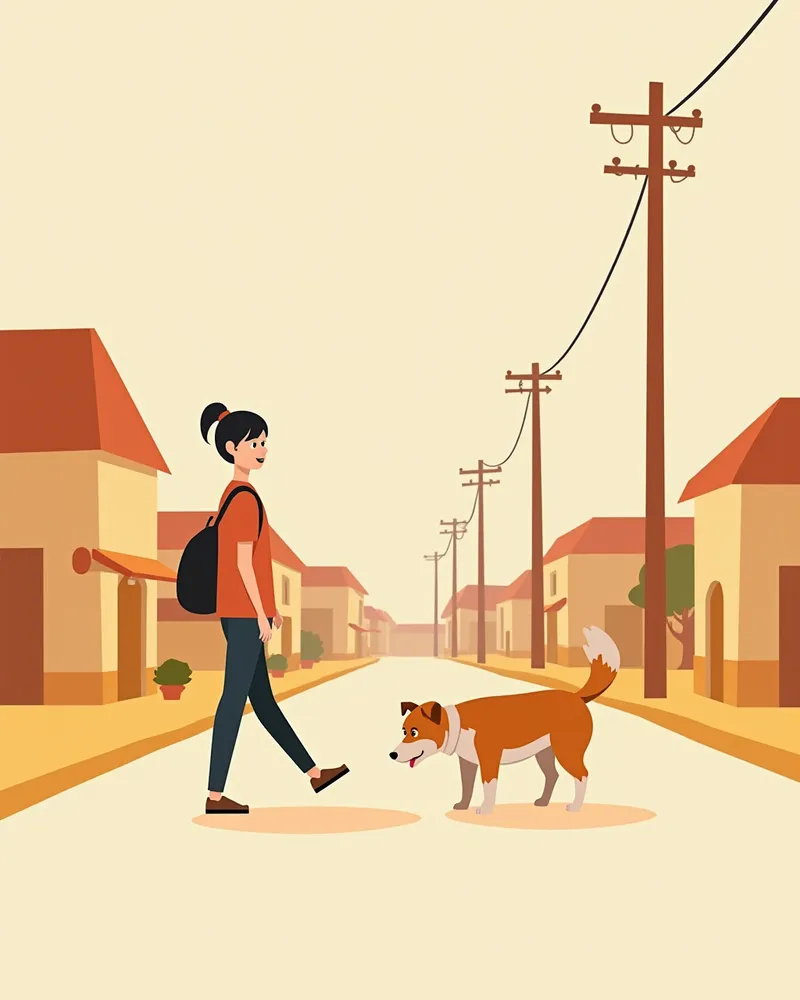
For dogs, a routine provides predictability. Feeding and walking your dog at the same times as before, even in a new home, creates a predictable daily rhythm that fosters a sense of security. Walks help your dog explore new scents and come to recognize the new neighborhood as their own territory. However, textbooks note that exercise alone, such as walking, does not fully resolve anxiety; mental stimulation through sniffing, simple tricks, and nose work is equally important. For a while after moving, take your time on walks and allow your dog ample opportunity to sniff unfamiliar scents.
A dog sniffing around on a walk in a new neighborhood

At-a-Glance Comparison of Stress Management Methods

ItemOnset of EffectCostDifficultyRecommended Situation
Scent TransferImmediateFreeEasyEssential on moving day
Synthetic Pheromone (DAP)Varies by individual, auxiliary₩20,000–50,000EasyAuxiliary for moderate anxiety
Gradual Space TrainingDays to weeksFree–cost of treatsModeratePersistent anxiety
Routine + Walks & Mental StimulationDaysFreeEasyRecommended for all dogs
Veterinarian-Prescribed MedicationAt veterinarian's discretionIncludes consultation feeDifficultSevere anxiety disorder

Medication treatment always requires a veterinary prescription, and pheromones vary between individuals, so they are an auxiliary aid used alongside behavior correction

Be Extra Cautious with Senior Dogs and Dogs with a History of Separation Anxiety

Senior dogs that have lived in the same home for a long time, as well as dogs previously diagnosed with separation anxiety, are much more vulnerable to environmental changes. Pre-exposure desensitization by introducing moving boxes two weeks before the move can be effective. After the move, it’s also a good idea to consult with your veterinarian in advance about considering a short-term prescription for anti-anxiety medication.

Reviewed by a veterinarian

Dr. Tony — Punnawat Phongkittirak

Dr. Tony — Punnawat Phongkittirak

Veterinarian

A veterinarian who majored in veterinary medicine at Khon Kaen University, Thailand, and completed the IVSA program at North Carolina State University in the United States. Drawing on clinical experience at animal hospitals, he works in the pet healthcare field and is dedicated to building a digital care environment that connects pet parents with veterinarians.

Frequently Asked Questions

My dog isn’t eating after we moved. How long should I wait?
A drop in appetite right after a change in environment is a common sign of anxiety. If your pet continues to refuse water or appears lethargic over time, or if the change is sudden, a veterinary examination is necessary to rule out pain or underlying illness. Rather than force-feeding, try enticing them with their usual favorite foods in a quiet, comfortable space.
Can I show my pet the new home before we move?
If possible, it’s a good idea to let your pet visit the new home briefly before moving. Familiarizing them with the scents of the new space in advance can help reduce their sense of unfamiliarity on moving day. During the visit, offer treats to create a positive first impression.
Are there dogs for whom synthetic pheromone products don’t work?
Yes, every dog reacts differently. Pheromones are a supportive tool, so they may not be enough on their own for severe anxiety. It’s best to combine them with behavior modification training or consult your veterinarian about medication.
My dog suddenly became aggressive after we moved. Why is that happening?
Aggression is a defensive response that occurs when fear and anxiety reach extreme levels. It happens when your pet feels threatened in an unfamiliar environment and reacts defensively. Forcing comfort or punishing them can worsen the situation, so please consult a veterinarian for guidance.
How long does it take for a dog to adjust after moving?
Most dogs gradually adjust to a new environment, but the time it takes varies from dog to dog. Senior dogs or those with a history of separation-related issues may take longer. According to textbooks, consistent daily behavioral therapy typically shows improvement within a few weeks. During the adjustment period, maintain a routine and minimize sudden changes in their daily life.

Share

Related Guides

References

[1] Landsberg G., Hunthausen W., Ackerman L., Behavior Problems of the Dog and Cat, 3rd ed., Saunders Elsevier, 2013

[2] Overall K.L., Manual of Clinical Behavioral Medicine for Dogs and Cats, Elsevier Mosby, 2013

[3] Horwitz D.F., Mills D.S., BSAVA Manual of Canine and Feline Behavioural Medicine, 2nd ed., BSAVA, 2009

This information is based on veterinary literature and does not replace diagnosis or treatment. Please consult a veterinarian for specific health concerns.

Metapet Co., Ltd. | CEO: Park Sung-yong | Business Reg. No. 417-88-02562 | Seoul, South Korea | Customer Center

Anxious Dog After a Move: 7 Top Stress-Relief Products | Meongsiljang