Like
Share
멍실장
고양이 털 관리·빗질 관리 추천 BEST와 고르는 기준 총정리

The Ultimate Guide to Recommended Cat Grooming and Brushing Tools and Selection Criteria

Lifestyle & Age CareTop PicksMeongsiljang Veterinary Advisory Board

Proper grooming is essential for maintaining your cat’s healthy skin and coat. Choosing the right grooming tools and using them correctly can help prevent hair loss, matting, and dermatitis.

Cat Grooming is the Start of a Healthy Life
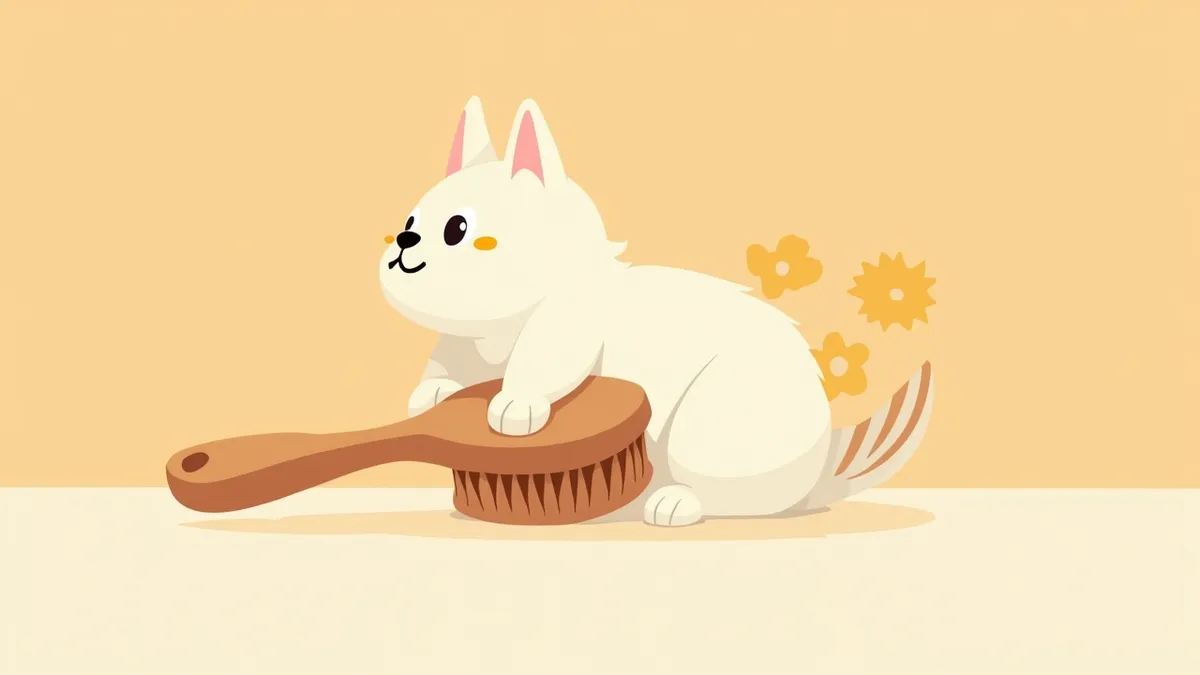
A cat being brushed with a slicker brush.
Grooming your cat is an essential part of daily care that allows you to check the health of their skin and coat. Self-grooming is a natural and vital behavior for cats, who typically spend about an hour a day using the backward-facing barbs on their tongues and their front teeth to tidy their fur and protect themselves from external parasites. Because cats can experience significant stress if they are unable to groom themselves, gentle human assistance is helpful in situations where normal grooming is difficult, such as in senior cats or those with tongue ulcers, jaw fractures, or post-surgical recovery requiring an Elizabethan collar. When assisting with brushing, avoid rushing the process; instead, start with light contact and gradually acclimate your cat to prevent them from feeling overwhelmed, while associating the experience with positive rewards like their favorite treats. It is important to choose grooming tools appropriate for your cat’s coat type and temperament, and to proceed slowly while continuously monitoring their reactions.

Selection Criteria: Tips for Choosing Cat Grooming Tools
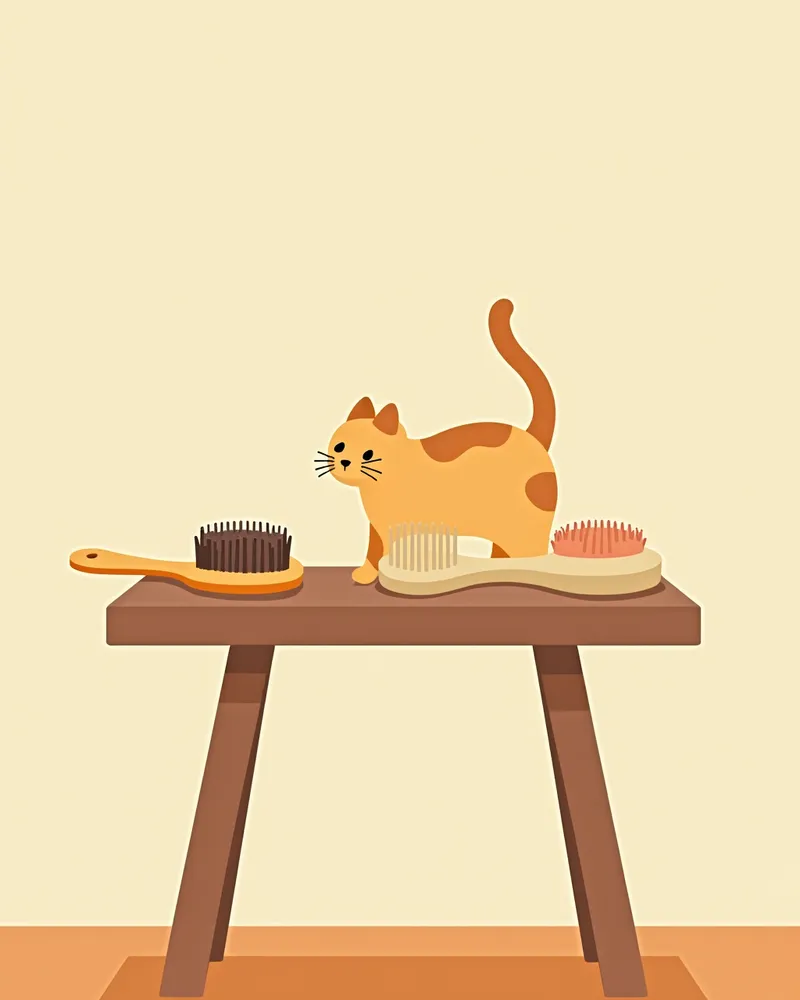
When choosing a grooming tool for your cat, consider its coat type and length, as well as its temperament and how it reacts to handling. For long-haired breeds, a slicker brush with dense bristles can help remove tangles deep in the coat, but be careful not to irritate the skin. For short-haired cats, a rubber brush is a good option that minimizes skin irritation. If your cat sheds easily or has sensitive skin, opt for a soft brush. The brush head should be gentle and designed to avoid pulling the fur too harshly, while the handle should have an ergonomic design for comfortable grip.
A variety of cat grooming tools

BEST 1: Slicker Brush (For Long-Haired Breeds)
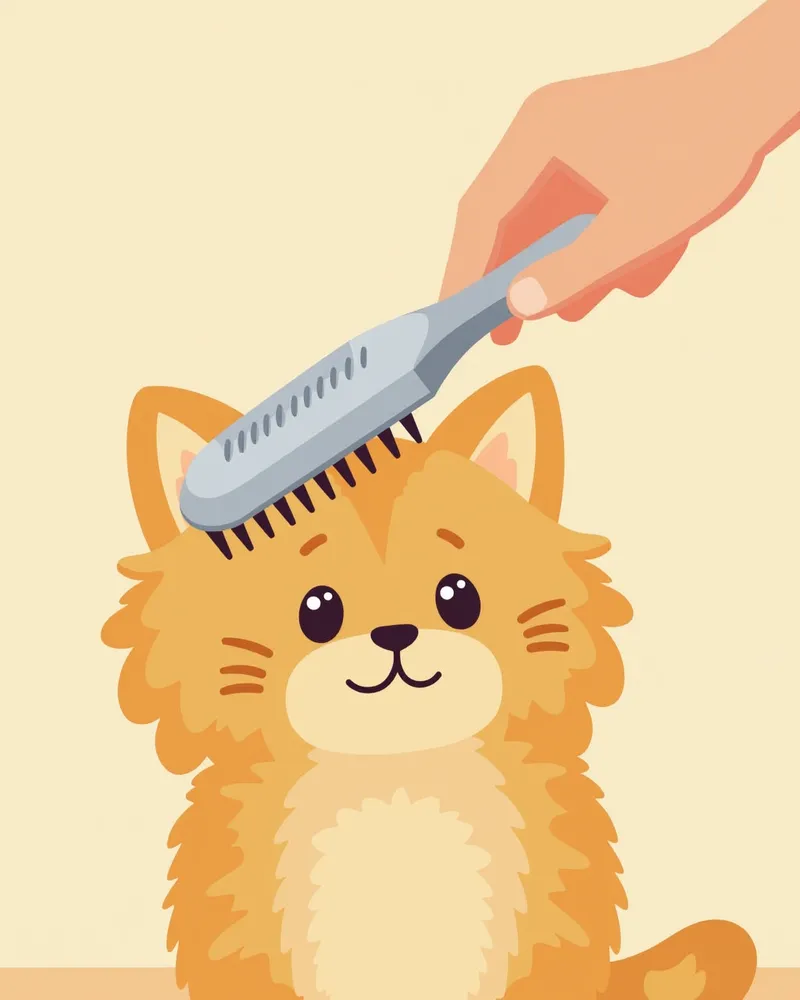
This brush is commonly used for managing matted fur in long-haired cats. Its densely packed bristles help remove loose and dead hair from within the coat. However, because the bristles are closely spaced and have sharp tips, using too much pressure can cause micro-abrasions or irritation to the skin. Such minor damage from grooming tools can lead to skin issues, so it’s important to brush gently with light pressure. This brush is especially useful for removing shed fur during winter when the coat becomes thicker. Before brushing, gently detangle the fur and proceed slowly. After use, clean the brush to maintain hygiene.
Slicker brush for long-haired cats

BEST 2: Rubber Brush (For Short-Haired Breeds and Cats with Skin Irritation)

This brush is commonly recommended for short-haired cats. Its rubber head is relatively soft, causing minimal irritation to short-haired or sensitive-skinned cats, and helps remove loose hair. However, any tool can cause minor skin irritation if used too vigorously, so gentle handling is essential. When brushing, proceed slowly to keep your cat comfortable, and closely monitor their reactions. After brushing, rinse the rubber head with water to maintain hygiene. Treat brushing as quality bonding time with your cat, respecting their responses and taking your time.
A rubber brush designed for short-haired cats

BEST 3: Anti-Hair Loss Brush (Suitable for All Coat Types)
Brushes with soft bristles can help remove loose hair while minimizing irritation to your cat’s coat and skin. However, this does not mean such brushes prevent hair loss. Feline alopecia is typically caused by medical issues such as excessive grooming, itching, pain, infection, or follicular abnormalities, so it cannot be prevented or treated through brushing. It is more accurate to view brushing as a way to manage hair that has already shed. If you notice significant hair loss or visible skin problems, your cat needs veterinary care. Brushes with detachable heads are easier to clean and promote better hygiene, while ergonomic handles reduce hand fatigue during extended use. For best results, brush gently and adjust your approach based on your cat’s reactions.
A shedding-control brush suitable for all coat types

Comparison Table of BEST 1–3 Cat Brushing Tools

ItemBEST 1: Slicker BrushBEST 2: Rubber BrushBEST 3: Anti-Shedding Brush
Suitable Coat TypeLong-haired breedsShort-haired breedsAll coat types (consider based on the cat's reaction and coat condition)
Key EffectRemoves matted furCleans up shed hair, gentle feelRemoves shed hair, gentle care
Ease of UseModerate (requires proper technique such as pressure control)HighHigh
Ease of CleaningLow (requires care when cleaning)HighHigh

Choose the tool according to your cat's coat condition, temperament, and reaction, and always prioritize your cat's comfort when brushing. Any tool, if used forcefully, can cause minor irritation to the skin, so handle gently. Brushing frequency may vary depending on your cat's condition.

Caution: Improper Brushing Can Cause Dermatitis

Brushing too vigorously can damage the skin or cause inflammation. Be especially gentle with cats that have bald patches or sensitive skin. Regularly clean your grooming tools and remove any accumulated fur right away. If your cat seems uncomfortable after brushing, stop immediately and consult your veterinarian.

Usage Tips: Make Brushing a Fun Experience
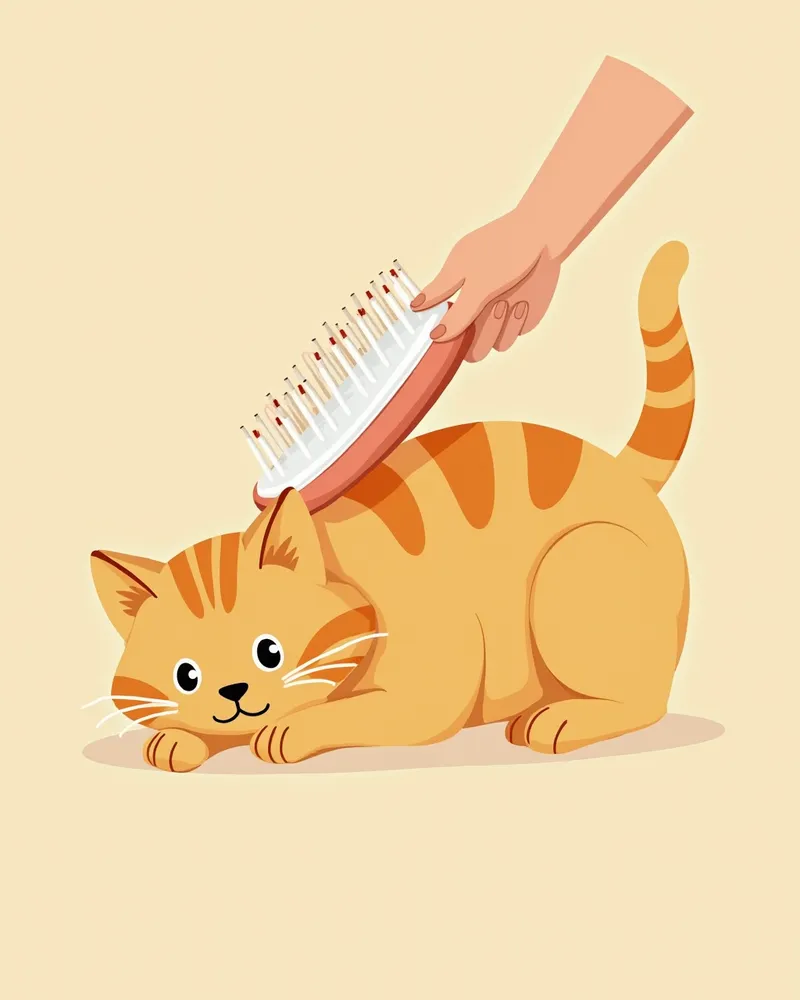
Brushing should be a stress-relieving and calming experience for your cat. Before you start, gently pet your cat and choose a quiet environment. Brush slowly and gently, paying close attention to your cat’s reactions. If your cat shows signs of discomfort, stop immediately and try again later. After brushing, reward your cat with treats or affection. Make brushing a regular part of your daily routine. It’s a precious opportunity to strengthen the bond between you and your cat.
A cat lying down comfortably while being brushed

Reviewed by a veterinarian

Dr. Tony — Punnawat Phongkittirak

Dr. Tony — Punnawat Phongkittirak

Veterinarian

A veterinarian who majored in veterinary medicine at Khon Kaen University, Thailand, and completed the IVSA program at North Carolina State University in the United States. Drawing on clinical experience at animal hospitals, he works in the pet healthcare field and is dedicated to building a digital care environment that connects pet parents with veterinarians.

Frequently Asked Questions

How often should you brush your cat’s fur?
The frequency of brushing your cat may vary depending on their coat condition, personality, and overall health. You can adjust the frequency during shedding seasons or when your cat has difficulty grooming themselves. It's important to brush slowly and gently, paying attention to your cat's reactions.
My cat hates being brushed. What should I do?
Start slowly in a quiet environment, following your cat’s rhythm. Reward them with treats or affection after brushing. If your cat seems uncomfortable or reacts negatively, stop immediately and try again later.
How do I clean my grooming tools?
After brushing, remove the collected fur and rinse the tool with water or wipe it with a dry cloth. Detaching the head allows for a more thorough cleaning. Keep the tool hygienic, as heavily tangled fur can make brushing difficult.
Which cats benefit most from a shedding-control brush?
A soft brush can help cats that shed heavily or have sensitive skin. However, keep in mind that such brushes don’t prevent hair loss itself; they simply help remove already-loose fur. If you notice patchy hair loss or exposed skin, it could be due to medical causes such as excessive licking, itching, or infection, so it’s best to consult your veterinarian. The suitability of a brush may vary depending on your cat’s individual response.
What problems can arise from choosing the wrong grooming tool?
If your cat is tense, excessive stimulation or discomfort can occur. In particular, using tight or sharp tools forcefully can cause micro-abrasions on the skin, so it’s important to continuously monitor your cat’s reactions and proceed gently.

Share

Related Guides

References

[1] Richards, J. (2024). A Professional’s Guide to Feline Behaviour: Understanding, Improving and Resolving Problems. Wiley-Blackwell.

[2] The Cat, Clinical Medicine and Management, 2nd Edition. (2023). Elsevier Health Sciences.

[3] 100 Top Consultations in Small Animal General Practice. (2022). Elsevier.

This information is based on veterinary literature and does not replace diagnosis or treatment. Please consult a veterinarian for specific health concerns.

Metapet Co., Ltd. | CEO: Park Sung-yong | Business Reg. No. 417-88-02562 | Seoul, South Korea | Customer Center

Best Cat Grooming Brushes: Top Picks & How to Choose | Meongsiljang