

Best Recommended Products for Dog Water Intake Monitoring and Key Selection Criteria
A dog’s water intake is directly linked to kidney health, making regular monitoring essential. We’ve compiled a clear overview of recommended products and key selection criteria.
Monitoring Dog Water Intake is Key to Health Management

Key Takeaways: Points to Observe Water Intake at Home
Key 1: How to Measure Daily Water Intake
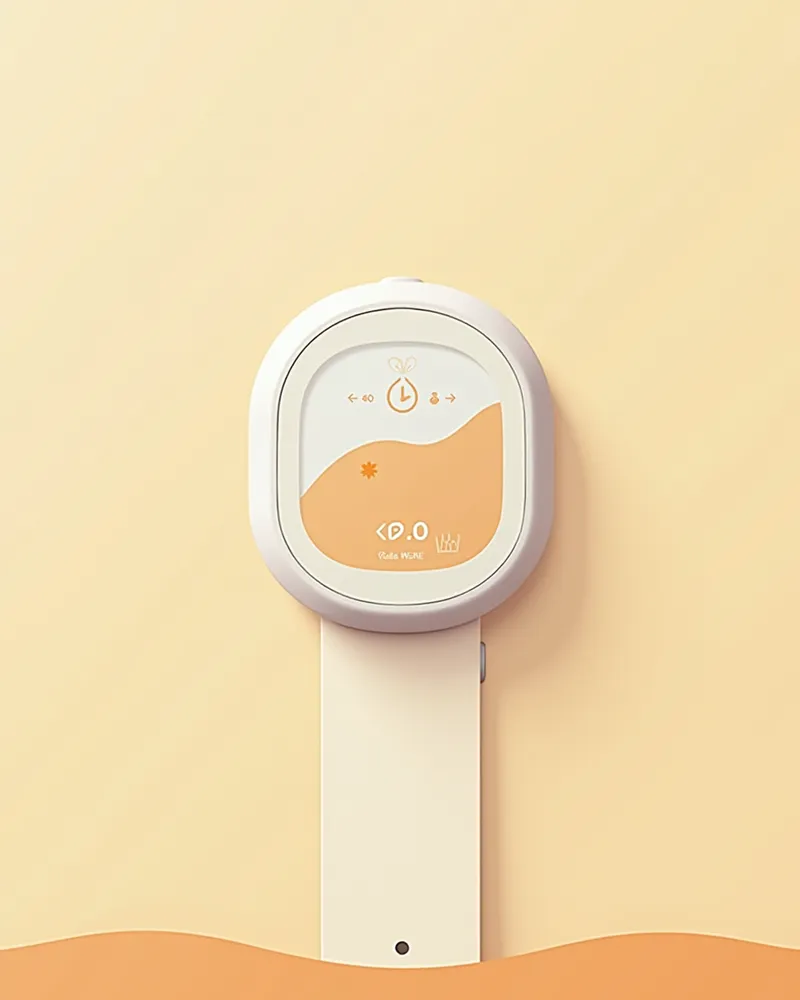
Key 2: Know the Normal Range and Record Changes

Key 3: Consult a Veterinarian When You Notice These Changes

Key Points for Monitoring Water Intake at Home
| Item | Key points |
|---|---|
| Measurement method | Subtract the remaining amount after giving a measured amount of water, or measure using a graduated water dispenser |
| Normal standard | Dogs usually drink no more than about 90ml per 1kg of body weight per day; drinking more than this is considered polydipsia (excessive water intake). This varies depending on weather, food, and activity level |
| Observe together | Also examine urine volume, number of bathroom uses, and urine characteristics (color, concentration, amount), and record trends |
| Warning signs | If water intake suddenly surges, or the dog does not drink water for more than 24 hours → immediately request a veterinary consultation |
| Caution | Monitoring is used to judge when to visit; diagnosis and treatment must be discussed with your veterinarian |
This is not a table recommending specific products or devices, but the key points to reference for home care. Always consult your veterinarian for interpreting measurements and making treatment decisions.
Caution: Immediate Veterinary Visit Required if Water Intake Drops Sharply
If your dog’s water intake drops significantly over the course of a day or if they go without drinking for more than 24 hours, it could be a sign of dehydration or an underlying medical condition. We recommend a prompt veterinary check-up, especially if your dog refuses to drink even on hot days or after physical activity. It is important to consult your veterinarian right away and, if necessary, have blood and urine tests performed. A sudden decrease in water consumption is a signal that early intervention is needed, so quick action is essential. Conversely, a sudden increase in water intake can also indicate conditions such as kidney disease, diabetes, or Cushing’s syndrome, so this change should also be carefully monitored.
Usage Tips: How to Encourage Your Dog to Drink More Water
Reviewed by a veterinarian

Dr. Tony — Punnawat Phongkittirak
VeterinarianA veterinarian who majored in veterinary medicine at Khon Kaen University, Thailand, and completed the IVSA program at North Carolina State University in the United States. Drawing on clinical experience at animal hospitals, he works in the pet healthcare field and is dedicated to building a digital care environment that connects pet parents with veterinarians.
Reviewed 2026-06-29
Frequently Asked Questions
How much water should a puppy drink each day?
Are water fountains safe for dogs?
Why is monitoring water intake important?
Should I change the water in my pet’s bowl frequently?
What should I do if my dog isn’t drinking water?
Share
Related Guides

Top Recommendations and Selection Criteria for Cat FIV and FeLV Testing
Top Microchip Implantation Management Recommendations for Dogs and Key Selection Criteria

Complete Guide to Choosing, Comparing, and Managing the Best Heartworm Preventives for Dogs

7 Emergency Signs and Management Tips for Feline Liver Abscesses Recommended by Veterinarians

7 Signs of Feline Triaditis (Liver, Pancreas, Intestines) Management Recommended by Veterinarians

7 Key Points for Managing Drug- and Toxin-Induced Liver Damage in Cats, as Recommended by Veterinarians

7 Key Management Tips for Feline Cholangiohepatitis Recommended by Veterinarians

7 Best Feline Bile Acid Testing and Management Items Recommended by Veterinarians

7 Key Signs for Managing Feline Autoimmune Hepatitis, as Selected by Veterinarians

7 Best Management Tips for Feline Ascites and Liver Disease Recommended by Veterinarians
References
[1] Advanced Monitoring for Small Animal Emergency and Critical Care, 2nd Ed. (2016)
[2] Small Animal Critical Care Medicine, 3rd Ed. (2020)
[3] Plumb's Veterinary Drug Handbook, 9th Ed. (2021)