Like
Share
멍실장
강아지 건식 vs 습식 vs 생식 선택 관리 추천 BEST와 고르는 기준 총정리

Complete Guide to Choosing and Managing Dry, Wet, and Raw Diets for Dogs: Top Recommendations and Selection Criteria

Lifestyle & Age CareTop PicksMeongsiljang Veterinary Advisory Board

We’ve outlined the pros and cons of dry, wet, and raw diets for dogs, along with guidelines for choosing the right option for your pet. Check out the top three products recommended by veterinarians, plus helpful care tips—all in one place.

Dry vs. Wet vs. Raw Diets for Dogs: Which Is Best?

An image comparing dry, wet, and raw pet food
Choosing the right diet for your dog often involves deciding among dry, wet, or raw food, each with its own advantages. The best choice depends on a comprehensive consideration of each type’s characteristics and your dog’s living environment. Dry food is easy to store, can support dental health, and has a nutrient density roughly four times higher than wet food by weight. Wet food, with its high moisture content of 70–80% or more, helps ensure adequate hydration for dogs that don’t drink enough water, and its appealing flavor makes it effective for picky eaters or those with poor appetites. Raw food uses natural ingredients, but maintaining proper nutritional balance and hygiene is critical; improper formulations can lead to nutrient deficiencies or pose pathogen risks to both dogs and humans. The key is selecting a diet tailored to your dog’s age, activity level, and health status. Consider exploring veterinarian-recommended products and care tips to make an informed decision.

5 Key Criteria for Choosing a Diet

To choose the right diet for your dog, be sure to check these five key factors. You need to comprehensively consider your dog’s age, activity level, health status, coat condition, and your own ability to manage their feeding routine.
Age-appropriate diet: Nutritional requirements vary depending on whether your dog is a puppy, adolescent, or adult.
Reflect activity level: Dogs with high exercise needs require meals with higher energy density.
Consider health status: Allergies, gastrointestinal issues, and obesity significantly influence diet selection.
Ease of meal management: Raw diets can be difficult to store and prepare, while dry kibble offers convenience.
Verify nutritional balance: Always confirm that the product meets AAFCO standards.
Checklist for Choosing Your Dog’s Diet

BEST 1: Dry Food – The Perfect Combination of Convenience and Cost-Effectiveness
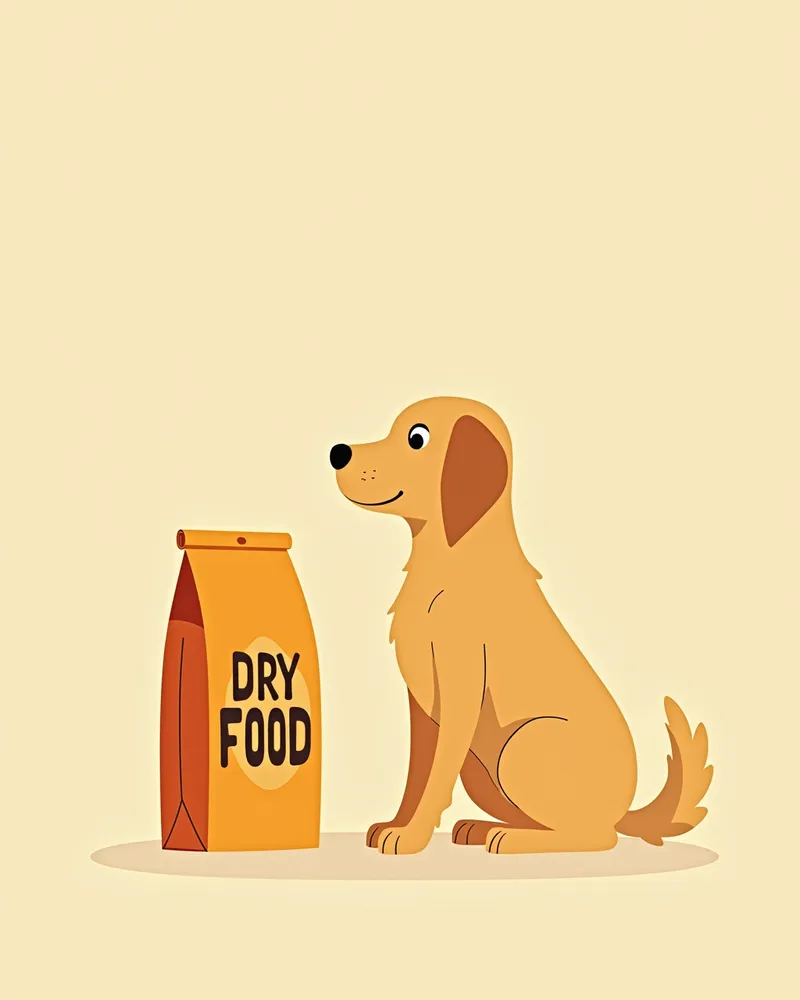
Dry kibble is the most widely used diet for dogs. In fact, over 90% of the food given to dogs consists of commercially processed options like dry or wet food, making it incredibly common. It’s easy to store, can support dental health, and has a nutritional density about four times higher than wet food on a weight-for-weight basis. Our top recommendation from veterinarians is the Premium Canyon Dry Dog Food, which meets AAFCO standards and provides a balanced profile of essential nutrients.
Appropriate Protein Levels: The protein content in dry food typically ranges from 18% to 32% on a dry matter basis, helping to maintain muscle mass.
Carbohydrate Content: Dry kibble generally contains higher levels of carbohydrates, so it’s important to carefully manage portion sizes for dogs needing weight or blood sugar control.
Dental Health Support: Dry food may help maintain oral health more effectively than wet food.
Convenience: It can be stored for over a year without refrigeration.
Cost-Effectiveness: At around $10 per kilogram for larger packages, it offers great value for money.
Premium dry dog food and a puppy's appearance

BEST 2: Wet Food – The Perfect Combination of Hydration and Taste

Wet dog food contains a high moisture level of 70–80% or more, which helps ensure adequate hydration for dogs that don’t drink enough water. Its appealing taste and high palatability also make it an effective option for dogs with poor appetites. The veterinarian-recommended product is Real Food wet dog food, which uses meat as the main ingredient to deliver both flavor and nutrition.
High moisture content: Contains 70–80% or more water.
Natural ingredients: Made with only natural ingredients, free from artificial flavors and colors.
Appetite-stimulating effect: More palatable than dry food, so dogs tend to eat it readily.
Supports hydration: The high moisture content helps increase your dog’s total daily water intake.
Short-term storage: Safe for up to 3 days when refrigerated after opening.
The appearance of the wet food after opening

BEST 3: Raw Diet – Pursuing a Natural Diet
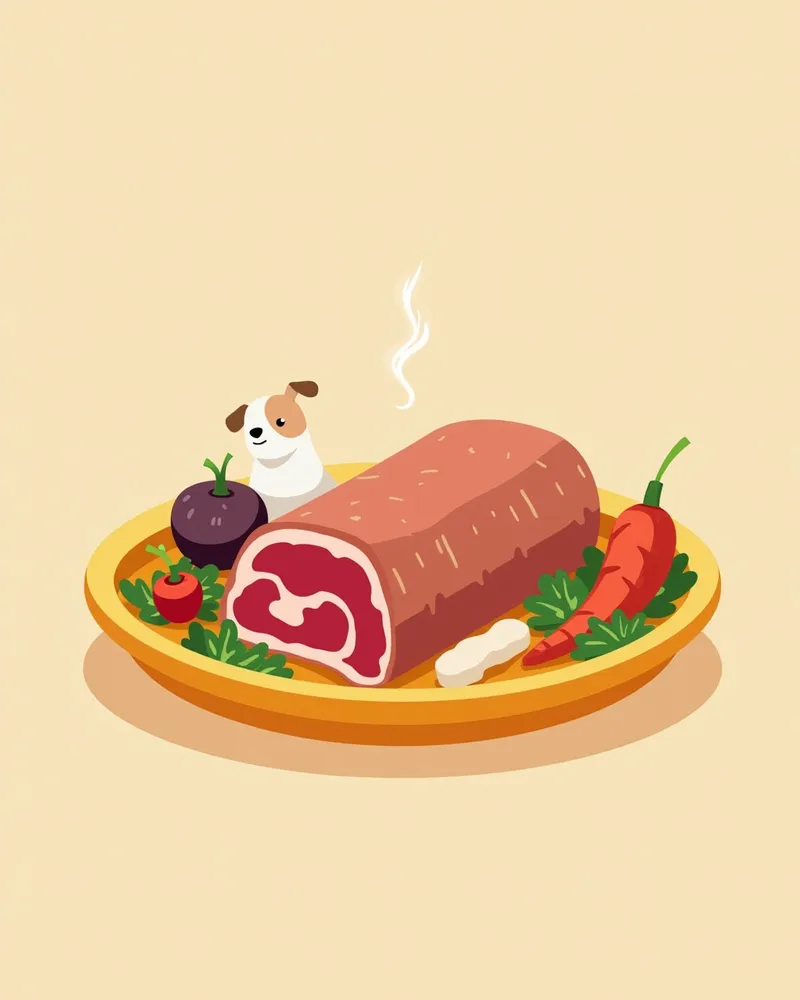
A raw diet uses ingredients in their natural state, but maintaining proper nutritional balance and hygiene is crucial. Incorrect ingredient combinations can lead to nutritional deficiencies, and contaminated meat poses a serious infection risk not only to dogs but also to their owners. This risk is especially high for children, the elderly, and immunocompromised individuals, who are more vulnerable to pathogens such as Salmonella and E. coli. We recommend the "Wildplay Raw Food Set," a veterinarian-approved product made with organic ingredients in an HACCP-certified facility to ensure high safety standards.
Natural Ingredients: Uses only natural ingredients without artificial additives.
Balanced Nutrition: Protein, fat, vitamins, and minerals are naturally combined.
Improved Digestive Efficiency: Raw meat diets may have high digestibility, though this can vary depending on the individual diet.
Potential Skin Health Benefits: May include ingredients rich in omega fatty acids, although there is no separate evidence to support this claim.
Hygiene Management Required: Must be refrigerated; consumption within 24 hours of opening is recommended.
The scene of organizing reproductive ingredients

Comparison Table of BEST 1–3 Diets: Pros and Cons, Price, and Care Methods

ItemDry foodWet foodRaw food
Nutritional balanceMeets AAFCO standardsCentered on natural ingredientsCentered on natural ingredients
Moisture contentLow (10%)High (75%)Very high (80%)
Storage methodCan be stored at room temperatureRequires refrigerationRefrigeration essential
Shelf life after opening1 year or moreWithin 3 daysWithin 24 hours
Price (per 1kg)About $10About $20About $30
Management difficultyLowMediumHigh

Prices are averages and may vary by brand and region. For raw food, nutritional balance and hygiene management are very important.

Important Precautions When Feeding a Raw Diet

When feeding raw food, maintaining proper nutritional balance and hygiene is crucial. Incorrect ingredient combinations can lead to nutritional deficiencies, while contaminated meat poses a serious risk of infection to both humans and dogs.

Usage Tips: 4 Essential Rules for Transitioning Diets

Switching your pet’s diet can immediately place stress on their digestive system, so a gradual transition is essential. Please adhere to the following four guidelines:
Gradual Transition: Over a period of seven days, gradually mix in the new food. Start with a ratio of 10% new food to 90% of the current diet.
Close Observation: Monitor and record daily changes in bowel movements, activity levels, and appetite.
Hydration: Ensure fresh water is readily available, especially when transitioning to dry kibble.
Veterinary Consultation: If any abnormal symptoms arise during the transition, visit your veterinarian immediately.
Signs to watch for during a diet transition

Reviewed by a veterinarian

Dr. Tony — Punnawat Phongkittirak

Dr. Tony — Punnawat Phongkittirak

Veterinarian

A veterinarian who majored in veterinary medicine at Khon Kaen University, Thailand, and completed the IVSA program at North Carolina State University in the United States. Drawing on clinical experience at animal hospitals, he works in the pet healthcare field and is dedicated to building a digital care environment that connects pet parents with veterinarians.

Frequently Asked Questions

Can dogs eat raw meat?
While feeding raw food is possible, maintaining proper nutritional balance and hygiene is crucial. Choose products recommended by experts and ensure strict refrigeration. For safety, always consult with a veterinarian to establish a customized diet plan.
Is it okay to mix dry and wet food?
Yes, it’s possible. Mixing dry and wet food can help increase your pet’s water intake and stimulate their appetite. However, it’s important to manage the total calorie intake. It’s best to follow your veterinarian’s recommendations to determine the appropriate ratio.
Isn't raw feeding risky?
Feeding raw food can expose pets to pathogens such as Salmonella, Campylobacter, and E. coli. These bacteria can also be transmitted to children, the elderly, and individuals with weakened immune systems, making proper hygiene essential. Choosing HACCP-certified products and storing them in the refrigerator can reduce risks, but they do not eliminate them entirely. For safety, it’s best to handle raw food under the guidance of a professional.
Which diet is the healthiest?
The right diet depends on your dog’s age, health status, and activity level. Consulting with a veterinarian to choose a tailored diet is the safest approach. No single diet suits every dog equally, so adjustments based on individual circumstances are necessary.
What should I do if my pet develops diarrhea after switching their diet?
If diarrhea occurs during the diet transition, revert to the previous food and allow a 2–3 day rest period before gradually transitioning again. If symptoms persist, consult your veterinarian. While this is a possible reaction during the transition, prolonged symptoms require a veterinary diagnosis.

Share

Related Guides

References

[1] Freeman LM, Chandler ML, Hamper BA et al. (2013) Current knowledge about the risks and benefits of raw meat-based diets in dogs. Journal of Veterinary Internal Medicine, 27(5), 1035–1046.

[2] Morelli G, Catellani P, Miotti Scapin R et al. (2020) Evaluation of microbial contamination and effects of storage in raw meat-based dog foods purchased online. Journal of Animal Physiology and Animal Nutrition, 104(4), 690–697.

[3] The Dog Care Handbook, Things I Wish My Vet Had Told Me (2024). Chapter 5: Feeding Your Dog – Raw, Dry, or Wet? Page 75–76.

This information is based on veterinary literature and does not replace diagnosis or treatment. Please consult a veterinarian for specific health concerns.

Metapet Co., Ltd. | CEO: Park Sung-yong | Business Reg. No. 417-88-02562 | Seoul, South Korea | Customer Center

Dog Diets: Dry vs Wet vs Raw—Best Picks & How to Choose | Meongsiljang