Like
Share
멍실장
고양이 설사 회복식 추천 TOP 5 — 가수분해 단백 처방식 비교

Top 5 Cat Diarrhea Recovery Foods — Hydrolyzed Protein Prescription Diet Comparison

DigestiveTop PicksMeongsiljang Veterinary Advisory Board

Cat diarrhea recovery food is a prescription diet with hydrolyzed protein that breaks down protein into smaller pieces to reduce allergic reactions and intestinal burden.

What Is Cat Diarrhea Recovery Food?
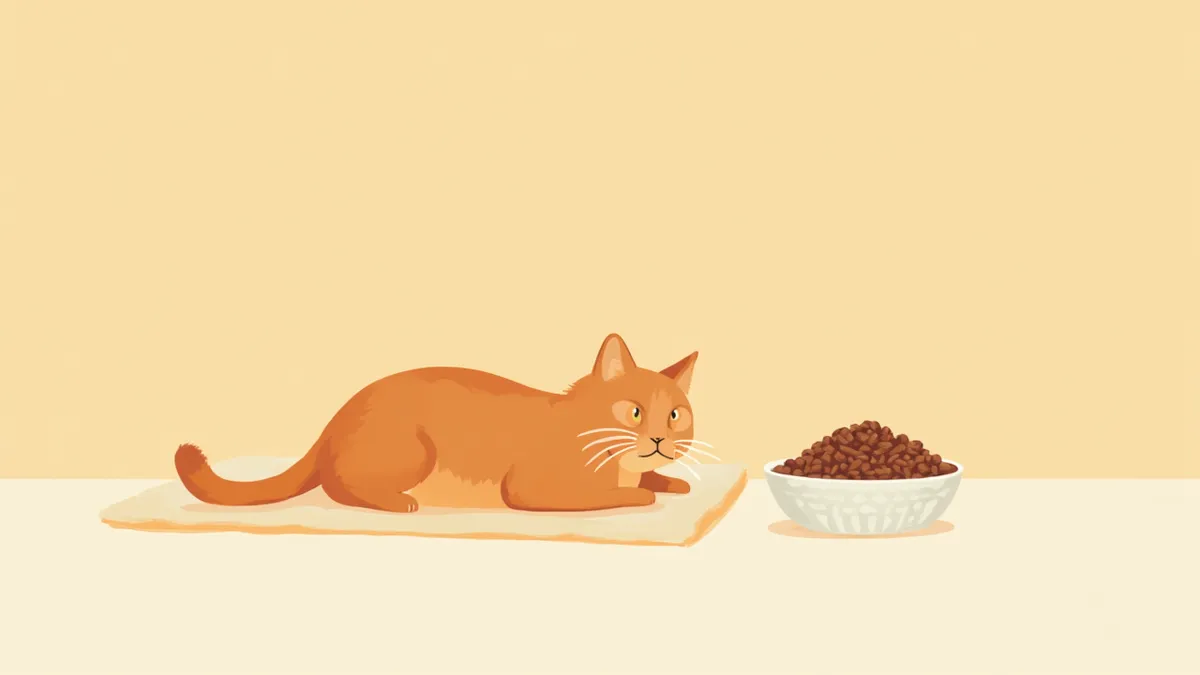
A cat resting while taking prescription medication.
Cat diarrhea recovery food is a hydrolyzed protein prescription diet designed to break down proteins into small peptide units to minimize immune reactions. According to veterinary textbooks, the key feature of hydrolyzed prescription diets is that they split proteins into peptides smaller than the size that triggers immune responses, thereby reducing allergic reactions and gastrointestinal burden without the need for novel protein sources. Additionally, low-fat diets are generally recommended for gastrointestinal diseases, and as long as energy requirements are met, low-fat diets have no particular disadvantages and are therefore recommended. However, there is no textbook evidence that sets specific values such as "molecular weight 10 kDa" or "12% fat" as universal standards. Cats with chronic diarrhea, food allergies, or inflammatory bowel disease (IBD) may experience immune reactions even to the protein particles in regular pet food, making it difficult to achieve recovery with simple "digestive care" diets alone.

4 Key Criteria to Check When Choosing a Prescription Diet
Beyond the flashy claims on the packaging, there are specific details pet owners should actually focus on: - Degree of hydrolysis: Whether the protein has been sufficiently broken down into peptides small enough to avoid triggering an immune response - Fat content: Whether it is as low-fat as possible (low-fat diets are generally recommended for gastrointestinal diseases) - Digestive burden: Whether the formulation is easy to digest and absorb, thereby reducing stress on the intestines - Prebiotics and probiotics: These are being studied for their supportive role in chronic diarrhea cases that do not respond well to conventional treatments However, specific figures such as "protein molecular weight of 10 kDa," "12% fat," or "90% digestibility" are not standardized benchmarks uniformly provided by textbooks. In reality, prescription diets for gastrointestinal diseases vary significantly between products in terms of fat content and other factors. Therefore, the most accurate way to determine whether a product is suitable for your cat’s condition is to consult with your veterinarian.
Close-up of prescription diet kibble

Top 5 Cat Diarrhea Recovery Foods: Core Specs Comparison

ItemRoyal Canin HydrolyzedHill's z/dPurina HAPurina ENVirbac Vegan
Protein Molecular Weight≤6kDa≤10kDa≤12.5kDaStandard protein≤10kDa
Fat (Dry Matter %)13%10.5%16%11%12%
Digestibility92%94%90%93%91%
PrebioticsTrueFalseTrueTrueTrue
Reference Price (2kg)

Average domestic animal hospital prices as of April 2026. Includes products requiring a prescription.

1st Place — Royal Canin Hydrolyzed Protein (HP)

Royal Canin Hydrolyzed Protein (HP) is a leading hydrolyzed prescription diet in which proteins are broken down into small peptide units. Because hydrolyzed prescription diets reduce proteins to sizes smaller than those that trigger immune responses, they are commonly used to manage chronic gastrointestinal symptoms associated with food allergies. - Recommended for: Cats suspected of having food allergies, including reactions to novel proteins - Advantages: Proteins are sufficiently hydrolyzed, minimizing the likelihood of an immune response - Disadvantages: Higher cost and potentially lower palatability Please note that claims such as “under 6 kDa” or “No. 1 prescribed in Korea” are product and market information, not findings verified in veterinary textbooks. To properly assess efficacy, hydrolyzed prescription diets must be used as part of an elimination diet—fed exclusively for a specified period—under veterinary guidance, combining diagnosis and treatment.
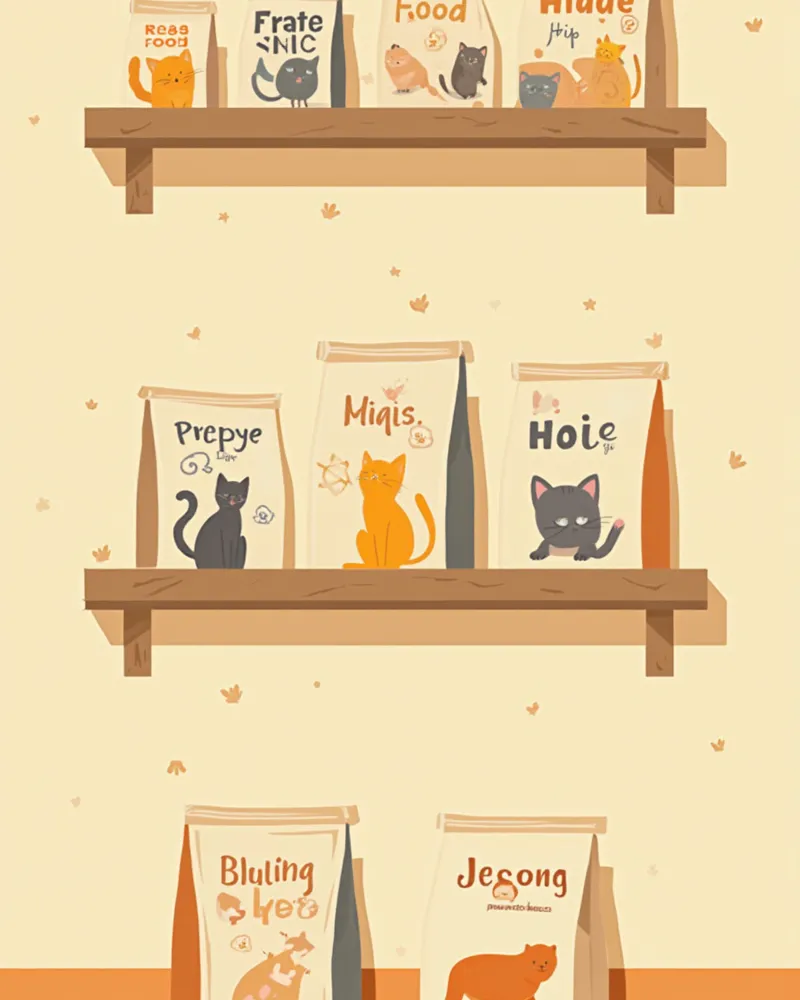
Prescription diet food bags displayed at the clinic

2nd–5th Place — Recommendations by Situation
The top-ranked option, along with four others, may be more suitable depending on your cat’s condition and your household circumstances. - 2nd place: Hill’s z/d – Lowest fat content (10.5%), making it beneficial for diarrhea accompanied by pancreatitis. - 3rd place: Purina HA – A balance of cost-effectiveness and palatability, ideal for first-time prescription diet trials. - 4th place: Purina EN – Not hydrolyzed, but highly digestible and low in fat, suitable for recovery from simple acute diarrhea. - 5th place: V-Bark Vegan – Plant-based hydrolyzed protein, serving as a last resort when allergic to all animal proteins. Options ranked 3rd to 5th are often used during the initial diagnostic phase or as long-term maintenance diets.
A side-by-side display comparing prescription diets from various brands

Be Sure to Check Before Starting a Prescription Diet

Hydrolyzed prescription diets differ from regular pet food. Starting one on your own can obscure the diagnosis and increase costs. If diarrhea persists for more than two weeks, you should first visit a veterinary clinic for fecal and blood tests to rule out other causes such as parasites, pancreatitis, or hyperthyroidism. For an elimination diet to diagnose allergies, it must be conducted under veterinary supervision, feeding only a single diet for eight weeks, to yield meaningful results.

Prescription Diet Transition — 7-Day Gradual Feeding Schedule
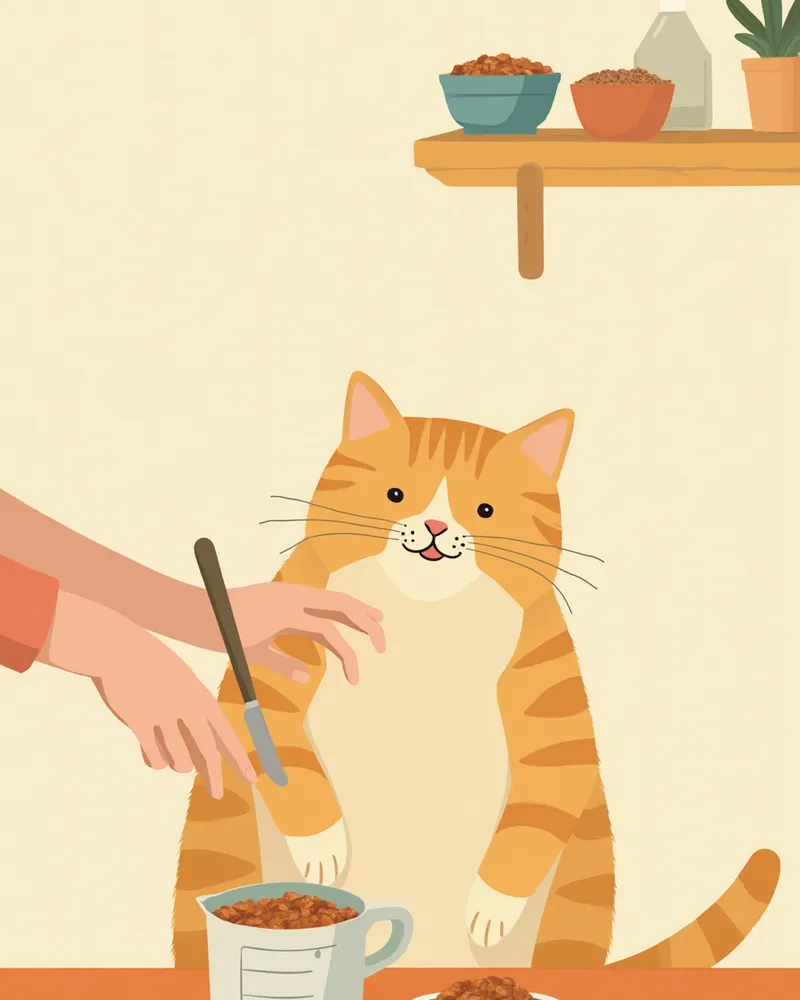
Abruptly changing your pet’s food can worsen diarrhea on its own. Veterinary textbooks recommend transitioning to new food slowly and gradually (the key is to let your pet adapt gradually rather than sticking to a rigid timeline). Below is a common 7-day transition schedule used in clinical practice: - Days 1–2: 75% old food + 25% prescription diet - Days 3–4: 50% old food + 50% prescription diet - Days 5–6: 25% old food + 75% prescription diet - Day 7 onward: 100% prescription diet If diarrhea worsens during the transition, revert to the previous ratio and maintain it for an additional 2–3 days before proceeding. During this period, discontinue all treats, milk, and catnip. If you have other cats in the household, try feeding them the same food, as this can help identify potential allergens.
A pet owner mixing food to gradually transition to a prescription diet

Key Ingredients That Help During Recovery

Safe

프락토올리고당(FOS)

장내 유익균 증식 촉진, 변 형태 개선

Dosage: 건물 기준 0.5~1.0%

응용수의임상영양학 권장

Safe

만난올리고당(MOS)

병원성 세균 흡착·배출, 면역 강화

Dosage: 건물 기준 0.2~0.5%

수의내과학 교과서 인용

Safe

EPA·DHA(오메가-3)

장 점막 염증 완화

Dosage: 체중 1kg당 30~50mg/일

Caution

L-글루타민

장 상피세포 회복 에너지원

Dosage: 수의사 지시에 따름

Go to the Vet Immediately If You See These Signs

Even while on a prescription diet, you should visit the clinic within 24 hours if you notice any of the following signs: - Any occurrence of bloody or black, tarry stools - Diarrhea lasting more than three days, accompanied by decreased appetite and lethargy - Refusal to drink water for over 12 hours and dry gums (indicating dehydration) - A weight loss of 5% or more within a week This is especially critical for kittens and senior cats, as they can dehydrate rapidly, potentially leading to an emergency.

Reviewed by a veterinarian

Dr. Tony — Punnawat Phongkittirak

Dr. Tony — Punnawat Phongkittirak

Veterinarian

A veterinarian who majored in veterinary medicine at Khon Kaen University, Thailand, and completed the IVSA program at North Carolina State University in the United States. Drawing on clinical experience at animal hospitals, he works in the pet healthcare field and is dedicated to building a digital care environment that connects pet parents with veterinarians.

Frequently Asked Questions

Does my pet need to take this prescription medication for life?
It depends on the underlying condition. For recovery from simple acute diarrhea, you can typically transition back to a regular diet after 4 to 8 weeks. However, for food allergies or inflammatory bowel disease, lifelong maintenance on a prescription diet is recommended. Consult your veterinarian about the possibility of switching to a regular low-allergen diet after a re-evaluation in one to two years.
Can hydrolyzed diets also cause allergies?
It’s rare, but possible. Even with hydrolyzed prescription diets, some cats may not show sufficient improvement, as noted in veterinary textbooks. In such cases, you might try switching to a more extensively hydrolyzed product or one containing a novel protein or plant-based protein. If diarrhea persists after a trial period of feeding only that diet, consult your veterinarian about changing to a different prescription diet.
Can I give prescription treats and regular treats together?
During the eight-week diagnostic and treatment period, absolutely no other treats are allowed. Even a single regular treat can invalidate the results of the eight-week elimination diet. For safety, it is best to use only prescription treats from the same brand during the maintenance phase after recovery.
Does a prescription always require a doctor's prescription?
In Korea, some hydrolyzed prescription diets are sold exclusively through veterinary clinics. While a prescription isn't strictly required, feeding these diets without a proper diagnosis could lead to missing other underlying conditions. Always start with a fecal test and blood work first.
Can homemade diets also provide a hydrolyzed effect?
Home cooking cannot hydrolyze proteins. Hydrolysis requires an industrial enzymatic processing technique. For cats with allergies, homemade diets can only be attempted using the novel protein approach, and even then, consultation with a veterinary nutritionist is essential.

Share

Related Guides

References

[1] Andrea J. Fascetti, Sean J. Delaney, Applied Veterinary Clinical Nutrition, 2nd Ed, Chapter 8: Commercial and Home-Prepared Diets, Wiley-Blackwell

[2] Schaer, M., Gaschen, F., Clinical Medicine of the Dog and Cat, 4th Ed, Section V: Elements of Therapy (Nutritional Support)

[3] Cave, N. J., Hydrolyzed Protein Diets for Dogs and Cats, Vet Clin North Am Small Anim Pract, 2006

This information is based on veterinary literature and does not replace diagnosis or treatment. Please consult a veterinarian for specific health concerns.

Metapet Co., Ltd. | CEO: Park Sung-yong | Business Reg. No. 417-88-02562 | Seoul, South Korea | Customer Center

Top 5 Cat Diarrhea Recovery Foods — Hydrolyzed Protein Diets | Meongsiljang