Like
Share
멍실장
고양이 사시 관리 추천 BEST와 고르는 기준 총정리

Cat's Eye Direction Is Abnormal — Strabismus Causes and Signs You Should Visit the Vet

Eye HealthTop PicksMeongsiljang Veterinary Advisory Board

Ophthalmic conditions that can affect vision in cats require proper management and treatment. Here are the top three most effective products and care methods to help you manage your cat's eye health.

Feline Strabismus Is an Ophthalmic Condition That Can Affect Visual Function
Actual photos of cats exhibiting strabismus symptoms
In cats with strabismus, the eyeball(s) deviate from their normal position within the orbit (the space behind the eye), turning inward, outward, or in other directions, either unilaterally or bilaterally. While some cases are congenital and may not significantly impair vision, a sudden onset of strabismus in an eye that was previously normal can signal underlying issues with the nerves controlling eye movement (such as the oculomotor or trochlear nerves), the vestibular system, the orbit, or the brain. When head tilting or balance abnormalities accompany the strabismus, identifying the underlying cause is more critical than addressing the strabismus itself. Therefore, early detection and targeted diagnosis based on the specific cause are essential. - Prioritize cause assessment: If strabismus appears suddenly or is accompanied by other symptoms, diagnostic tests are necessary to evaluate potential neurological or vestibular causes. - Create a safe environment: Organize the indoor space to prevent cats with visual or balance impairments from falling or colliding with objects.

Good to Know: Strabismus Management

Rather than trying to “correct” your cat’s strabismus on your own with over-the-counter products, it’s most important to identify the underlying cause and manage the condition under your veterinarian’s guidance. When deciding on a management plan, keep the following in mind: - Safety: Ensure that any eye drops or supplements used are low-irritation and contain ingredients and formulations approved by your veterinarian. - Cause-appropriate selection: Strabismus can signal issues involving the nerves, vestibular system, or orbit, among other causes. Therefore, evaluating the root cause and providing targeted treatment should take priority over simply choosing a product. - Ease of use: A gentle formulation that your cat tolerates well will help you maintain consistent care. However, always follow your veterinarian’s instructions for dosage and administration rather than relying solely on the product label. - Long-term management: Prioritize long-term eye health through regular veterinary check-ups over short-term fixes.
A real-life photo of a cat having eye drops administered.

Good to Know 1: What Is Strabismus?

Strabismus occurs when the eyes do not look in the same direction, with one or both eyes deviating inward, outward, or in another direction. In some breeds, this condition is congenital and can persist throughout life without significantly affecting vision. However, if an eye that was previously normal suddenly turns to one side, it may indicate issues with the nerves or muscles controlling eye movement, lesions in the orbit (the space behind the eye), or neurological disorders, so caution is warranted. It is important to distinguish whether the strabismus is congenital or newly developed.
What is strabismus? Please refer to the related guide image.

Good to Know 2: Cause Assessment Is Key
Congenital and stable strabismus is usually monitored without specific treatment. However, if strabismus appears suddenly or is accompanied by other symptoms such as head tilting, balance issues, exophthalmos, or pain, diagnostic tests to identify the underlying cause are necessary. Along with neurological examinations, imaging studies may be performed to assess the orbit, nervous system, and brain. It is important to identify the underlying cause rather than focusing solely on the strabismus itself, so any changes should be evaluated through veterinary consultation. Treatment and prognosis vary depending on the underlying cause.
The key is to assess the cause. See the related guide image.

Good to Know 3: Management and When to Seek Veterinary Care

Congenital strabismus rarely interferes with daily life if vision is unaffected, so routine eye health monitoring is generally preferred over aggressive correction. In contrast, when strabismus develops suddenly or is accompanied by other symptoms, treating the underlying cause is essential. Seek veterinary care promptly if you notice sudden changes in eye position, head tilting, or balance issues, as these may indicate neurological problems. It is crucial to avoid unproven remedies and instead pursue diagnosis and treatment tailored to the specific cause.
Guidance on timing for care and treatment

Strabismus: Points to Keep in Mind

ItemKey Points
ConditionBoth eyes cannot look in the same direction; may be congenital (stable)
CautionEvaluate the cause if sudden-onset strabismus, head tilt, or balance disorder accompany it
DiagnosisNeurological exam plus imaging if needed to evaluate the orbit, nerves, and brain
TreatmentCongenital stable type is observed; newly developed cases require treatment of the underlying disease
When to See a VetSeek prompt care for sudden changes or accompanying neurological symptoms

This is not a table recommending specific products or hospitals, but a reference to consult with your veterinarian. Decisions about treatment and testing must always be made together with your veterinarian through an examination.

Excessive Use Can Cause Side Effects

Using eye drops or supplements excessively without a veterinarian’s guidance can cause eye irritation or digestive upset. The frequency of eye drop application varies depending on the type of medication and the condition of the eyes (for example, some medications are prescribed twice daily), so do not increase the dosage on your own; strictly follow the prescribed instructions. Consult your veterinarian before using any product, and discontinue use immediately if any side effects occur.

Usage Tips: Administer at Consistent Times in a Quiet Environment
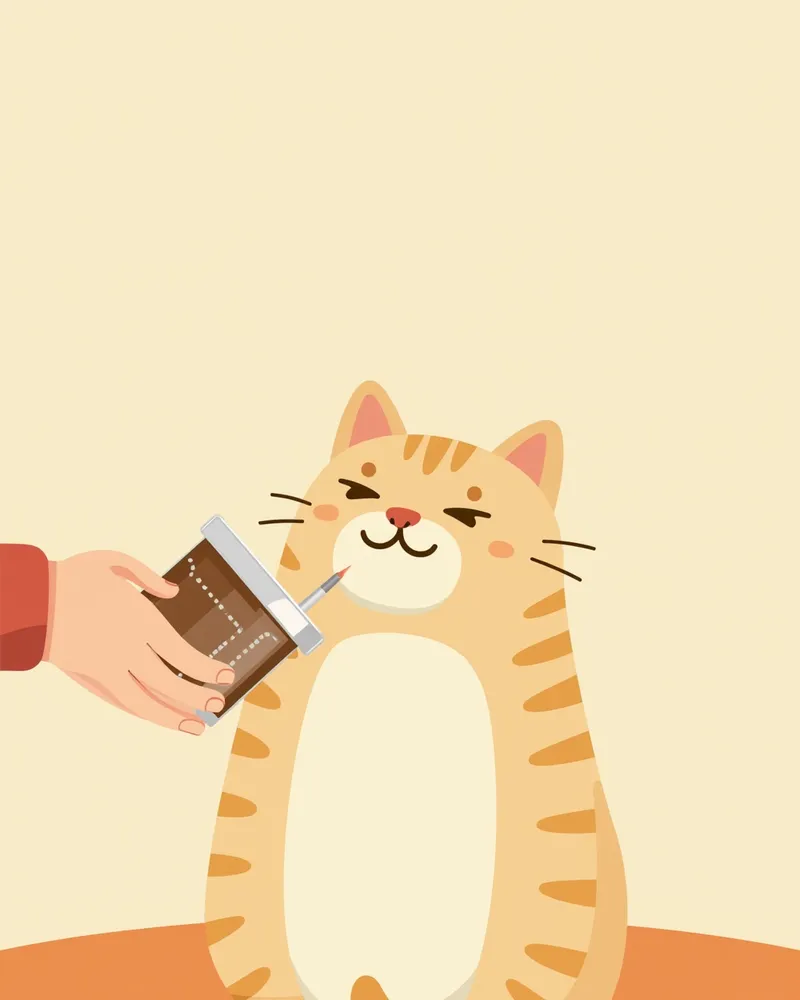
It’s best to administer eye drops at consistent times in the morning and evening. Approach your cat slowly in a quiet room to help keep them calm. You can reduce resistance to supplements by giving them alongside treats. Safety equipment is more effective when installed after observing your cat’s habits. Consistent care is the most important factor. - Maintain a consistent routine: Using products at the same time each day helps your cat become accustomed to them, reducing refusal. - Prepare a quiet environment: Approaching your cat in a low-noise area helps minimize stress. - Administer with treats: The improved taste encourages your cat to consume the supplement naturally. - Establish a regular care habit: Apply or administer one to two times daily, consistently, for cumulative benefits. - Monitor after use: If any side effects appear, stop use immediately and consult your veterinarian.
A candid photo of a quiet moment when giving a cat a nutritional supplement

Reviewed by a veterinarian

Dr. Tony — Punnawat Phongkittirak

Dr. Tony — Punnawat Phongkittirak

Veterinarian

A veterinarian who majored in veterinary medicine at Khon Kaen University, Thailand, and completed the IVSA program at North Carolina State University in the United States. Drawing on clinical experience at animal hospitals, he works in the pet healthcare field and is dedicated to building a digital care environment that connects pet parents with veterinarians.

Frequently Asked Questions

Can feline gingivitis be treated?
It depends on the underlying cause. Congenital and stable strabismus is usually monitored without treatment, but sudden-onset strabismus requires identifying and treating the root cause, such as neurological, vestibular, or orbital disorders. Treatment and prognosis vary depending on the cause.
Does strabismus cause vision loss?
Congenital and stable strabismus may not significantly impair vision. However, sudden-onset strabismus can signal underlying neurological or brain disorders, so the associated cause—rather than the strabismus itself—may affect vision or balance.
Is it okay to use eye drops three times a day?
The frequency of use varies depending on the type of medication and your pet’s condition. Some medications are given twice a day, while others may need to be administered more frequently. Please follow the dosage instructions provided by your veterinarian rather than deciding on your own.
How long should I continue giving my pet nutritional supplements?
For long-term management, it is recommended to continue taking the medication as directed by your veterinarian.
Can cats refuse to wear safety gear?
At first, your pet may feel uncomfortable, but they will gradually get used to it and start using it comfortably. Take your time to help them adjust.

Share

Related Guides

References

[1] The Cat, Clinical Medicine and Management, 2nd Edition. Elsevier, 2020.

[2] Plumb's Veterinary Drug Handbook, 9th Edition. Wiley-Blackwell, 2021.

[3] American College of Veterinary Ophthalmologists (ACVO). Guidelines for Feline Strabismus Evaluation and Management, 2022.

This information is based on veterinary literature and does not replace diagnosis or treatment. Please consult a veterinarian for specific health concerns.

Metapet Co., Ltd. | CEO: Park Sung-yong | Business Reg. No. 417-88-02562 | Seoul, South Korea | Customer Center

Cat Strabismus: Causes & Signs You Should See the Vet | Meongsiljang